


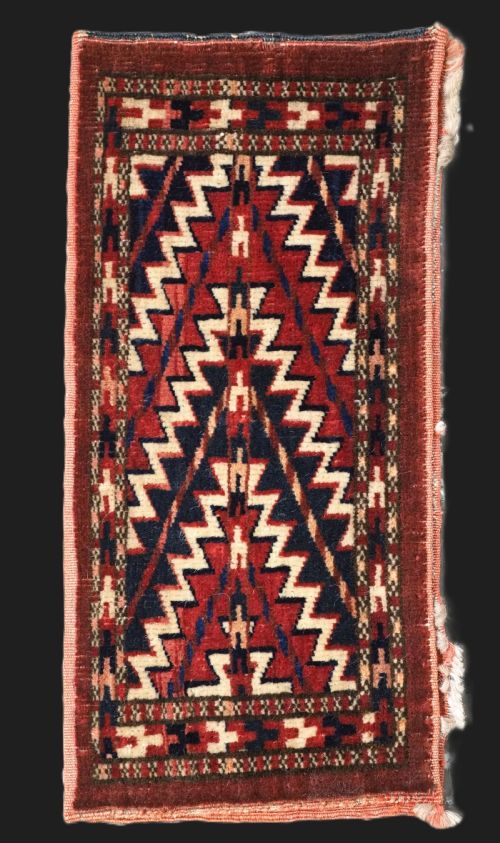

Handwoven Turkmen Rug
When you examine a handwoven turkmen rug, you encounter centuries of nomadic textile tradition expressed through dense geometric patterning and rich red wool.
Handwoven Turkmen Rug
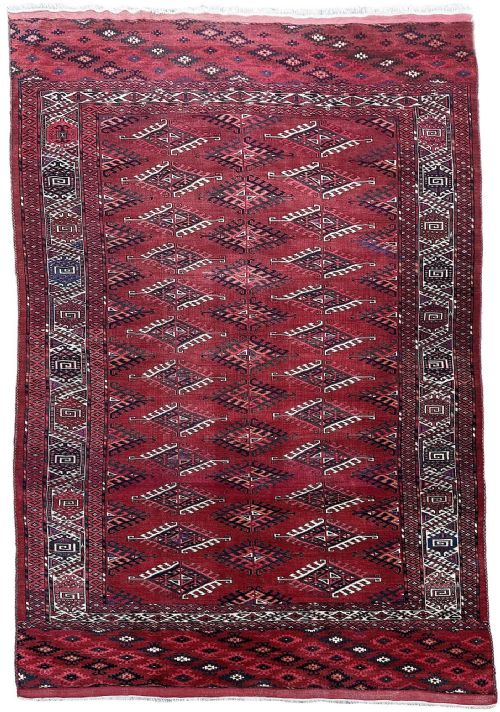
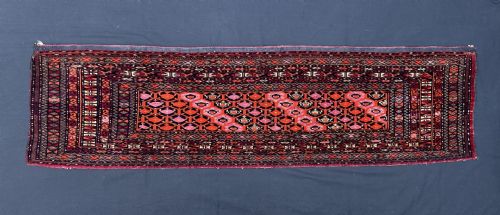
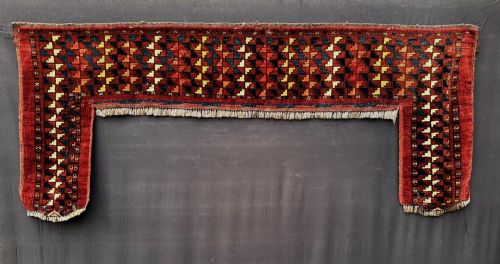
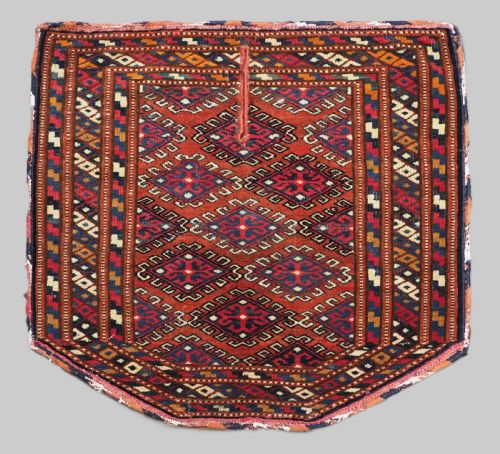
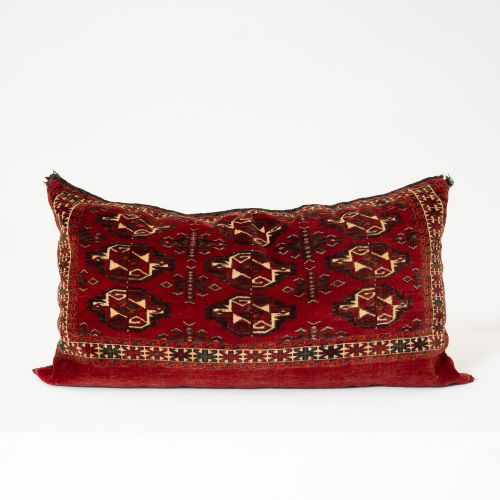
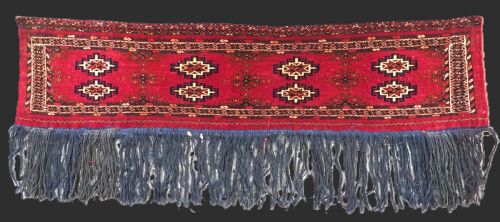
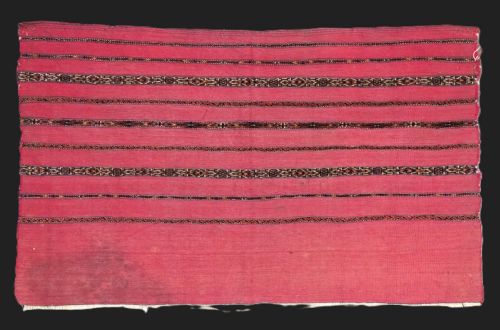
When searching for a handwoven turkmen rug, buyers encounter a diverse selection of nomadic textiles originating from Central Asian steppes and regions like the Amu Darya. These pieces include large carpets, prayer rugs, tent bands, and specialised domestic containers such as torbas, chuvals, and spindle bags created by tribes including the Yomut, Tekke, Saryk, and Ersari.
The items available range from ceremonial horse and camel trappings like asmalyks and saddle covers to utilitarian tent furnishings produced throughout the late nineteenth and early twentieth centuries. Most examples on this page represent smaller dowry pieces or bag faces preserved for their intricate structures rather than full floor coverings.
Wool, dyes, and knotting techniques
These textiles rely primarily on hand-spun wool foundation and pile, frequently supplemented by cotton elements and occasionally decorated with glass beads or silk highlights. Natural dyes provide the dominant palette, anchored by deep madder reds alongside contrasting tones.
Weavers employed tight knotting techniques to produce durable surfaces capable of withstanding nomadic daily life, alongside flatweave constructions for specific bag backs and bands. The resulting structures display fine gauges, particularly visible in specialised torba and chuval faces.
Camels once wore elaborate matching headdresses and asmalyks to impress wedding guests across the dusty steppes.
Density of weave and design precision
Quality in these tribal textiles depends heavily on the fineness of the weave and the precision with which the guls and secondary motifs are executed. Tighter knot counts and more complex structural planning distinguish superior dowry pieces and carpet faces from simpler utilitarian items.
The integrity of the original materials, including surviving natural dye variations and the retention of plain weave backs or complete borders, elevates an example. Preserved structural completeness in functional bags and tent trappings marks the distinction at the upper end.
The Handwoven Turkmen Rug Glossary
- Gul
- The primary repeated octagonal medallion motif characteristic of Turkmen carpets and tribal trappings. These distinct tribal emblems identify the specific sub-grouping of the weavers.
- Torba
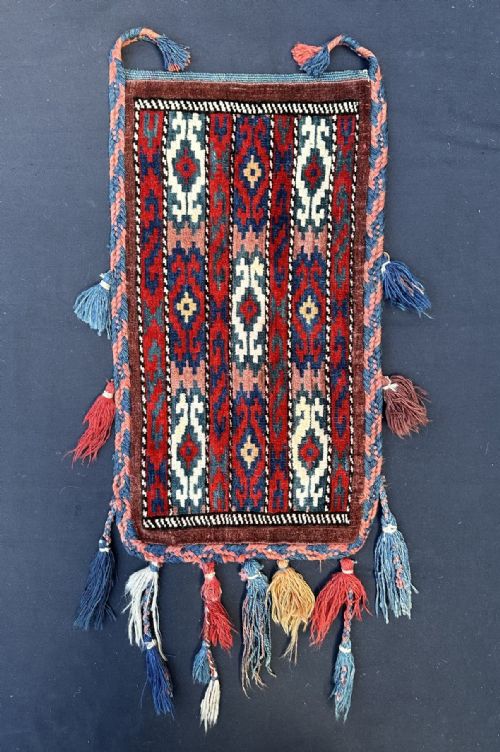
- A small storage bag used inside nomadic tents, typically featuring a highly decorated face and a plain weave back. Collectors prize these pieces for their concentrated design work.
- Chuval
- A large tent storage bag designed for household belongings and bedding. They frequently display multiple rows of guls.
- Asmalyk
- A ceremonial bridal trapping hung on the flanks of a camel during wedding processions. These pentagonal pieces are uncommon survivals.
- Kapak
- A doorway hanging or tent band placed around the interior or exterior of a yurt. They demonstrate structural flatweaving and pile techniques adapted to architecture.
Handwoven Turkmen Rug: Frequently Asked Questions
What is a Turkmen torba?
A torba is a small, rectangular storage bag historically used inside nomadic tents for personal possessions. They were produced by various tribes as part of household furnishings.
These pieces feature highly detailed pile-woven faces with characteristic guls and often retain their original plain weave wool backs. Collectors value them as portable examples of tribal artistry.
How are different Turkmen tribes identified?
Tribes are primarily identified by the specific shape, colour palette, and arrangement of their principal guls. Groups such as the Tekke, Yomut, Saryk, and Ersari each employed distinct geometric vocabularies.
Minor border motifs and structural materials like cotton or silk additions also help attribute pieces to specific regions along the Amu Darya or Trans-Caspian steppes.
Were these rugs used on floors?
Many smaller items were not floor coverings at all, but functional tent bags, animal trappings, and dowry items. Larger formats functioned as carpets within yurt dwellings.
Because items like chuvals and asmalyks served decorative and storage roles in nomadic life, they experienced different types of wear compared to standard Western floor rugs.
How do you date antique Turkmen textiles?
Dating relies on assessing the quality of the hand-spun wool, the composition of the natural dyes, and structural markers. Nineteenth-century examples often exhibit deeper madder saturation and finer knotting.
Stylistic shifts towards twentieth-century production introduce broader palettes and slightly coarser structures, helping place pieces within specific decades.