



Handwoven Qashqai Rug
A handwoven qashqai rug brings authentic tribal artistry from south-west Persia into a room through rich wool and distinctive geometric motifs.
Handwoven Qashqai Rug
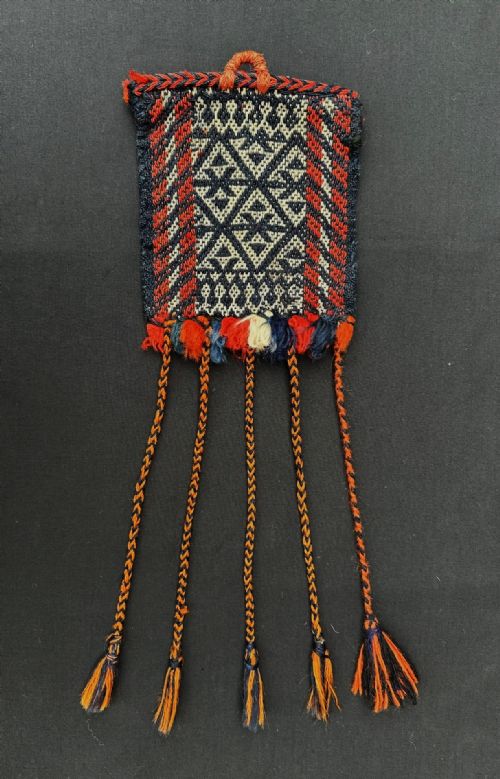
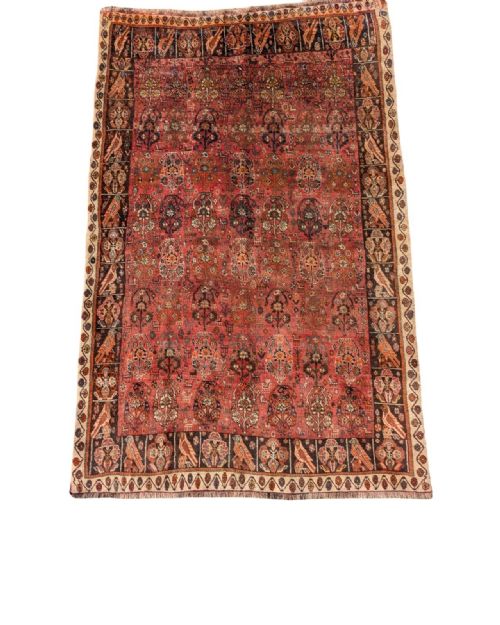
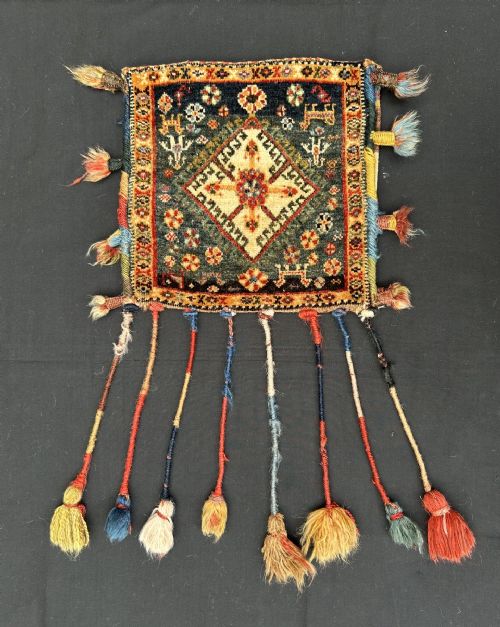
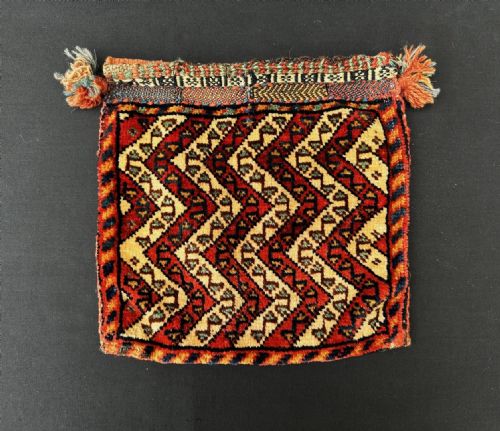
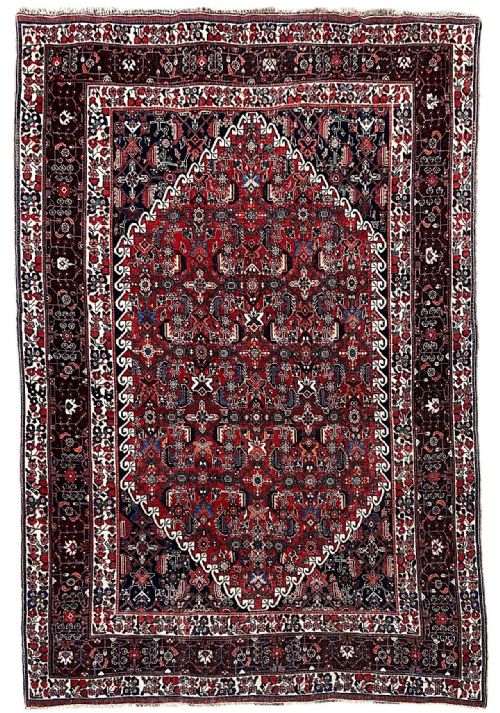
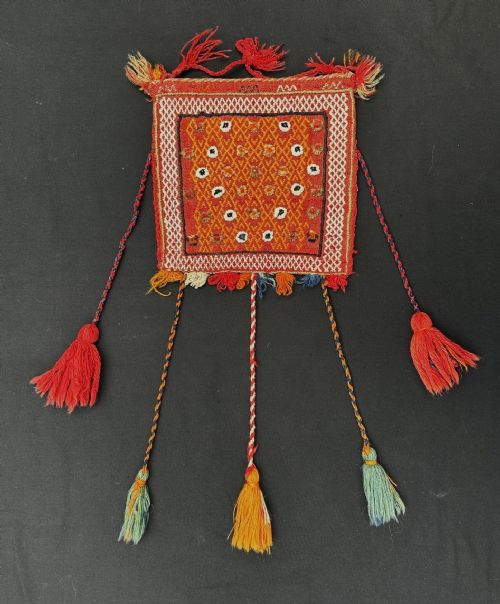
A handwoven qashqai rug originates from the nomadic and village confederacies of the Fars province in south-west Persia, encompassing various tribal and subgroup weaves. When exploring this selection, buyers encounter floor coverings that range from full-piled carpets and village rugs to flat-woven kilims, saddlebag faces, salt-bags, and vanity-bags.
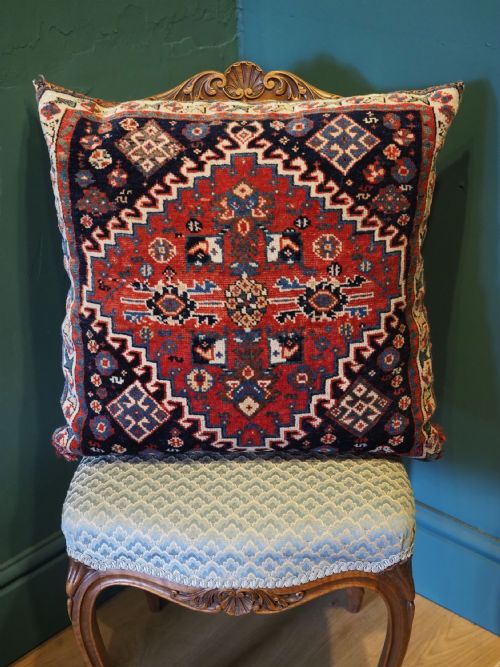
The pieces available span from the late nineteenth century through to the early decades of the twentieth century, reflecting traditional tribal aesthetics. Alongside standard rugs, one finds specialised textiles such as horse blankets and cushions produced by specific subtribes like the Kashkuli, Bolvardi, Shekarlu, and Darrehshuri.
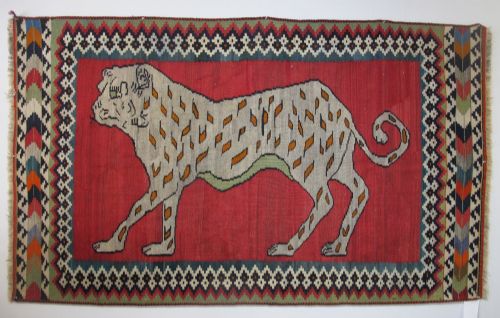
The aesthetic vocabulary frequently includes South Persian tribal and Luri influences, incorporating lion motifs, tree of life designs, banded patterns, and compartment layouts. These items serve as functional floor textiles and portable works of nomadic art that demonstrate a deep connection to regional weaving heritage.
How they were made
The creation of these textiles relies principally on wool and hand-spun wool, often combined with cotton foundations depending on the specific piece and period. Weavers utilise natural dyes to achieve deep, saturated tones across both pile and flat-woven structures.
Nomadic and village women construct the rugs using traditional upright or horizontal looms, applying tight knotting techniques for piled surfaces and slit-tapestry weaves for kilims. The choice of materials ensures durability, while the organic dye processes yield variations in hue that develop character over decades.
Several bags feature compartments originally designed to hold salt or cosmetics while traversing the rugged mountains of south-west Persia.
What varies in quality
The quality of a weave depends significantly on the fineness of the knotting, the precision of the geometric or floral layout, and the handled suppleness of the wool. Tighter structures and finely spun materials produce greater durability and sharper definition in complex tribal medallions.
Colour saturation and the complexity of natural dye palettes also distinguish finer examples, where subtle tonal shifts enhance the visual depth. Additionally, the integrity of the original borders, complete edges, and minimal pile loss elevate the standing of an antique piece.
The Handwoven Qashqai Rug Glossary
- Kilim
- A flat-woven textile produced without a pile, featuring sharp geometric patterns created by interlocking horizontal and vertical threads.
- Gabbeh
- A coarse, thick-piled rug traditionally woven by nomadic groups with open fields of colour and minimal geometric decoration.
- Saddlebag
- A utilitarian double-sided pouch used for transport by nomads, where individual faces are frequently preserved and collected as small rugs.
- Kelleh
- A long, narrow carpet format traditionally suited for specific room proportions in Persian domestic spaces.
- Natural Dyes
- Colourants derived from plant and mineral sources that produce rich, evolving patinas over time.
Handwoven Qashqai Rug: Frequently Asked Questions
What is a qashqai rug?
A qashqai rug is a hand-knotted or flat-woven textile made by nomadic and village tribes in the Fars province of south-west Persia. These pieces are celebrated for their distinctive geometric patterns, tribal iconography, and use of wool.
Weavers from confederacies such as the Kashkuli and Darrehshuri created these items for practical daily use, incorporating motifs like lions, trees of life, and compartmentalised designs.
How do I care for an antique rug?
Caring for an antique wool textile involves gentle, regular vacuuming without a beating brush bar to protect the pile and foundation. Keeping the piece out of direct, harsh sunlight prevents the natural dyes from fading prematurely.
Professional cleaning tailored for antique carpets ensures that the hand-spun wool and organic dyes remain stable. Rotating the rug periodically also promotes even wear across high-traffic areas.
Are these rugs made with natural dyes?
Many older nomadic and village carpets utilise organic colourants derived from plants, roots, and minerals found in the region. These natural dyes interact with the wool over time to develop a characteristic warmth and depth.
Subtle variations in colour within the field often indicate the use of traditional dyeing batches handled by individual tribal weavers.
How are kilims different from piled rugs?
Kilims are flat-woven textiles constructed by interlocking weft threads through the warp, resulting in a thin, flexible fabric without a raised pile. Piled rugs feature knotted vertical strands that create a dense, plush surface.
Both forms utilise similar wool materials and tribal motifs, but their physical structure and weight differ entirely.