

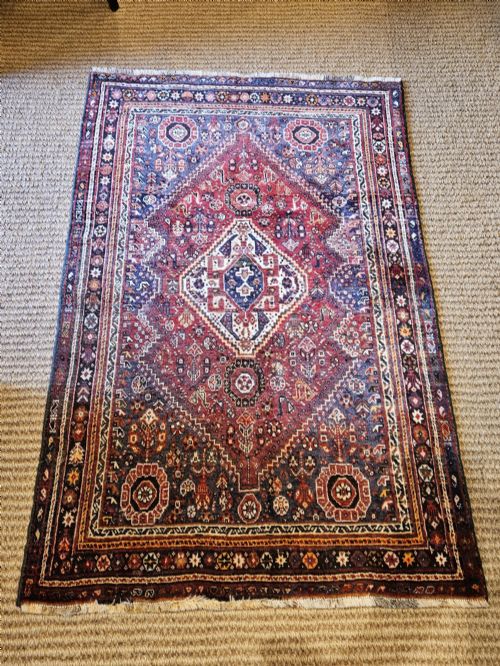
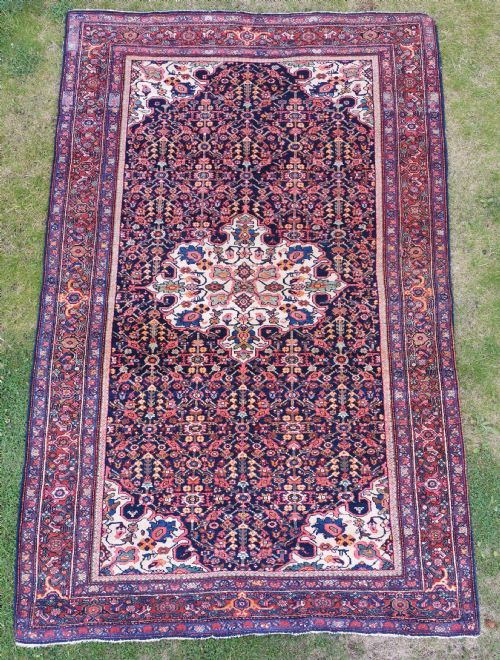
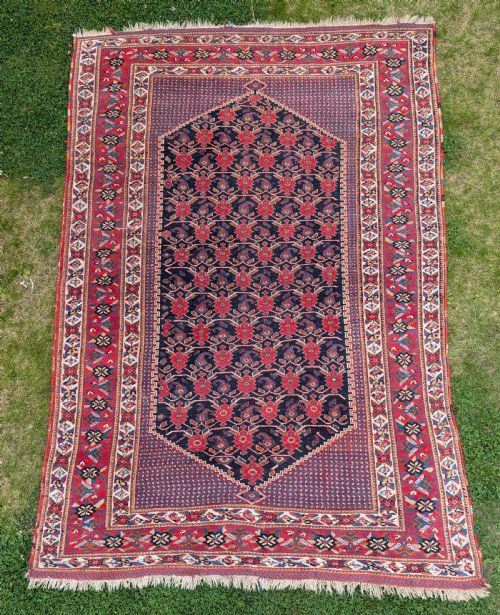
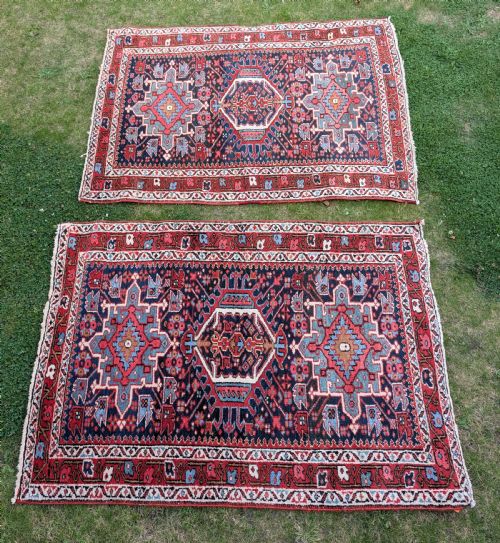
Handwoven Persian Carpet
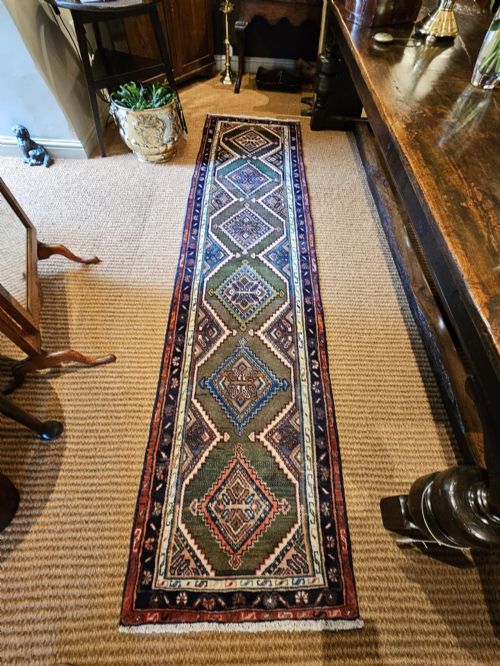
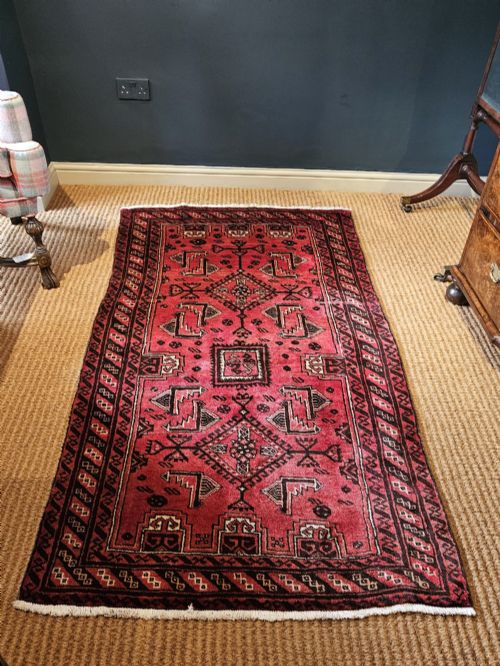
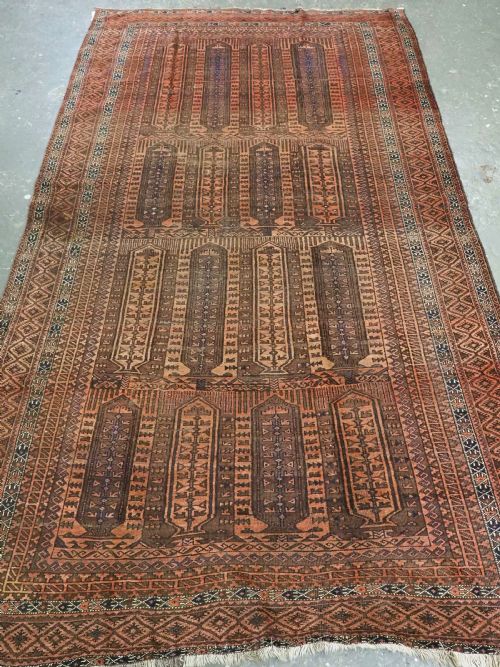
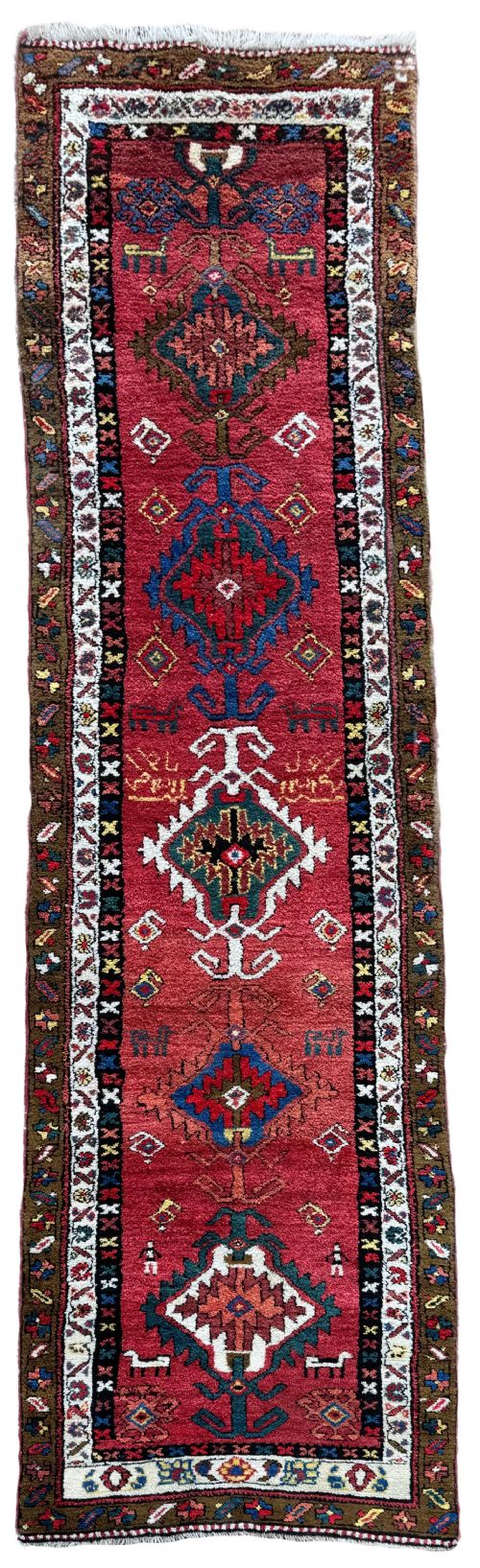
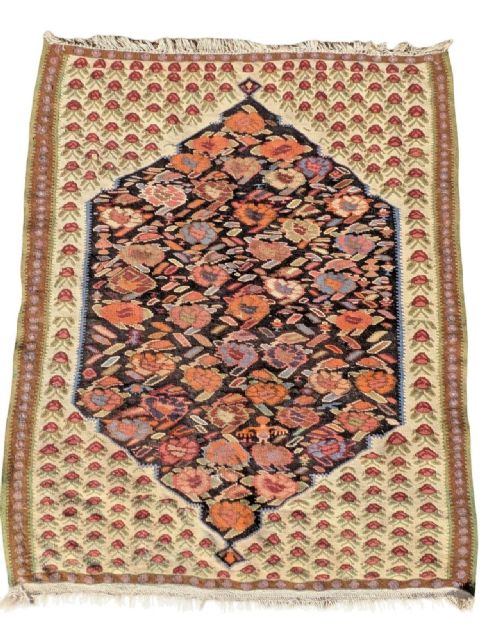
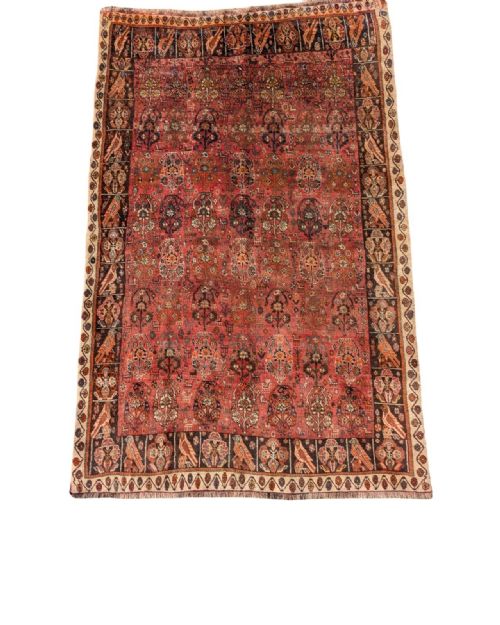
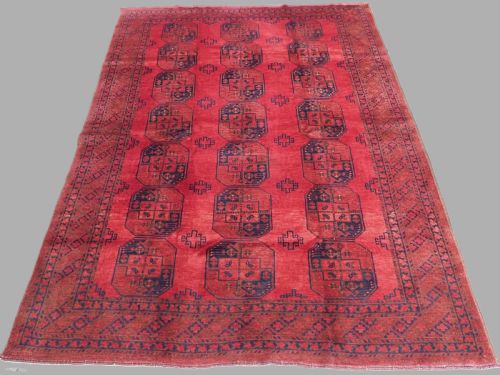
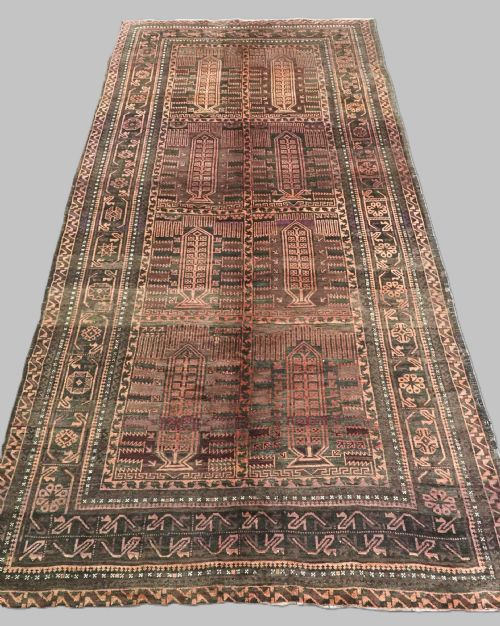
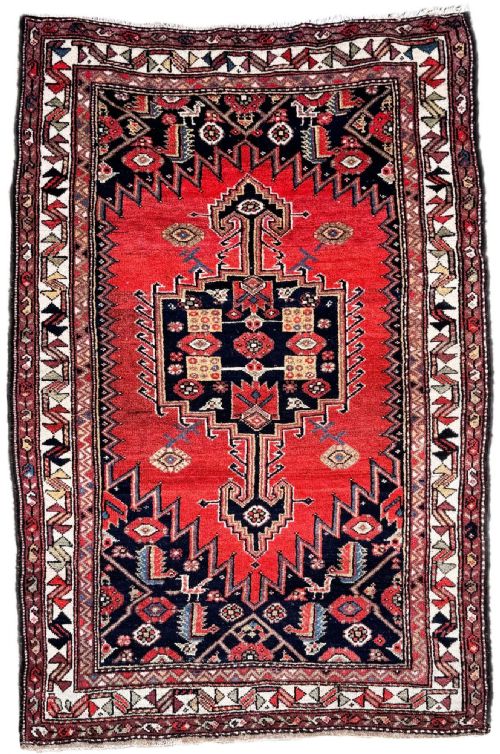
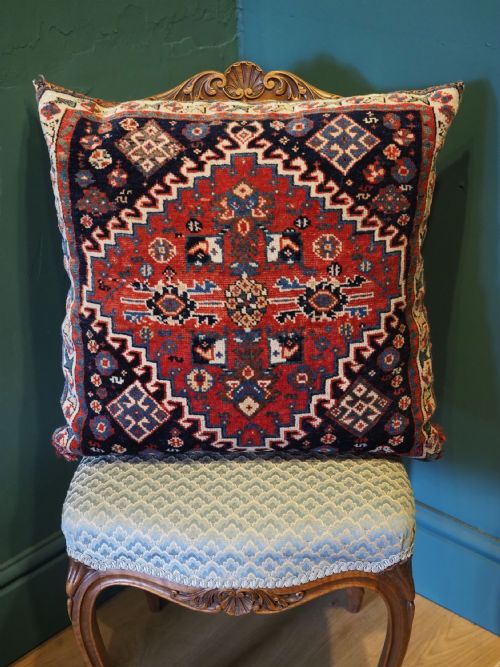
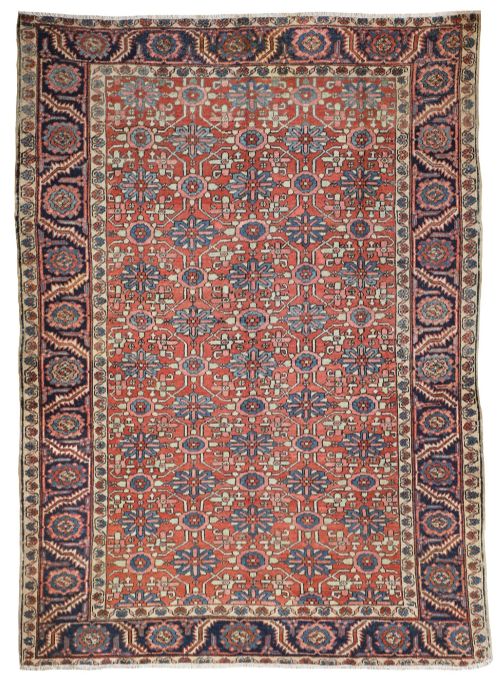
These handwoven persian carpet pieces are dense wool and cotton floor coverings carrying tribal and regional designs from the early twentieth century.
Handwoven Persian Carpet
A handwoven persian carpet brings regional village and tribal artistry directly to the floor through traditional knotted pile and flatweave constructions. When you search for this phrase, you meet early twentieth century examples originating from specific weaving centres like Malayer, Karaja, Mahal, and Varamin.
The selection here encompasses room sized carpets alongside smaller area rugs and nomadic tribal formats. Pieces attributed to Qashqai, Afshar, and Bakhtiari makers sit alongside town and village productions from Hamadan and Senneh.
Most pieces date from the nineteen hundreds through to the nineteen twenties, representing a period of traditional natural dyeing and village loom work. Buyers encounter both thick pile rugs and banded kilim flatweaves across these historic origins.
How they were made
These textiles are built upon sturdy cotton or wool foundations, utilising handspun wool for the visible pile and flatwoven surfaces. Artisans knotted or wove the fibres tightly by hand on upright vertical looms.
The construction relies on natural materials where wool provides the durable surface texture and cotton forms the hidden warp and weft threads. Village weavers employed traditional geometric and floral motifs specific to their region.
Handwoven Persian Carpet Retail Price Guide 2026
Typical asking prices for handwoven persian carpet among the pieces listed under this phrase on Sellingantiques today, from the lower quarter to the upper quarter. They describe what is for sale here now, not the wider market.
What varies in quality
Knot density and structural tightness dictate the crispness of the design work and the longevity of the pile. Finer village productions and older nomadic pieces display greater precision in their geometric or floral patterning.
The integrity of the foundation threads and the uniformity of the handspun wool determine the overall resilience of the textile. Subtle variations in regional dyeing and wool grade set individual examples apart.
The Handwoven Persian Carpet Glossary
- Kilim
- A flatwoven carpet or rug produced without a pile, featuring sharp geometric patterns created by interlocking weft threads. These textiles are lighter than knotted rugs and function well as decorative wall hangings or floor coverings.
- Pile
- The upright yarn surface of a carpet formed by individual knots tied onto the foundation warp threads. The length and density of this wool layer determine the physical weight and plushness of the piece.
- Warp
- The vertical stationary threads stretched taut on the loom before weaving begins, carrying the structural weight of the carpet. Cotton is frequently utilised for these foundational strands.
- Weft
- The horizontal threads passed alternately over and under the warp threads to bind the knots and secure the structure. Together with the warp, they form the hidden grid of the textile.
- Tribal
- A descriptive term for rugs woven by nomadic or semi-nomadic groups outside formal city workshops, often featuring memory-based geometric designs. These pieces reflect the specific heritage of makers like the Qashqai and Afshar.
Handwoven Persian Carpet: Frequently Asked Questions
How do I clean an antique carpet?
Surface dust should be gently removed using suction without a rotating brush roll.
Professional specialist washing is required for deeper cleaning to protect the natural wool and cotton fibres.
Can these rugs go in high traffic areas?
Durable wool construction allows these textiles to handle everyday movement in domestic spaces.
Placing a quality underlay beneath the carpet prevents sliding and reduces friction against hard flooring.
What is the difference between a kilim and a rug?
Kilims are flatwoven without any raised pile, resulting in a thinner and lighter textile.
Traditional rugs feature knotted wool pile that creates a textured and plush surface underfoot.
How do I identify a tribal design?
Tribal patterns rely on geometric medallions, repeating hooked motifs, and stylized animal or plant forms.
These designs come from memory rather than drawn cartoons, showing slight irregularities that indicate nomadic village production.