

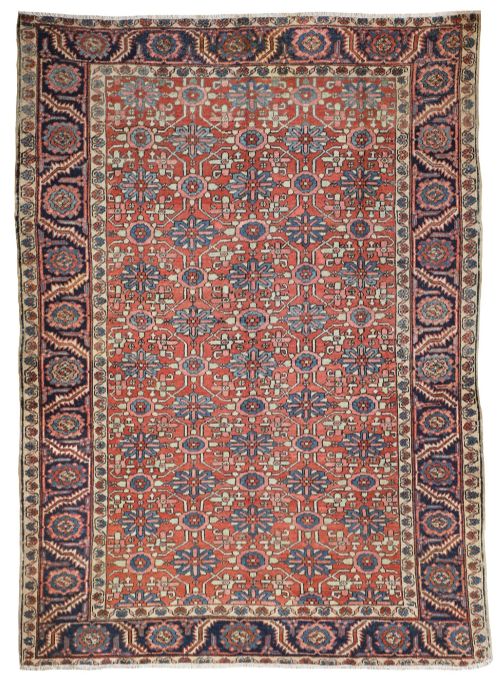
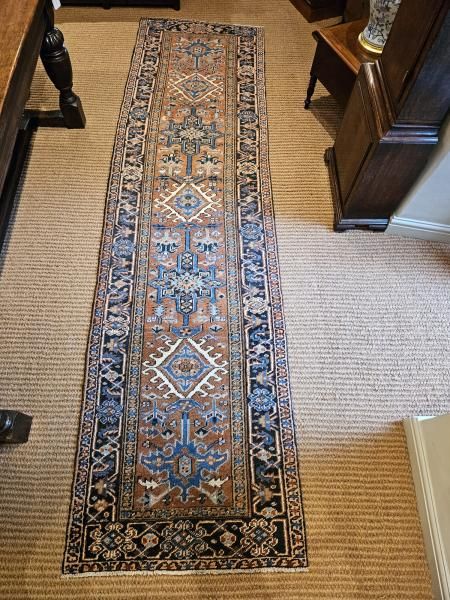
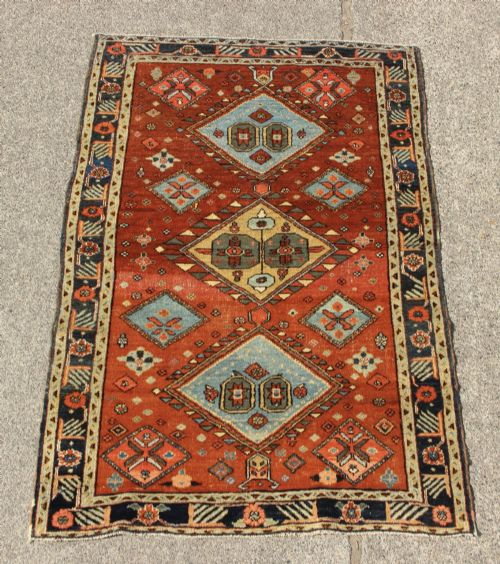
Handwoven Geometric Carpet
A handwoven geometric carpet brings warmth and structure to a room through traditional regional patterns.
Handwoven Geometric Carpet
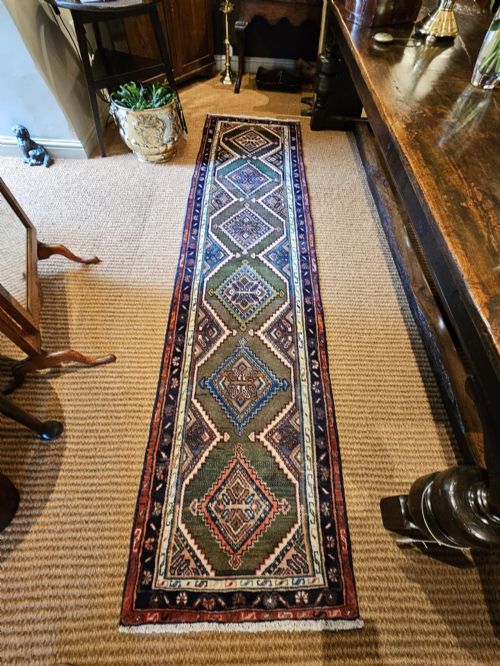
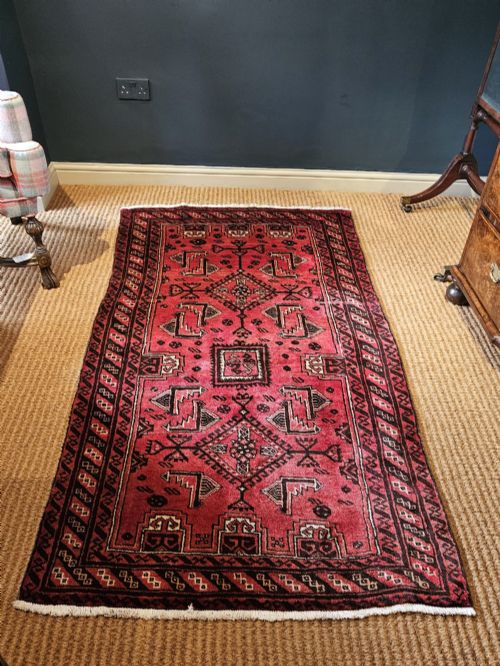
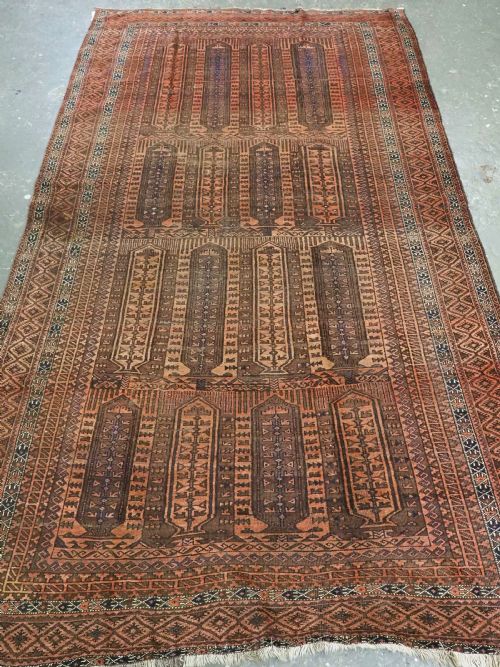
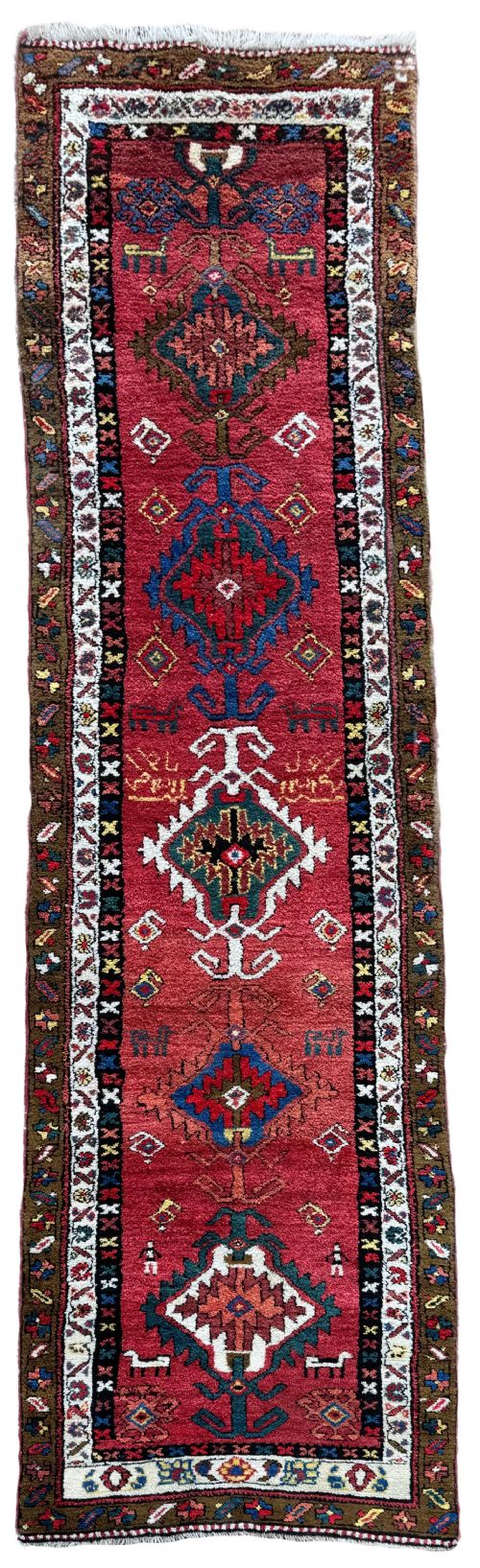
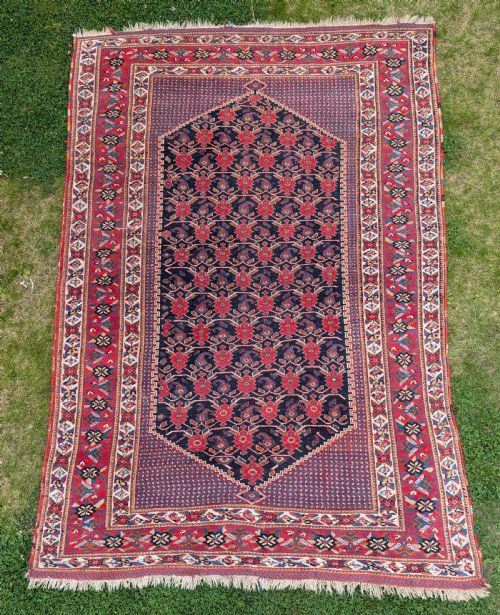
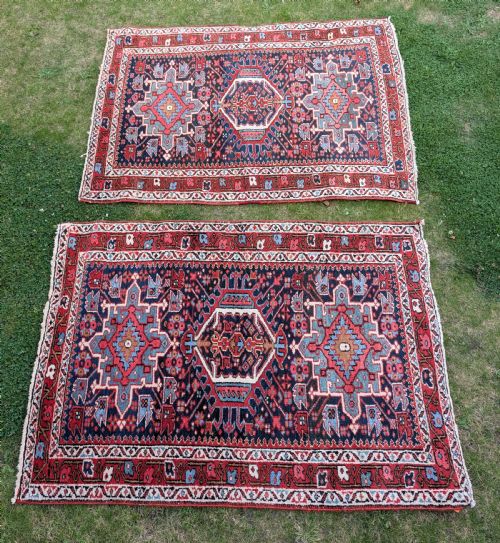
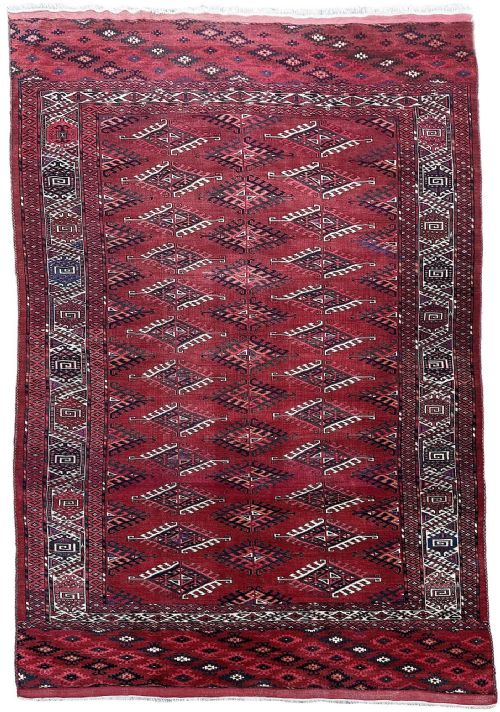
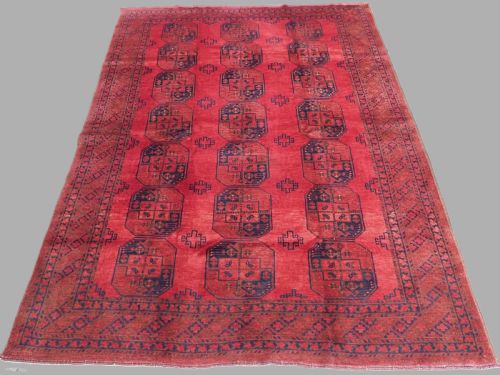
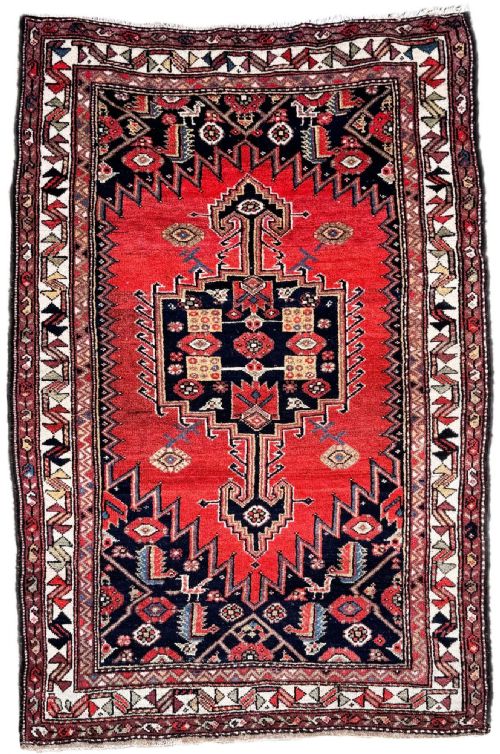
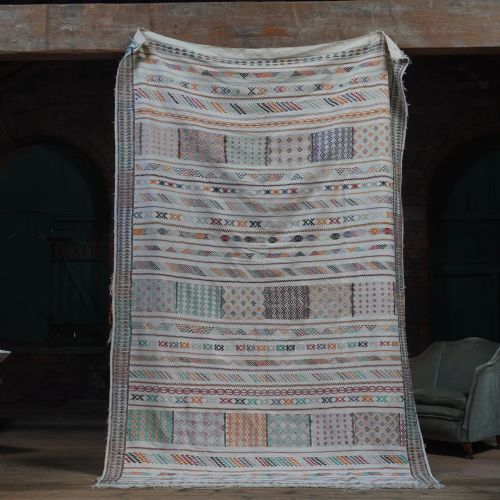
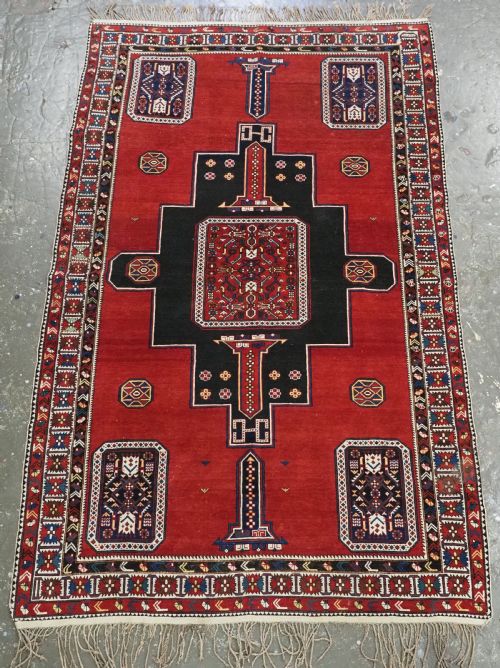
When you examine a handwoven geometric carpet, you are looking at floor coverings produced by tribal and village weavers across Persia, the Caucasus, and Central Asia during the late nineteenth and early twentieth centuries. These pieces feature rectilinear motifs, medallions, and repeat patterns that reflect the specific cultural traditions of their makers. On this page, you will most frequently meet room-sized carpets, runners, and smaller rugs originating from regions such as Heriz, Afghanistan, and various Caucasian districts.
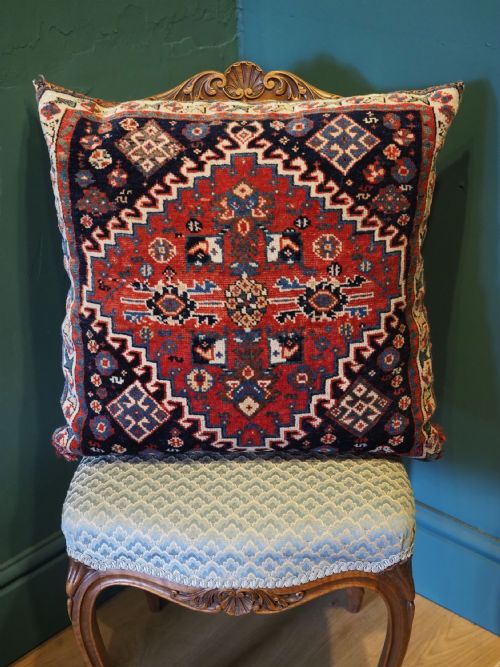
The materials found in these textiles typically rely on traditional resources available to the weavers, predominantly wool and cotton. Many examples showcase natural dyes that yield rich, deep tones which soften gracefully over decades of use. You will also encounter specialised items such as cushions, saddle bags, and prayer rugs created using the same knotting and flatweaving techniques as larger floor carpets.
How they were made
The construction of a handwoven geometric carpet relies on hand-spun wool for the pile, set against sturdy cotton or wool foundations. Weavers tied individual knots or employed flatweave techniques by hand, building patterns thread by thread without the aid of modern mechanical looms.
Colour comes from natural dyes extracted from plants and minerals, applied to the wool before the weaving process begins. This traditional method of dyeing creates the subtle variations in tone often visible across the surface of older carpets.
What varies in quality
Quality in a handwoven geometric carpet rests primarily on the tightness of the weave and the precision of the tribal design. Finer knot counts allow for sharper definition within medallions and borders, marking the distinction between standard village production and exceptional workshop pieces.
The condition of the wool pile and the integrity of the foundation heavily influence the overall standard of a textile. Pieces that retain their original borders and uniform pile depth demonstrate greater structural resilience over time.
The Handwoven Geometric Carpet Glossary
- Medallion
- A central ornamental motif set in the middle of the carpet field. This design element draws the eye and often anchors the surrounding geometric patterns.
- Runner
- A long, narrow carpet format suited for hallways and corridors. These pieces share the same weaving techniques and motifs as larger room carpets.
- Prayer rug
- A small rug featuring a niche or arch design at one end, traditionally used for individual prayer. The layout points toward Mecca during use.
- Natural dye
- Colour derived from plant, root, or insect sources rather than synthetic chemicals. These dyes produce complex hues that weather gradually over time.
- Pile
- The cut or uncut surface yarn of the carpet that forms the soft upper layer. The density of this wool layer determines the weight and resilience of the textile.
Handwoven Geometric Carpet: Frequently Asked Questions
How do I clean a wool carpet?
Regular gentle vacuuming without a rotating brush helps remove surface dust and grit from the wool pile. Professional cleaning is recommended for deep maintenance to protect the natural dyes and foundation.
Water and harsh chemical detergents should be avoided to prevent dye bleeding or shrinkage in older textiles.
Where were these carpets made?
These carpets originate from regions including Persia, the Caucasus, and Turkmenistan, produced by various tribal groups and village communities. Each area developed distinct geometric vocabularies and colour palettes.
Local traditions and available materials directly influenced the specific designs woven into each piece.
Are these pieces truly antique?
The pieces listed date from the late nineteenth century through the early decades of the twentieth century. Dating is determined by stylistic conventions, material analysis, and construction methods characteristic of those periods.
Hand-spun wool and natural dye usage are strong indicators of age prior to the widespread introduction of synthetic materials.
How do I choose the right size?
Carpet size depends on the intended room and furniture placement, with runners suiting narrow spaces and larger carpets anchoring living areas. Measuring the floor space carefully ensures the piece leaves adequate border margins around the room edges.
Smaller formats like mats and cushions work well for accent placement or seating areas.