



Multicoloured Wool Rug
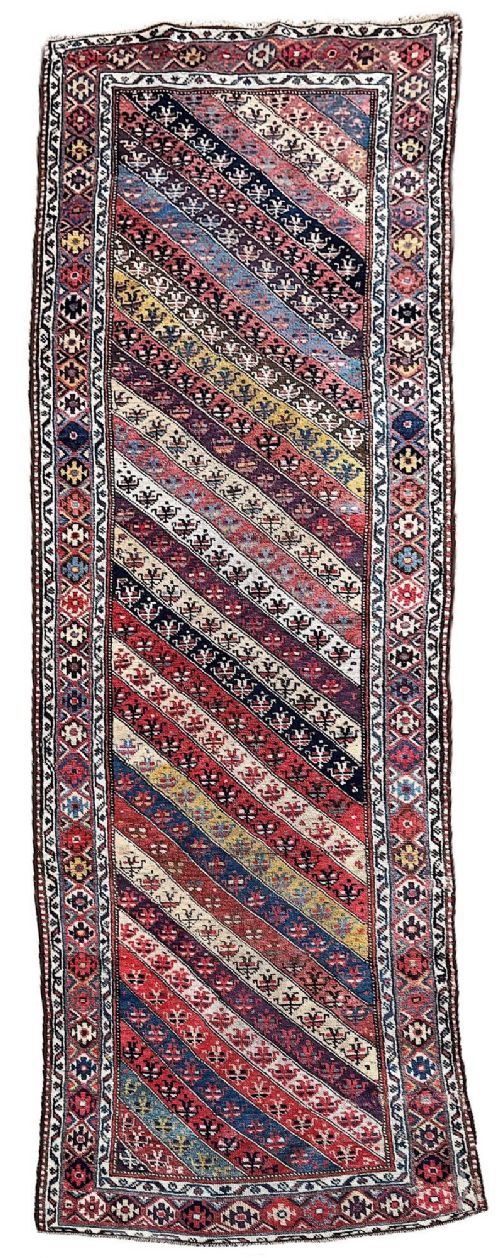
A multicoloured wool rug brings texture and rich palettes from tribal weaving traditions directly into domestic spaces.
Multicoloured Wool Rug
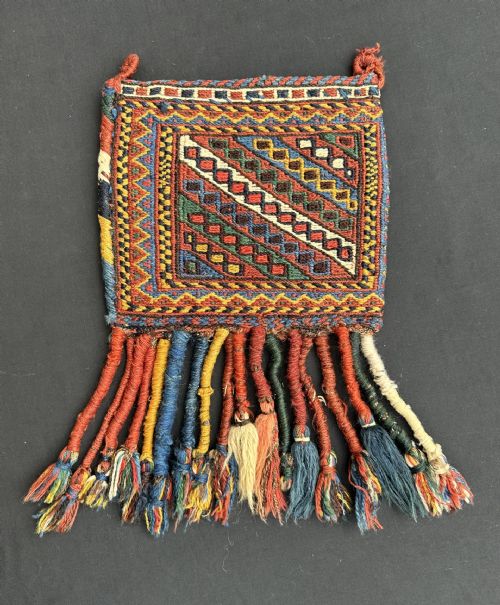
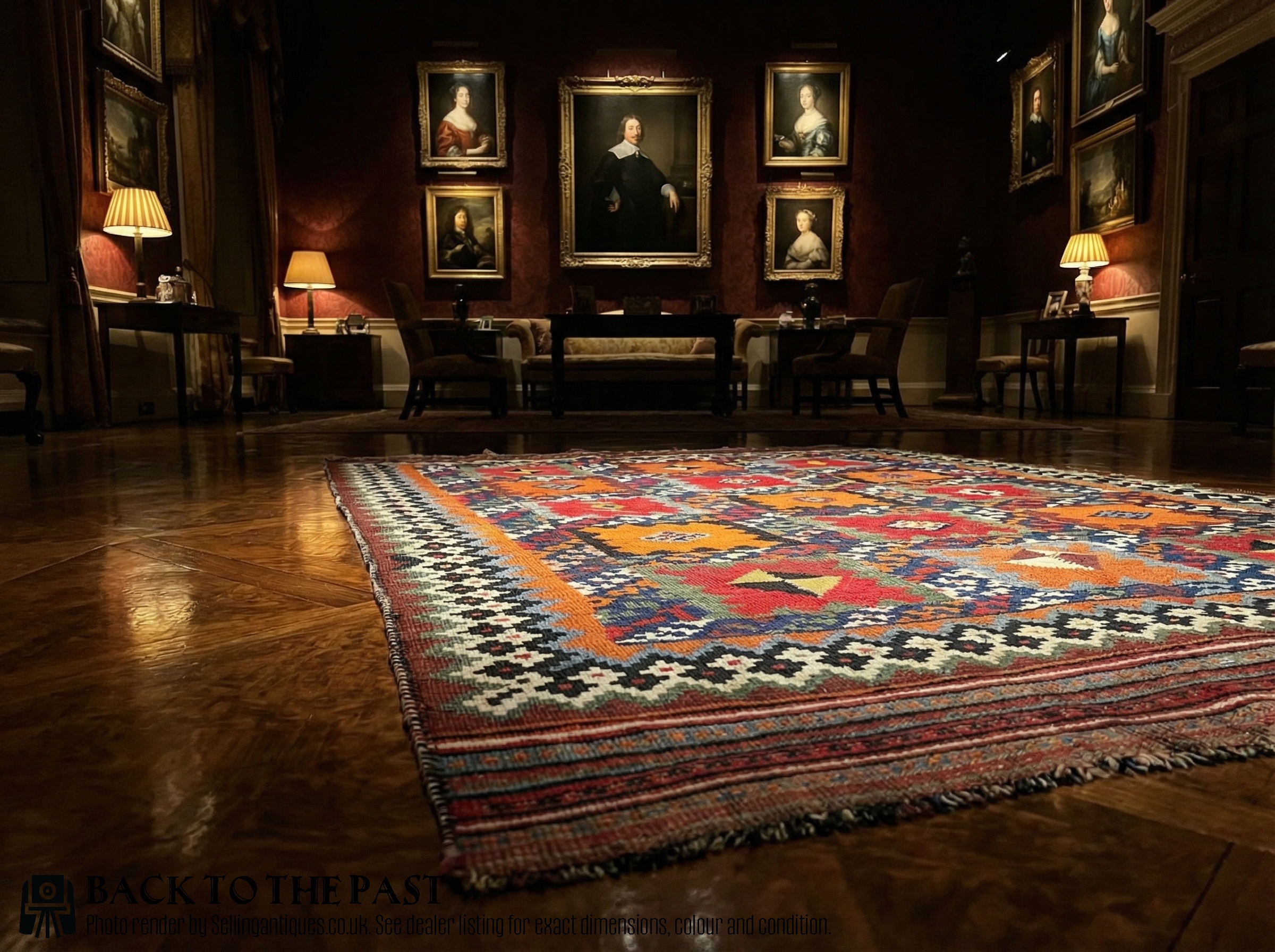
A multicoloured wool rug encompasses various tribal and village textiles originating from regions such as Persia, the Caucasus, Anatolia, and Central Asia. Buyers encountering this selection will discover formats ranging from room-sized carpets and runners to smaller utility bags, flatweave kilims, and cushions.
The inventory spans diverse cultural traditions, including pieces attributed to Afshar, Qashqai, Lakai Uzbek, and Kurdish weavers. These works reflect regional designs, specific weaving techniques, and historical domestic uses ranging from floor coverings to animal trappings and storage compartments.
Production dates across the selection predominantly centre on the late nineteenth and early twentieth centuries. Pieces bridge functional nomadic objects and decorative floor coverings suited to modern interiors.
Materials and construction
Construction relies heavily on wool, hand-spun wool, and cotton foundations, often complemented by silk or linen details and natural dyes. Weavers utilised techniques such as piled knotting and flatweaving to create durable textiles designed for daily nomadic or village life.
Materials like cowrie shells appear in specific textile contexts alongside embroidered elements on items such as Suzani kilims and storage bags. The interplay of hand-spun fibres and traditional dye sources creates the characteristic varied surface texture and coloration seen across the pieces.
Listings feature wool, cotton, and silk textiles originating from the Caucasus, Anatolia, Persia, and Central Asia between eighteen-fifty and nineteen-thirty.
Distinctions in craftsmanship
Quality separates along the precision of the weave, the handling of the wool, and the complexity of the design layout. Finer examples display tighter knotting or precise flatweave structures that retain their structural integrity over decades of use.
The depth and harmony of the palette influence the standing of a textile, particularly where natural dyes have matured gracefully. Superior execution is visible in the balance of tribal motifs and the crispness of geometric or figurative details.
The Multicoloured Wool Rug Glossary
- Kilim
- A flatwoven carpet or rug produced without a pile. These textiles rely on tightly packed horizontal weft threads pulled closely over vertical warp threads.
- Gabbeh
- A coarsely knotted, thick pile rug traditionally woven by Qashqai or Luri nomads. They feature minimal, highly stylised geometric motifs and broad expanses of colour.
- Torba
- A small storage bag produced by nomadic groups in Central Asia. These items were hung inside tents to hold household goods.
- Mafrash
- A large, rectangular storage container or bedding bag constructed in panels. Weaver groups assembled these sturdy containers for use during seasonal migrations.
- Boteh
- A stylised almond or paisley motif representing a floral spray or cypress tree. This ancient design appears frequently across Caucasian and Persian weaving.
Multicoloured Wool Rug: Frequently Asked Questions
What is a tribal rug?
A tribal rug is a textile woven by nomadic or village communities for personal utility, trade, or dowry purposes. These pieces utilise traditional regional motifs passed down through generations.
They distinguish themselves from urban workshop carpets through their spontaneous design variations and local materials.
How were flatweave kilims used?
Flatweave kilims served versatile roles within nomadic and village dwellings as floor coverings, blankets, and wall hangings. Their lightweight structure made them easy to transport during seasonal migrations.
Today, their thin profile suits placement under furniture and in high-traffic hallways.
How do I care for a wool rug?
Wool rugs require regular, gentle vacuuming without a rotating brush roll to protect the pile and flatweave edges. Professional cleaning tailored to antique textiles preserves the natural lanolin in the fibres.
Keeping the rug out of direct, harsh sunlight prevents the natural dyes from fading prematurely over time.
How do I identify Caucasian rugs?
Caucasian rugs typically feature bold geometric medallions, stark primary colours, and angular borders. These characteristics set them apart from the more curvilinear floral designs found in Persian city carpets.
Weaving structures often incorporate specific wool qualities and symmetrical knotting techniques native to the Caucasus region.