
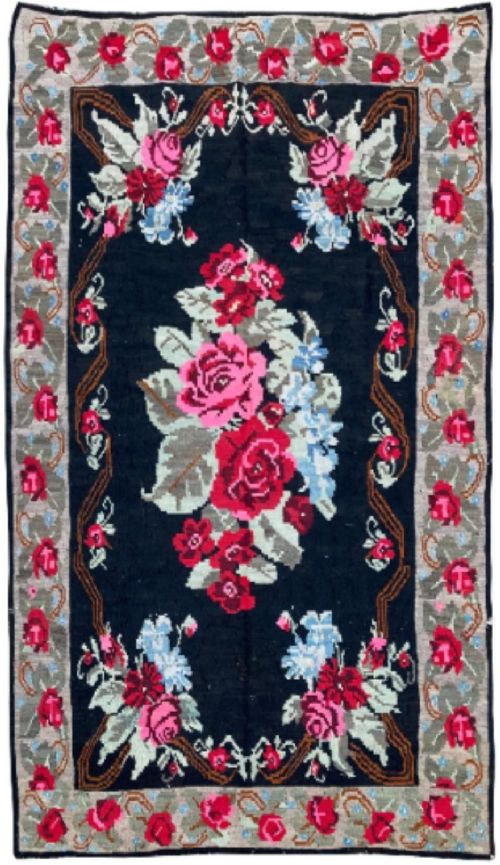
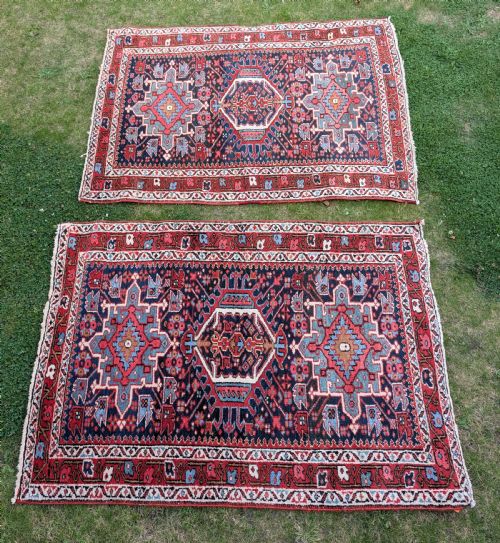
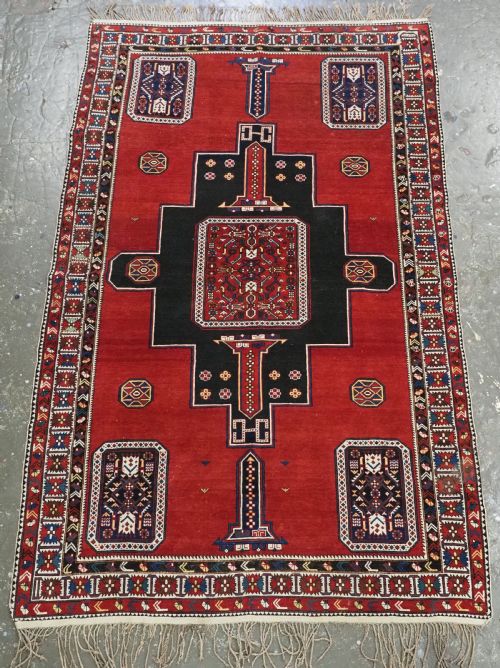
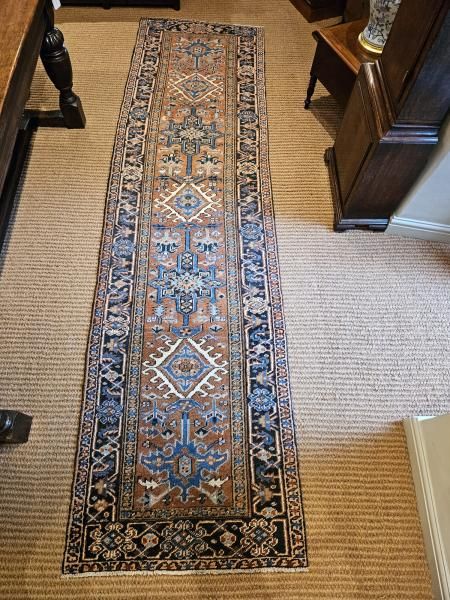
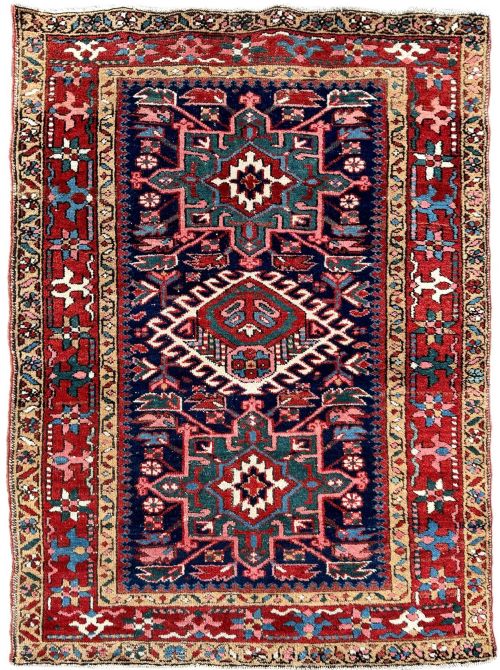
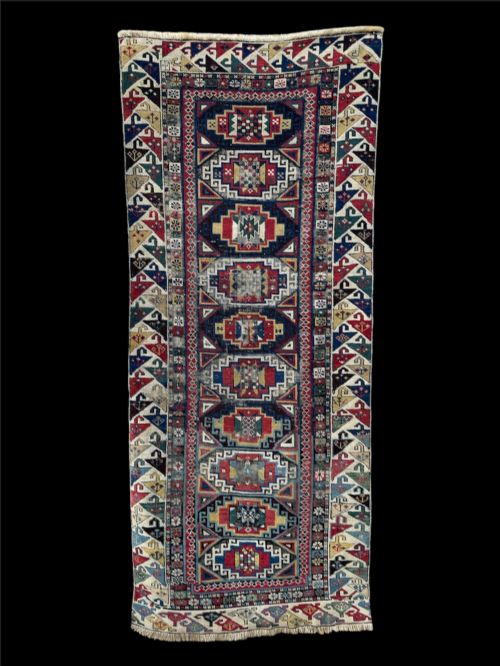
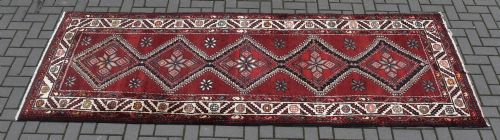


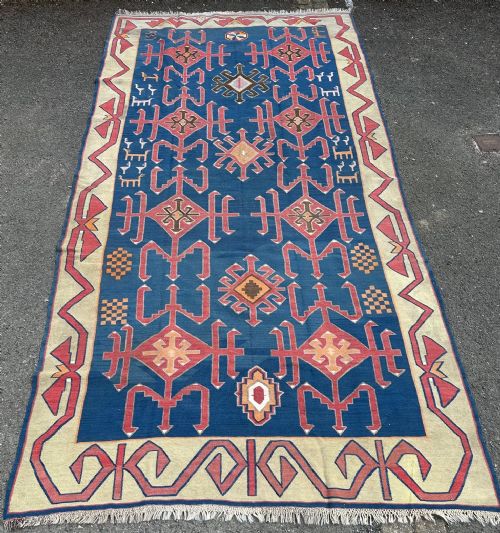


Handwoven Caucasian Carpet
When you search for a handwoven caucasian carpet, you step into a dense world of tribal geometry, rich wool and regional village weaving.
Handwoven Caucasian Carpet
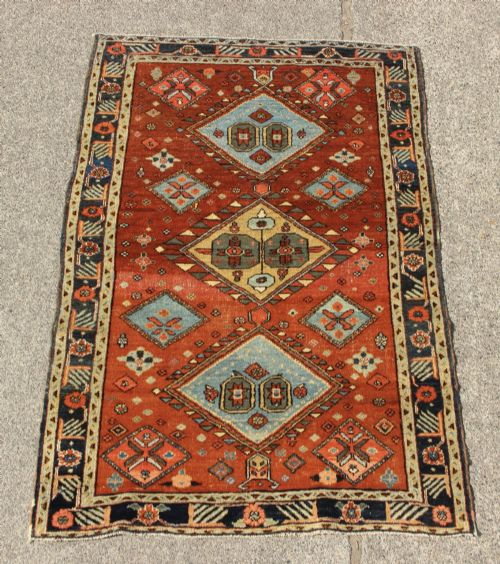
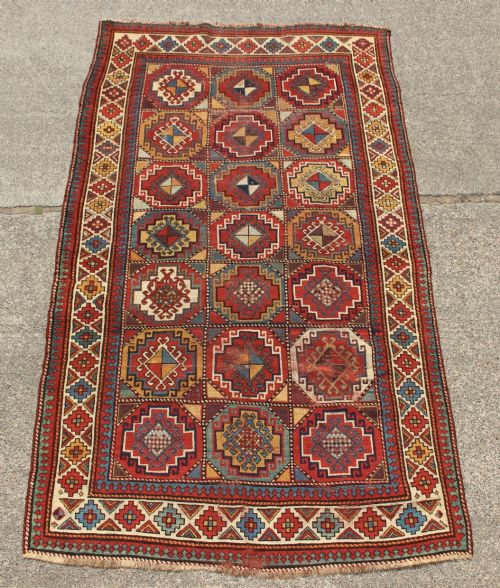
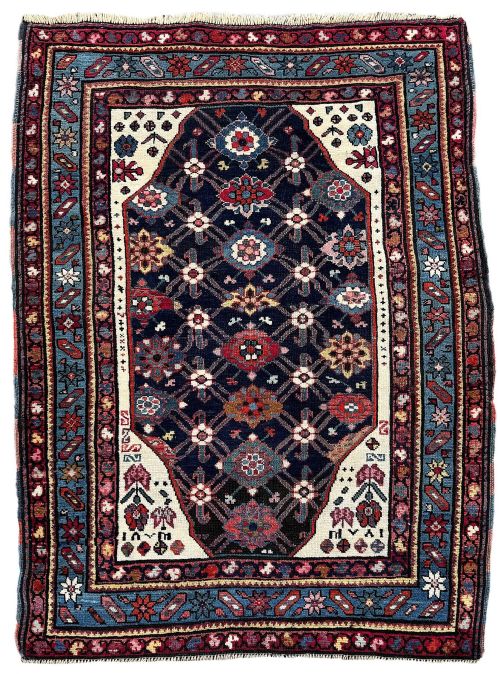
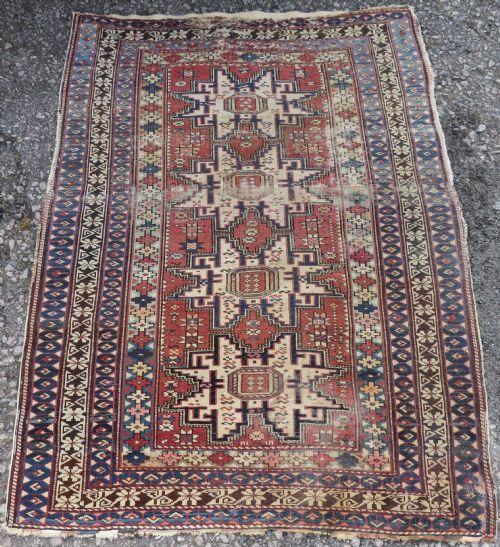
A handwoven caucasian carpet brings together centuries of village and nomadic weaving traditions originating from the Caucasus region. These textiles span various formats, from corridor runners and area rugs to flat-weave kilims and prayer rugs.
Most examples you encounter on this page date from the nineteenth century up through the early decades of the twentieth century. They often bear the distinct tribal traits of specific groups and districts, including Kazak, Shirvan, Gendje, Karabagh, Kuba, and Daghestan.
The aesthetic ranges from bold geometric medallions and animal motifs to banded kilim designs and intricate prayer formats. Buyers typically seek these pieces for their enduring tribal character, rich colour palettes, and historical depth.
How they were made
The foundation of a handwoven caucasian carpet relies on hand-spun wool and cotton, providing a sturdy and flexible base for the dense pile or flat-weave structure. Weavers utilised natural dyes to achieve deep reds, blues, yellows, and earthy tones that age gracefully over time.
Techniques varied between knotted-pile construction, seen in classic Kazak and Shirvan rugs, and flat-weaving methods used for kilims and soumak carpets. This combination of materials and regional looping methods resulted in textiles built to withstand heavy daily use.
The listings here span carpets and rugs created across the nineteenth and early twentieth centuries, using wool and natural dyes.
What varies in quality
Quality in these carpets rests primarily on the integrity of the wool, the precision of the tribal design, and the vibrancy of the natural dyes. Superior pieces demonstrate exceptional fineness in the weave and a clear, balanced layout of regional motifs.
The handling of colour transitions and the preservation of original borders and ends also distinguish finer examples from standard village production. Condition plays a role, though even distressed pieces retain merit if the underlying structure and design remain intact.
The Handwoven Caucasian Carpet Glossary
- Kazak
- A style of rug produced by various tribal groups in the central and western Caucasus, known for bold geometric designs and saturated primary colours.
- Kilim
- A flat-woven carpet or rug made without a pile, created by tightly interlocking warp and weft threads to form geometric patterns.
- Soumak
- A flat-weave technique involving a wrapping process that creates a sturdy fabric with a textured, ribbed face on the front and loose threads on the back.
- Medallion
- A central ornamental design motif placed in the field of a carpet, frequently taking a geometric, diamond, or cruciform shape in regional Caucasian weaving.
- Prayer rug
- A small rug featuring a mihrab or arch design at one end, traditionally used by Muslims for daily prayers and orientated towards Mecca during use.
Handwoven Caucasian Carpet: Frequently Asked Questions
How were these carpets traditionally used?
Nomadic and village weavers used these textiles primarily as floor coverings, bedding, blankets, or saddle bags within domestic tents and homes.
Over time, many of these utilitarian items transitioned into decorative furnishings for Western drawing rooms and studies.
How do I care for a antique rug?
Protect your textile by placing it in a low-traffic area away from direct sunlight, which can fade natural dyes over time.
Vacuum gently without a rotating brush roll and consult a specialist in antique textiles for professional cleaning.
How do I tell regional styles apart?
Regional styles usually declare themselves through specific geometric motifs, border arrangements, and typical colour palettes associated with weaving towns like Shirvan or Kuba.
Kazak rugs tend to feature larger, bolder medallions, whereas Daghestan and Shirvan pieces often display finer, more intricate geometric scaling.
Are flat-weaves different from piled rugs?
Flat-weaves such as kilims and soumaks are constructed without a raised pile, relying entirely on the interweaving of warp and weft threads.
This makes them lighter and thinner than piled carpets, which feature dense knotted wool standing upright from the foundation.