

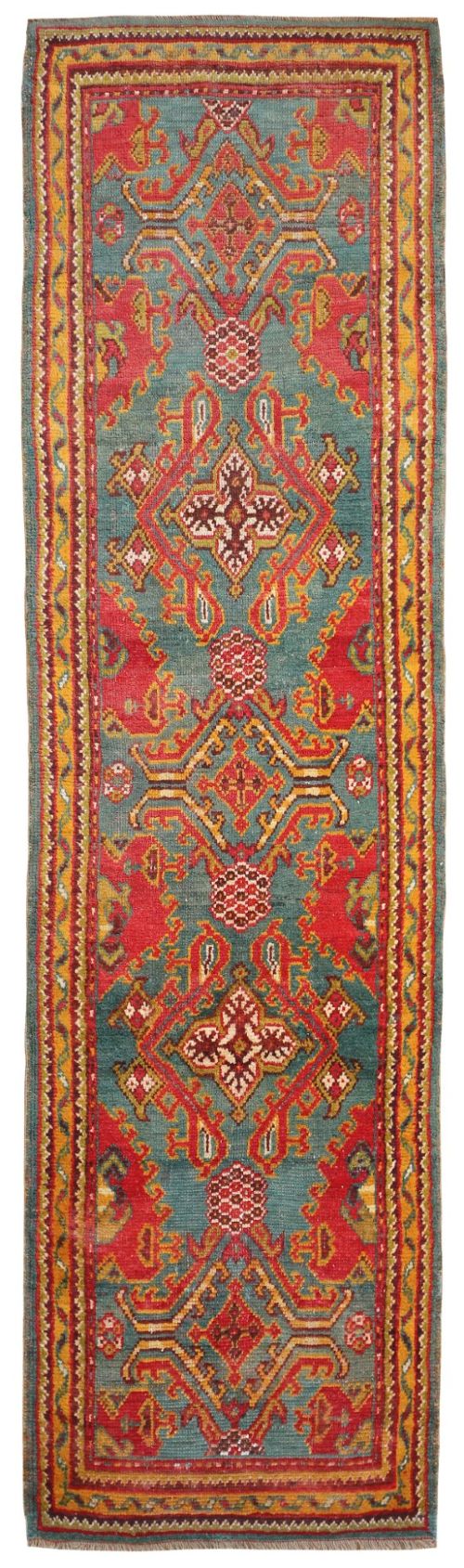
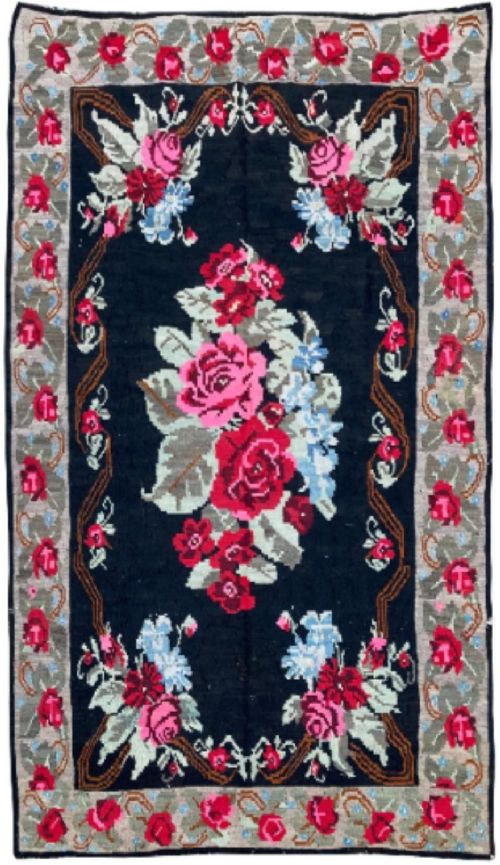
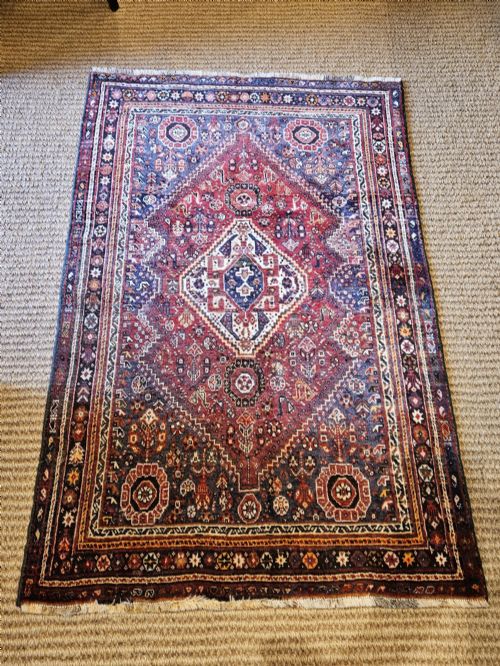
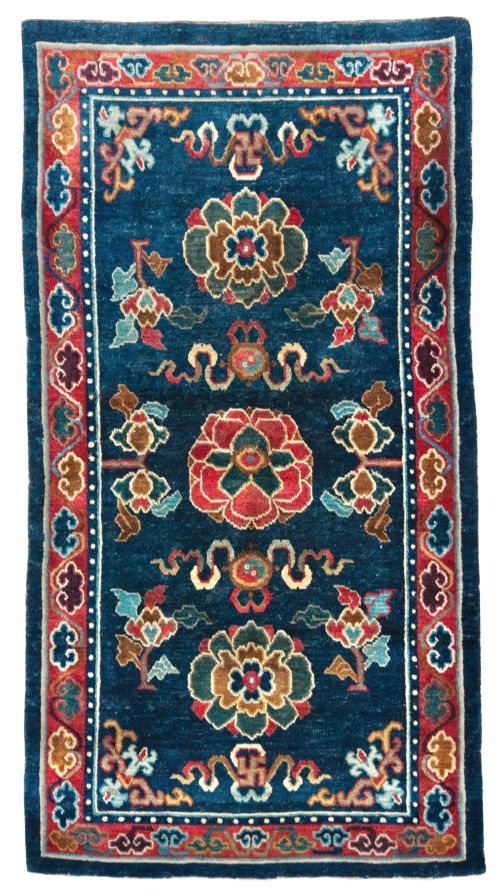

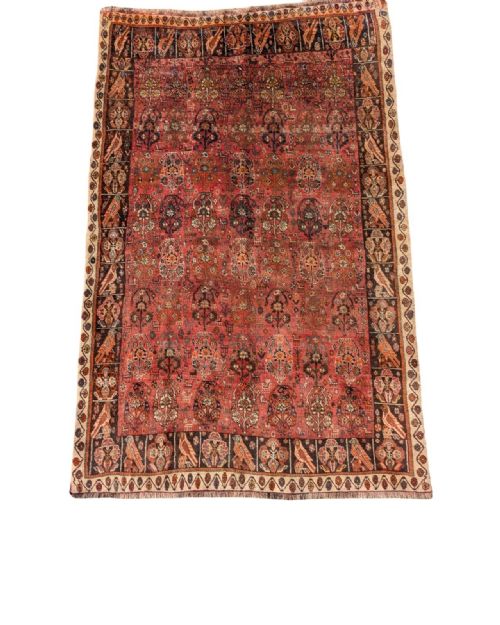
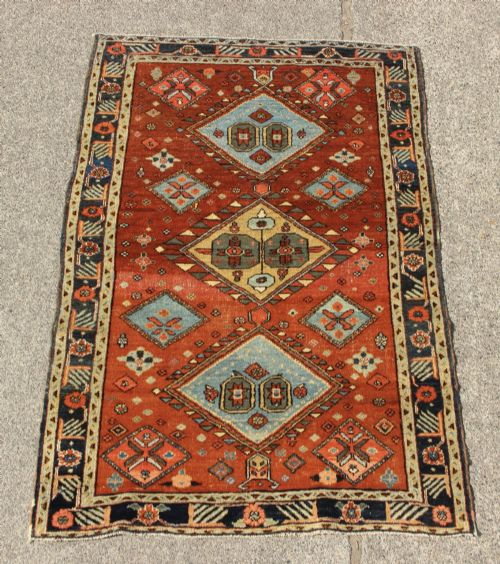
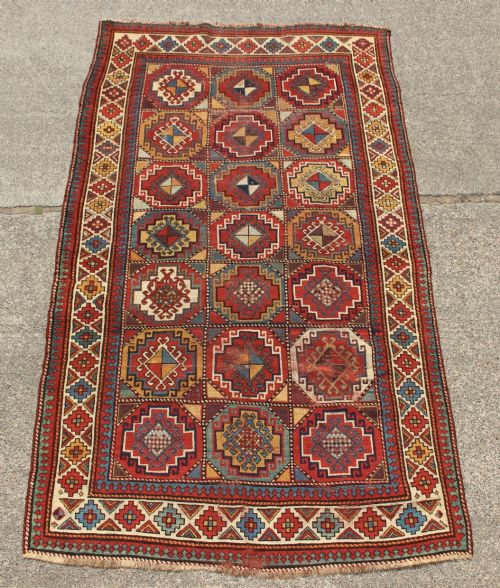
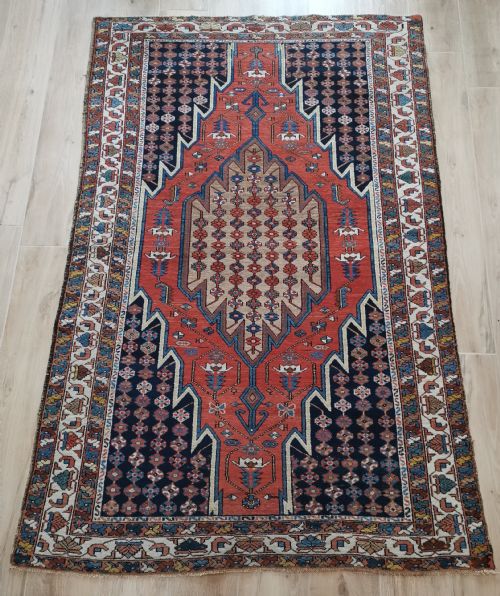
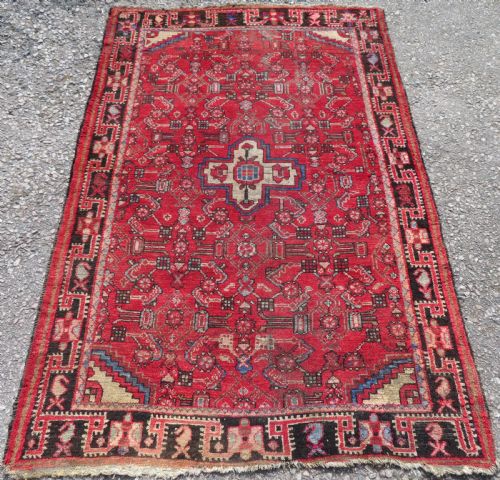
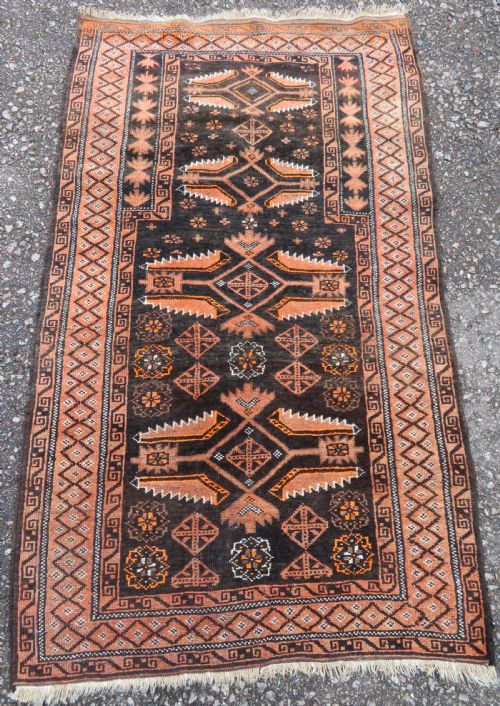
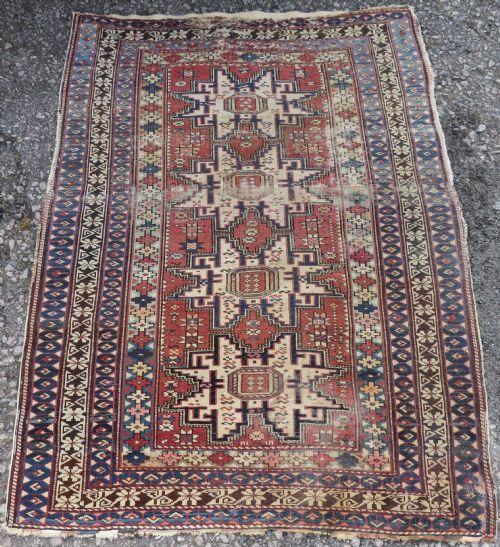
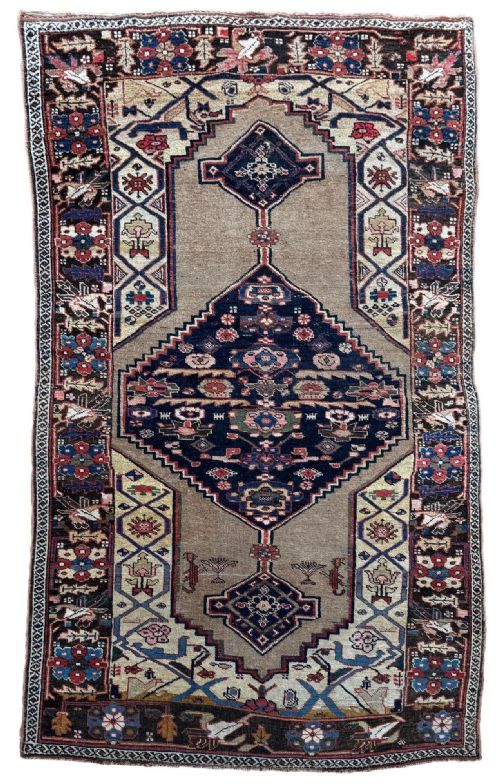
Handwoven Area Runner
A handwoven area runner brings tactile warmth and enduring regional patterns to a hallway or narrow space.
Handwoven Area Runner
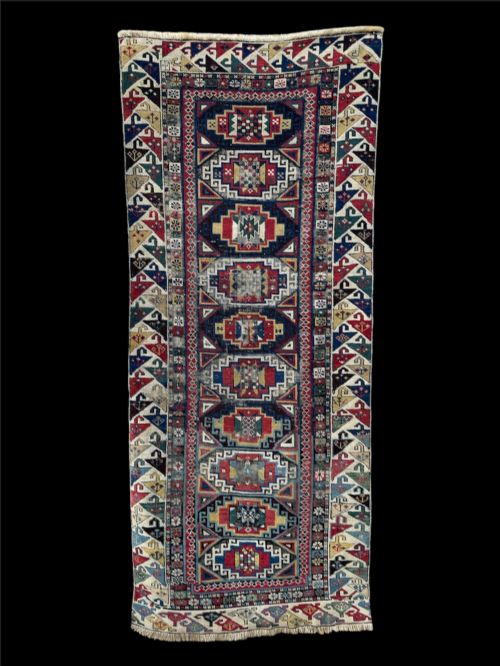
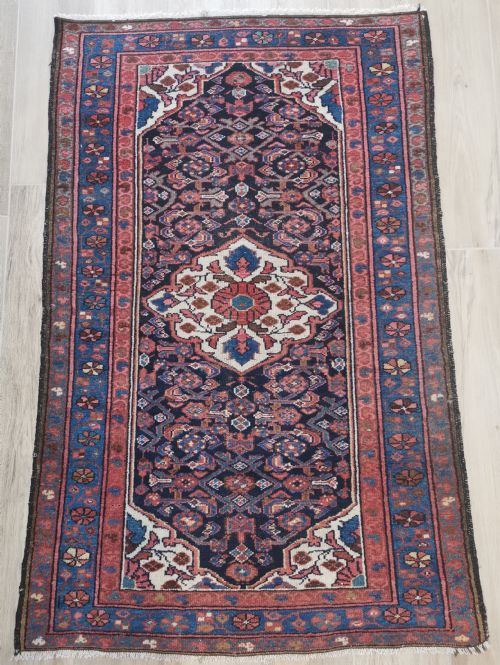
A handwoven area runner is a long, narrow textile traditionally produced by tribal and village weavers across Persia, the Caucasus, and Anatolia. These pieces served practical domestic purposes while displaying distinct regional iconography passed down through generations.
The selection here includes antique and vintage examples originating from the late nineteenth century through to the 1930s. Buyers frequently encounter traditional runner formats alongside long village carpets and flat-woven kilims.
Origin points span specific weaving centres such as Ushak, Bidjar, Heriz, and Shirvan. Each tradition yields distinct geometric medallions, floral motifs, or rectilinear border arrangements.
Materials and Construction
Construction relies primarily on wool, cotton, hand-spun wool, Tibetan wool, and occasionally goat hair. Wool typically forms the pile and warp threads due to its resilience, while cotton frequently provides a stable foundation in many Persian and Turkish workshops.
Weavers utilised upright looms, tying hand-spun fibres knot by knot or interweaving weft threads to create flat-woven kilims. Natural dyestuffs produced the rich reds, blues, and earth tones seen across Caucasian, Kurdish, and Afshar examples.
Listings feature pieces spanning the 1870s to the 1930s, utilising wool, cotton, hand-spun wool, Tibetan wool, and goat hair.
Evaluating Quality and Execution
Quality rests in the density of the weave and the precision of the knotting or flat-weaving technique. Tighter foundations ensure greater durability under foot traffic, while finer wool selection imparts a softer handle and clearer definition to the geometric or floral patterns.
The integrity of the original borders and the consistency of the natural dye palette also distinguish exceptional examples. Pieces retaining their full length and uncompromised selvedges demonstrate superior preservation from their respective periods.
The Handwoven Area Runner Glossary
- Kilim
- A flat-woven carpet or rug produced without a pile by tightly interweaving warp and weft strands. This technique creates a lightweight, reversible textile with sharp geometric patterns.
- Runner
- A long, narrow carpet format designed specifically for corridors, hallways, and staircases. It guides movement through domestic spaces while protecting wooden floors.
- Warp
- The vertical threads stretched tightly on a loom before weaving begins. These foundational cords support the entire structure of knotted and flat-woven textiles.
- Weft
- The horizontal threads passed alternately over and under the warp fibres during construction. They bind the knots securely in place row by row.
- Prayer rug
- A small textile featuring a central niche or mihrab design indicating the direction of prayer. Weavers across Anatolia and Persia produced these devotional formats for personal use.
Handwoven Area Runner: Frequently Asked Questions
How do I clean an antique runner?
Gentle surface brushing and professional specialist washing help preserve delicate wool pile and natural dyes.
Avoid harsh chemical treatments and excessive water immersion to maintain the structural integrity of older fibres.
Where should I place a runner?
These narrow textiles suit hallways, corridors, entryways, and beside beds where floor space is limited.
Their elongated format draws the eye along narrow architectural pathways while adding warmth underfoot.
How do I identify a tribal rug?
Tribal pieces display asymmetrical geometric motifs, bold amulets, and distinctive borders originating from nomadic or village traditions.
Weavers often relied on memory rather than formal cartoons, resulting in charming irregularities within the designs.
What is the difference between a kilim and a piled rug?
Kilims are flat-woven without a raised pile, offering a lighter weight and reversible surface.
Piled rugs incorporate knotted wool or cotton fibres that stand upright, providing a thicker cushion and deeper texture.