




Vintage Oushak Runner
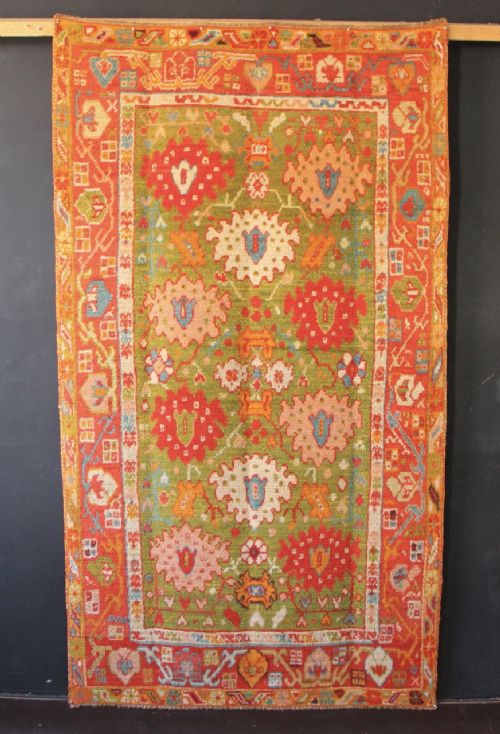
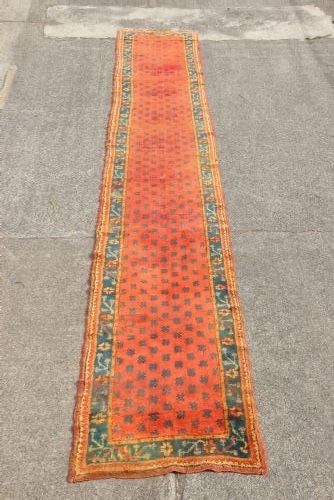
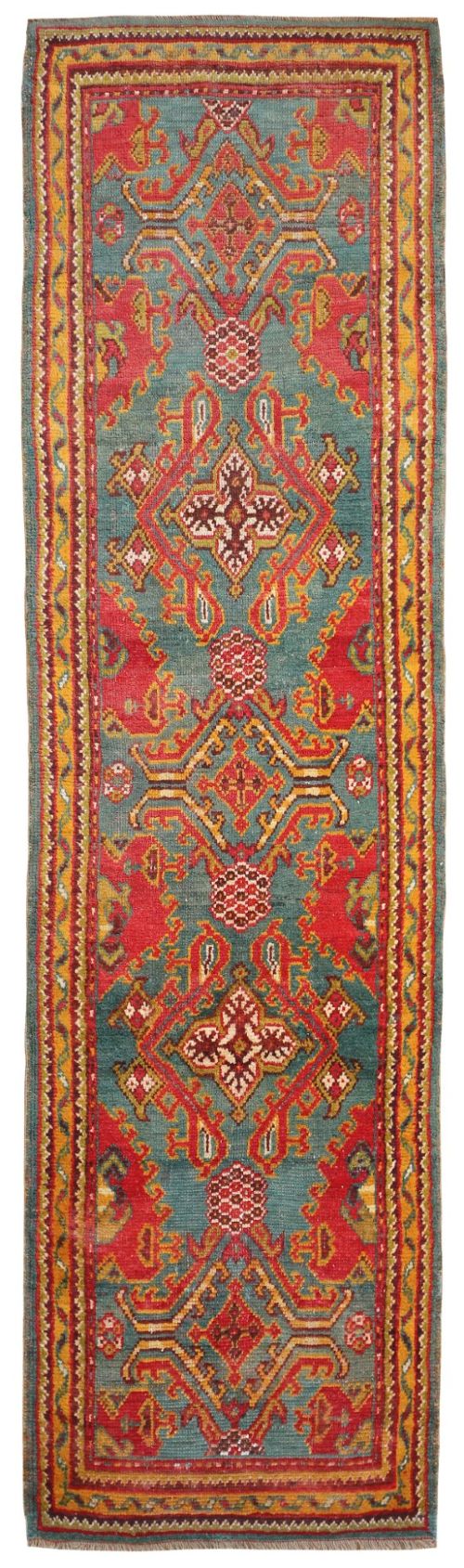
These vintage oushak runner pieces bring soft floral patterns and muted tones to narrow hallways.
Vintage Oushak Runner
A vintage oushak runner is a long, narrow floor covering originating from Anatolia, designed specifically to fit corridors and passageways. These pieces belong primarily to the late Victorian era up through the early twentieth century, spanning from the eighteen-eighties to nineteen-twenty.
The format appears under various descriptions, including rug runners, traditional turkish styles, and kilim weaves. They combine ottoman influences with faded palettes that suit both modern and historic interiors.
How they were made
Weavers constructed these carpets using wool and cotton foundations, occasionally incorporating angora wool for a softer pile. Hand knotted techniques dominate the construction, ensuring flexibility and durability along lengthy corridors.
The colour palette relies on natural vegetable dyes that age gracefully, producing muted beige and traditional tones across the surface over decades of use.
Vintage Oushak Runner Retail Price Guide 2026
Typical asking prices for vintage oushak runner among the pieces listed under this phrase on Sellingantiques today, from the lower quarter to the upper quarter. They describe what is for sale here now, not the wider market.
Materials recorded in this group include wool, cotton, and angora wool across pieces dated from eighteen eighty to nineteen twenty.
What varies in quality
Quality rests in the precision of the hand knotted pile and the integrity of the wool foundation. Finer examples maintain structural density along long narrow edges without distortion.
The nuance of the dye work and the clarity of the traditional anatolian design separate standard room coverings from finer historic specimens.
The Vintage Oushak Runner Glossary
- Oushak
- A traditional weaving style originating from western Anatolia known for soft wools and large scale floral motifs. These carpets often display muted palettes.
- Kilim
- A flat weave textile produced without a pile. These pieces offer a lighter weight alternative to knotted carpets.
- Angora wool
- A soft fibre harvested from angora goats or rabbits, utilised in select weaves for added texture. It yields a distinctive handle.
- Hand knotted
- A technique where individual yarn loops are tied to warp threads by hand. This method defines traditional carpet making across the region.
Vintage Oushak Runner: Frequently Asked Questions
Where should I put a runner?
These long formats suit hallways, corridors, and narrow passageways where standard area rugs fail to fit. They soften timber floors while protecting high traffic walkways.
The elongated proportions also function well beside beds or within galley kitchens, adding warmth beneathfoot in restricted spaces.
How do I date an oushak runner?
Dating relies on structural evidence, dye characteristics, and design motifs typical of the late nineteenth and early twentieth centuries. Victorian era pieces often show specific wear patterns and softer wool qualities.
Comparison with documented examples from nineteen hundred to nineteen twenty helps narrow the period of origin.
Are these runners hand knotted?
Traditional examples of this type are hand knotted using wool and cotton materials. This construction method provides the flexibility needed for long narrow formats.
Craftsmen tied individual knots by hand over foundational warps, creating durable textiles designed for daily use.
What is an angora oushak?
An angora oushak incorporates specialised angora wool into the pile, altering the texture of the surface. This material choice yields a softer handle compared to standard wool carpets.
Such pieces date back to the late nineteenth century and offer a distinct tactile quality within the traditional anatolian tradition.