


Handwoven Afghan Rug
When you choose a handwoven afghan rug, you select a dense tribal textile shaped by nomadic traditions and enduring village craftsmanship.
Handwoven Afghan Rug
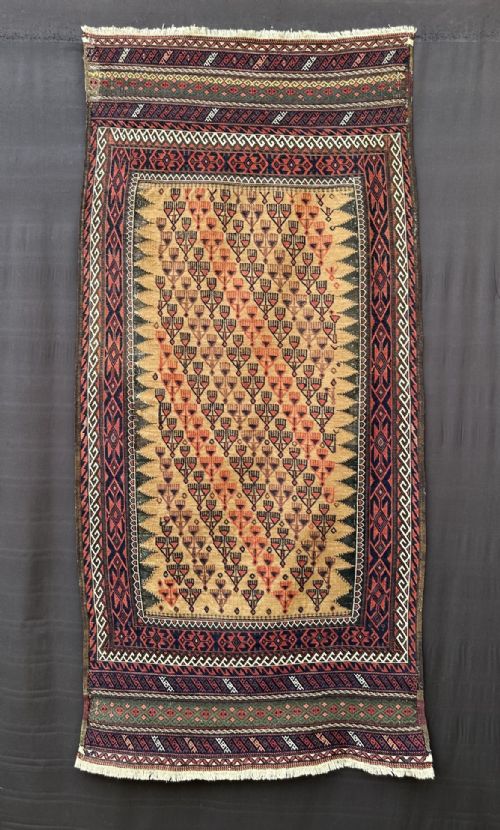
A handwoven afghan rug encompasses floor coverings, runner rugs, and nomadic textiles produced across village and tribal communities from the nineteenth century into the twentieth century. These pieces reflect distinct regional weaving traditions, including Baluch, Timuri, Ersari, and Turkmen tribal groups working near the borders of Persia and Central Asia.
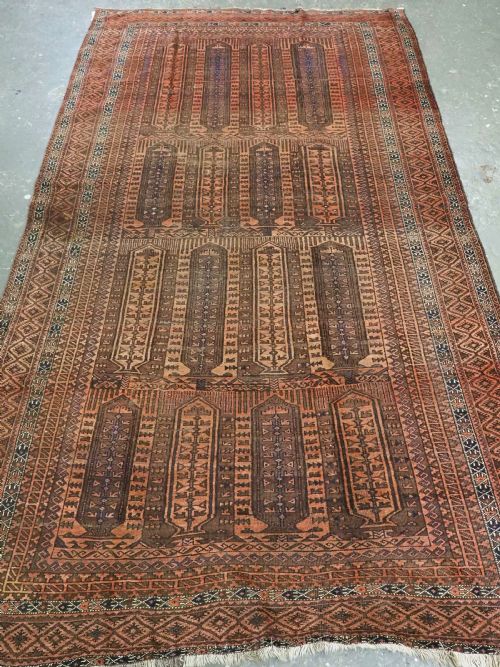
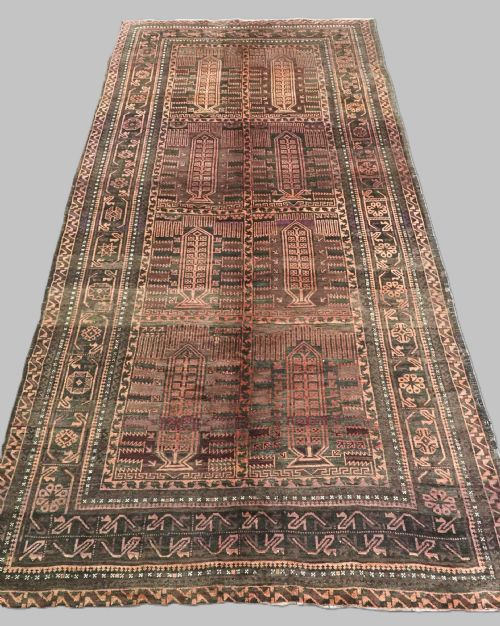
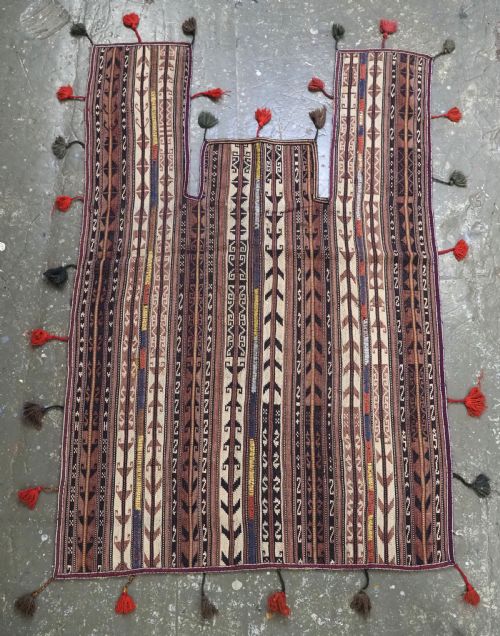
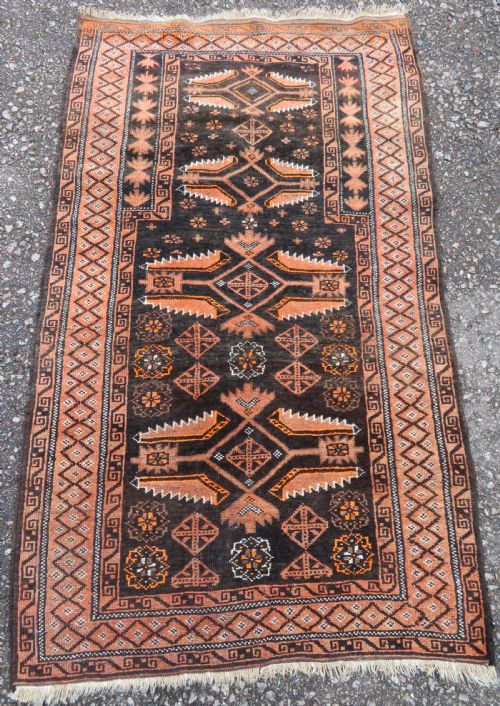
Buyers frequently encounter village prayer rugs, storage bags, and main carpets displaying traditional motifs like the 'seh mihrab' or 'penci box' designs. The selection also includes functional utility pieces such as sofreh eating cloths, kilim ends, and horse blankets woven for daily nomadic life.
Materials and construction
Weavers relied primarily on hand-spun wool, often incorporating camel wool, goat hair, and cotton foundations to build durable pile carpets and flatwoven kilims. Natural dyes supplied the characteristic warm red and deep old gold tones seen across the textiles.
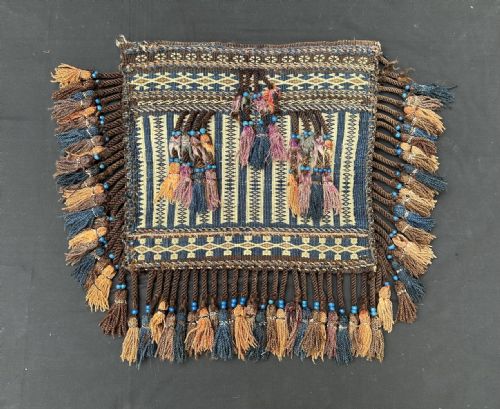
Nomadic workshops utilised techniques ranging from piled knotting to flatweaves with bands of weftwork, occasionally integrating glass beads or embroidered details into ceremonial trappings and tent hangings.
Listings feature pieces spanning the nineteenth century up to the 1930s, utilising wool, cotton, camel hair, and natural dyes.
Quality and execution
Quality in these textiles depends upon the tightness of the weave, the handling of the wool, and the consistency of the natural dyes. Denser knotting and carefully prepared hand-spun wool produce resilient pile structures that endure decades of heavy use.
Artistic execution also separates standard village pieces from finer tribal work, particularly in the precision of geometric layouts, the balance of traditional motifs, and the clarity of secondary colours like deep browns and warm reds.
The Handwoven Afghan Rug Glossary
- Prayer rug
- A small textile featuring a mihrab arch design, traditionally used for daily devotions. These pieces often display specific niche patterns such as the seh mihrab format.
- Sofreh
- A flatwoven textile or eating cloth utilised for dining and food preparation in nomadic households. They frequently display minimalist geometric arrangements.
- Kilim
- A flatwoven carpet or covering produced without pile by tightly interweaving warp and weft threads. They often feature horizontal bands of weftwork and chevron patterns.
- Kapunuk
- A decorative tent hanging or portiere doorway decoration placed inside a nomadic dwelling. These items often display specialised triangular or lobed upper panels.
- Baluch
- A tribal designation for weavers operating across the borderlands of Afghanistan and Persia. Their output includes distinctive prayer rugs, main carpets, and storage bags.
Handwoven Afghan Rug: Frequently Asked Questions
How do I care for my rug?
Vacuum gently without a rotating brush roll to protect the wool pile and avoid pulling at the kilim ends. Keep the textile away from direct sunlight to preserve the natural dyes.
Professional cleaning should be undertaken periodically by a specialist familiar with antique tribal wool. Ensure the rug is placed in a dry environment to prevent moisture accumulation in the goat hair and cotton foundations.
Where were these textiles made?
These pieces originated in various regions of Afghanistan, stretching from northern village workshops to the southern and western borderlands shared with Persia. Nomadic groups such as the Timuri, Ersari, and Baluch tribes produced them for both domestic utility and ceremonial use.
Village weavers in these areas developed distinct local variations in colour palettes, structural materials, and geometric iconography that help identify their geographic origins.
What is a tribal storage bag?
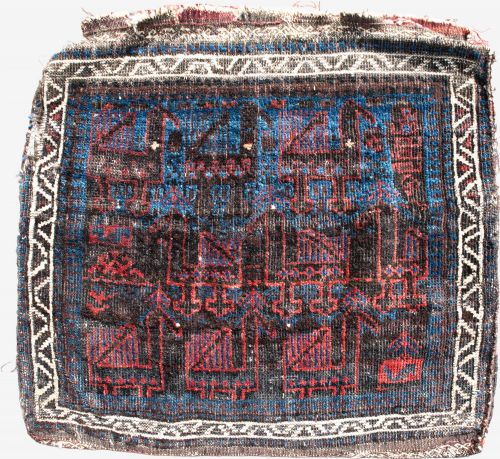
Nomadic families used storage bags, known locally by terms like balisht, to transport and store household possessions, grain, and bedding. They feature durable flatweave backs and highly decorated piled faces designed for practical endurance.
These functional objects demonstrate the same meticulous weaving techniques and natural dye usage found in larger main carpets and prayer rugs.
How are different tribal styles identified?
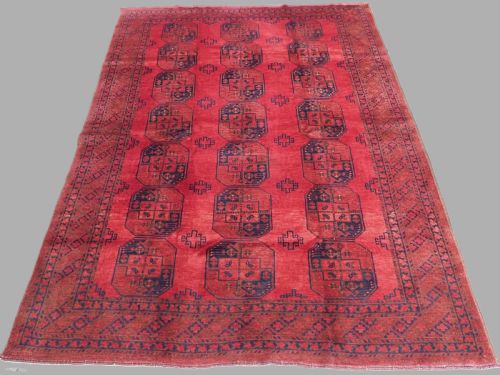
Tribal styles are distinguished through recurring structural elements, colour distributions, and specific geometric motifs. For instance, Ersari carpets often utilise deep warm red tones, while Baluch pieces frequently employ 'pencil box' or 'kalam donneh' patterns.
Examining the selvedges, wool preparation, and end finishes provides further clues regarding the specific village or nomadic group responsible for the weaving.