



Handmade Wool Rug
A handmade wool rug brings heavy nomadic texture and deep regional colour into a room, offering genuine historical substance underfoot.
Handmade Wool Rug
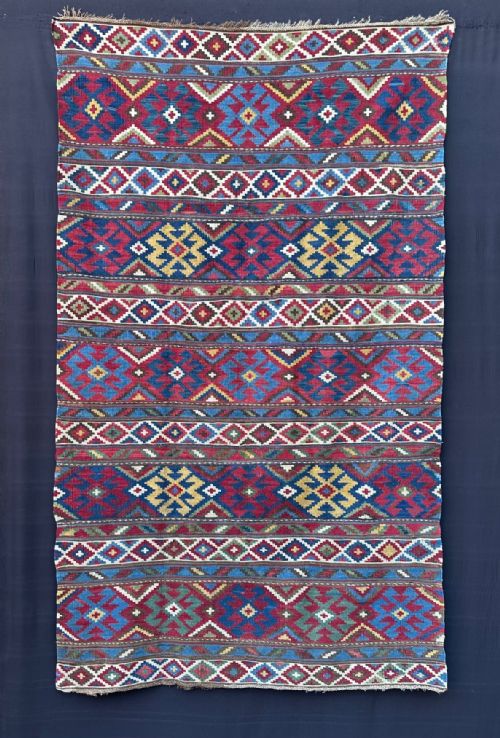
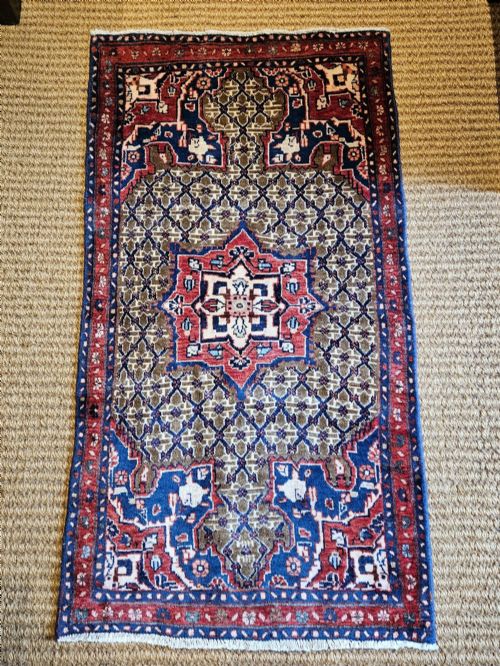
When searching for a handmade wool rug, collectors encounter tribal and village weavings from Persia, the Caucasus, Anatolia, and Central Asia spanning the nineteenth and early twentieth centuries. These pieces encompass hearth-sized rugs, village prayer rugs, dowry weavings, and utilitarian bags created by specific tribal confederacies.
The material foundation of these pieces relies primarily on wool, occasionally paired with cotton warps or goat hair. The aesthetics are driven by regional styles such as Persian Tribal, Turkmen, and Anatolian Tribal designs.
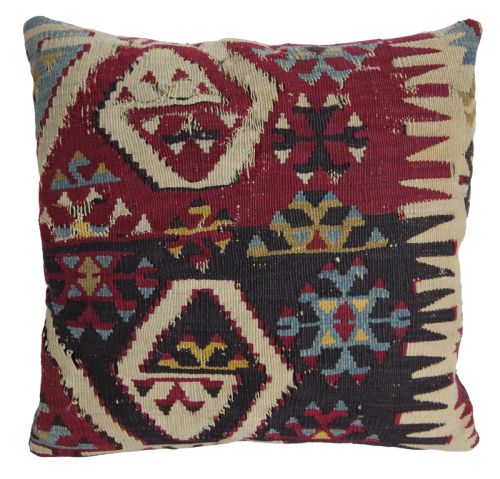
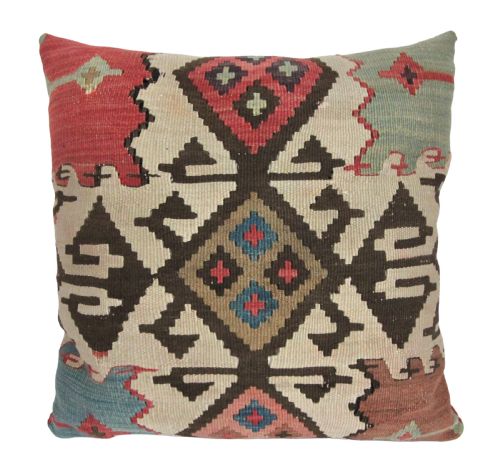
The selection frequently includes specialised formats like torba faces, chuval faces, sofreh, and kilims alongside standard rugs. Each object reflects the distinct knotting traditions and visual vocabulary of its specific origin.
Materials and construction
The construction of these textiles depends on hand-spun wool and standard wool fibres, sometimes supported by cotton warps for structural stability. Goat hair also appears in specific nomadic pieces for added durability along the edges.
Weavers utilised techniques ranging from fine pile knotting to flat-woven kilim structures and chain stitch embroidery. Many larger yurt rugs and kilims were woven in separate narrow strips and subsequently joined together.
Nomadic weavers occasionally incorporated wandering zigzags and stray animal motifs into their geometric patterns simply to amuse themselves by the hearth.
Evaluating the standard
Quality in these weavings rests upon the density and fineness of the weave, which dictates the crispness of geometric and floral motifs such as guls and medallion patterns. Finer knotting allows intricate designs to render with greater clarity.
The vibrancy and depth of the colour palette also define the upper tier of examples, particularly where natural dyes have maintained their luminosity over generations. Structural integrity and the preservation of original edges and ends further distinguish superior survivors.
The Handmade Wool Rug Glossary
- Gul
- A primary medallion or repeating motif characteristic of Turkmen and Central Asian tribal weaving. These octagonal or gabled designs identify the specific tribe that produced the textile.
- Kilim
- A flat-woven textile produced without a pile, created by tightly interlocking the horizontal weft threads over the vertical warps. They serve as rugs, covers, and utilitarian hangings.
- Torba
- A small, wide storage bag traditionally hung inside a nomad tent or used during migration. They frequently display intricate secondary guls and expert face weaving.
- Warp
- The stationary vertical strings stretched on a loom that form the structural foundation of the rug. In many regional weavings, these foundation threads consist of cotton or wool.
- Sofreh
- A spread or cloth utilised for communal dining or dough preparation in nomadic households. These flat-weaves often feature minimalist field designs geared towards utilitarian function.
Handmade Wool Rug: Frequently Asked Questions
How do I clean an antique wool rug?
These textiles require gentle, specialist care rather than aggressive modern washing methods. Regular light vacuuming without a rotating brush helps remove surface grit.
Professional textile conservators should handle deep washing to protect the natural wool fibres and traditional dyes. Avoid excessive moisture and direct, harsh sunlight to preserve the structural integrity of the weave.
Where were these tribal rugs made?
The pieces originate from nomadic and village communities across Persia, the Caucasus, Anatolia, and Central Asia. Specific regions include Khorassan, Shirvan, and the traditional territories of tribes such as the Tekke, Yomut, and Qashqai.
Each geographic area developed distinct geometric or curvilinear motifs, colour palettes, and knotting techniques tied to local materials and cultural heritage.
How can I date an old wool rug?
Dating relies on stylistic analysis, structural examination, and the character of the materials used. Natural dye variations, specific tribal drawing styles, and the presence of hand-spun wool provide reliable indicators of nineteenth and early twentieth-century origin.
Comparative study of established village and nomadic workshops helps narrow the period of creation to a specific decade or era.