





Hand Woven Floor Covering
These hand woven floor covering pieces bring traditional Persian and Caucasian artistry into a room, offering durability and historical character for modern interiors.
Hand Woven Floor Covering
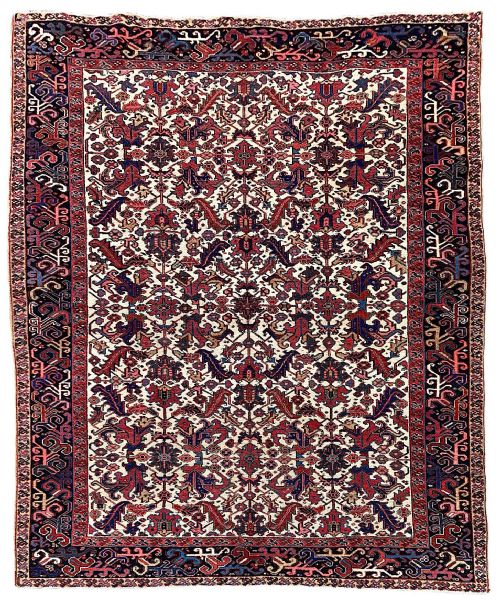
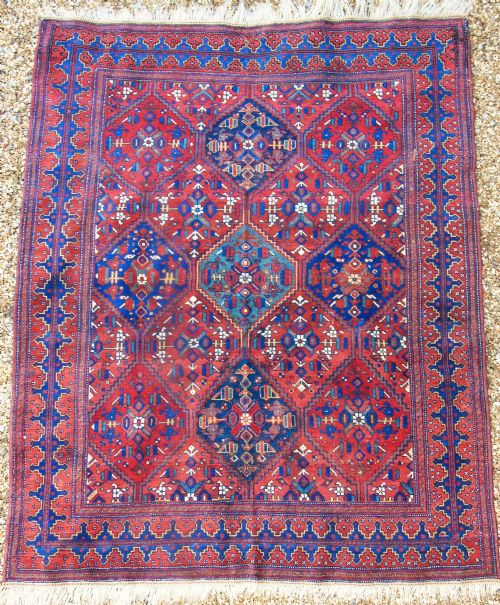
When you search for a hand woven floor covering, you encounter textile pieces originating primarily from Persian and Caucasian workshops, dating from the mid-nineteenth century through the early twentieth century. The selection ranges from large palace carpets and room-sized floor coverings down to smaller area rugs, bag faces, and saddlebags.
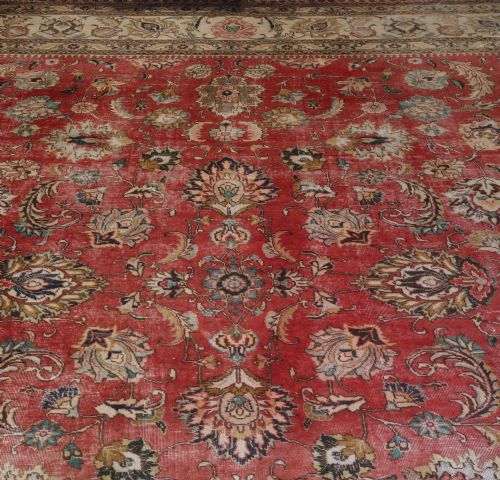
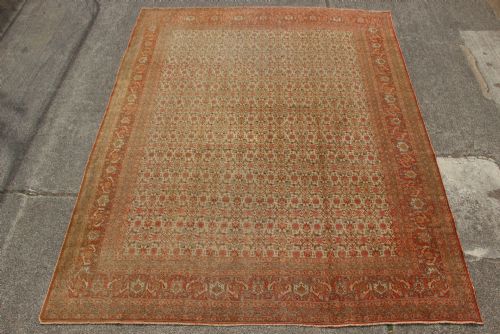
The version most likely to meet you on this page is a room-sized or carpet-format floor covering from the late nineteenth or early twentieth century, bearing traditional Persian designs. These textile works function practically as floor coverings while displaying regional patterns rooted in tribal and urban weaving traditions.
What distinguishes quality
The standard of a hand woven floor covering depends on the fineness of the knotting and the precision of the traditional design execution. Superior pieces exhibit tight structural foundations and sophisticated regional motifs that reflect high craftsmanship.
Material selection also defines the tier of a piece, with hand-spun wool offering greater textural depth and resilience compared to standard yarns. The integrity of the original edges and the balance of the overall composition further separate standard examples from finer works.
Hand Woven Floor Covering Retail Price Guide 2026
Typical asking prices for hand woven floor covering among the pieces listed under this phrase on Sellingantiques today, from the lower quarter to the upper quarter. They describe what is for sale here now, not the wider market.
Listings feature pieces spanning from the mid-nineteenth century through the 1930s, utilising wool, cotton, and hand-spun wool.
Benlian
The Hand Woven Floor Covering Glossary
- Carpet
- A large textile floor covering designed to span significant floor areas, typically exceeding standard rug dimensions. These pieces often feature elaborate central medallions and detailed border systems.
- Saddlebag
- A utilitarian transport bag woven by tribal groups, the face of which is often preserved and utilised as a small decorative mat or cushion. They display compact, dense geometric patterns.
- Pile
- The upright yarn loops or tufts that form the soft surface of a woven floor covering. The density and height of the pile influence both texture and durability.
- Foundation
- The underlying grid of warp and weft threads that supports the knotted wool pile. Cotton and wool are the primary materials used for this structural base.
- Tribal
- Pertaining to nomadic or village weaving traditions rather than urban manufactories. These pieces showcase spontaneous geometric designs and symbolic motifs.
Hand Woven Floor Covering: Frequently Asked Questions
How do I clean a hand woven floor covering?
Gentle vacuuming without a rotating brush helps remove surface dust from the wool pile safely.
Professional specialist cleaning is recommended for deep maintenance to protect the natural fibres and dyes.
Are these floor coverings suitable for heavy traffic?
Wool and cotton construction provides natural durability that handles regular foot traffic effectively in living spaces.
Using a quality underlay helps absorb impact and prevents slipping on hard floors.
How do I identify a tribal design?
Tribal designs feature geometric motifs, stylized animals, and repeated polygons rather than formal curved florals.
These patterns often emerge from memory rather than strict cartoon templates, reflecting nomadic traditions.
Can I place these pieces on underfloor heating?
Natural wool and cotton textiles tolerate moderate underfloor heating provided temperatures remain stable.
Breathable underlays prevent heat from becoming trapped directly beneath the textile.