
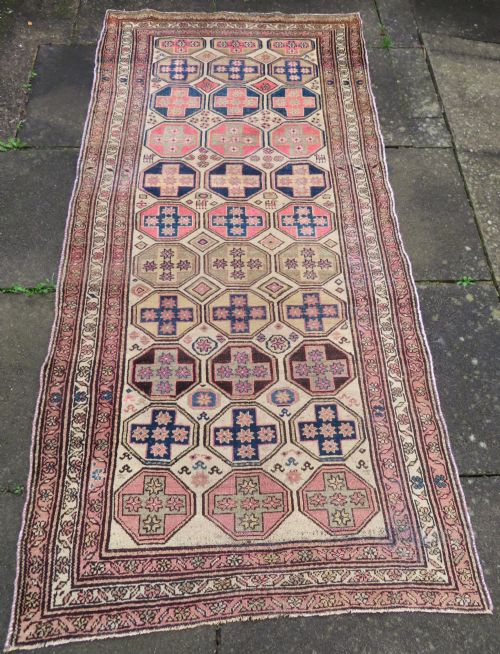





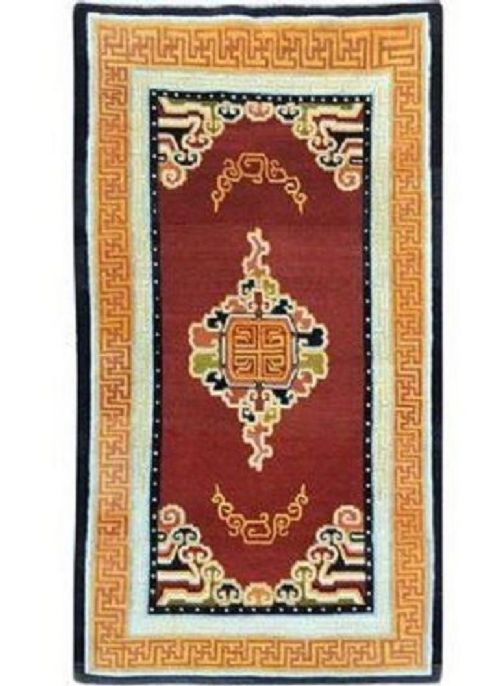
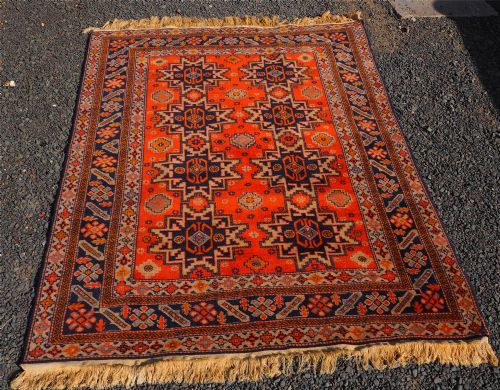
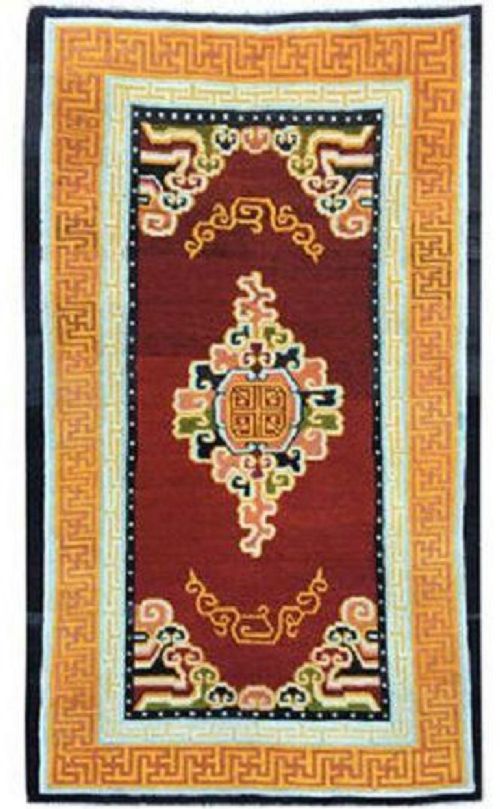

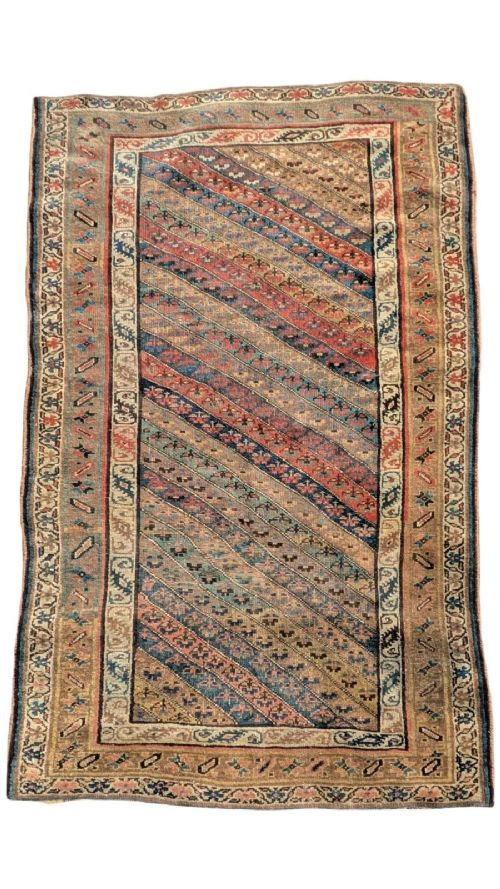
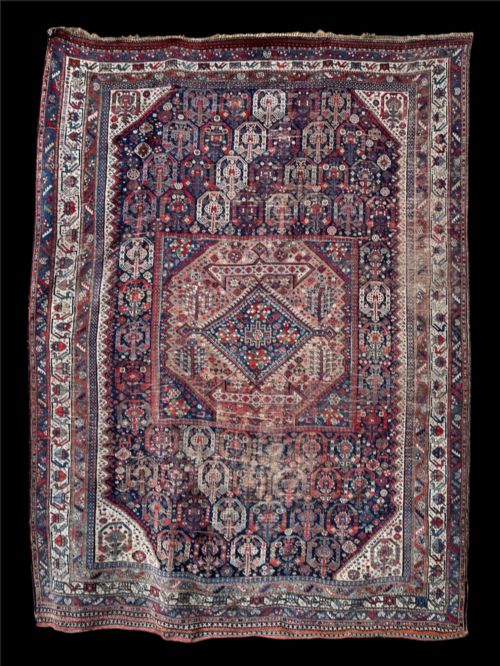
Hand Woven Carpet Runner
A hand woven carpet runner brings historic textile artistry and character to long hallways and narrow rooms through enduring regional designs.
Hand Woven Carpet Runner
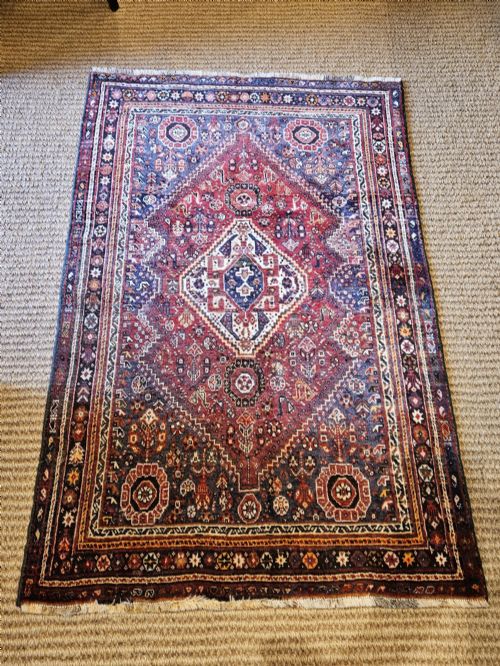
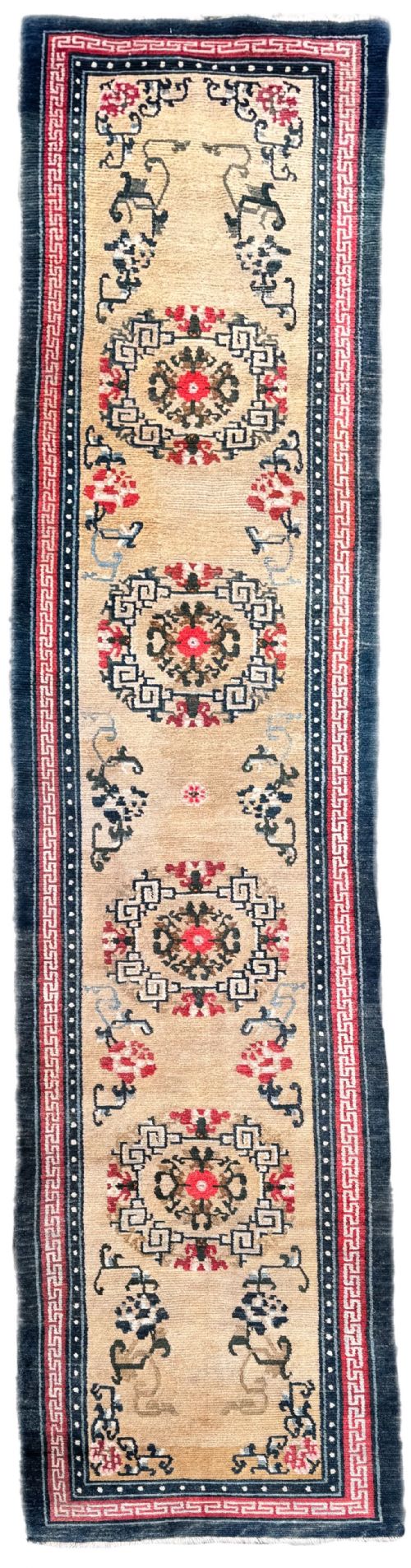
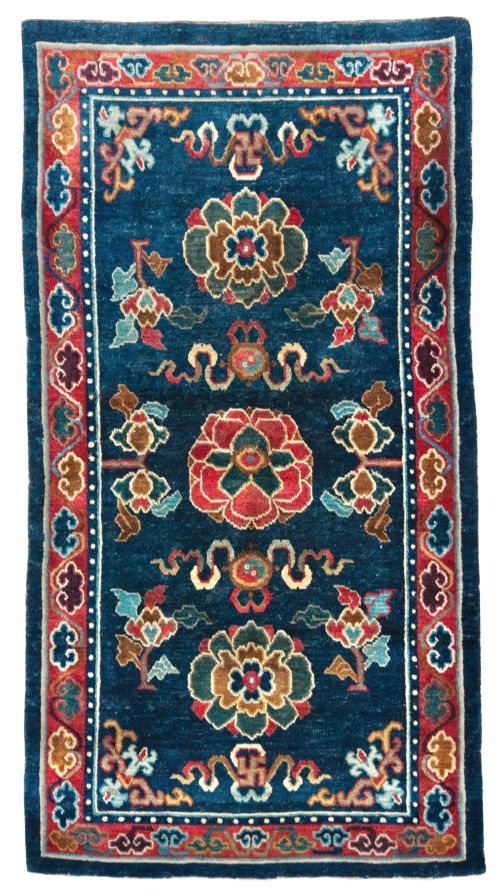
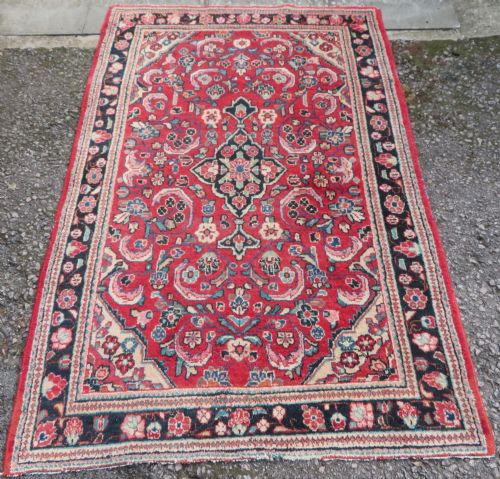
A hand woven carpet runner encompasses long, narrow floor coverings designed for corridors and passages, drawing from Persian, Caucasian, and Tibetan traditions. Buyers searching for a hand woven carpet runner frequently encounter antique village and tribal pieces originating from the nineteenth and early twentieth centuries.
Materials and construction
Weavers utilised natural materials such as wool, cotton, and silk, often combining hand-spun wool pile with sturdy cotton foundations. Natural dyes provided rich, enduring colour palettes that mellow gracefully over decades of use.
Traditional hand-knotting techniques bound the materials securely, creating dense surfaces designed to withstand heavy foot traffic in domestic settings.
Several antique runners feature hidden animal motifs woven directly into tribal geometric fields by makers centuries ago.
Assessing the standard
Quality rests in the precision of the knotting, the complexity of the tribal or regional design, and the clarity of the natural dyes. Superior examples exhibit tightly packed foundations and well-balanced proportions that maintain structural integrity along extended lengths.
The depth of colour saturation and the finesse of the geometric or floral detailing distinguish finer weaving workshops and tribal traditions from more utilitarian room dividers.
The Hand Woven Carpet Runner Glossary
- Runner
- A long, narrow carpet format specifically suited for hallways, corridors, and stairs. This shape guides movement through a building while protecting wooden floors.
- Pile
- The upright yarn loops or tufts forming the soft surface of a carpet. It is created during the weaving process by knotting fibre around the warp threads.
- Warp
- The vertical threads stretched tightly on a loom before weaving begins. These parallel strands form the foundational skeleton of the textile.
- Natural Dyes
- Colourants derived from plants, insects, and minerals rather than synthetic chemicals. They produce nuanced tones that develop subtle patinas over time.
- Tribal Rug
- A textile produced by nomadic or semi-nomadic groups rather than urban workshops. These pieces often display distinct geometric memory patterns specific to individual tribal confederacies.
Hand Woven Carpet Runner: Frequently Asked Questions
Where should I place a runner?
These long formats suit hallways, corridors, and narrow entryways where foot traffic benefits from floor protection and textile warmth.
They also function effectively beside beds or in galley kitchens to add historic character to confined spaces.
How do I care for antique wool?
Gentle vacuuming without a rotating brush prevents dust accumulation while protecting the delicate hand-knotted pile from excessive friction.
Professional specialist cleaning remains essential for addressing deep cleaning needs without damaging natural dyes or foundational fibres.
What is a tribal design?
Tribal designs originate from nomadic weaving communities who pass down geometric motifs, animal symbols, and regional patterns through generations.
Unlike urban workshop carpets, these pieces reflect local folklore and traditional village aesthetics rather than formal court designs.
How do I identify older pieces?
Examinations of the natural dye variations, hand-spun wool characteristics, and regional weave structures help determine approximate production eras.
Slight irregularities in symmetry often point to traditional hand-weaving methods associated with nineteenth and early twentieth-century production.