


Antique Wool Hallway Rug
An antique wool hallway rug brings depth and heritage to a corridor through time-worn patterns and durable natural fibres.
Antique Wool Hallway Rug
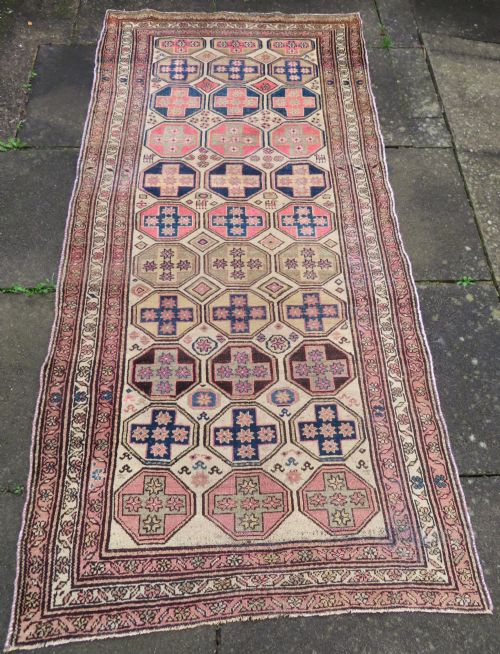
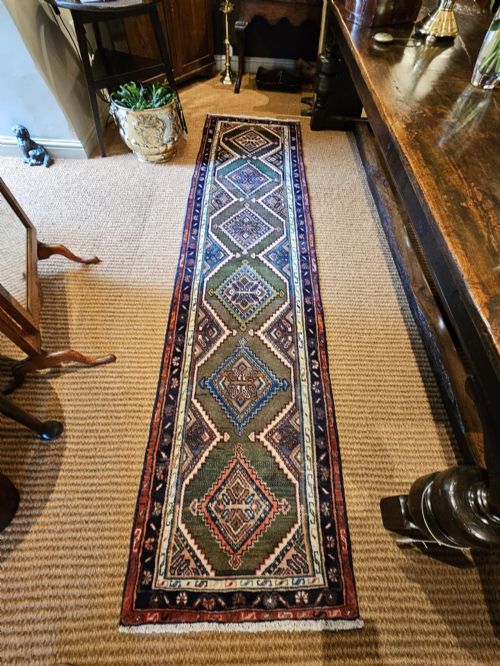
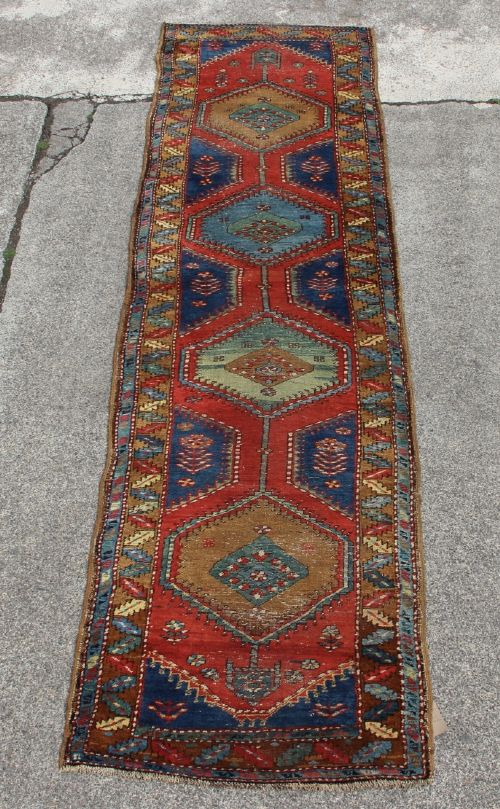
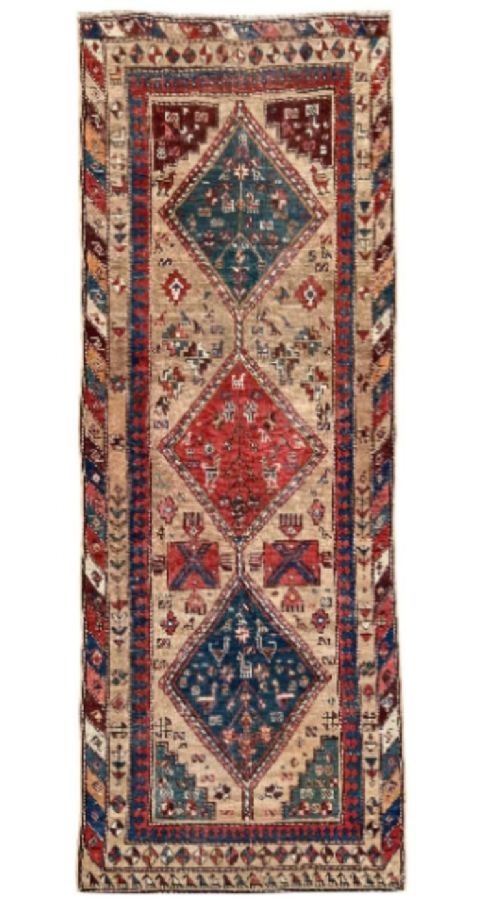
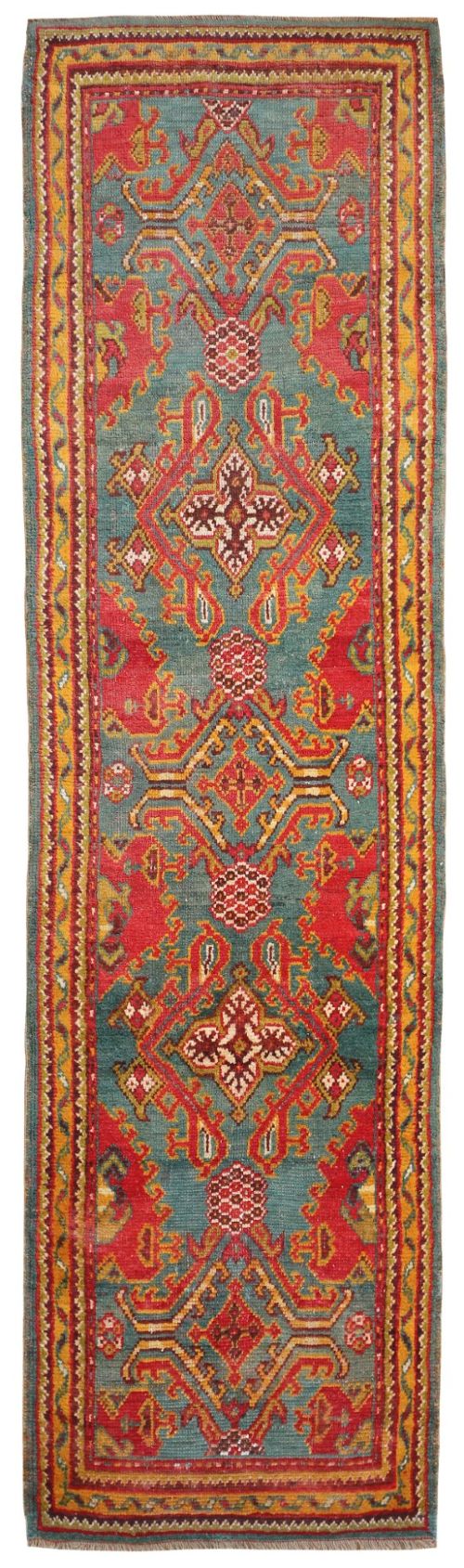
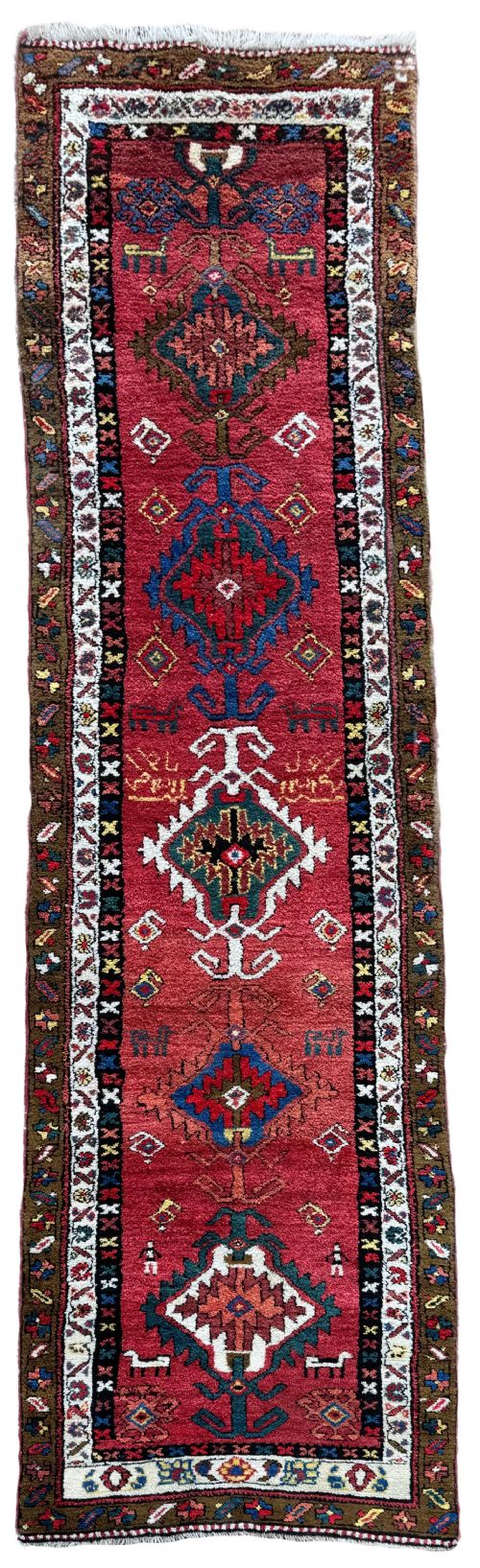
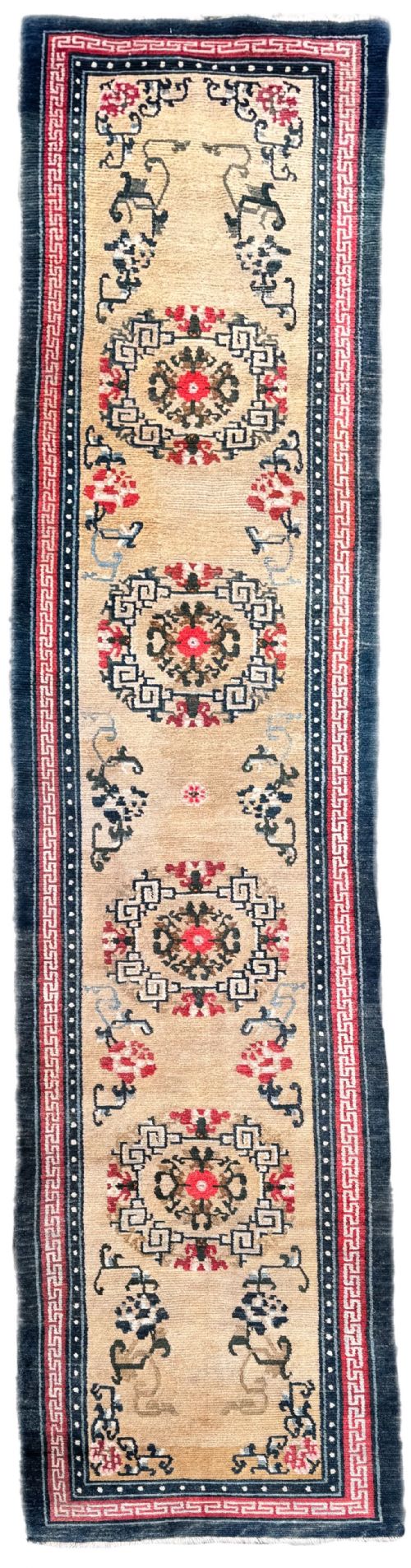
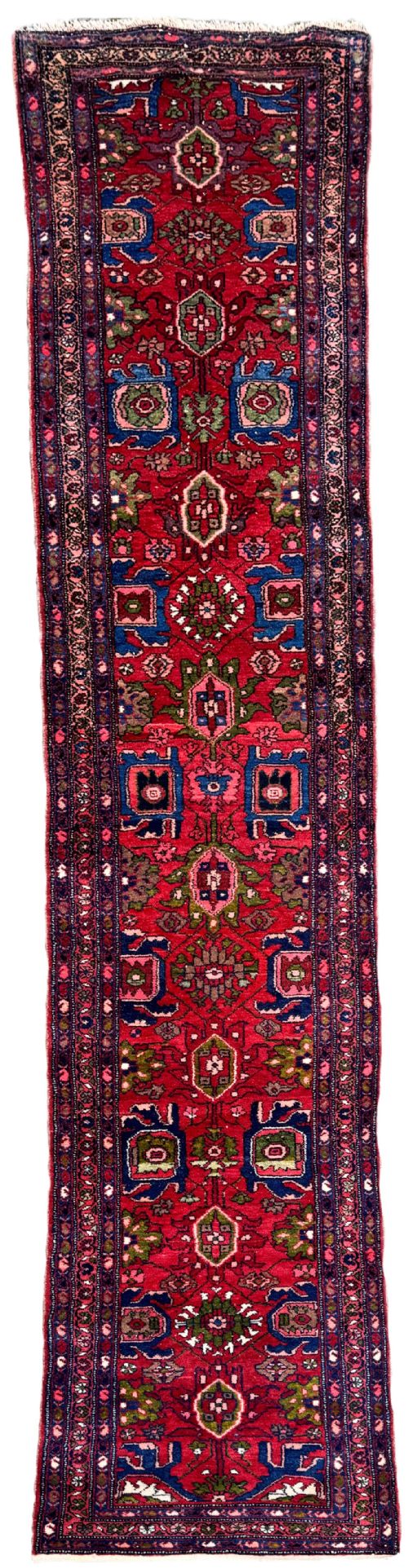
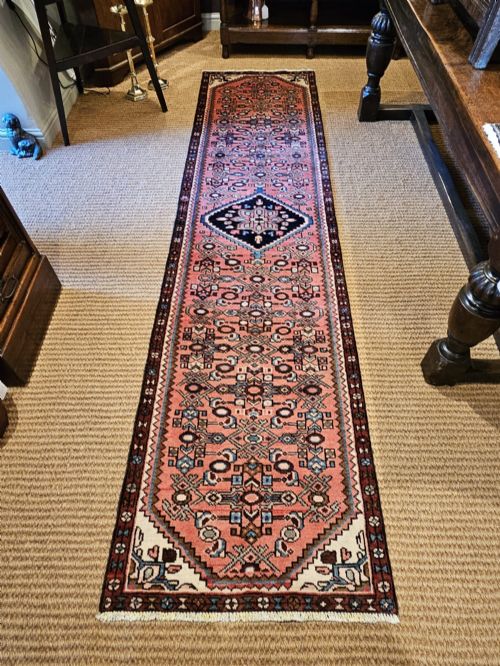
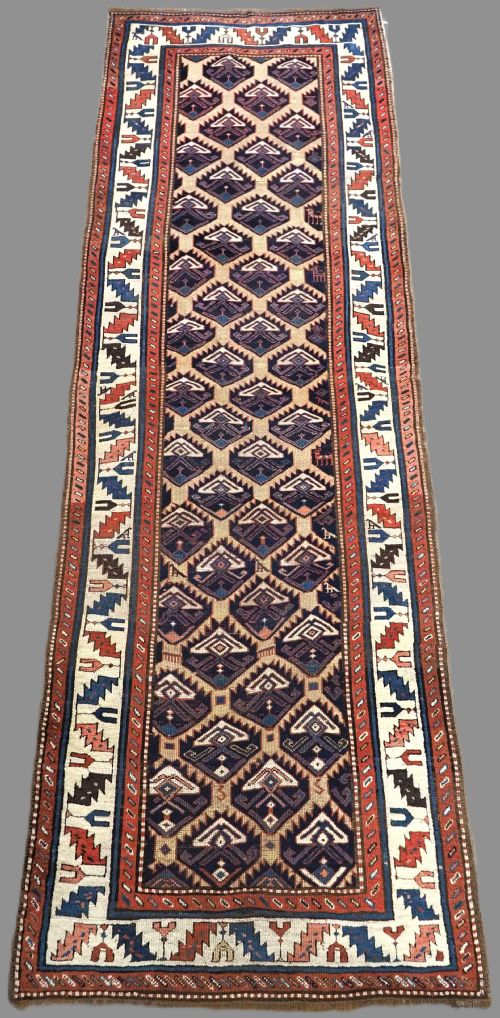
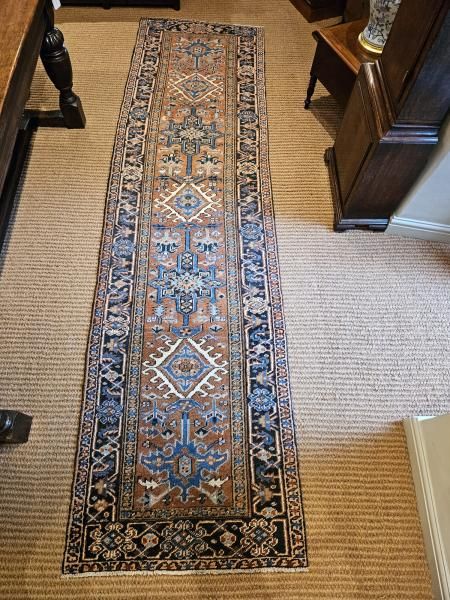
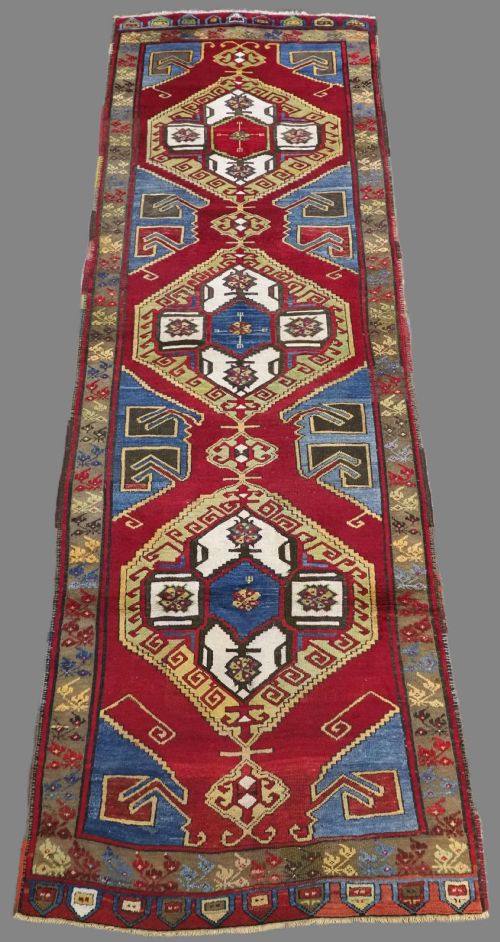
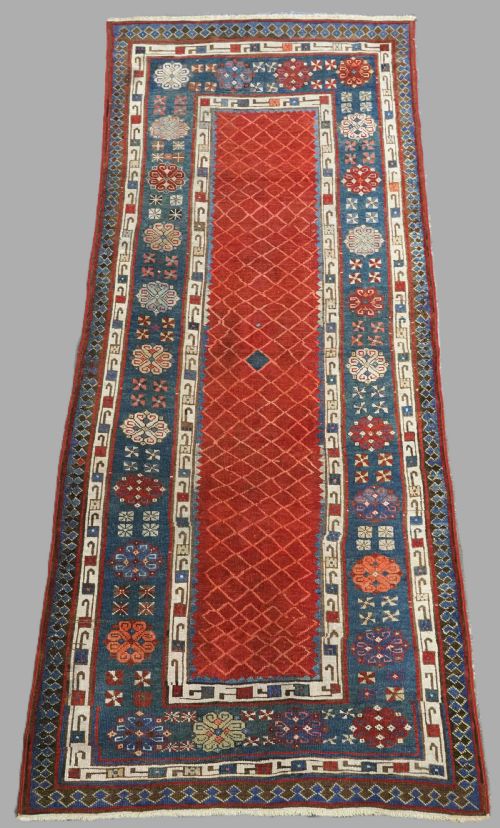
When searching for an antique wool hallway rug, buyers encounter long, narrow formats specifically suited for corridors, landings and passageways. These pieces originate from regions such as Persia, Anatolia, the Caucasus and Tibet, spanning the nineteenth and early twentieth centuries. The selection includes specific tribal and regional weaves, from Kurdish and Bakshaish runners to Ushak and Caucasian examples.
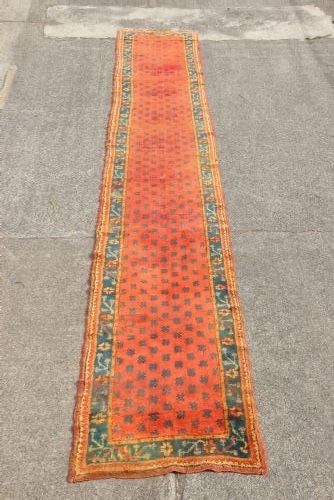
Most items meeting this description take the form of runner rugs and long rugs designed to fit narrow spaces while displaying complex geometric or floral fields. The dimensions vary greatly, from compact lengths under two metres to substantial runners exceeding five metres. Buyers find both room-defining traditional Persian patterns and more rustic tribal expressions in these corridors of history.
How they were made
The construction of these floor coverings relies primarily on wool piles set against cotton or wool foundations, providing the resilience needed for heavy foot traffic in passages. Weavers knotted or wove these textiles by hand, utilising natural dyes derived from plants and minerals to achieve lasting hues such as olive green, navy blue and deep reds. The density of the knotting and the quality of the spun wool determine the physical weight and drape of each runner.
Regional workshops and tribal groups applied distinct structural techniques, visible in the handling of warps, wefts and selvedges along the edges. Nomadic and village weavers often employed coarser, heavier wools with asymmetric or symmetric knots, while urban workshops produced finer, tightly packed structures. These varied technical choices result in durable textiles designed to withstand decades of domestic use.
Included in the selection is a monumental hall runner stretching an impressive thirty-two feet in length.
What varies in quality
Quality in these long formats rests on the fineness of the weave, the clarity of the design motifs and the integrity of the wool pile. A tighter knot count allows for crisper execution of intricate lattice designs or Mina Khani patterns, separating sophisticated workshop pieces from simpler village work. The handling of natural dyes also dictates visual success, as evenly saturated colours age gracefully across the surface of the runner.
The overall balance of proportions within a long format influences the visual harmony of the piece as it lies on a floor. Preservation of the original outer edges and end finishes indicates careful historic maintenance, whereas heavy institutional repair or loss of pile alters the structural integrity. Superior examples maintain crisp borders and strong structural foundations despite generations of service.
The Antique Wool Hallway Rug Glossary
- Runner
- A long, narrow carpet format specifically designed for corridors, hallways and staircases.
- Pile
- The upright or knotted surface yarn of a rug, standing above the foundation base.
- Warp
- The vertical foundation threads stretched tightly on the loom before weaving begins.
- Weft
- The horizontal threads passed through the warps to hold the knots and structure securely in place.
- Selvedge
- The reinforced side edges of a rug finished to prevent the unravelling of the weave.
- Mina Khani
- A traditional repeating geometric floral pattern often found in Kurdish and Persian weaving.
Antique Wool Hallway Rug: Frequently Asked Questions
How do I choose the right length?
Measure your corridor carefully, leaving a border of exposed flooring around the perimeter of the rug to frame the space.
Keep in mind that historic runners come in fixed dimensions, so select a length that avoids blocking doors or spanning awkward architectural transitions.
Are these rugs suitable for heavy traffic?
Wool is naturally resilient and lanolin-rich, making these historic textiles well-equipped to handle daily footsteps in active hallways.
Using a quality underlay beneath the piece will prevent slipping and reduce friction against the floorboards.
How do I clean an antique wool rug?
Regular gentle vacuuming without a rotating brush roll helps remove grit from the wool pile before it settles into the foundation.
For deeper cleaning or spills, consult a specialist conservator experienced in historic textiles rather than using home washing methods.
How do I identify the regional origin?
Examine the specific motifs, colour palettes and edge finishes, as Caucasian pieces often display bold geometric lattices while Persian runners feature refined floral fields.
Structural details like wool type and knotting style also offer clues to whether a piece originated in a village, nomadic camp or urban workshop.