






Hand Woven Bokhara Rug
These hand woven bokhara rug examples are enduring tribal textiles defined by deep red grounds and repeated guls, prized for their rich wool and geometric precision.
Hand Woven Bokhara Rug
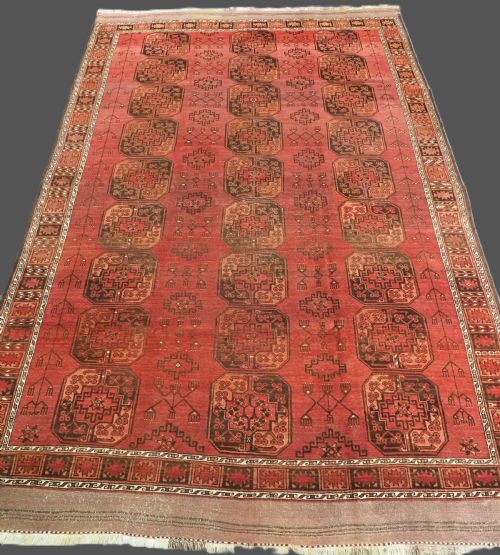
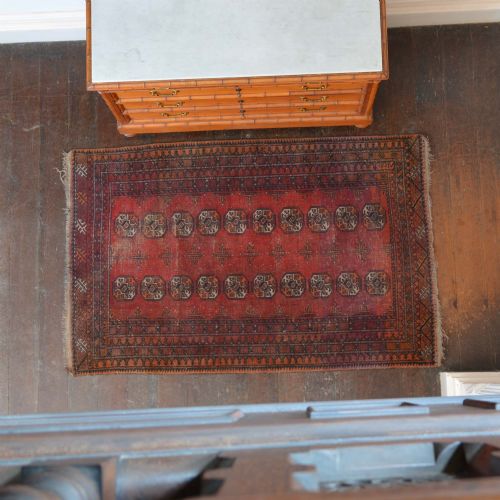
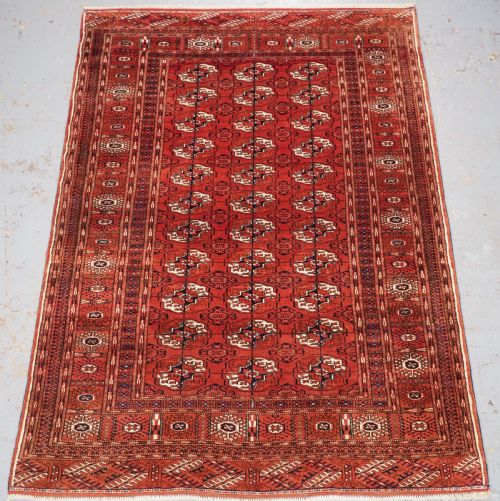
A hand woven bokhara rug represents the rich weaving traditions of Central Asian tribes, particularly the Turkmen peoples and associated groups such as the Tekke and Ersari. These textiles encompass varied formats from small dowry rugs and torbas to expansive main carpets dating across the nineteenth and early twentieth centuries. When searching this phrase, a buyer will primarily encounter Tekke Turkmen rugs featuring traditional gul motifs and warm red colour palettes.
The origins of these carpets stretch across Central Asia, with pieces originating from tribal workshops and nomadic groups associated with the Emirate of Bukhara and surrounding regions. Regional distinctions appear through specific border arrangements and tribal variations, including Ersari Beshir designs and Afghan village weaves. These textiles served vital cultural roles within nomadic and village life, functioning as wedding dowries, floor coverings, and utilitarian storage bags.
Examples on this page span several decades of production from the mid-nineteenth century through to the early twentieth century. Buyers will encounter both modest village formats and grander carpets measuring over three metres in length. Each piece preserves the distinct geometric iconography handed down through generations of tribal weavers.
Materials and construction
These textiles are constructed primarily from handspun wool, utilised for both the foundational warp and weft threads as well as the dense pile. The natural resilience of this wool gives the carpets their characteristic heavy handle and dense structure. Selected pieces incorporate fine silk highlights to accentuate specific details within the geometric design.
Weaving techniques rely on meticulous knotting executed on vertical looms, resulting in dense structures capable of withstanding generations of use. Certain specialised pieces, such as torba fragments, display exceptionally fine weaves with tightly packed knots that define miniature geometric patterns. Natural dyeing methods yielded the deep red grounds that remain the signature visual element of the group.
Listings span a production timeline from the eighteen-fifties through the early nineteen-twenties, incorporating both wool and silk materials across Turkmen and Afghan tribal origins.
Assessing quality
Quality in these textiles rests upon the density of the weave and the precision of the knotting. Finer examples, such as dowry rugs with high knot counts, demonstrate exceptional control over intricate geometric guls and secondary motifs. Tighter structures allow complex border arrangements and finer details to remain crisp and legible.
The depth and vibrancy of the natural palette heavily influence the standing of an individual piece. Superior examples exhibit rich, saturated red grounds combined with secondary tones that have aged with stability and clarity. Pile retention and structural integrity further separate standard utilitarian floor coverings from exceptional tribal masterpieces.
The Hand Woven Bokhara Rug Glossary
- Gul
- A repeated octagonal or medallion motif used extensively in Central Asian tribal weaving. Each specific pattern often identifies the particular tribe or clan that produced the carpet.
- Torba
- A small, wide storage bag traditionally utilised within nomadic households. These pieces frequently display refined knotting and specialised field designs intended for tent decoration.
- Dowry rug
- A specialised textile created as part of a bride's wedding trousseau. These pieces often receive particularly meticulous weaving and delicate silk highlights.
- Main carpet
- A large-scale floor covering woven for principal domestic use within the tribal tent or dwelling. These substantial formats require extended periods of collaborative labour to complete.
- Warp
- The vertical support threads stretched tightly on the loom before knotting begins. The exposed ends of these threads often form the fringe at either end of the rug.
Hand Woven Bokhara Rug: Frequently Asked Questions
What is a bokhara rug?
A bokhara rug is a traditional Central Asian tribal textile, most commonly associated with the Tekke Turkmen weavers of the region. These pieces are traditionally recognised by their deep red or madder grounds decorated with repeated octagonal motifs known as guls.
Historically traded through the markets of Bukhara, these hand-knotted textiles encompass various formats including small dowry pieces, torba bags, and large main carpets produced during the nineteenth and early twentieth centuries.
How do I date a tribal carpet?
Dating these textiles involves examining the wool quality, dye palette, structural wear, and stylistic characteristics native to specific decades. Pieces from the mid-nineteenth century often display distinct natural dye variations and softer wool handles compared to later twentieth-century production.
Structural details such as selvedge construction, end finishes, and the presence of silk highlights also provide reliable indicators of the period in which the rug was knotted.
Where should I place a rug?
These durable wool textiles suit low-traffic living areas, studies, or bedrooms where their rich colours and geometric designs can be fully appreciated. Placing them away from direct, harsh sunlight helps preserve the natural dyes used in the wool pile.
Using a quality underlay beneath the rug helps prevent slipping and reduces friction between the woven foundation and hard flooring surfaces.