

Nomadic Woven Area Rug
A nomadic woven area rug brings centuries of tribal heritage into a room through geometric patterns and deep regional character.
Nomadic Woven Area Rug
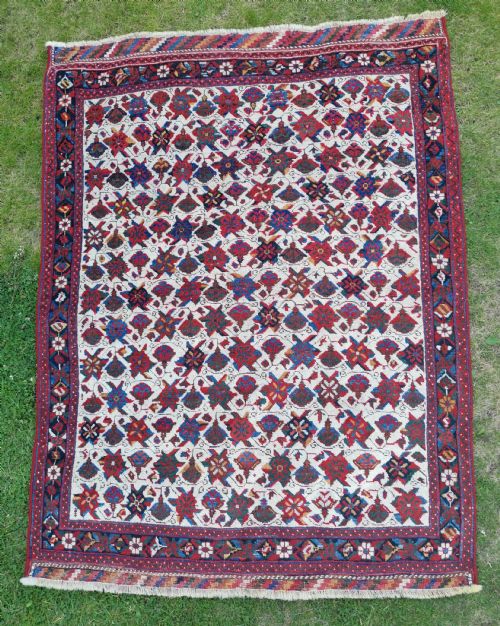
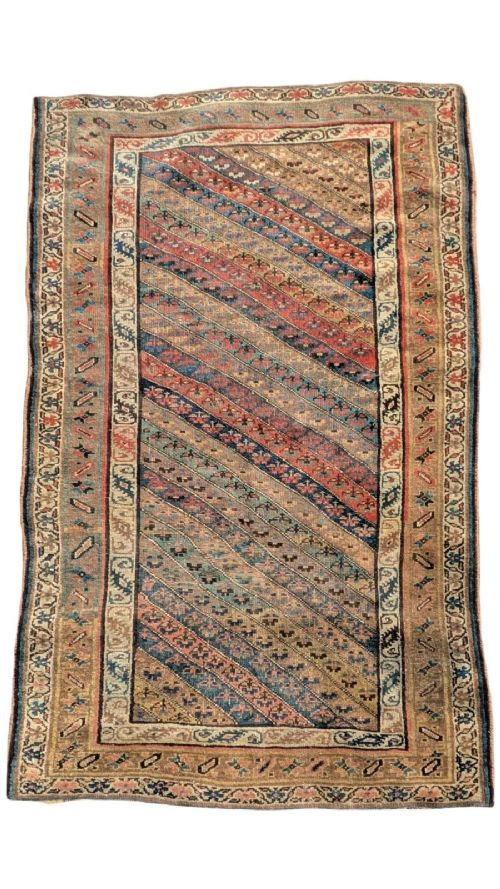
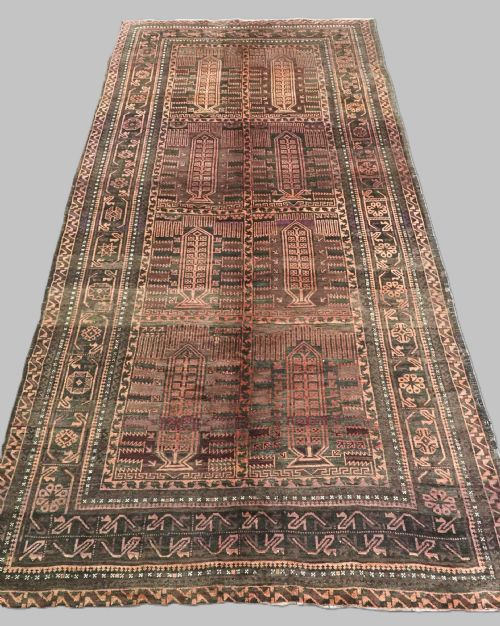
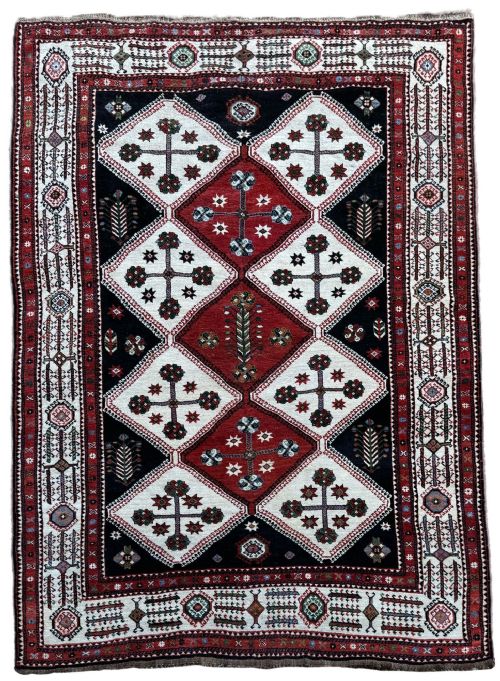
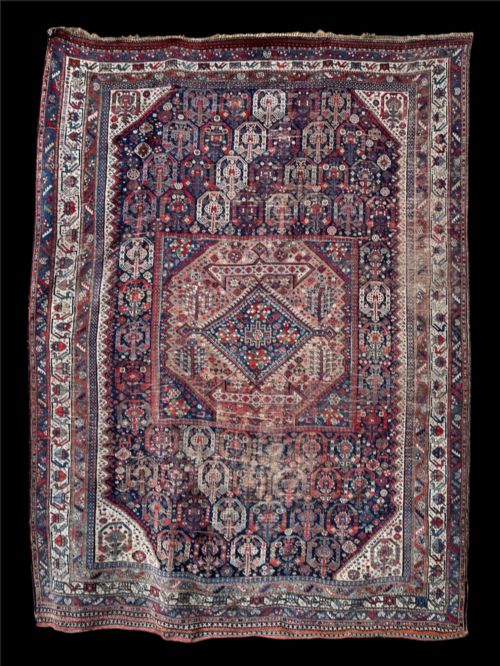
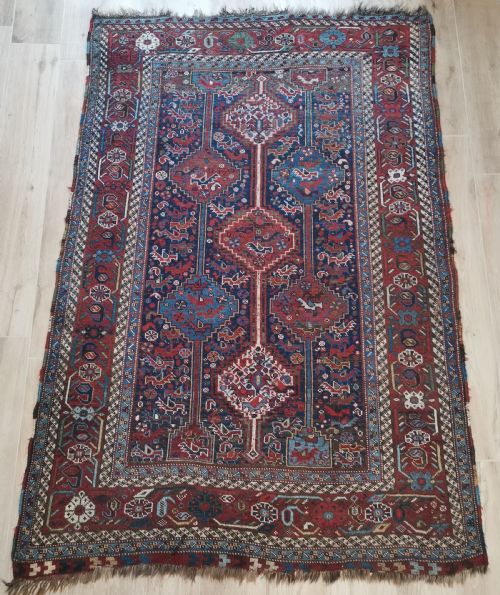
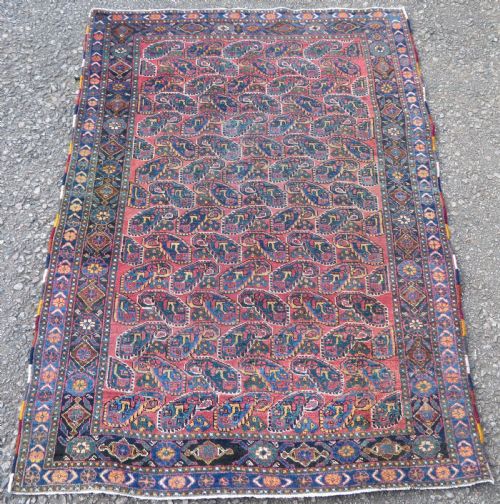
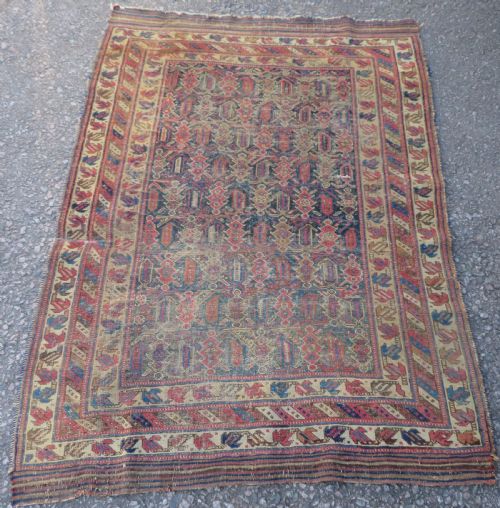
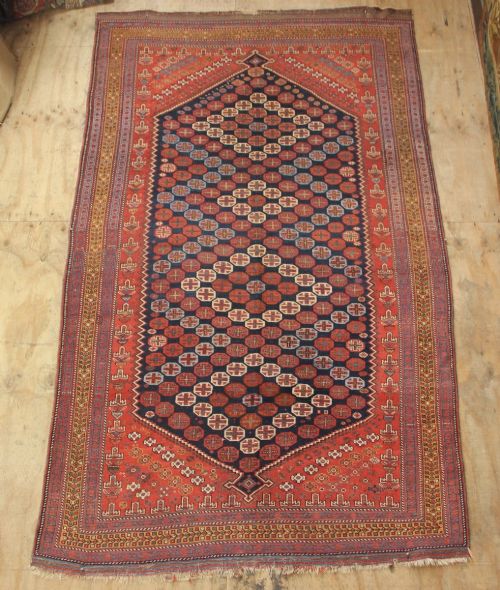
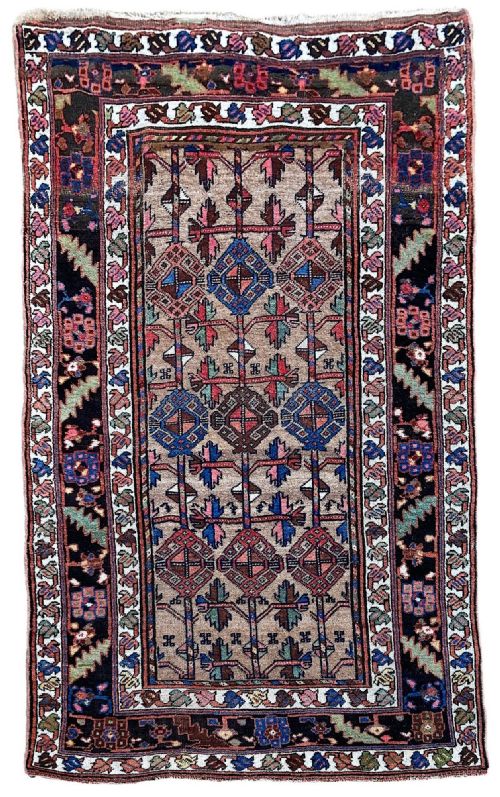
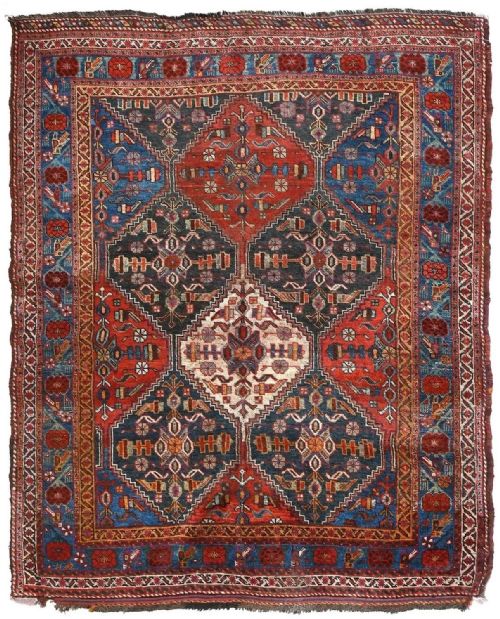
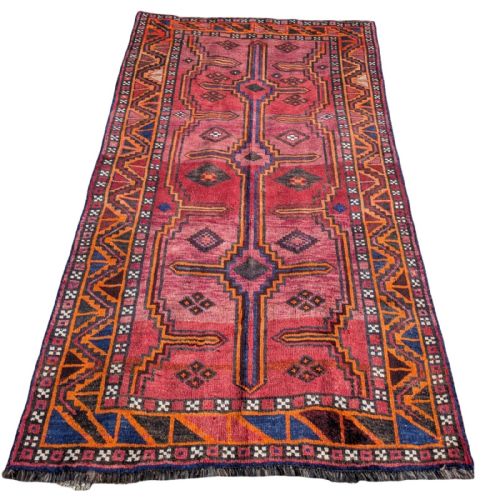
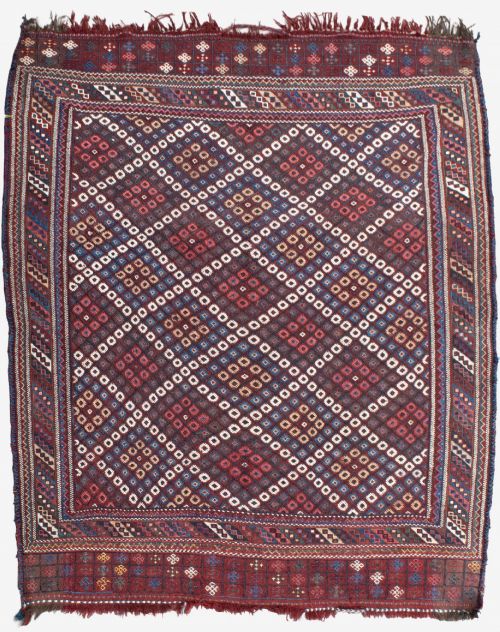
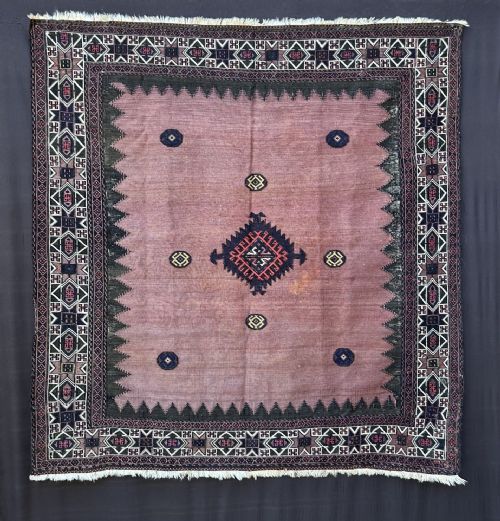
When you search for a nomadic woven area rug, you are looking at floor coverings and textiles made by tribal groups across the nineteenth and early twentieth centuries. These pieces encompass specific regional identities, including Khamseh, Afshar, Kurdish, Baluch, and Turkmen tribal traditions.
The most common formats on this page are carpets, rugs, and runners produced by weavers working in nomadic or village settings. They take various functional forms, from standard floor rugs to specialised items like tent door rugs, sofreh, and ru korssi.
Dating ranges primarily from the late nineteenth century through to the 1930s, capturing a period before industrial methods altered traditional village production. Each piece reflects the specific design vocabulary of the tribe that made it.
Materials and construction
The foundation of these textiles relies heavily on wool, hand-spun wool, and cotton, often supplemented by structural elements of goat hair and horsehair. Weavers utilised natural dyes to achieve rich, enduring palettes that developed varied patinas over time.
Construction methods involve traditional hand-weaving techniques, resulting in both pile carpets and flat-woven kilims. The integration of local materials ensured that the finished textiles could withstand daily use within nomadic camps and permanent village dwellings.
Several rugs managed to survive decades of use as horsehair-reinforced door coverings and kitchen table warmers.
Distinctions in execution
Quality in these textiles depends on the precision of the weave and the handling of natural materials. Tighter knotting and careful preparation of hand-spun wool produce a more resilient handle.
The depth and variation of natural dyes influence the visual success of the piece, allowing geometric motifs and tribal symbols to resolve clearly across the surface. Finer examples display a balance between structural integrity and expressive design variation.
The Nomadic Woven Area Rug Glossary
- Sofreh
- A spread or cloth used for sharing meals or kneading bread within nomadic households. These woven pieces often feature distinct field designs.
- Kilim
- A flat-woven carpet or runner produced without a pile. They are constructed by tightly interweaving warp and weft strands.
- Gul
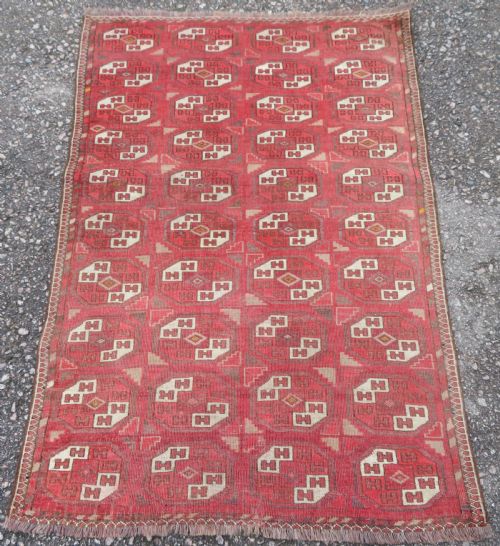
- A medallion-like motif frequently repeated across Turkmen and Baluch carpets. Each tribal group utilised specific variants to denote lineage.
- Ru Korssi
- A decorative cover placed over a low table containing a heat source in traditional Persian homes. These textiles are adapted for specific domestic warmth rituals.
- Kapunuk
- A specialised tent door hanging placed around the entrance of a nomadic dwelling. They typically display structured architectural formats.
Nomadic Woven Area Rug: Frequently Asked Questions
What is a nomadic woven area rug?
A nomadic woven area rug is a hand-produced textile created by tribal weavers using traditional materials like wool and natural dyes. These pieces served functional roles in daily life while incorporating the distinct artistic motifs of specific groups.
Production methods relied on hand-spinning and manual weaving techniques passed down through generations. Consequently, each rug carries individual regional characteristics rather than standardised factory designs.
How do I identify tribal designs?
Identifying tribal designs involves examining specific structural motifs, colour combinations, and regional weaving structures. Groups such as the Afshar, Khamseh, and Baluch utilised characteristic patterns that distinguish their work.
Reference points include repeating guls, geometric field arrangements, and specific border layouts. Comparing these elements helps connect a textile to its likely geographic origin.
Where were these rugs made?
These textiles originated across diverse regions including Persia, Anatolia, and Central Asia. Weavers operated within nomadic confederations, mountain villages, and desert settlements.
Local environment and available livestock directly influenced the materials used in each piece. As a result, wool types and dye sources vary significantly by region.
How should I care for an antique rug?
Caring for an antique textile requires gentle maintenance and protection from direct sunlight. Regular light vacuuming without a beating bar helps remove dust from the wool pile.
Professional cleaning should be utilised when deeper maintenance is required. Avoiding excessive moisture preserves the natural dyes and structural integrity of the weave.