
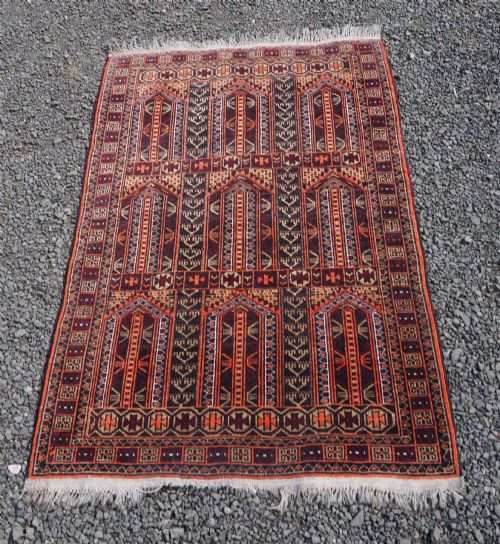


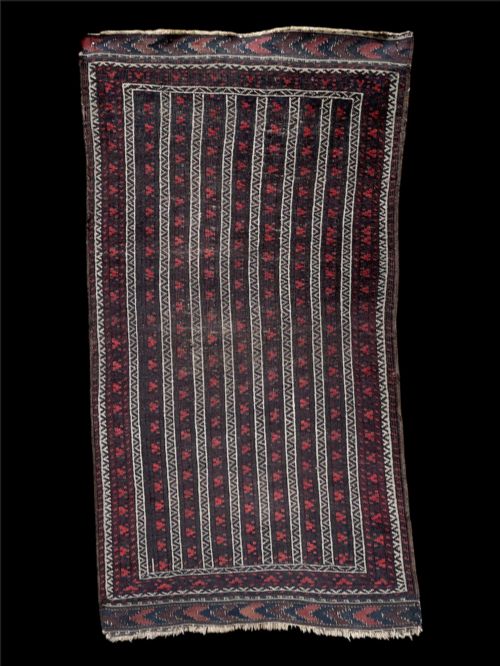


Hand Woven Afghan Rug
A hand woven afghan rug brings deep red tones, geometric tribal motifs and enduring textile traditions directly into your living space.
Hand Woven Afghan Rug
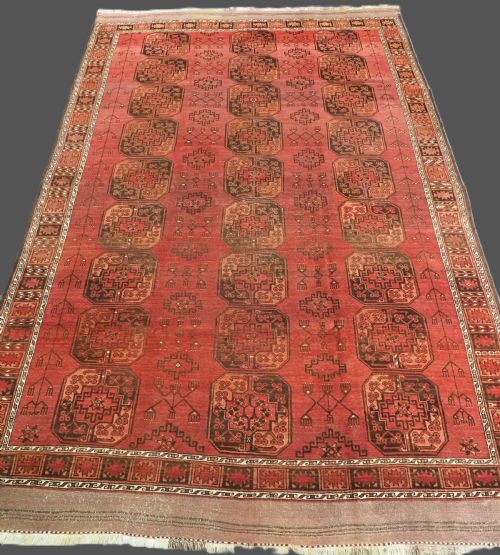
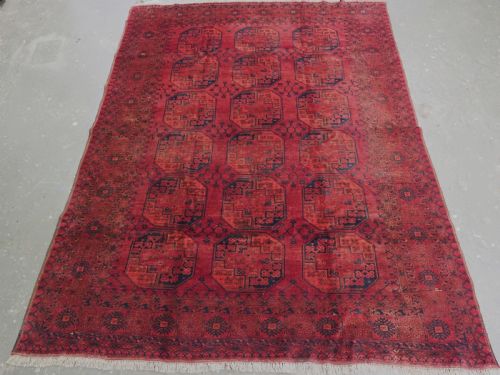
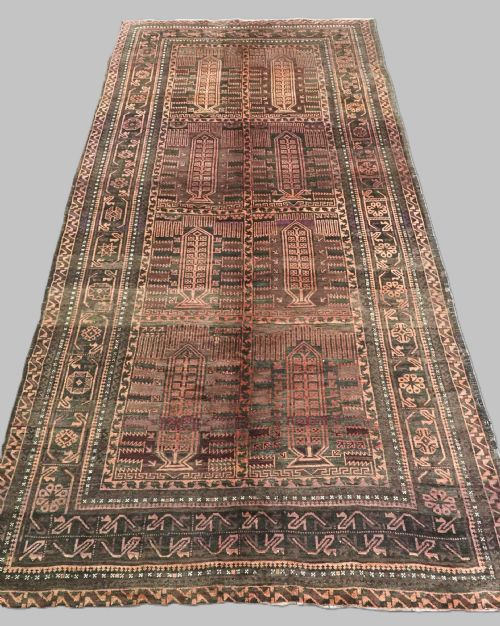
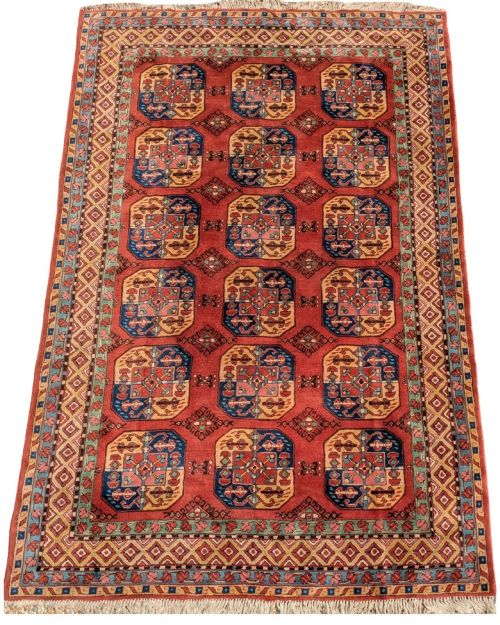
When searching for a hand woven afghan rug, buyers encounter dense tribal carpets and smaller floor coverings originating from Central Asian traditions spanning the late nineteenth and early twentieth centuries. These woven pieces typically display distinct regional patterns such as traditional guls, prayer mihrabs, and pencil box designs rooted in Turkmen, Baluch and Ersari heritage.
The selections available here range from expansive room-size main carpets down to narrow runner rugs and compact area pieces. Most examples emerge from northern and western regions of Afghanistan, showcasing the enduring utilitarian craft of nomadic and village weavers.
How They Were Made
Weavers constructed these textiles predominantly using hand-spun wool for the pile, often paired with cotton or wool foundations, alongside occasional structural support from goat hair or horse hair in older pieces. Artisans relied on natural dyes to achieve deep warm reds, old golds and contrasting dark tones that maintain their richness over decades of use.
Every carpet took shape through meticulous manual knotting on vertical looms, building resilient floor coverings designed for heavy daily wear. The spinning of the yarn and the preparation of the dyestuffs remained entirely manual processes managed within tribal communities.
Listings feature traditional tribal styles including Turkmen, Baluch, and Ersari, spanning foundation materials from cotton and wool to horse hair.
What Varies in Quality
Quality differences stem primarily from the density of the knotting and the fineness of the spun wool, which dictates how sharply the geometric patterns resolve. Tighter foundations and carefully prepared natural dyes produce greater resilience and depth of colour as the textile ages.
The precision of the tribal design work and the integrity of the original selvedges and ends further distinguish superior examples. Pieces retaining structural stability across the goat hair or wool foundations command greater attention from collectors.
Ersari Turkmen·Kizil Ayak Turkmen·Taghan Sub Tribe·Salar Khani Baluch
The Hand Woven Afghan Rug Glossary
- Gul
- A repeating medallion or octagonal motif central to Turkmen and Afghan tribal carpet designs. This primary design element often identifies the specific sub-tribe or region of the weaver.
- Mihrab
- An arch-shaped design element found on prayer rugs, representing the direction of prayer. Weavers often repeat this motif in rows or single panels.
- Pencil box design
- A descriptive term for elongated, compartmented geometric patterns resembling stacked boxes, frequently seen in Timuri and Baluch woven carpets. This layout organises intricate secondary ornaments within structured borders.
- Selvedge
- The reinforced side edge of a rug formed by wrapping the outermost warp threads. Sound selvedges protect the main woven body from fraying during daily use.
Hand Woven Afghan Rug: Frequently Asked Questions
How do I identify an Ersari carpet?
Ersari carpets typically feature warm red colour fields dominated by octagonal guls and traditional geometric border arrangements. These main carpets often display a more relaxed drawing style compared to other Turkmen groups.
Look for wool foundations and substantial room-size formats that reflect the nineteenth and early twentieth-century production traditions of northern Afghanistan.
What is a Baluch prayer rug?
Baluch prayer rugs are smaller format textiles woven with mihrab arches designed to designate a personal space for daily devotions. They frequently incorporate camel hair or dark wool elements alongside distinctive motifs like the Kalam Donneh.
These portable rugs were traditionally utilised by nomadic and village weavers across western Afghanistan.
How should I care for a wool rug?
Regular gentle vacuuming without a rotating brush roll helps remove grit from the wool pile without straining the hand-spun foundation threads. Professional cleaning suited to antique textiles preserves the natural lanolin and dyestuffs.
Keeping the carpet out of direct continuous sunlight prevents the natural red and gold tones from fading prematurely.
How do I date an antique rug?
Dating relies on assessing the natural dye palette, the materials used in the foundation, and the structural wear across the wool pile. Earlier nineteenth-century examples often incorporate goat hair or camel hair alongside looser, more varied structural geometry.
Standardised synthetic dyes and machine-spun yarns generally indicate production past the early twentieth-century period.