




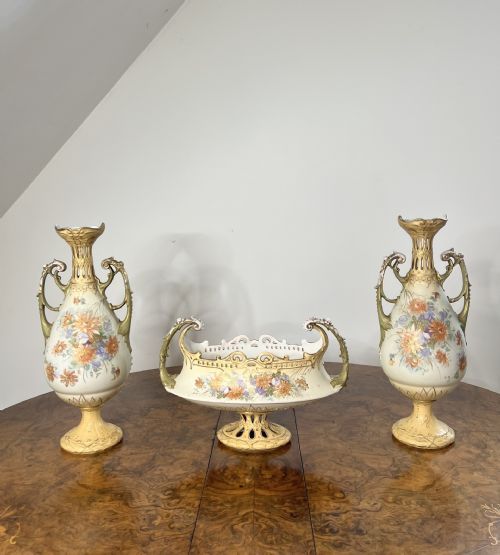
Hand Painted Urn Table
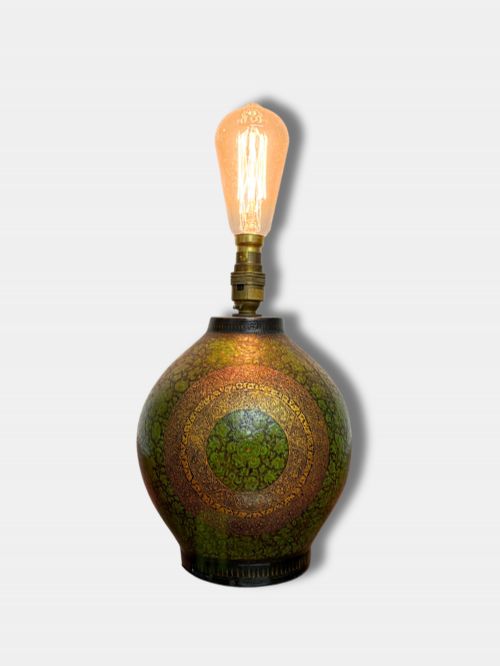
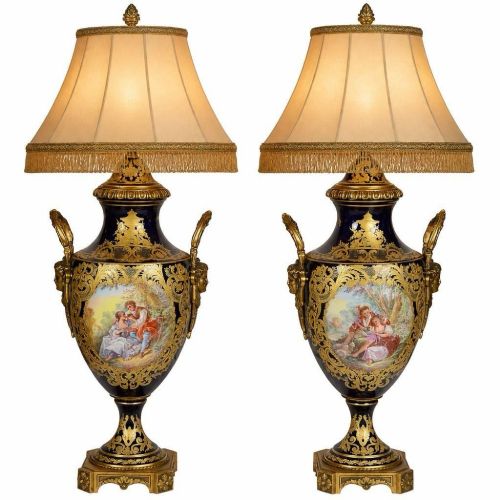
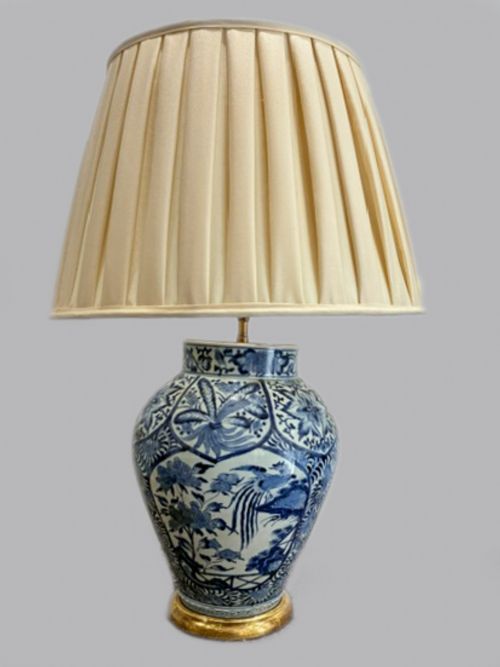
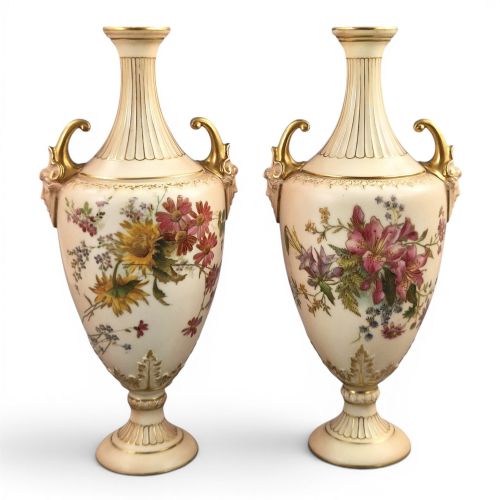
When you search for a hand painted urn table, you meet pieces that blend furniture and painted ceramic form.
Hand Painted Urn Table
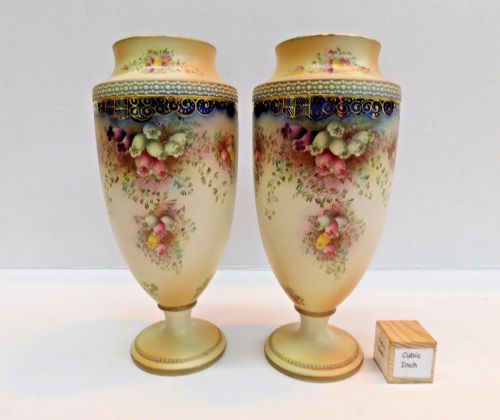
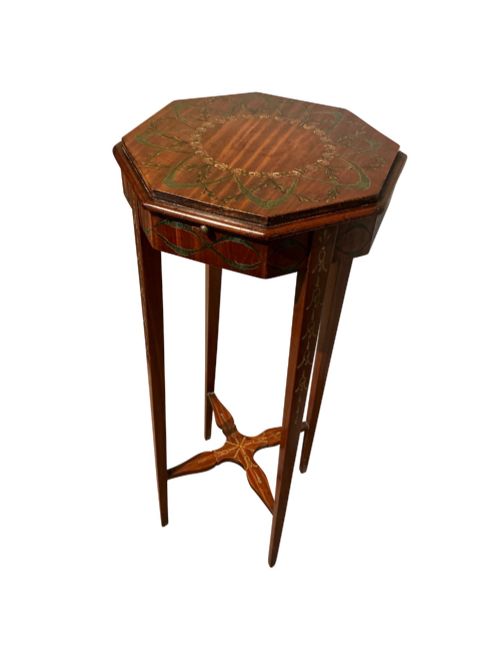
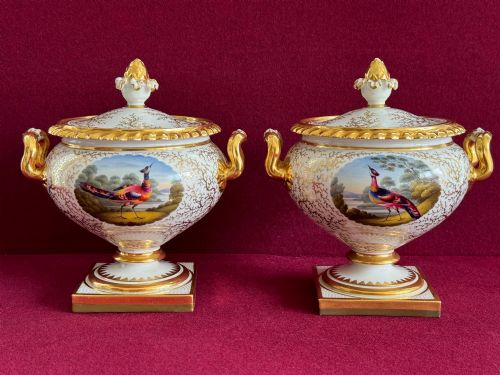
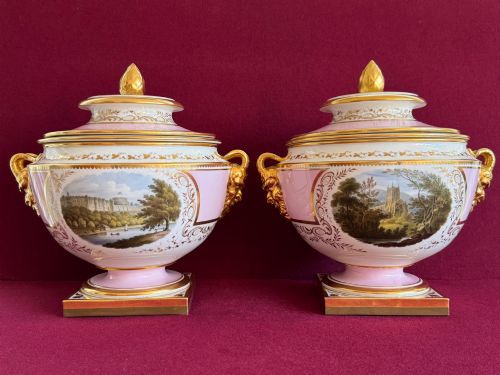
A hand painted urn table brings together decorative stands, small side tables, and urn-shaped vessels adapted into lamps or display pieces. The items span the nineteenth century, Edwardian era, and Regency periods, utilising timber structures alongside ceramic bodies.
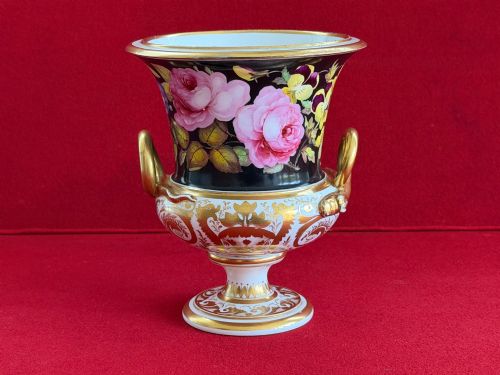
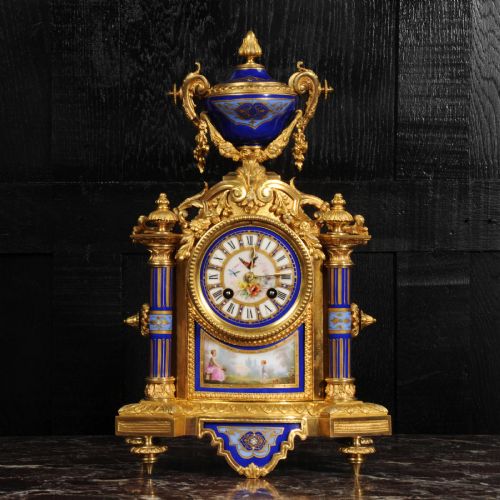
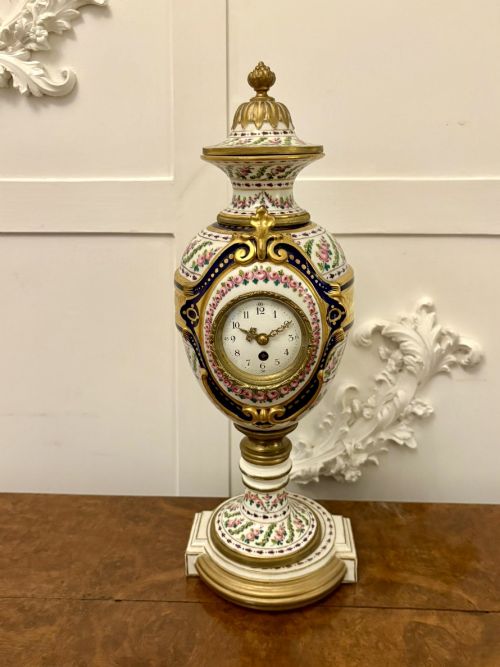
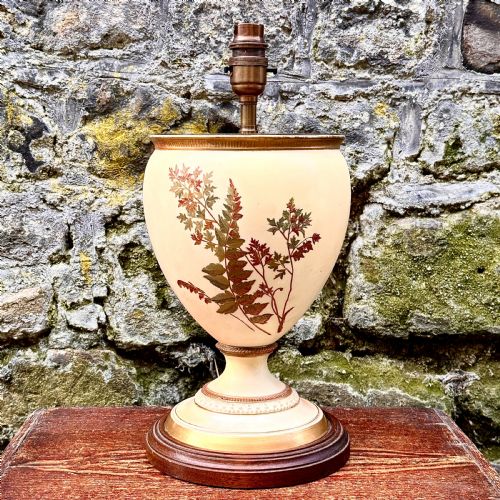
Most examples combine painted satinwood stands or tables with porcelain urns, vases, and jars converted into lighting. The forms range from small octagonal tables and kettle stands to large mantel clocks and ceramic vases with hand-painted details.
Origins stretch across English potteries, French factories, and Asian export wares in Chinoiserie and Imari styles. Buyers encounter both dedicated stands meant for displaying urns and functional tables adorned with painted motifs.
How they were made
Makers utilised fine timbers such as satinwood for the tables and stands, often applying detailed hand-painted decoration directly to the wood surface. Structural framing sits alongside turned supports and delicate legs.
Ceramic elements rely on porcelain, ironstone, and earthenware bodies shaped into urns, vases, and ewers, then hand-painted with floral, figurative, or geometric motifs. Gilding, ormolu mounts, and brass elements add metallic contrast to the painted ceramic and wood.
Hand Painted Urn Table Retail Price Guide 2026
Typical asking prices for hand painted urn table among the pieces listed under this phrase on Sellingantiques today, from the lower quarter to the upper quarter. They describe what is for sale here now, not the wider market.
Listings feature eighteenth, nineteenth, and early twentieth-century pieces, including Regency, Edwardian, and Victorian periods.
What varies in quality
The refinement of the hand-painted decoration dictates the standing of each piece, distinguishing simple floral borders from detailed figural scenes by known artists. Painted satinwood surfaces show variation in the crispness and preservation of the brushwork.
Mounts and hardware also separate standard examples from finer works, with heavy cast ormolu and gilt bronze holding greater presence than simpler brass components. The integration of converted vases into lamps reflects varying degrees of care in preserving the original ceramic body.
William Quaker Pegg·Flight Barr And Barr·Japy Freres·Royal Worcester·Royal Vienna·Miles Mason·Thomas Allen
The Hand Painted Urn Table Glossary
- Satinwood
- A pale, hard timber with a natural sheen, frequently utilised for late eighteenth and nineteenth-century occasional furniture and painted stands. It provides a smooth ground for delicate brushwork.
- Ormolu
- Gilded bronze mounts applied to clocks, furniture, and porcelain bodies. This technique adds decorative weight and metallic contrast to the piece.
- Imari
- A Japanese export porcelain style featuring cobalt blue, iron red, and gold. These pieces were widely collected and imitated in European factories.
- Famille Rose
- A ceramic palette defined by opaque pink enamel, prominent in Chinese export porcelain of the eighteenth and nineteenth centuries. The style appears on vases and lamp conversions.
- Ewer
- A large jug with a wide spout and looped handle, historically used for water but frequently produced as a decorative ornamental piece.
Hand Painted Urn Table: Frequently Asked Questions
What is an urn table?
An urn table is a small stand or small side table designed to support a decorative urn, vase, or lamp base. These pieces often feature painted satinwood surfaces suited for display.
Many examples date from the nineteenth century and incorporate wood frames alongside ceramic or metal vessels.
How do I date a painted urn stand?
Dating relies on timber selection, painted motifs, and the construction methods used in the frame. Satinwood stands with delicate floral decoration commonly point towards the nineteenth century or Edwardian periods.
Maker marks on integrated porcelain or hardware help narrow the production era further.
Are these lamp bases original?
A large proportion of ceramic urns and vases seen here were converted into lamps at a later date, adapting antique vessels for modern lighting. Some conversions retain their original wiring updates while preserving the antique ceramic body.
Checking the mount fittings reveals how the lamp hardware integrates with the antique porcelain or earthenware.
Where were these painted ceramics made?
The ceramic bodies originate from diverse sources, including English factories like Worcester and Derby, European porcelain houses, and Asian kilns in Japan and China. European makers frequently drew inspiration from Eastern motifs.
Chinoiserie designs and Japanese export wares appear alongside domestic porcelain creations.