



Tall Decorative Table
A tall decorative table serves as a striking vertical focal point in a room, offering elevated display space for lighting, plants, or decorative objects.
Tall Decorative Table
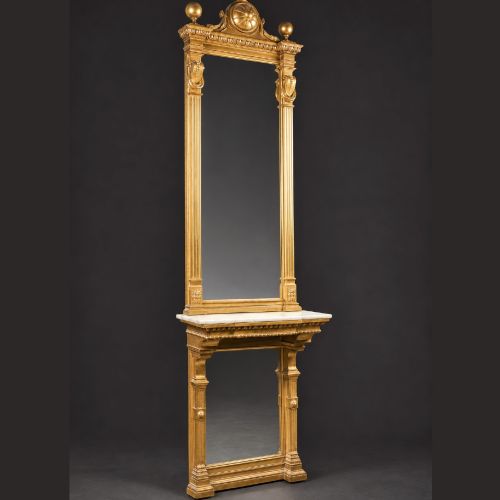
A tall decorative table covers a diverse array of elevated furnishings designed for display rather than heavy daily use. Buyers exploring this category encounter specialised forms such as plant stands, urn stands, pedestals, and slender side tables.
The selection ranges across the nineteenth century and into the early twentieth century, spanning styles from French Chateau and Neoclassical to Amsterdam School and Jacobean Revival. These pieces function as architectural accents within a room, lifting objects of interest to eye level.
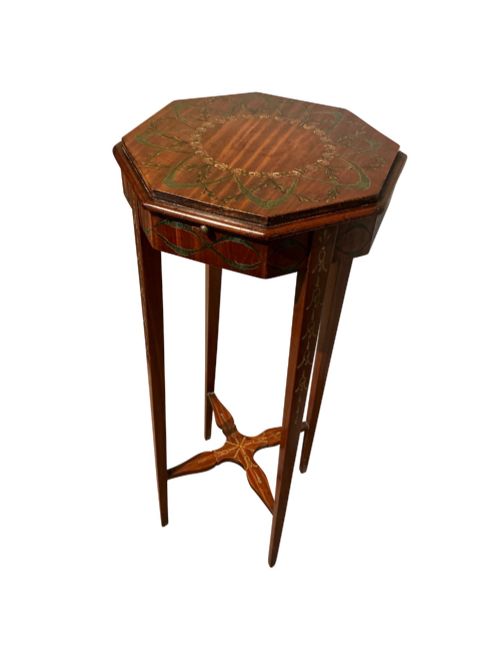
Makers and designers utilised varied cultural influences, producing items that include Anglo-Indian plant stands alongside European painted satinwood urn stands and brass coffee or plant stands. Each object brings a distinct vertical silhouette to interior spaces.
How they were made
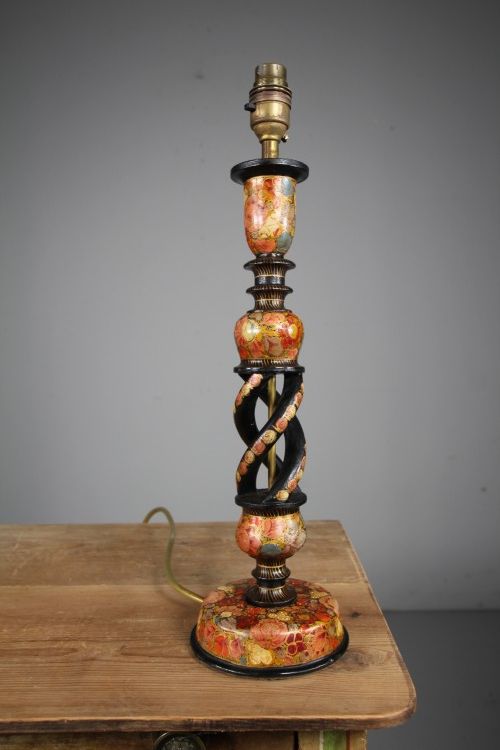
Construction relies heavily on traditional woodworking techniques applied to timbers such as mahogany, oak, and satinwood, frequently enhanced by carved details, paint, or gold leaf. Artisans also incorporated metals, utilising brass, bronze, and ormolu for structural supports, lamp bodies, and decorative mounts.
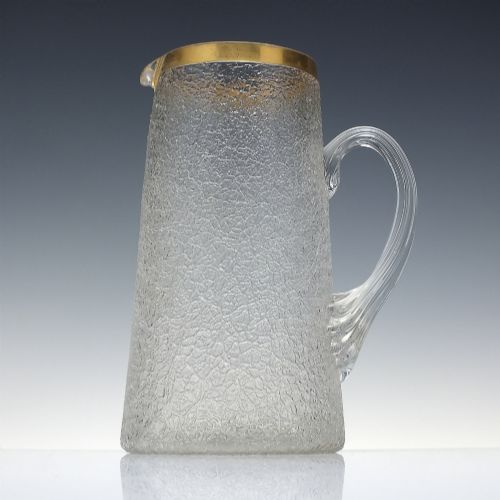
Surface ornamentation defines many pieces in this category, featuring painted wood finishes, faux marble surfaces, and gilded accents. Glass elements appear in overshot water jugs, while marble integration provides stable bases for brass and metal stands.
Tall Decorative Table Retail Price Guide 2026
Typical asking prices for tall decorative table among the pieces listed under this phrase on Sellingantiques today, from the lower quarter to the upper quarter. They describe what is for sale here now, not the wider market.
Even a towering nineteenth-century glass water jug insists on wearing a gilded rim for its daily duties.
What varies in quality
Quality separates through the refinement of surface decoration, such as the precision of painted satinwood details, the application of gold leaf, and the crispness of carved woodwork or cast bronze mounts. Superior pieces display harmonious proportions between their elevated height and supporting base.
Materials dictate the upper tier of the range, where genuine marble tops, heavy ormolu castings, and fine timbers like mahogany distinguish masterwork examples from simpler utilitarian stands.
Auguste Cain·E Raby·Royal Worcester
The Tall Decorative Table Glossary
- Ormolu
- Gilded bronze used widely for decorative mounts and decorative details on nineteenth-century French furnishings. This technique adds a bright metallic sheen to the surface of stands and candelabra.
- Satinwood
- A lustrous tropical timber prized for its smooth grain and pale golden colour. Cabinetmakers frequently used it for fine painted surfaces during the eighteenth and nineteenth centuries.
- Plant Stand
- A tall piece of furniture specifically designed to elevate potted plants off the floor. These items often feature marble inserts or water-resistant surfaces to protect the wood.
- Urn Stand
- A slender elevated table traditionally used to hold tea urns or decorative vases. Their tall proportions place small display items at a prominent height.
- Amsterdam School Style
- An expression of early twentieth-century Dutch architecture and design focused on expressive forms and traditional materials like brass and wood. It yields distinctive geometric silhouettes in plant and lamp stands.
Tall Decorative Table: Frequently Asked Questions
What is a tall decorative table used for?
These elevated pieces serve primarily to display decorative objects, lighting, or plants at eye level rather than for heavy practical tasks.
Their narrow profile allows them to fit into corners or narrow hallways where standard furniture would crowd the space.
How do I date a tall wooden stand?
Dating relies on examining the timber types, construction methods, and stylistic cues such as nineteenth-century revival motifs or specific painted finishes.
Hardware, joinery, and wear patterns on the base also offer reliable clues to the period of manufacture.
Are these tables sturdy enough for plants?
Many pieces in this category, including dedicated plant stands and jardinières, were specifically constructed to support the weight of heavy pots.
Stands featuring marble tops or solid wood bases provide particular stability for living greenery.