





Hand Painted Trinket Dish
A hand painted trinket dish gathers small treasures on a dressing table, bringing porcelain and enamel work close at hand.
Hand Painted Trinket Dish
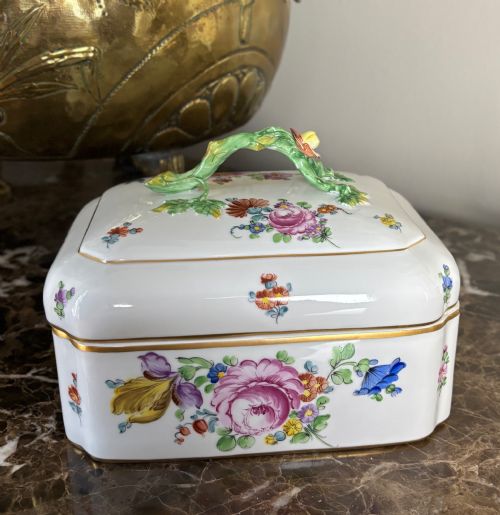
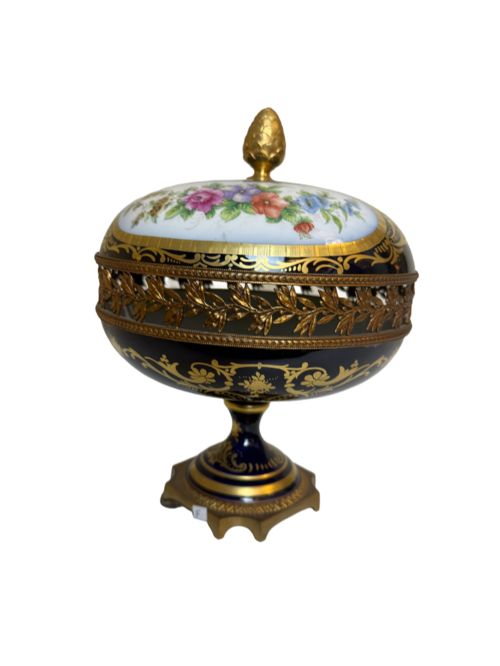
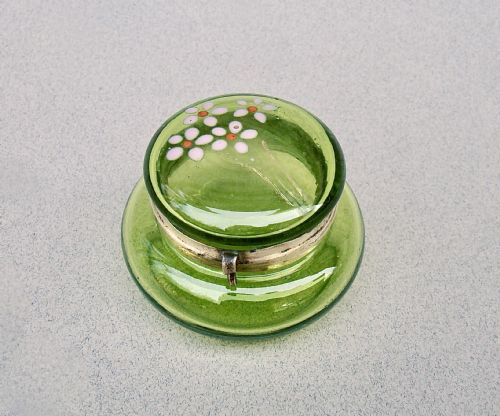
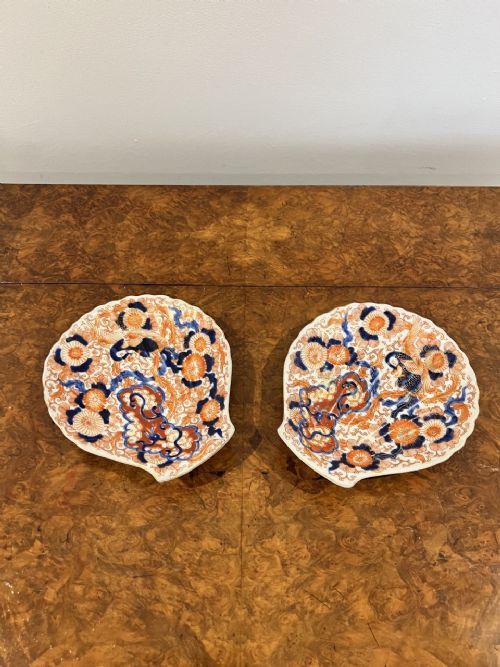
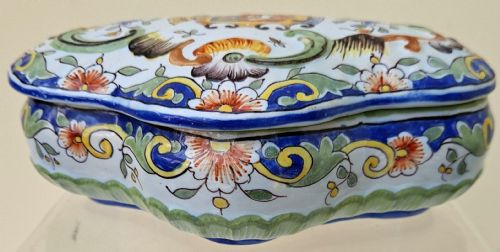
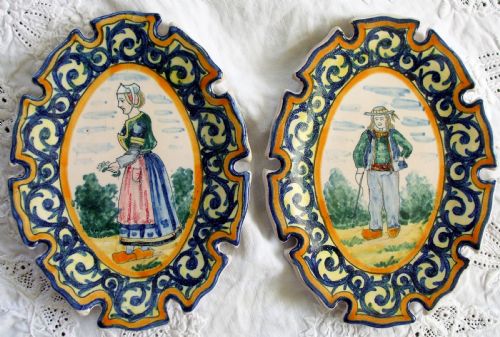
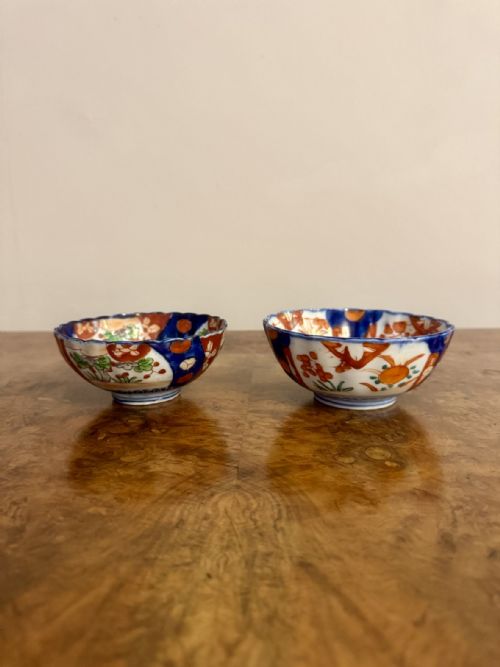
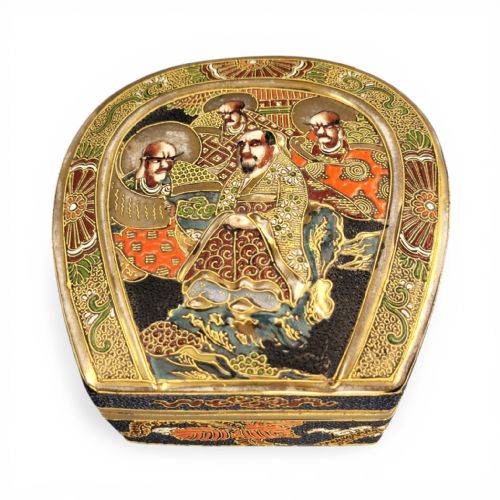
A hand painted trinket dish serves as a small receptacle for pins, rings, and coins, taking the form of circular bowls, shell-shaped plates, and lidded boxes. These pieces emerge from periods ranging through the eighteenth, nineteenth, and twentieth centuries, originating from English, French, German, and Japanese workshops.
The buyer on this page encounters porcelain dishes, earthenware pin trays, and enamel patch boxes decorated with floral sprays and landscape scenes. Factory wares from makers such as Royal Worcester and Dresden sit alongside Japanese Imari and Kutani items, reflecting diverse global traditions of domestic porcelain.
Vessels span from simple vide-poche dishes meant for empty pockets to elaborate porcelain boxes with gilt detailing and fitted covers. Each object balances utility with decorative painting, executed by artists working in styles from Rococo Revival to Art Deco.
How They Were Made
Potters shaped ceramic bodies from porcelain, earthenware, and faience pastes, throwing or moulding them into specific vessel forms before firing. Glazes were applied to create smooth, vitreous surfaces suited for detailed polychrome painting.
Craftsmen painted motifs by hand using mineral pigments, often adding gold leaf or gilt detailing to rims and panels before a final kiln firing fixed the colours. Enamel pieces fused vitreous glass powders onto metal or glass bases through intense heat.
Factories employed specialised artists to paint botanical sprays, figural scenes, and heraldic patterns directly onto the fired glaze. Gilding was burnished to achieve a contrasting matte and bright finish against the painted ground.
Some nineteenth century ladies required tiny enamel patch boxes merely to hold decorative face patches made of silk.
What Varies in Quality
The quality of the porcelain body and the richness of the gilding separate basic items from finer productions. Thin, translucent porcelain pastes and heavy applications of gold leaf indicate superior craftsmanship during manufacturing.
Paul Müller Selb·Royal Worcester·Toshozan·Helena Wolfsohn·Wedgwood
The Hand Painted Trinket Dish Glossary
- Imari
- Japanese export porcelain decorated in underglaze blue, iron red, and gold. The style originated in the Edo period and inspired European copies.
- Bonbonniere
- A small decorative box designed to hold sweets or confections. These containers often feature hinged lids and detailed hand-painted scenes.
- Vide-poche
- A small tray or dish intended for emptying pockets upon entering a room. The term translates from French as empty pocket.
- Blush Ivory
- A cream-coloured porcelain body developed by Royal Worcester. It provides a soft matte ground for delicate floral painting.
Hand Painted Trinket Dish: Frequently Asked Questions
What were hand painted trinket dishes used for?
These small vessels held personal items like pins, rings, and small keepsakes on dressing tables and desks.
Wealthy households also used smaller enamel boxes for patches or sweet confections during social visits.
How do I date a porcelain dish?
Makers often stamped or painted factory marks onto the underside of the ceramic base. Style periods, such as Art Deco or Rococo Revival, also provide chronological bounds.
Material composition and the style of the hand-painted decoration offer further clues to the decade of manufacture.
How do I clean antique porcelain?
Dust surfaces gently with a soft, dry brush to remove particles without damaging the painted enamel or gilt edges. Avoid submerging pieces with metallic mounts or delicate enamel work in water.
Warm water and mild soap suffice for sturdy glazed porcelain, but professional advice should be sought for fragile pieces.