

Hand Painted Pottery Figure
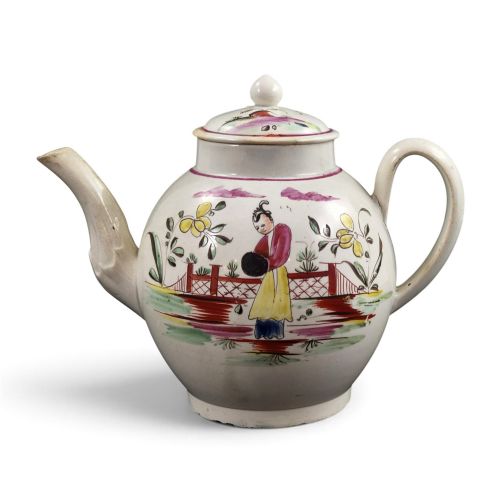
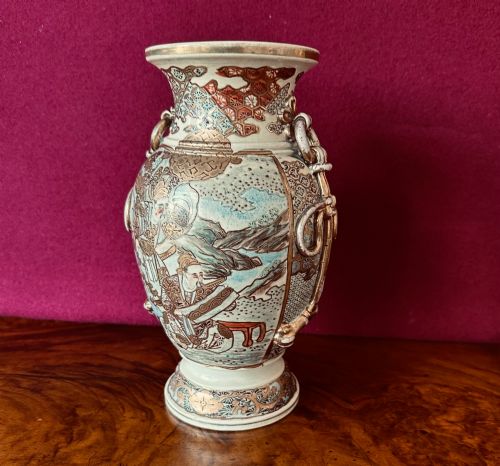
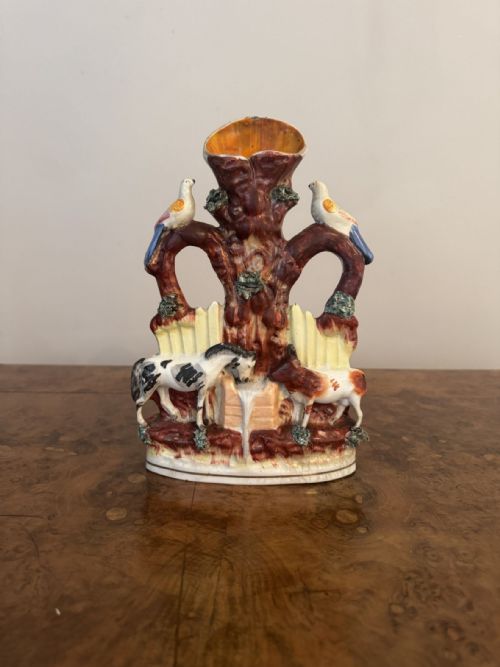
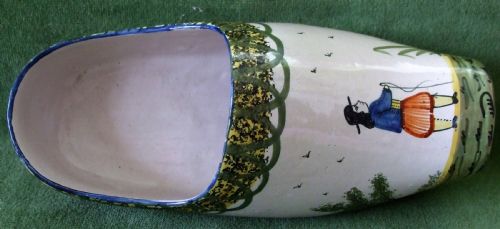
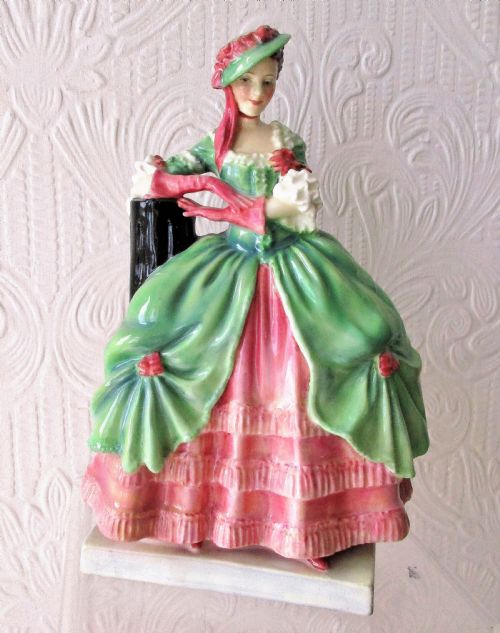
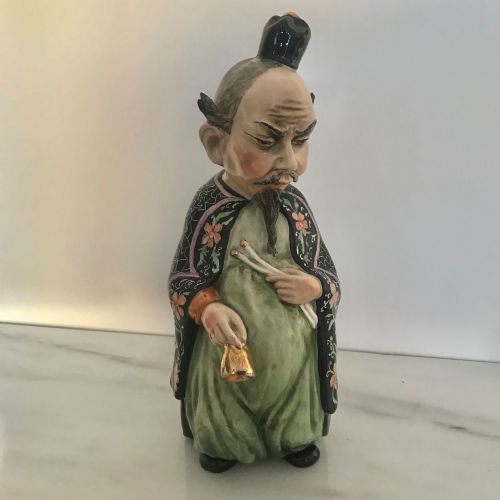
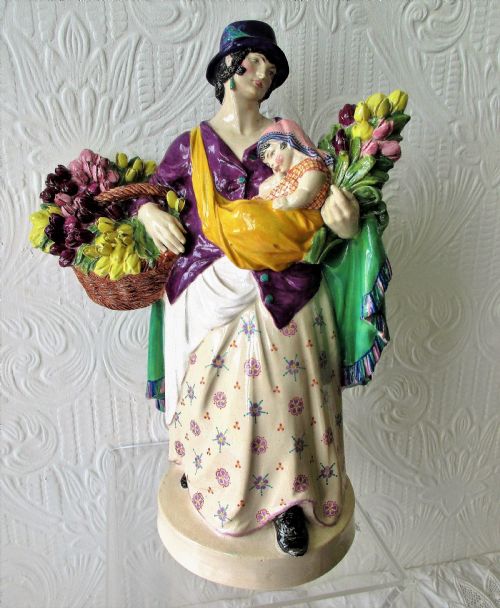
A hand painted pottery figure brings tactile colour and narrative depth into a room, spanning Victorian Staffordshire and Japanese Satsuma.
Hand Painted Pottery Figure
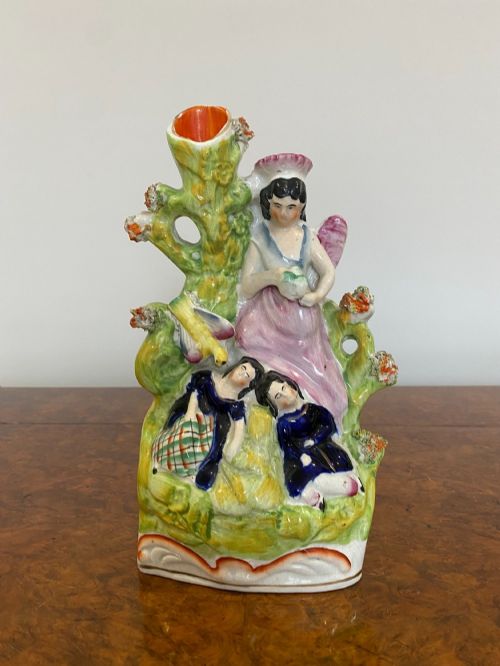
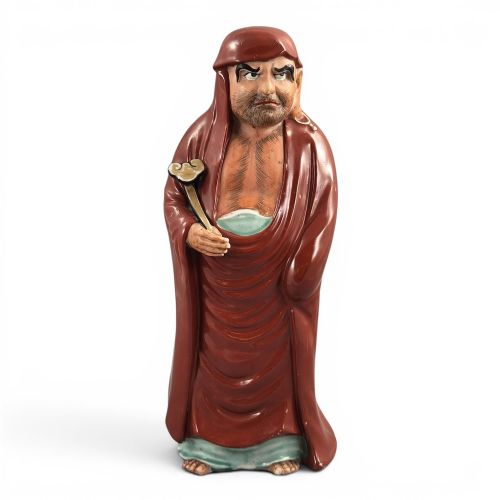
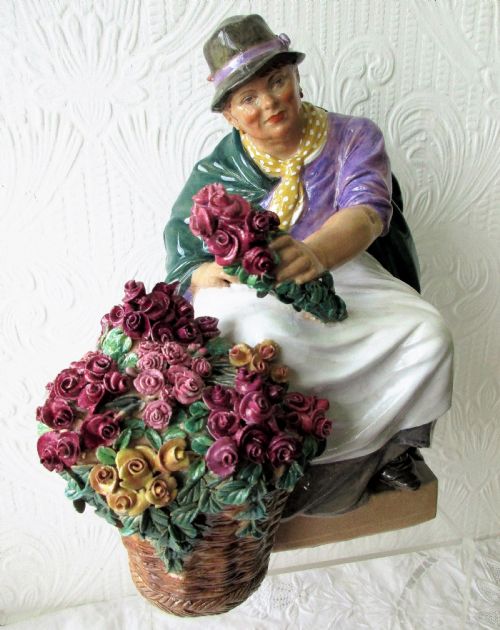
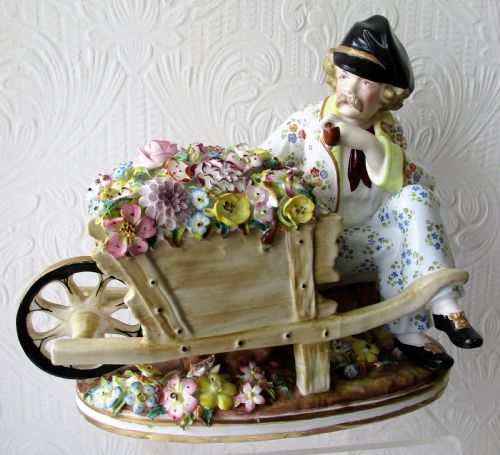
A hand painted pottery figure encompasses sculptural ceramics ranging from British Staffordshire earthenware groups to Japanese Satsuma and Kutani porcelains. These objects depict human characters, animals, and historical subjects modelled for domestic display.
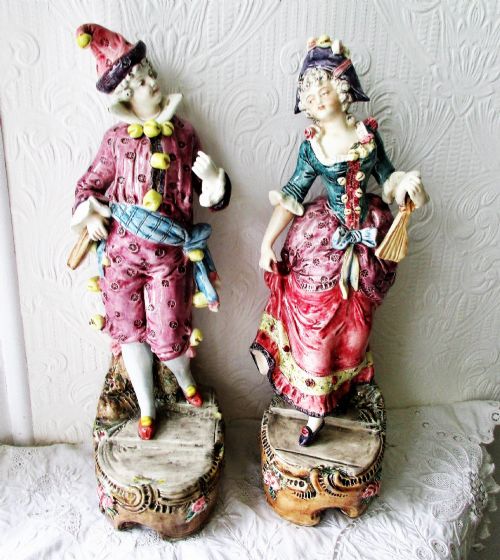
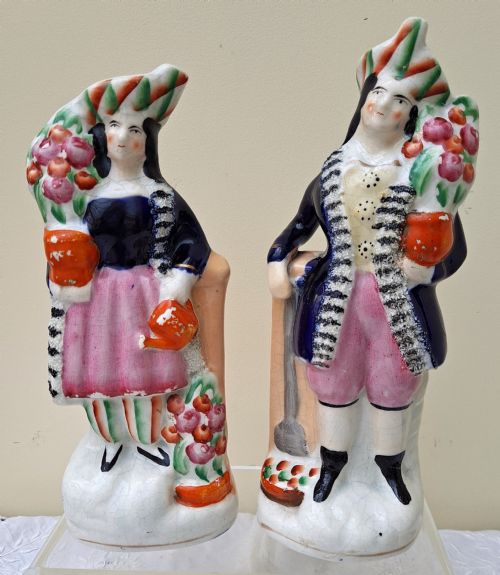
The most frequent examples encountered here are Victorian Staffordshire flatback figures, alongside French earthenware figurines and Japanese ceramic okimono. Buyers find both single display pieces and matched pairs designed for mantlepieces and cabinets.
How They Were Made
Potters shaped these bodies from earthenware, porcelain, and clay before applying polychrome enamel glazes, gold leaf, and gilt details by hand. Many pieces underwent multiple firings to fix the underglaze colours and surface enamel work.
Techniques varied across regions, from the slip-cast and hand-painted Staffordshire earthenware methods to the intricate enamelling found on Japanese Satsuma and Kutani wares.
Hand Painted Pottery Figure Retail Price Guide 2026
Typical asking prices for hand painted pottery figure among the pieces listed under this phrase on Sellingantiques today, from the lower quarter to the upper quarter. They describe what is for sale here now, not the wider market.
Materials appearing across the inventory include earthenware, porcelain, clay, enamel, and gold leaf.
What Varies in Quality
Quality rests upon the precision of the hand painting and the crispness of the modelling in the clay body. Finer examples display confident brushwork, delicate facial expressions, and well-preserved gilding without blurring.
The depth of the glaze palette and the subtlety of the enamelling distinguish standard production items from superior works produced by skilled studio potters and established potteries.
Charles Vyse·John Bevington·Royal Doulton·Gao Hengsheng
The Hand Painted Pottery Figure Glossary
- Earthenware
- A porous pottery body fired at lower temperatures, commonly used for nineteenth-century Staffordshire figures. It requires a glaze layer to hold liquids and display enamel decoration.
- Satsuma
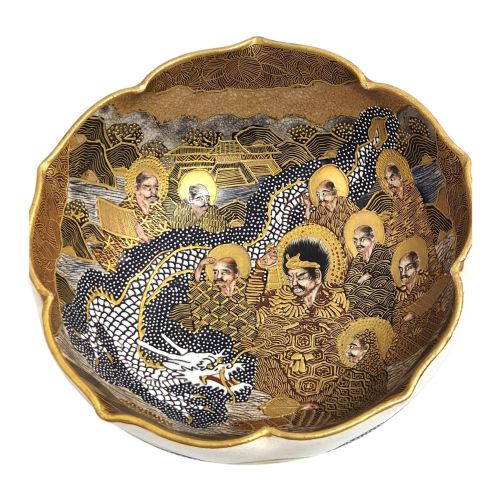
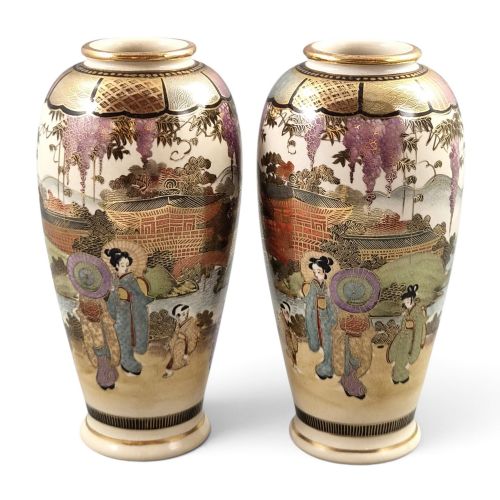
- A type of Japanese earthenware originating from Satsuma Province, characterised by an ivory crackle glaze decorated with elaborate enamels and gilt. It gained significant popularity during the Meiji period.
- Flatback
- A Staffordshire figure modelled with a finished front and a flat, unpainted or minimally decorated rear side intended to stand against a wall. This technique saved clay and production time.
- Okimono
- A traditional Japanese decorative figurine designed for display on a shelf or in a tokonoma alcove. These sculptures portray figures, deities, and animals with careful attention to naturalistic detail.
Hand Painted Pottery Figure: Frequently Asked Questions
What is a Staffordshire flatback figure?
Staffordshire flatback figures are earthenware sculptures produced in England during the nineteenth century, designed specifically to sit flush against a wall on a mantelpiece.
Potters left the backs unglazed and largely unmodelled because the pieces were meant to be viewed entirely from the front.
How do I identify Satsuma pottery?
Satsuma pottery is recognised by its distinctive pale, ivory-coloured earthenware body covered in a fine network of transparent crackle glaze.
These pieces feature intricate hand-painted enamel designs heavily accented with gold leaf and gilt.
Where were these figures displayed originally?
These decorative figures and vases were made for middle-class and elite domestic interiors, placed prominently on mantelpieces, sideboards, and drawing-room cabinets.
Pairs of dogs, gardeners, and pairs of vases were arranged symmetrically to anchor interior decorative schemes.
What is the difference between earthenware and porcelain?
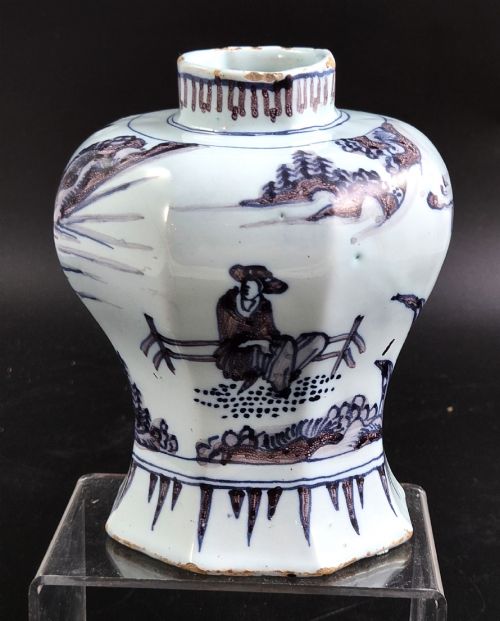
Earthenware is a heavier, porous ceramic material fired at lower temperatures, requiring an opaque or transparent glaze to seal the body.
Porcelain is a denser, vitrified ceramic made from kaolin that rings when struck and can remain partially translucent.