
Hand Painted Porcelain Jar
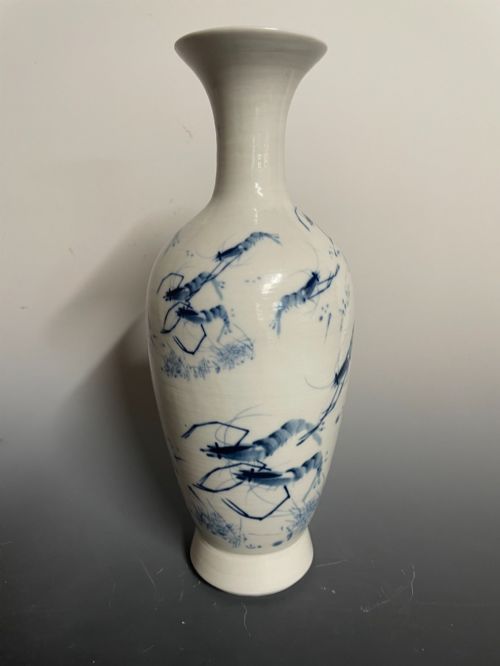
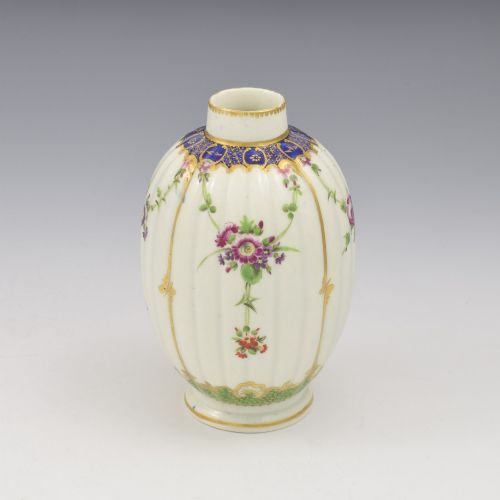
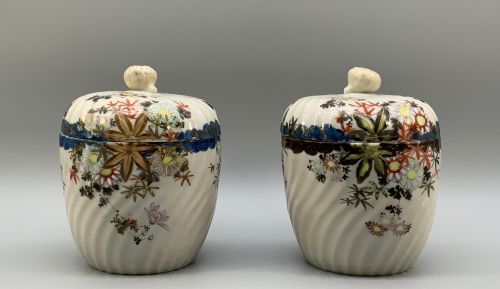
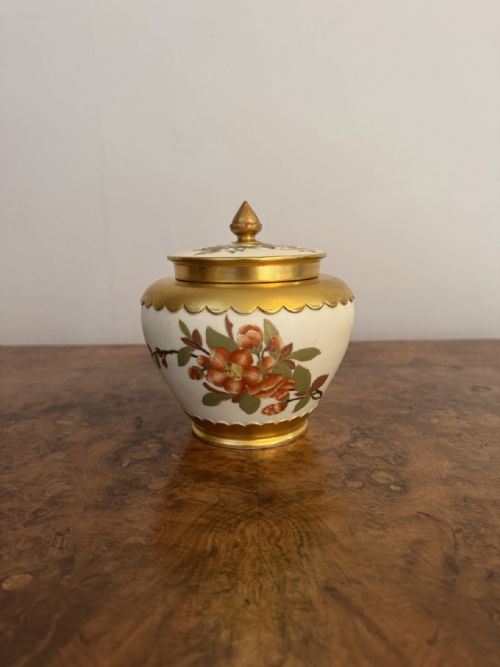
These hand painted porcelain jar pieces bring depth and colour to any room, offering traditional form combined with careful brushwork.

What They Are
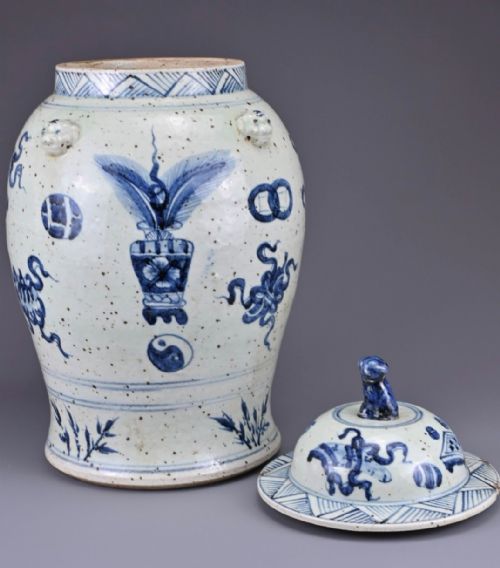
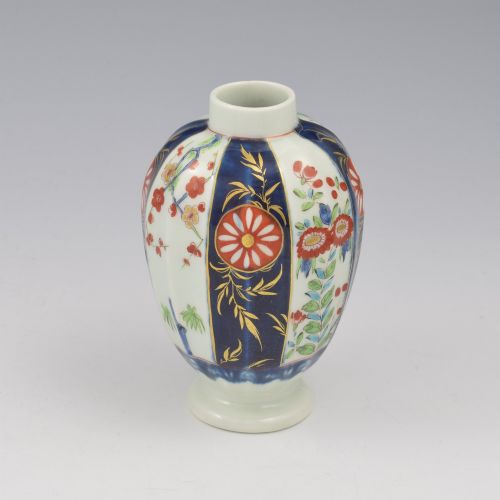
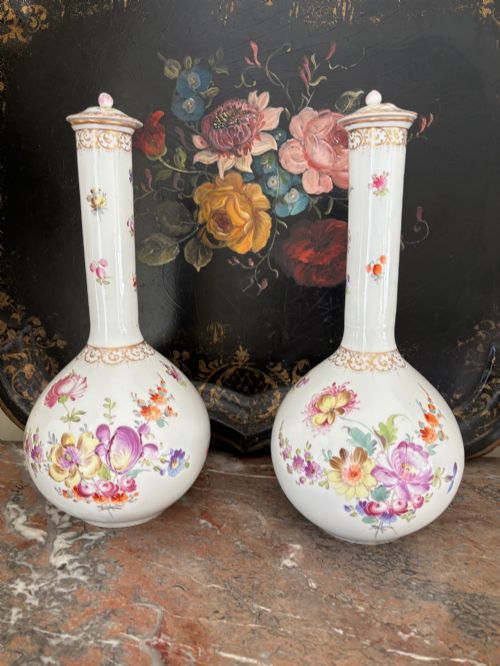
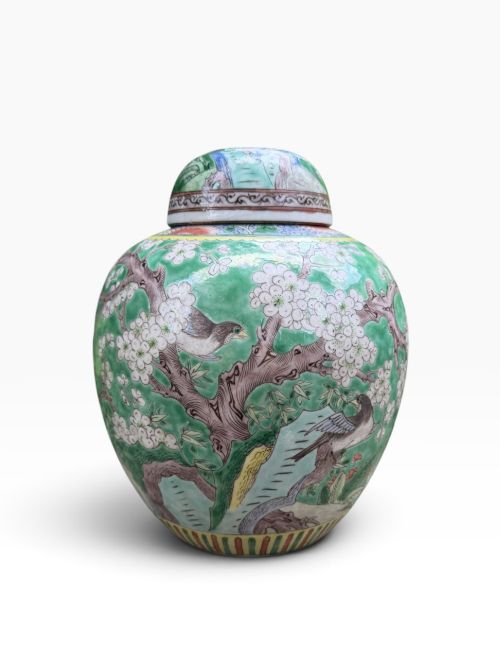
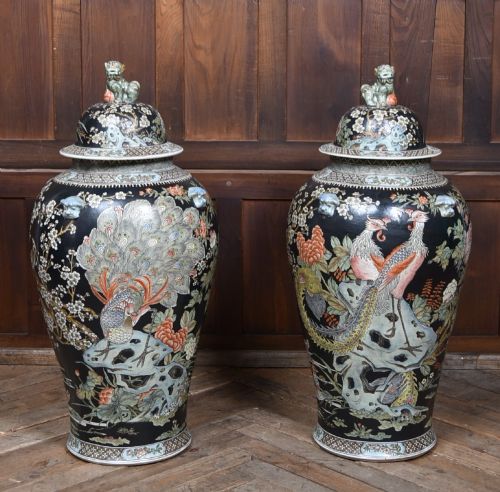
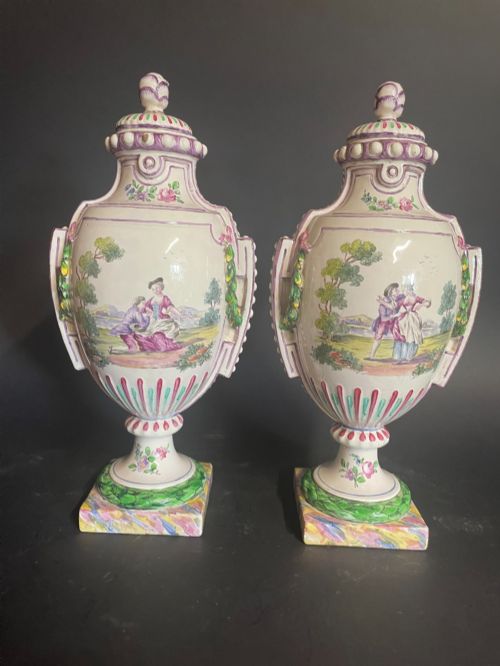
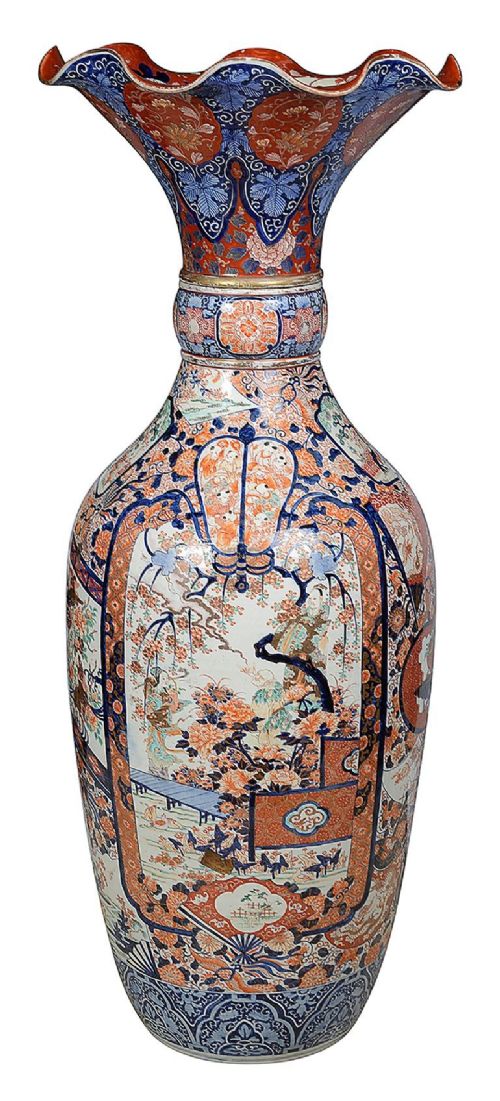
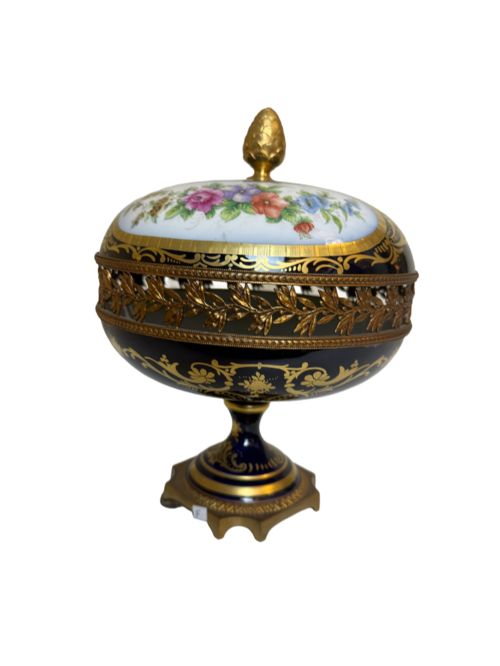
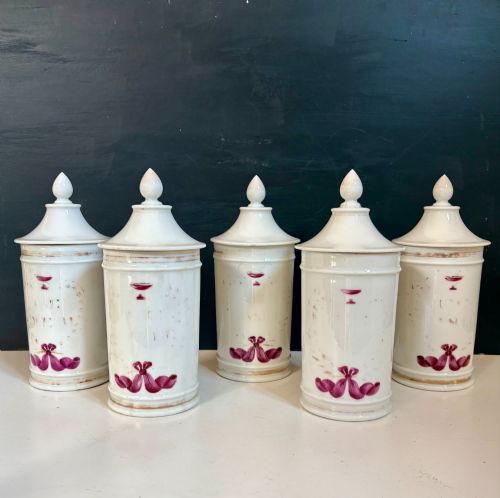
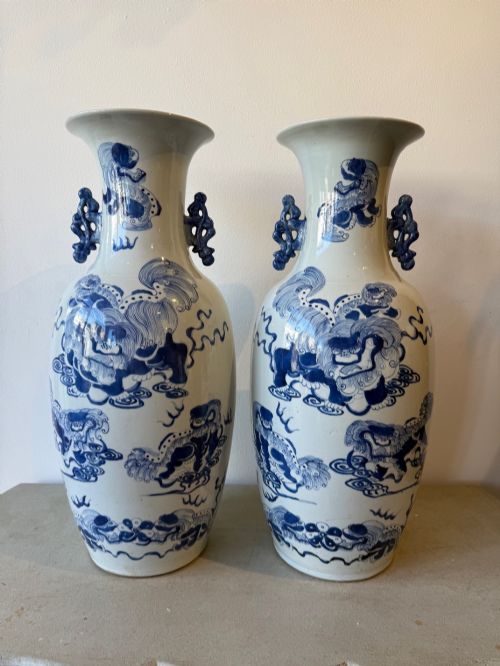
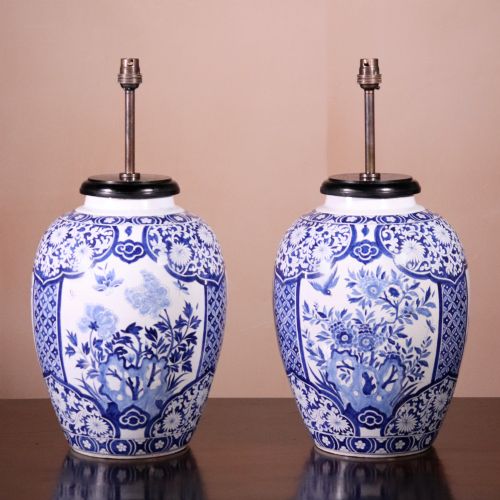
A hand painted porcelain jar covers lidded vessels, ginger jars, lidded pails, and pot pourri vases originating from both European and Asian traditions. The selection spans the nineteenth century up to the mid twentieth century, encompassing Victorian English works alongside Chinese provincial pieces and Japanese Meiji period examples.
Buyers encounter forms decorated with cobalt blue, polychrome enamels, and gold leaf accents. These vessels served functional roles in storage and display, translating traditional aesthetics into domestic decorative objects.
How They Were Made
Makers shaped these pieces from ceramic bodies including porcelain and earthenware before applying refined glazes. Artisans utilised cobalt oxide and coloured enamels to build up intricate surface patterns by hand.
Many examples incorporate gold leaf details applied over the glaze and fired to bond with the ceramic surface. Lids and bodies were thrown or moulded, frequently featuring hand painted floral or figurative scenes.
Retail Price Guide 2026
Typical UK retail prices for hand painted porcelain jar, calculated from the Sellingantiques database of over a million retail prices indexed since 2003. This retail price guide relies exclusively on Sellingantiques data; no external sources or auction records are used, so the figures do not describe the wider market.
Listings feature materials including porcelain, earthenware, cobalt glaze, and gold leaf across the nineteenth and twentieth centuries.
What Varies in Quality
The distinction between standard and superior pieces rests entirely upon the precision of the brushwork and the clarity of the glaze. Finer examples display controlled, detailed painting by named artists rather than repetitive factory decoration.
Weight, balance, and the crispness of moulded elements separate ambitious works from simpler production wares. The depth of the enamel colours and the integration of gold leaf indicate the level of care taken in the kiln.
The Hand Painted Porcelain Jar Glossary
- Porcelain
- A hard, fine-grained ceramic fired at high temperatures to create a vitrified, non-porous body. It forms the primary white base for delicate painted decoration.
- Cobalt Glaze
- A deep blue colourant applied beneath or over the glaze before firing. It produces vibrant blue tones that remain stable under intense heat.
- Enamel
- Opaque coloured glass fused to the porcelain surface during a secondary low-temperature firing. This technique allows for a broad palette of rich hues.
- Gold Leaf
- Extremely thin sheets of beaten gold applied to the ceramic surface for decorative highlights. It adds reflective warmth to the painted design.
- Ginger Jar
- A globular vessel with a wide mouth and a flat or domed lid, originally designed for storing spices. Later periods adopted the form purely for decorative display.
Frequently Asked Questions
What were these jars used for?
These vessels originally served to hold dry goods, spices, or pot pourri within period interiors. Their lids kept contents secure while the painted exteriors added decorative interest to mantelpieces and side tables.
Over time, many transitioned into pure display pieces, valued for their craftsmanship and the cultural motifs recorded on their surfaces.
How do I date a porcelain jar?
Dating relies on examining the style of the painted decoration, the type of glaze, and any factory marks or signatures present on the base. Victorian and Meiji period pieces often exhibit specific colour palettes and potting techniques tied to their era of manufacture.
Comparison with documented pieces from makers such as Minton or Royal Worcester helps narrow the decade of production.
How do I care for hand painted porcelain?
Display these jars away from direct sunlight to protect enamel colours and gold leaf details from fading over time. Dust gently with a dry, soft cloth rather than using chemical cleaning agents.
Avoid placing them near heat sources or in areas subject to sudden temperature changes to preserve the glaze integrity.
What is the difference between Chinese and Japanese pieces?
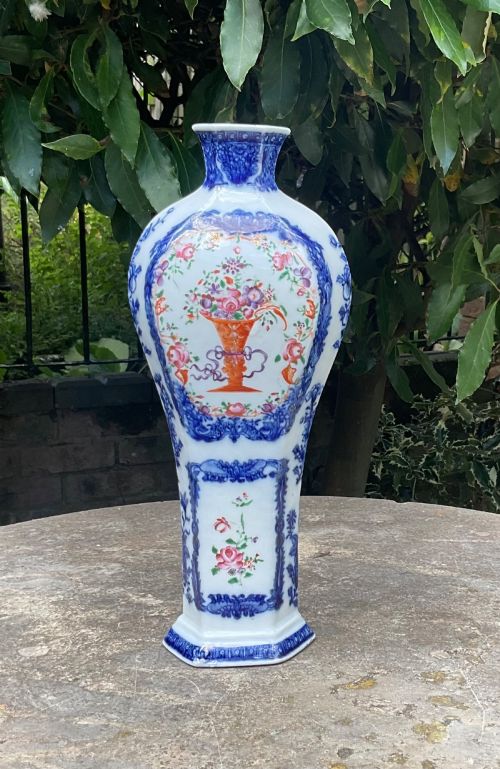
Chinese pieces often feature Qing dynasty motifs such as birds and flowers rendered in famille rose palettes or cobalt blue. Japanese Meiji period items typically display distinct aesthetic qualities associated with regional potteries like Fukagawa.
Brushwork styles and signature formats also help distinguish between the two traditions.