




Hand Painted Pheasant Porcelain
Hand painted pheasant porcelain brings British game birds into the interior, offering detailed feather work on fine ceramics.
Hand Painted Pheasant Porcelain
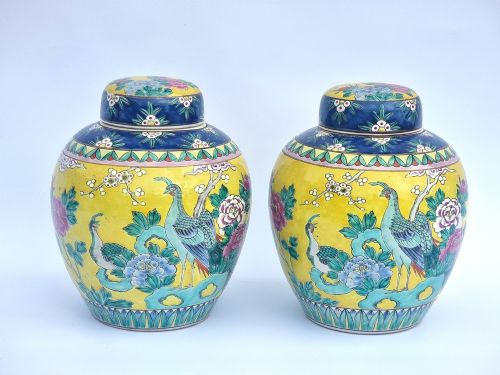
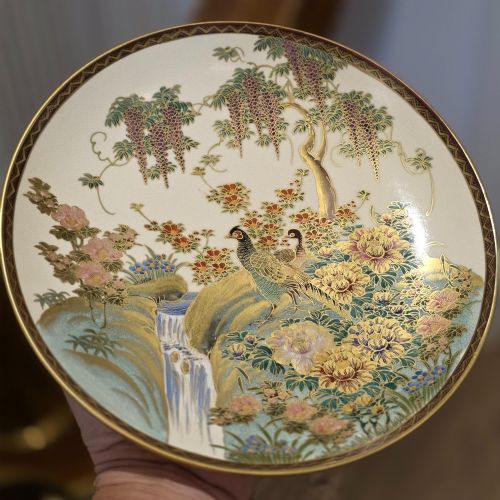
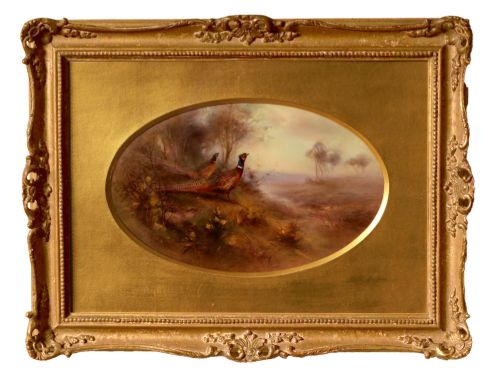
Hand painted pheasant porcelain comprises decorative vessels, plaques and tableware featuring hand painted depictions of game birds. Buyers seeking hand painted pheasant porcelain encounter various forms ranging from cabinet plates and vases to wall art and pot pourri urns.
The objects stem from several periods including the Regency era, the Edwardian period, and the early twentieth century. Royal Worcester pieces dominate the selection alongside examples from Meiji period Satsuma, Chinese export porcelain, and Samson.
Materials and techniques
Makers utilised porcelain and earthenware as the primary base materials, shaping them into vases, bowls, and plates. Enamel colours were applied by hand to render the plumage of the birds.
Details were frequently enhanced with gold leaf and gilding to highlight borders and rims. Certain decorative elements incorporated glass or gilt wood mounts.
Hand Painted Pheasant Porcelain Retail Price Guide 2026
Typical asking prices for hand painted pheasant porcelain among the pieces listed under this phrase on Sellingantiques today, from the lower quarter to the upper quarter. They describe what is for sale here now, not the wider market.
James Stinton painted so many pheasants that British birds of the era surely recognised his paintbrush on sight.
Assessing quality in hand painted pheasant porcelain
Quality rests upon the precision and naturalism of the bird painting, where individual brushwork defines the texture of the plumage. Master painters executed finer feather detail and more expressive bird postures.
The reputation of the manufactory and the presence of a recognised signature elevate the standing of the piece. Preservation of the enamel colours and the integrity of the gilding also distinguish superior examples.
James Stinton·Royal Worcester·Chamberlain Worcester·Koshida·Hadley Ware·Samson
The Hand Painted Pheasant Porcelain Glossary
- Cabinet plate
- A decorative plate intended for display in a cabinet rather than for table service. These often feature detailed pictorial scenes.
- Gilding
- The application of gold leaf or gold dust to the surface of porcelain. This technique adds metallic highlights to borders and handles.
- Enamel
- Opaque glass used as a coloured paint on ceramics. Firing fuses the enamel to the porcelain body.
- Pot pourri
- A vessel designed to hold dried scented plant material, featuring a pierced lid to release fragrance. These often take the form of urns.
- Famille rose
- A Chinese ceramic palette characterised by opaque pink or rose enamel colours. This style appeared on export wares depicting birds and flowers.
Hand Painted Pheasant Porcelain: Frequently Asked Questions
Who painted these pheasant ceramics?
Many British pieces from this group bear the work of specialised bird painters, most notably James Stinton, who decorated numerous Royal Worcester items.
Other examples originate from factories such as Chamberlain Worcester or international workshops including Satsuma makers like Koshida.
How should I display cabinet plates?
Cabinet plates are designed for visual presentation rather than dining use. They fit well mounted in wall brackets or displayed upright on plate stands inside glass cabinets.
Positioning them away from direct sunlight preserves the hand painted enamel colours.
What periods do these pieces span?
The available selection covers multiple eras, ranging from Regency items dating to the early nineteenth century through to Edwardian and 1920s productions.
Earlier nineteenth century items sit alongside Meiji period Japanese wares and twentieth century British porcelain.
Are these items purely decorative?
Most objects in this category, including vases, plaques, and pot pourri urns, serve a primarily ornamental function. Items like jugs and decorative bowls offered utility alongside their painted scenes.
Their main purpose remains the display of detailed avian artistry.