



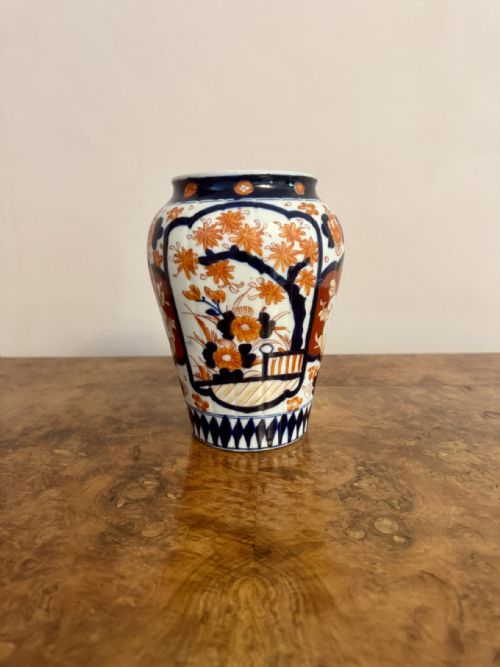
Hand Painted Japanese Pottery
Hand painted japanese pottery brings together delicate Satsuma earthenwares, Imari porcelains and Kutani vases from the nineteenth and early twentieth centuries.
Hand Painted Japanese Pottery
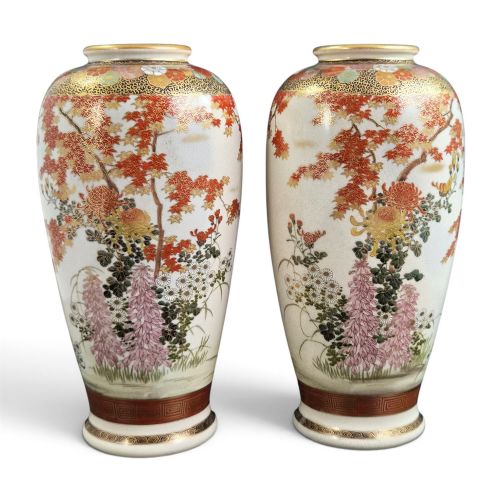
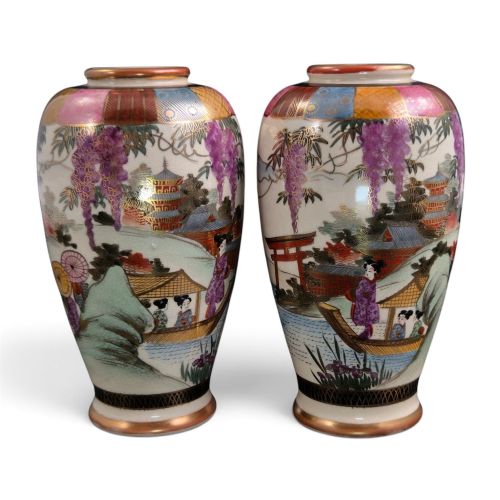
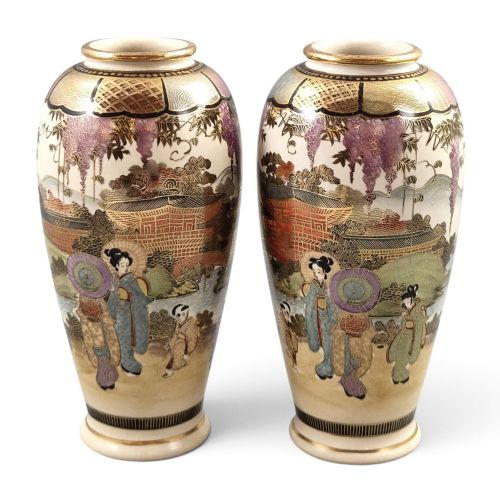
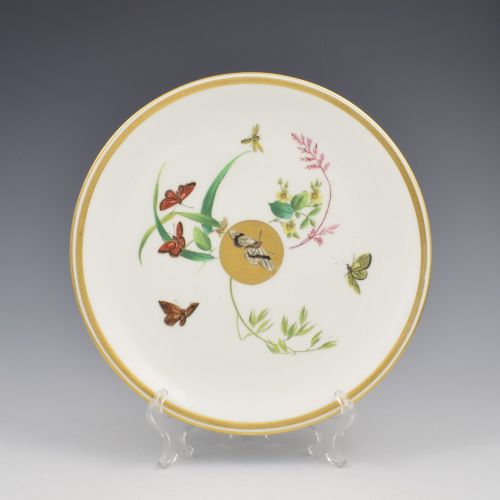
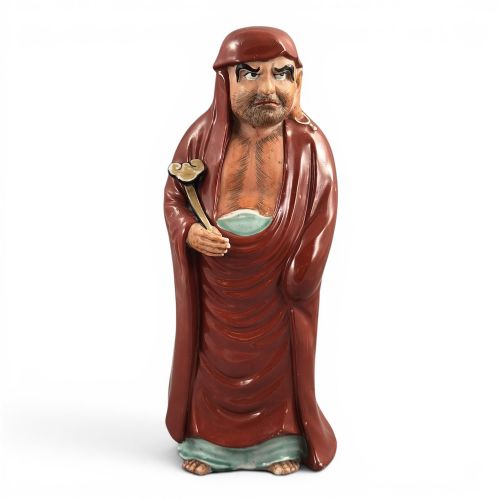
When you search for hand painted japanese pottery, you encounter a rich selection of vases, decorative bowls, plates, incense burners and tea caddies spanning the Meiji and Taisho periods, alongside Victorian and Edwardian interpretations.
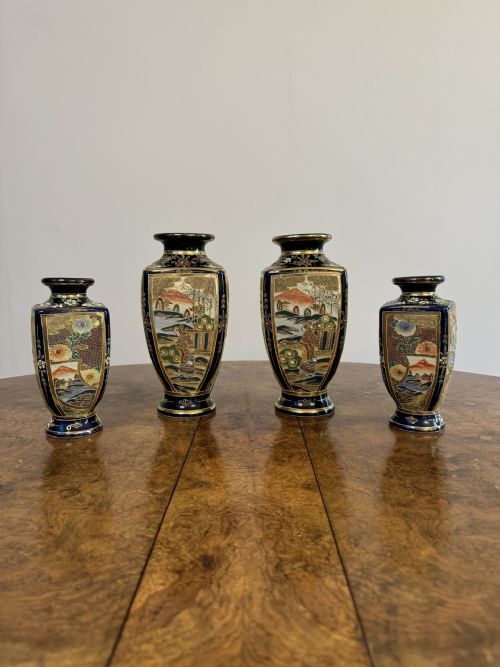
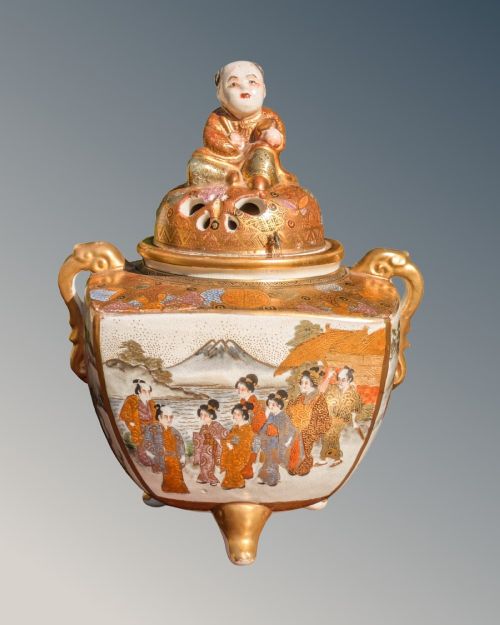
The objects on this page centre heavily upon Satsuma ware earthenwares with intricate figural scenes and floral motifs, accompanied by robust Kutani vessels and crisp Imari porcelain plates.
Makers and studios such as Kinkozan, Koshida, Maruni Kobe, Shozan, Kizan, Gyokkō, Kozan, Ryuzan, Toshozan and Chosei appear frequently among the nineteenth century and early twentieth century listings.
How they were made
Potters shaped earthenware and porcelain bodies on the wheel or in moulds before applying glazes, underglaze pigments and overglaze enamel colours.
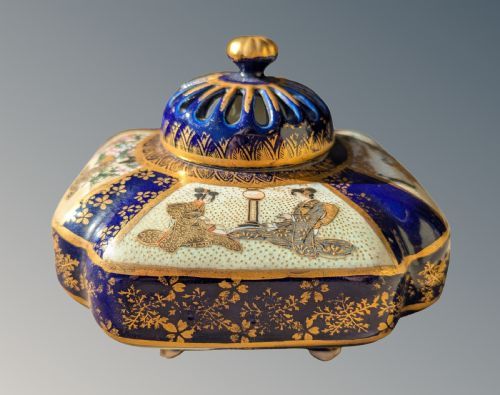
Artisans layered gold leaf and detailed gilding over painted surfaces, particularly on Satsuma wares, creating rich contrasts against cobalt blue and muted background tones.
Listings feature items spanning the 1870s to the 1920s, encompassing the Victorian, Edwardian, Meiji and Taisho periods.
What varies in quality
The fineness of the brushwork and the precision of the enamel and gilding dictate the standing of individual pieces, distinguishing densely detailed figural processions from simpler floral designs.
The reputation of the studio or signed artist, such as Kinkozan or Kozan, influences the desirability of a piece, as does the crispness of the porcelain or the refinement of the earthenware body.
Koshida·Maruni Kobe·Shozan·Kizan·Kinkozan·Gyokkō·Kozan·Ryuzan·Toshozan·Chosei
The Hand Painted Japanese Pottery Glossary
- Satsuma
- A type of Japanese earthenware featuring a crackled ivory glaze decorated with enamels and raised gold. It originated in Satsuma Province and became immensely popular during the Meiji period.
- Imari
- A style of Japanese porcelain decorated in underglaze blue and overglaze red, green and gold. Exported widely to Europe, it strongly influenced Western ceramic aesthetics.
- Kutani
- Japanese pottery and porcelain known for bold colour palettes, particularly iron red and green. Pieces often depict landscapes, birds and figures.
- Koro
- A traditional Japanese incense burner typically supported on three legs and fitted with a pierced cover. They appear frequently in Satsuma and bronze forms.
- Meiji Period
- The era of Japanese history lasting from 1868 to 1912, characterised by rapid modernisation and an explosion of decorative arts destined for export.
Hand Painted Japanese Pottery: Frequently Asked Questions
What is Satsuma ware?
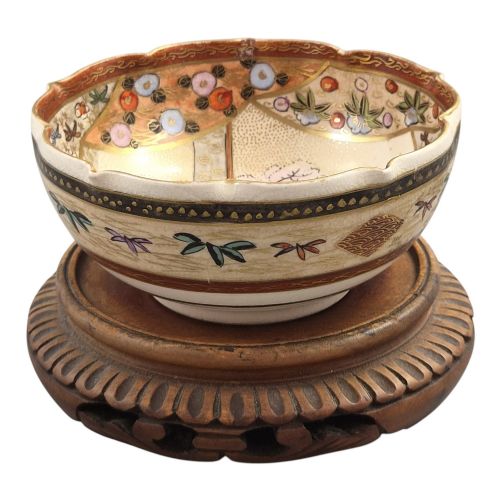
Satsuma ware is a distinct type of Japanese earthenware identifiable by its warm, ivory-coloured body covered in a fine network of crackled glaze. Artisans painted these surfaces meticulously with polychrome enamels and gold leaf.
Most pieces date from the late nineteenth and early twentieth centuries, featuring complex scenes of figures, landscapes, flowers and birds intended for export markets.
How do I identify Imari porcelain?
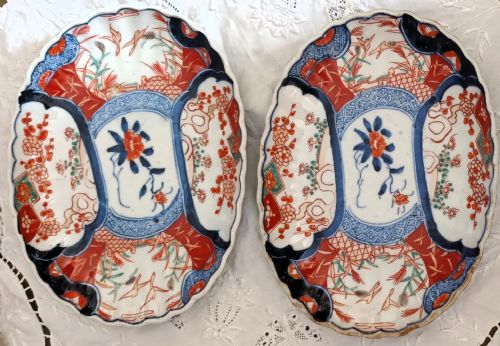
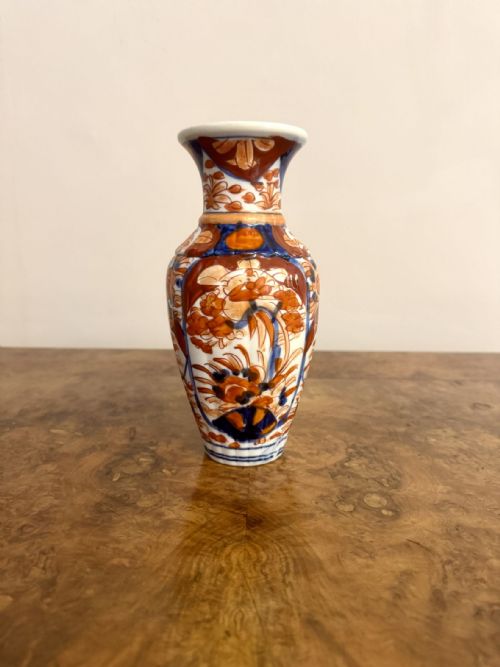
Imari porcelain relies on a strict palette of underglaze cobalt blue and overglaze iron red, complemented by generous applications of gold. The designs often incorporate brocade patterns, flowers and exotic birds.
These pieces were produced primarily in Arita and shipped through the port of Imari, finding a ready home in Victorian and Edwardian interiors.
Are these pieces signed?
Many fine Satsuma bowls, vases and miniature vessels bear signatures, artist marks or studio stamps on the base. These marks often identify specific Kyoto workshops like Kinkozan or individual makers.
Signatures can help narrow down the date of production within the Meiji period, though unsigned pieces of high artistic merit also appear frequently.
How should I display these ceramics?
These decorative plates, ginger jars and vases suit cabinet display or placement on solid surfaces where their painted details and gilding catch the light. Avoid positioning them in direct, harsh sunlight to protect the enamel colours.
Pairing items like garniture sets or matching vases together creates a balanced arrangement on mantels or side tables.