

Hand Painted Japanese Bowl
A hand painted japanese bowl brings centuries of ceramic skill to a table, offering rich colours and intricate patterns shaped by master kilns.
Hand Painted Japanese Bowl
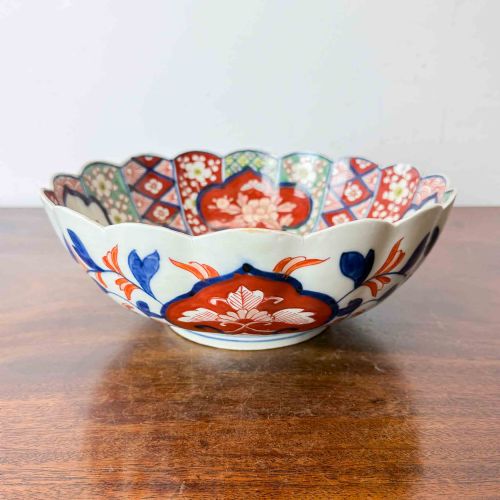
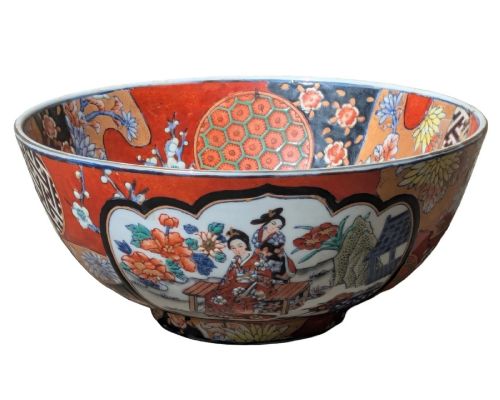
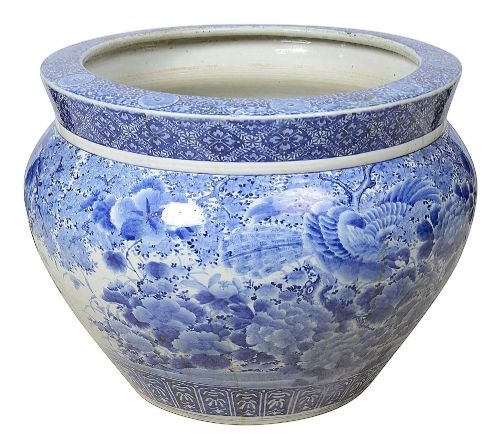
When you search for a hand painted japanese bowl, you encounter vessels ranging from compact tea cups and shallow dishes to large decorative centrepieces and monumental jardinieres. The pieces available here cross multiple centuries, spanning the Edo, Meiji, and Showa periods.
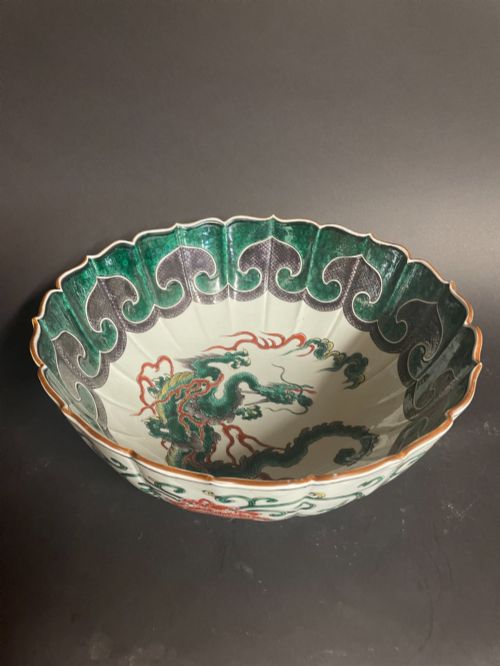
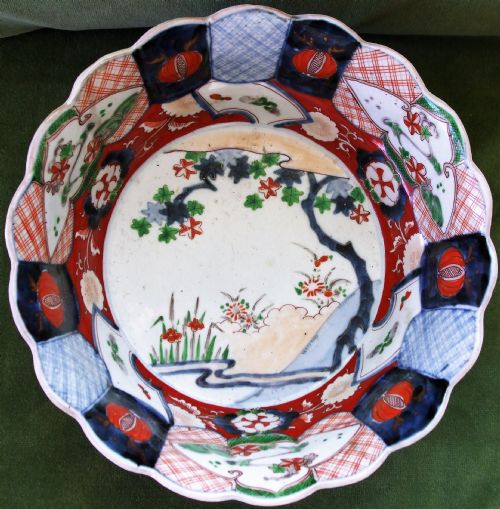
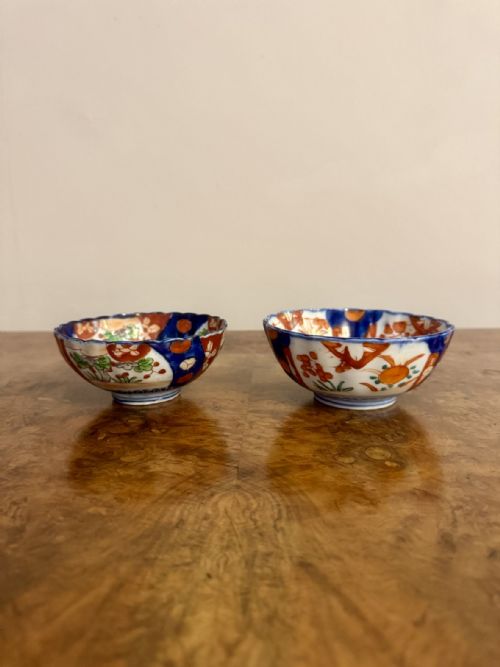
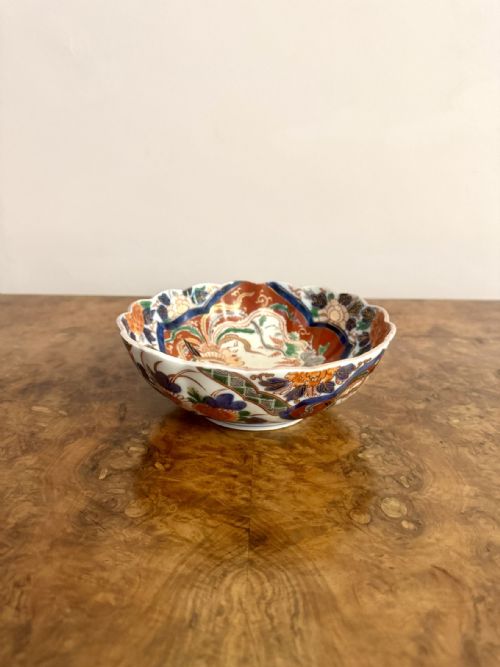
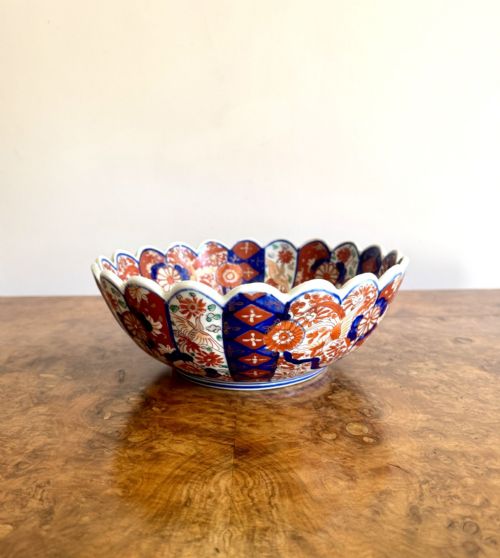
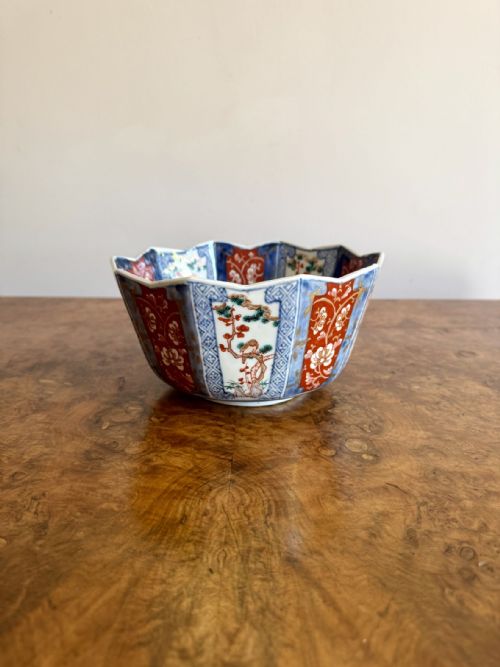
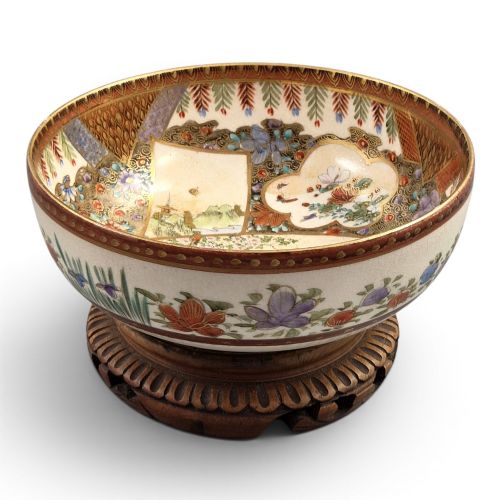
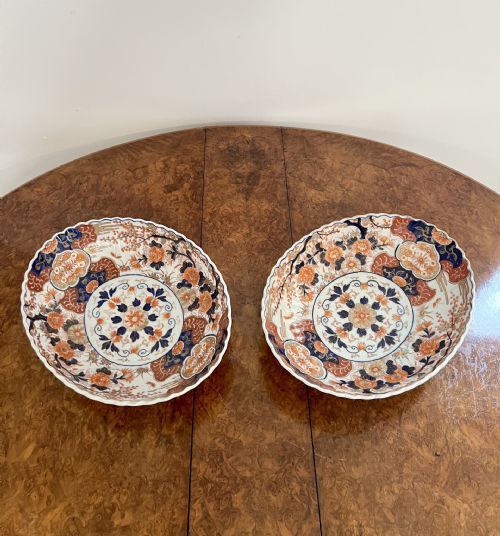
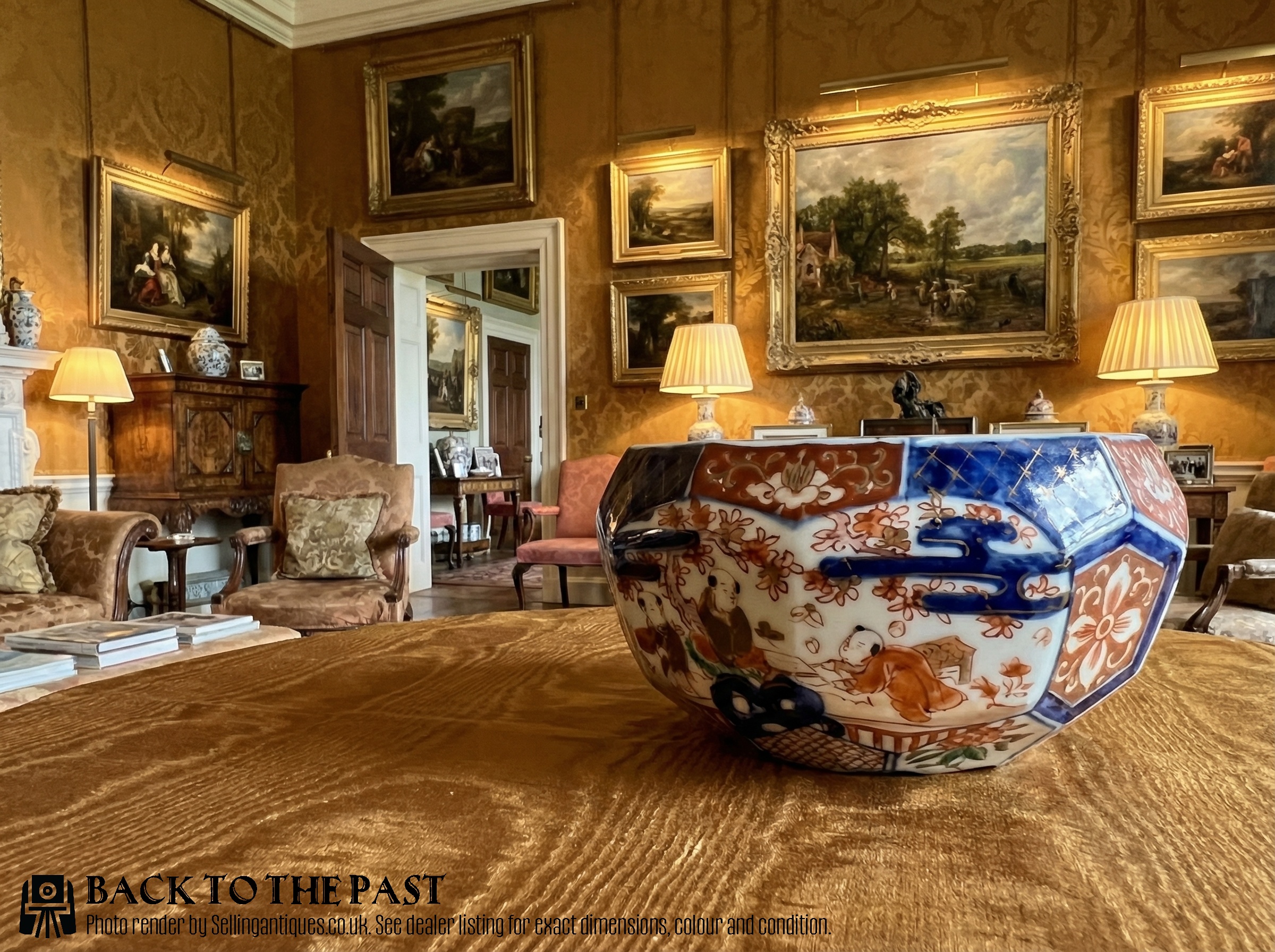
Imari porcelain and Satsuma earthenware dominate the selection, alongside blue and white Arita wares and Kutani ceramics. Many feature scalloped edges, hexagonal forms, or lobed profiles that reflect traditional Japanese design aesthetics.
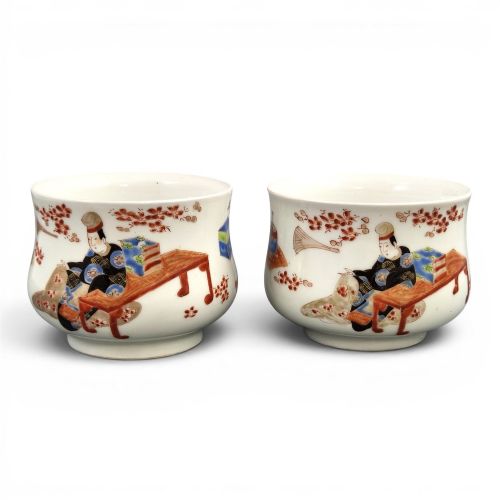
The objects serve as functional tableware and decorative display items, carrying hand-painted motifs of flowers, birds, and samurai battles. These ceramics provide a direct link to historical workshops in Kyoto and other ceramic centres.
How they were made
Potters shaped porcelain and earthenware by hand or on the wheel before applying detailed cobalt underglaze, enamel, and gold leaf decoration. Artisans painted each motif individually, resulting in varied compositions across bowls, dishes, and planters.
Kiln workers fired these pieces at high temperatures to set the glazes, occasionally adding overglaze enamels and gilding in subsequent firings. This technique produced durable surfaces with vibrant colour contrasts.
Kyoto workshops and regional kilns utilised local clays and mineral pigments, combining technical precision with artistic expression to create distinctive tactile finishes.
Hand Painted Japanese Bowl Retail Price Guide 2026
Typical asking prices for hand painted japanese bowl among the pieces listed under this phrase on Sellingantiques today, from the lower quarter to the upper quarter. They describe what is for sale here now, not the wider market.
Samurai battles wage eternal war inside quiet Kyoto drawing rooms, painted across bowls that once held morning tea.
What varies in quality
The refinement of the hand-painted brushwork distinguishes standard items from exceptional examples, with master artists achieving remarkable detail in facial expressions, flora, and fauna. Finely delineated patterns and precise registration of colours reveal the skill of the painter.
The richness of the gilding and the depth of the enamel layers also dictate the tier of a piece, as heavily gilt and layered designs require advanced kiln mastery. Monumental scale and unusual vessel shapes, such as complex hexagonal forms or deep scalloped rims, elevate certain works.
Signatures from renowned makers and workshops, such as Kinkozan or specific Meiji period masters, indicate higher status and documented provenance. The clarity of the glaze and the preservation of the original hand-painted pigments over centuries complete the distinction.
Ginshōtei Gyokushi·Gyokkō·Kozan·Shizan·Ryuzan·Kinkozan·Nikko
The Hand Painted Japanese Bowl Glossary
- Imari
- A style of Japanese porcelain featuring a distinct palette of underglaze blue, iron red, and gold. Artisans produced these wares primarily for export from the port of Imari during the Edo and Meiji periods.
- Satsuma
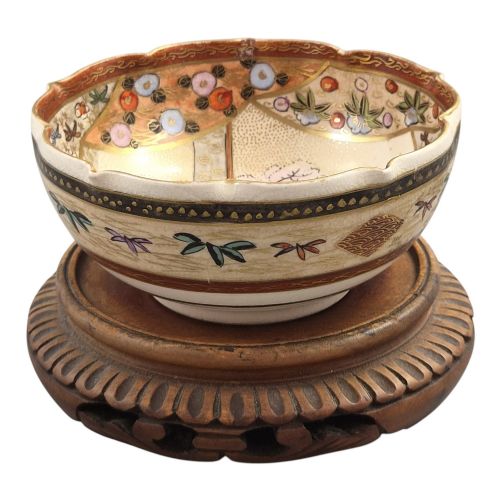
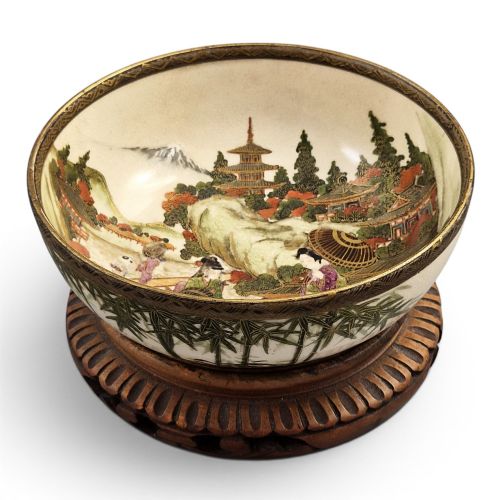
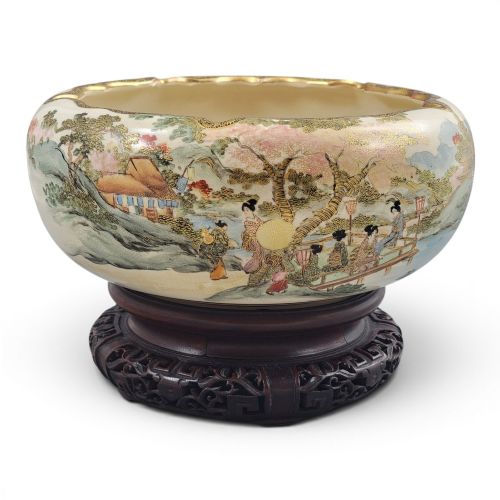
- A type of Japanese earthenware characterised by a pale, ivory-coloured crackle glaze. Workshops in Kyoto and Satsuma province decorated these vessels extensively with polychrome enamels and gold leaf.
- Meiji Period
- The era in Japanese history spanning from 1868 to 1912, marked by opening trade and exceptional decorative arts output. Ceramics from this time often display intricate hand-painted detail and artist signatures.
- Arita
- The town in Japan where porcelain production originated in the early seventeenth century. Arita wares include blue and white designs as well as early Imari pieces.
- Kutani
- A style of Japanese ceramic known for bold colour palettes and expressive hand-painted pictorial scenes. These wares often incorporate deep greens, blues, purples, and gold.
Hand Painted Japanese Bowl: Frequently Asked Questions
How do I distinguish Imari from Satsuma?
Imari pieces consist of hard porcelain with a ringing tone, decorated in cobalt blue, iron red, and gilt overglaze.
Satsuma items are earthenware with a characteristic network of fine surface cracks across an ivory or cream glaze, typically painted with complex figurative scenes.
Were these bowls used daily or for display?
Many smaller bowls and tea cups served practical dining and ceremonial functions in Japanese households.
Larger decorative bowls, jardinieres, and centrepieces were primarily intended for visual display in traditional interiors.
What does a signature on the base indicate?
Signatures usually identify the individual artist, the painting studio, or the kiln responsible for the decoration.
Markings can also include family crests, such as the Shimazu mon found on Satsuma wares from Kyoto.
How should I clean antique hand painted bowls?
Dust these ceramic pieces gently with a soft, dry cloth to protect the delicate enamel and gold leaf decorations.
Avoid submerging antique earthenware or gilded porcelain in water or exposing them to modern chemical detergents.