


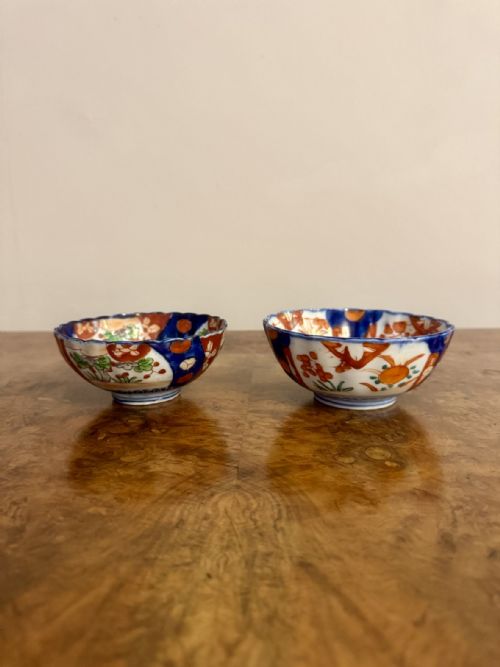
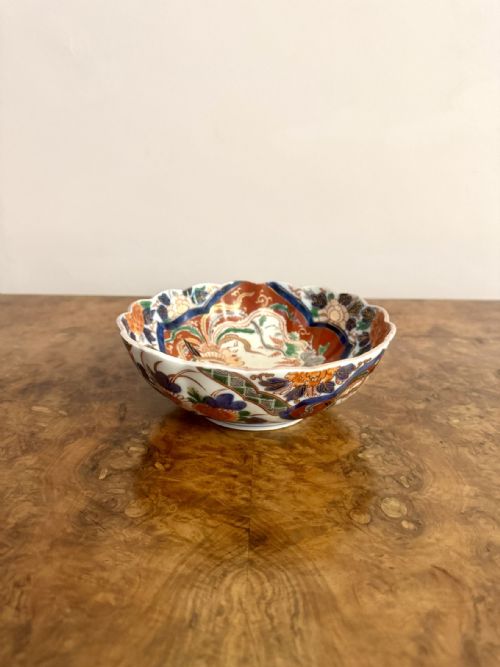
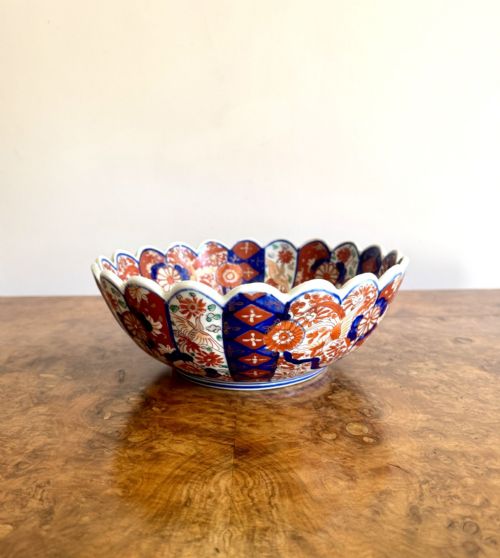
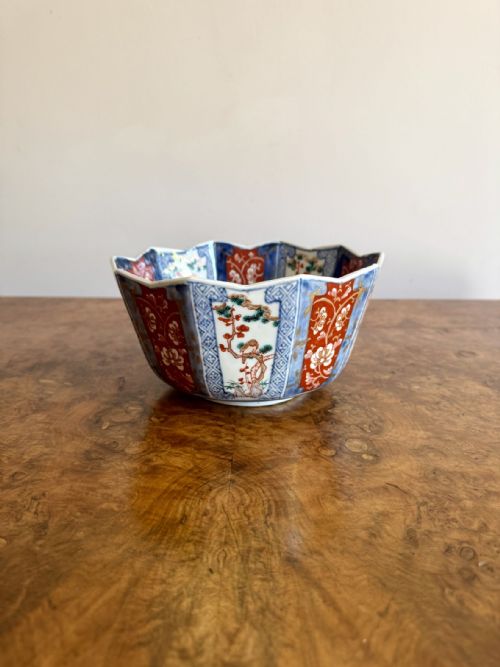
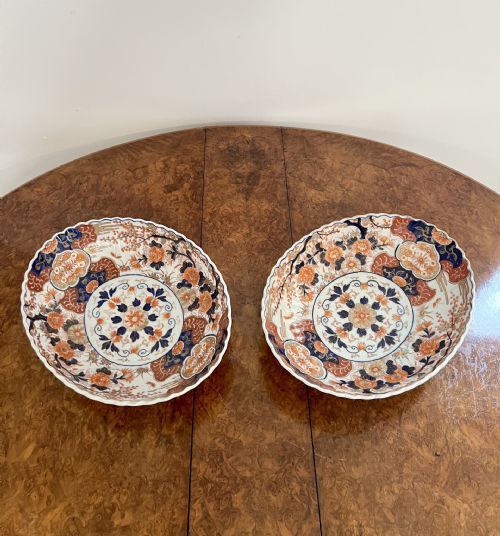

Hand Painted Imari Bowl
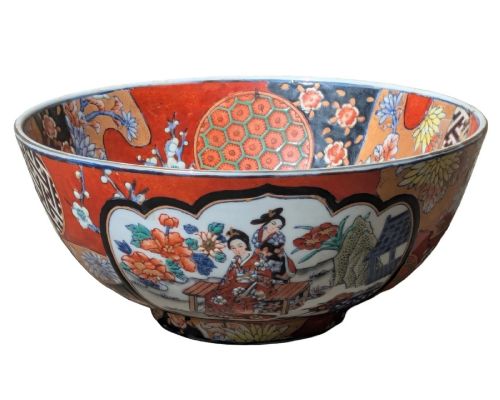
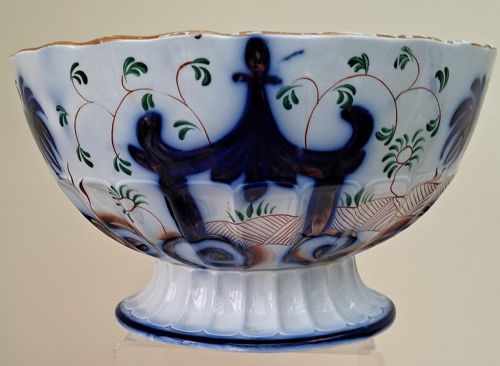
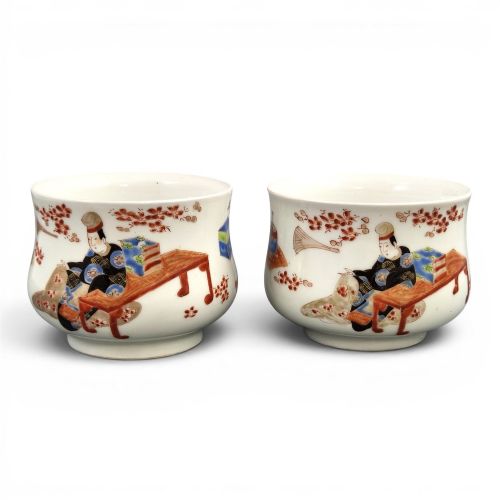
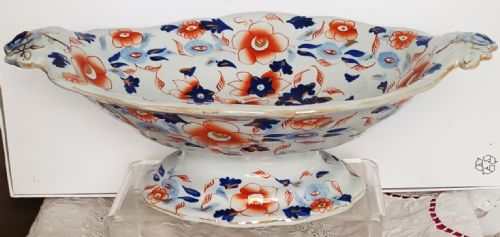
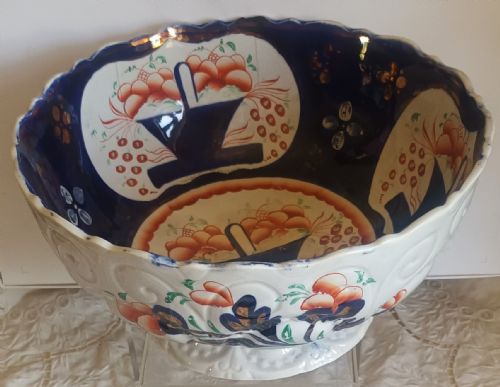
A hand painted imari bowl brings rich palettes of cobalt blue and iron red to the table, uniting Japanese and European ceramic traditions.

Hand Painted Imari Bowl
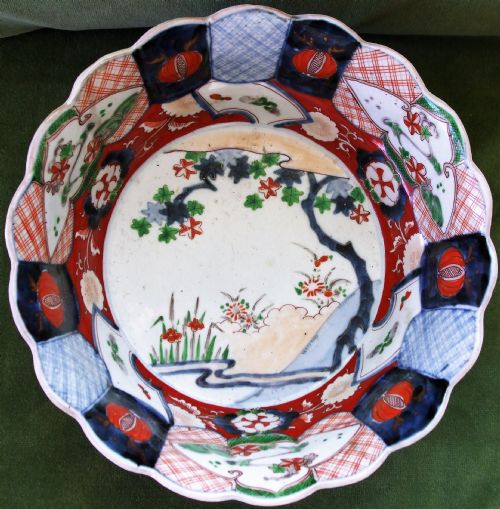
A hand painted imari bowl encompasses decorative vessels originating from Japanese export kilns alongside European interpretations inspired by Eastern palettes. Buyers frequently encounter Japanese examples from the Meiji and Edo periods, characterised by distinct segmented designs.
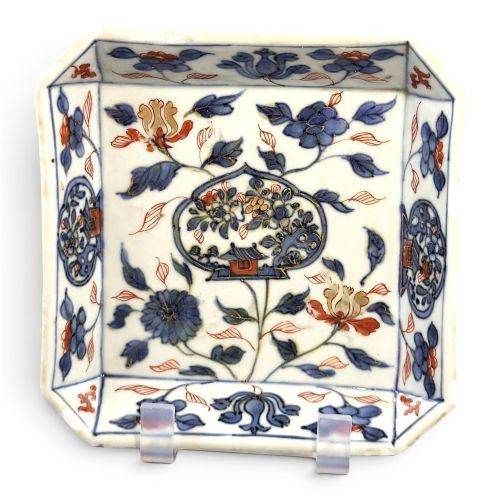
The selection ranges from large scalloped centrepieces and jardinieres down to small domestic vessels and footed comports. Formats vary from traditional round basins to hexagonal shapes and chamfered squares.
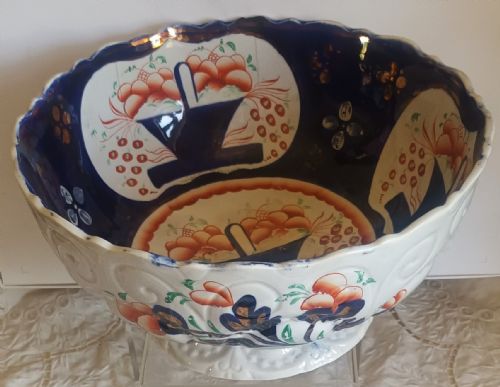
Many items date across the nineteenth and eighteenth centuries, while some pieces reflect later nineteenth-century adaptations produced in English potteries under the influence of Japanese export wares.
Materials and Technique
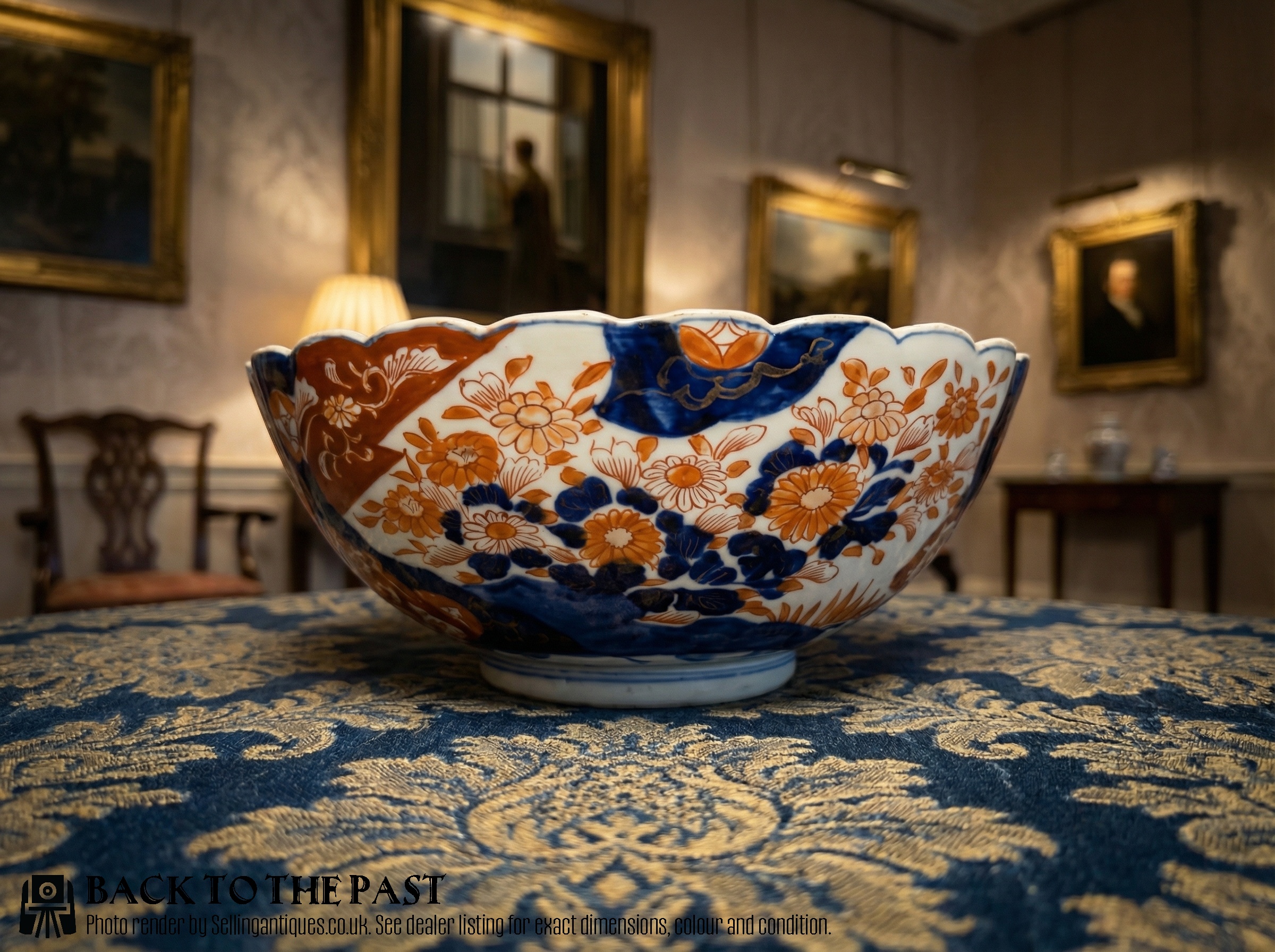
These vessels utilise porcelain, ironstone, and earthenware as bases, shaped into bowls, comports, and jardiniere forms. Glaze seals the body before artisans apply hand-painted details.
Makers employ underglaze cobalt blue combined with overglaze iron red enamel and gold leaf accents. This layered technique creates the characteristic contrasting palette seen across Japanese Imari and Chinese export wares.
Hand Painted Imari Bowl Retail Price Guide 2026
Typical asking prices for hand painted imari bowl among the pieces listed under this phrase on Sellingantiques today, from the lower quarter to the upper quarter. They describe what is for sale here now, not the wider market.
Cow motifs occasionally wander across early nineteenth-century English interpretations, proving that even traditional export patterns occasionally accommodated a crazy cow.
Judging Quality
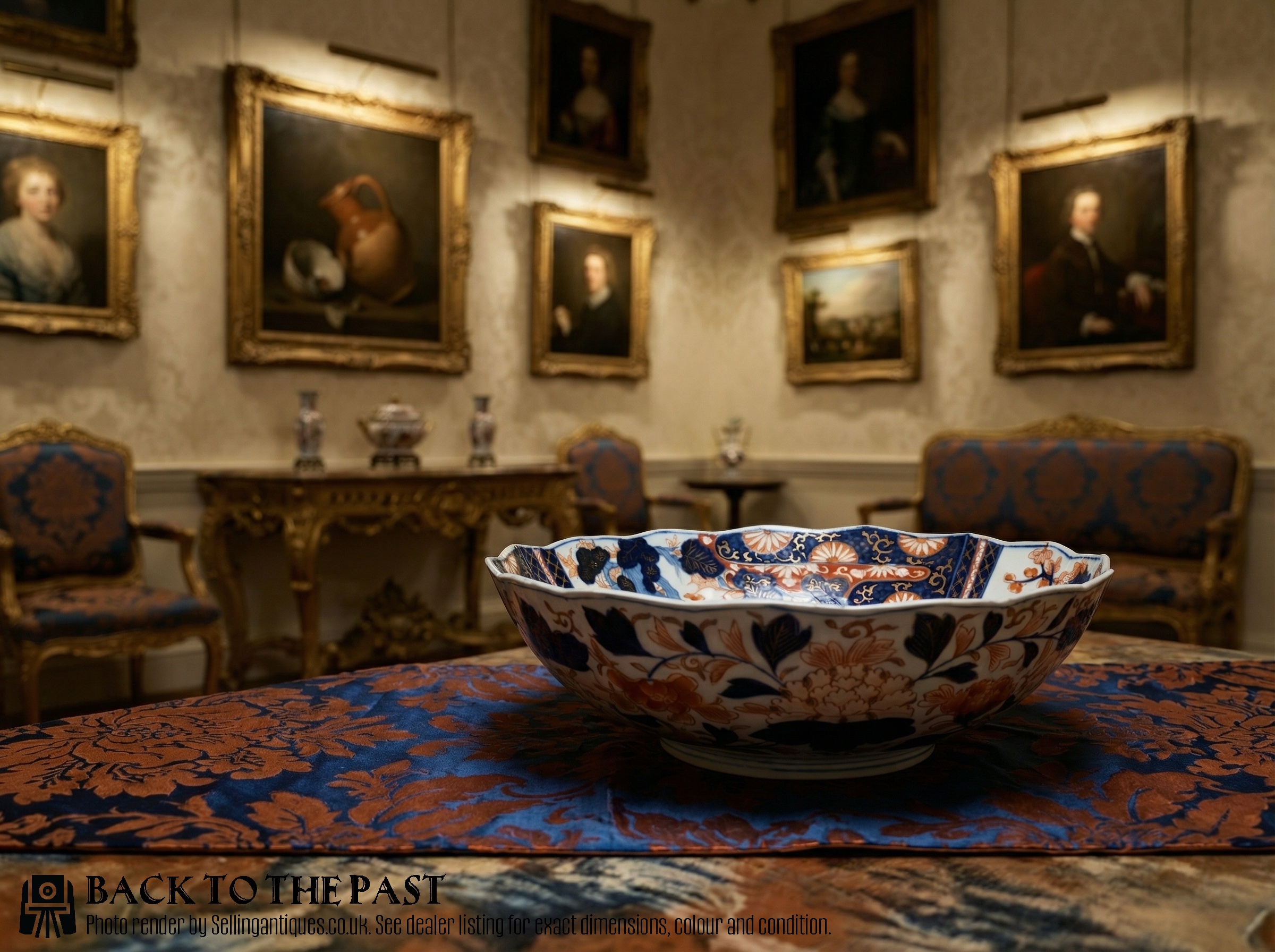
Quality rests in the precision of the hand-painted brushwork and the vibrancy of the enamel and gold leaf application. Finer vessels display crisp definition within complex compartmentalised geometric and floral motifs.
The weight, clarity, and resonance of the porcelain or ironstone body indicate the standard of production. Greater artistic ambition shows in moulded scallop edges, hexagonal forms, and well-balanced footed bases.
Chamberlain Worcester·Richard Ginori·Royal Crown Derby·Ginshōtei Gyokushi·Minton
The Hand Painted Imari Bowl Glossary
- Imari
- A style of ceramic decoration originating in Japan, defined by a palette of cobalt blue, iron red, and gilt highlights. The aesthetic was widely copied by European potteries during the eighteenth and nineteenth centuries.
- Meiji Period
- A Japanese historical era spanning from 1868 to 1912, associated with significant export of decorative arts to Western markets. Pieces from this time often exhibit intricate hand-painted patterns.
- Comport
- A decorative footed bowl or dish elevated on a stand, traditionally used for serving fruit or display. These pieces appear in porcelain and ironstone.
- Jardinire
- A large ornamental pot or bowl designed to hold potted plants or flowers. Examples are found in eighteenth-century Chinese porcelain.
- Chamfered
- Having a symmetrical sloping edge cut at an angle of forty-five degrees. This shaping appears on square bowls to soften the corners.
Hand Painted Imari Bowl: Frequently Asked Questions
How do I care for a hand painted imari bowl?
Wash these fragile ceramic vessels gently by hand in warm water using mild soap, avoiding abrasive scrubbers that might damage the surface.
Keep them away from direct sunlight and sudden temperature shifts to protect the delicate gold leaf and overglaze enamels.
Are these bowls safe for serving food?
Older decorative pieces with extensive gold leaf and overglaze enamels suit display or dry use rather than daily dining.
Surface wear on antique glazes can absorb liquids over time, making decorative placement the safer choice.
How can I tell Japanese Imari from European copies?
Examine the paste, weight, and painting style to differentiate between original Japanese export porcelain and English or European adaptations.
Japanese pieces often utilise a lighter, finer porcelain body, whereas English equivalents frequently employ heavier ironstone or earthenware.
What period do most of these bowls come from?
The selection spans multiple centuries, with significant representation from the nineteenth century and the Japanese Meiji period.
Earlier examples stretch back to the eighteenth century under Edo and Kangxi reigns.