
Hand Painted Fruit Dish
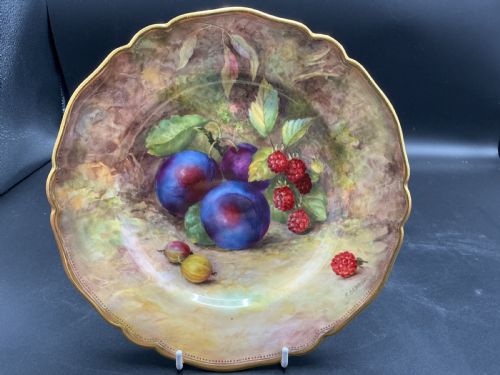
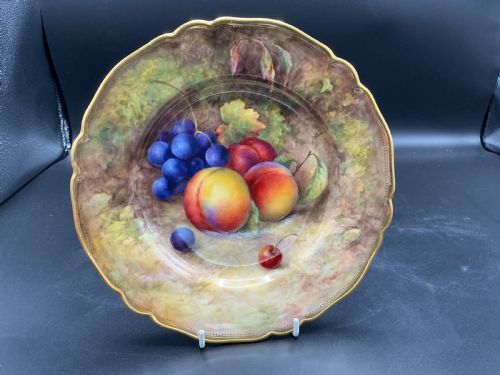
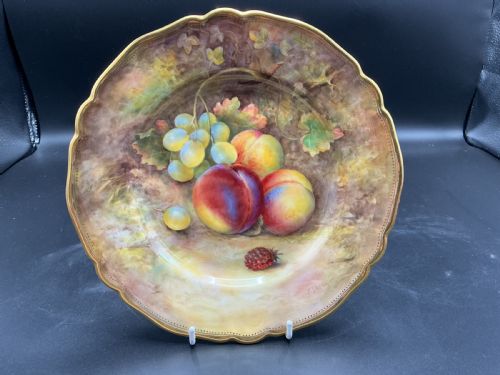
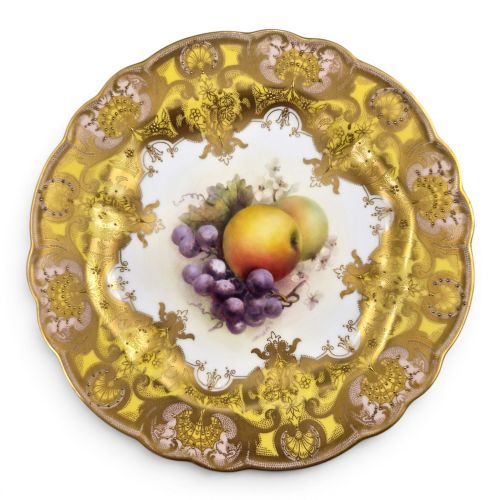
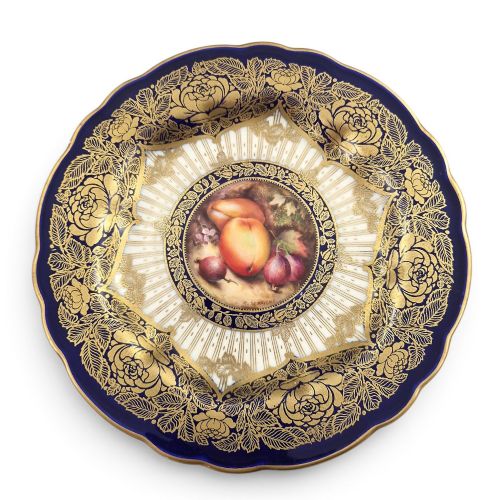
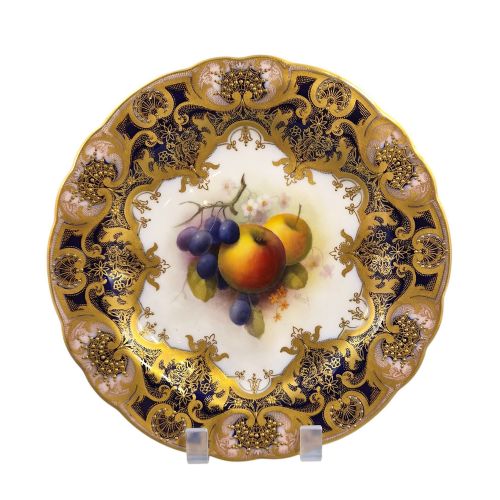
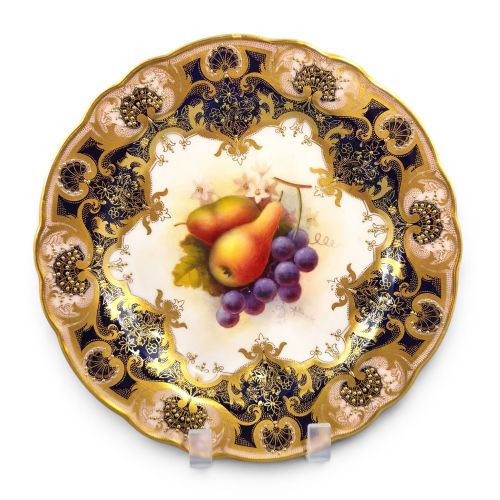
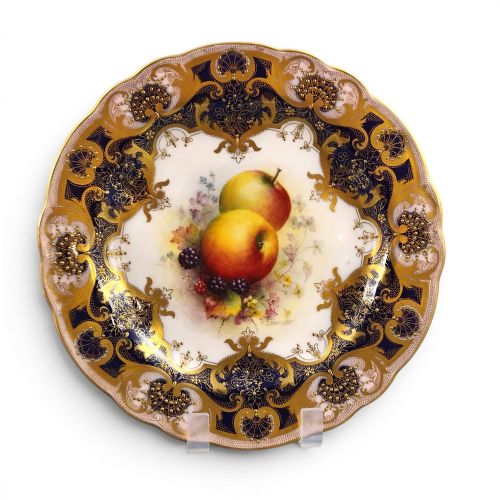
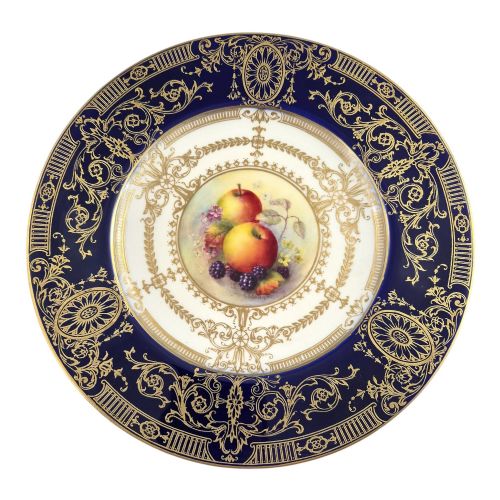
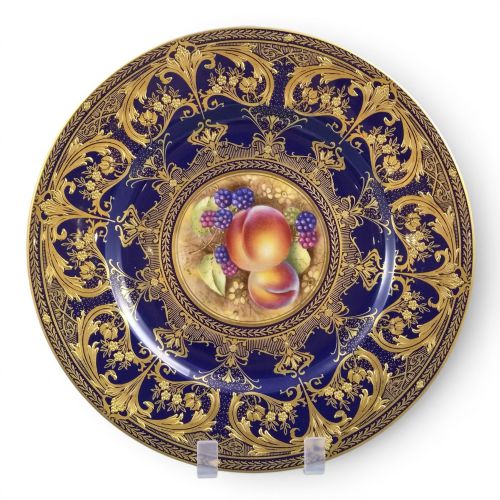
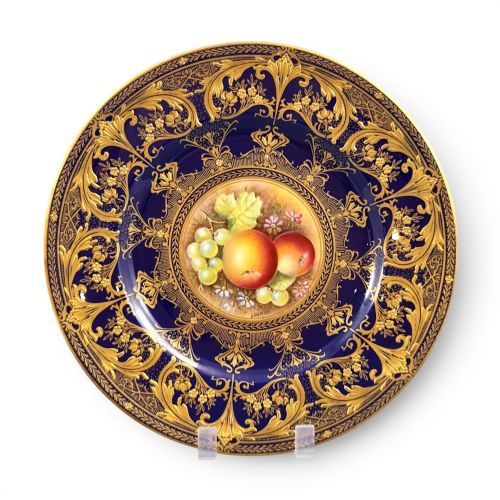
These hand painted fruit dish examples combine botanical artistry with fine ceramic forms, offering a decorative centrepiece for the table.
Hand Painted Fruit Dish
A hand painted fruit dish bridges utilitarian service and cabinet display, appearing across centuries of ceramic production in forms from low comports to shaped plates.
The material record spans eighteenth-century English porcelain through nineteenth-century Imari wares and early twentieth-century cabinet pieces.
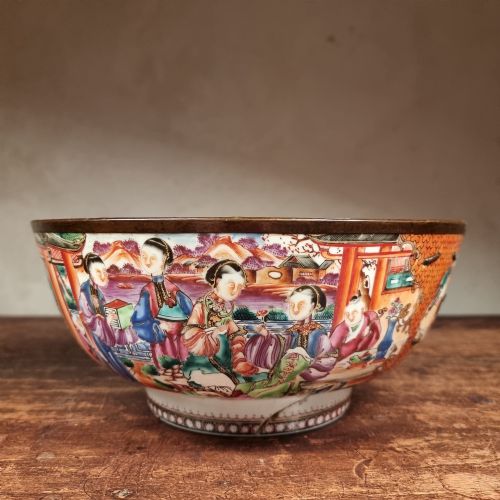
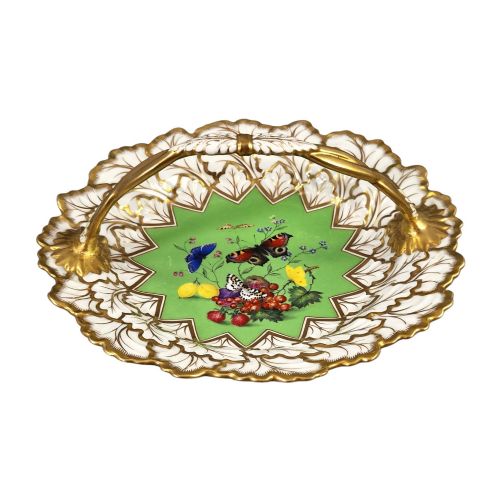
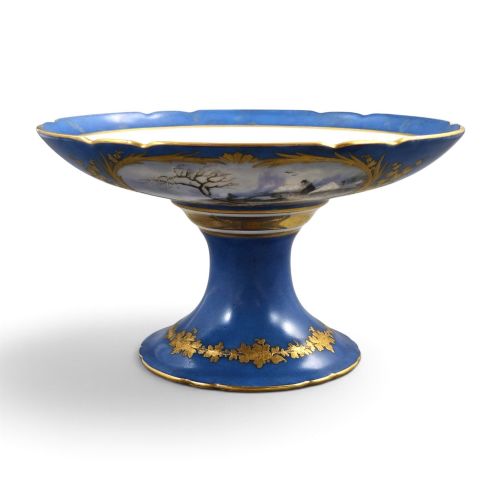
Most examples originate from English factories like Worcester or continental and Japanese kilns, taking the shape of baskets, saucers, and pedestal bowls.
Materials and techniques
Makers utilised hard-paste porcelain, bone china, and ironstone as the primary bodies, shaped into bowls, plates, and tazze.
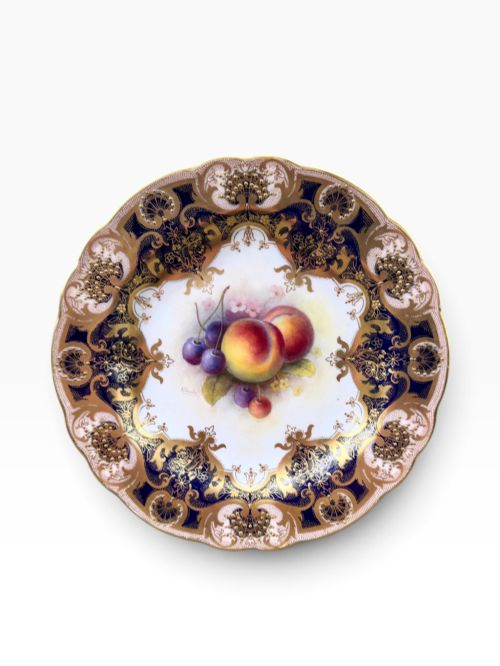
Surface decoration relies on polychrome enamel pigments applied by hand, frequently accented with gilding, gold leaf, or raised gold borders.
Hand Painted Fruit Dish Retail Price Guide 2026
Typical asking prices for hand painted fruit dish among the pieces listed under this phrase on Sellingantiques today, from the lower quarter to the upper quarter. They describe what is for sale here now, not the wider market.
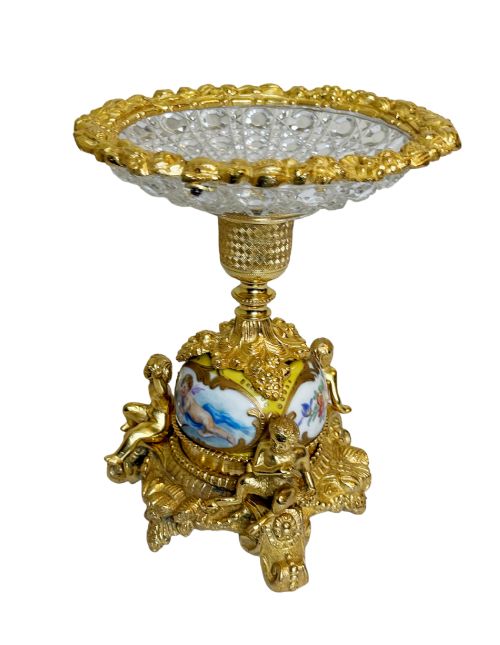
Cherubs frequently support crystal centrepieces, maintaining a watchful gaze over the fruit.
Artistry and execution
The distinction between standard production and top-tier pieces rests upon the precision and realism of the hand-painted botanical motifs.
Signed works by known porcelain painters command greater attention than anonymous factory output, reflecting individual artistic skill.
Royal Worcester·Flight Barr And Barr·Royal Doulton·Kornilov Brothers
The Hand Painted Fruit Dish Glossary
- Cabinet plate
- A decorative ceramic plate intended for display rather than dining use. These often feature elaborate hand-painted scenes and gilt borders.
- Comport
- A footed dish or shallow bowl elevated on a pedestal for serving fruit or sweets. They sit prominently at the centre of a table setting.
- Imari
- A Japanese export porcelain style characterised by underglaze blue, iron red, and gilt ornamentation. The palette creates a dense, colourful visual texture.
- Tazza
- A shallow saucer-like dish mounted on a stem and foot. Originating in the Renaissance, these highlight fruit or confections.
Hand Painted Fruit Dish: Frequently Asked Questions
How do I date a painted fruit dish?
Dating relies primarily on factory backstamps, ceramic body composition, and stylistic markers associated with periods like the Regency or Edwardian eras.
Handwritten script marks or impressed ciphers beneath the glaze also point to specific decades of manufacture.
Were these dishes used for actual fruit?
Many eighteenth and nineteenth-century comports and dessert plates were functional table wares designed to serve fresh or preserved fruit at the end of a meal.
Over time, finer examples transitioned into cabinet pieces displayed vertically on stands.
What is the difference between porcelain and ironstone?
Porcelain is a vitrified, translucent ceramic fired at high temperatures, typical of fine cabinet plates and delicate dessert dishes.
Ironstone is a heavier, opaque earthenware developed for durability while still accepting hand-painted patterns.
How should I clean an antique painted dish?
Painted surfaces and gilt edges require gentle dusting with a dry, soft cloth to preserve the enamel pigments.
Immersion in water or mechanical dishwashing should be avoided to protect the historic glaze.