
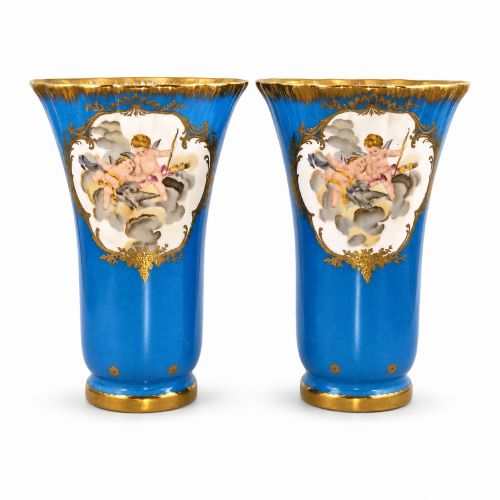
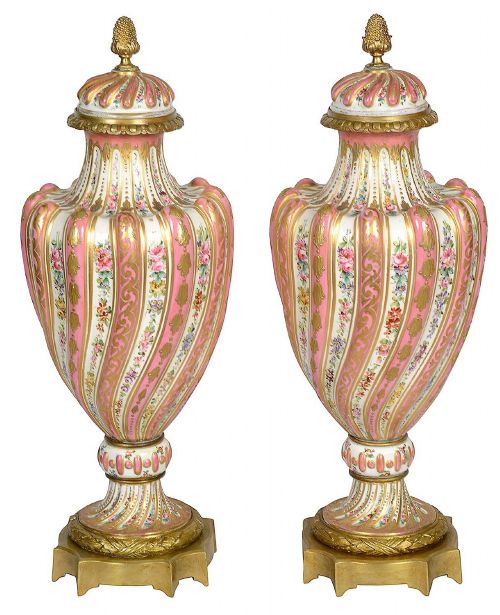


Hand Painted French Urns
Hand painted french urns bring decorative porcelain and gilt bronze into a room, combining painted scenes with nineteenth-century French styling.
Hand Painted French Urns
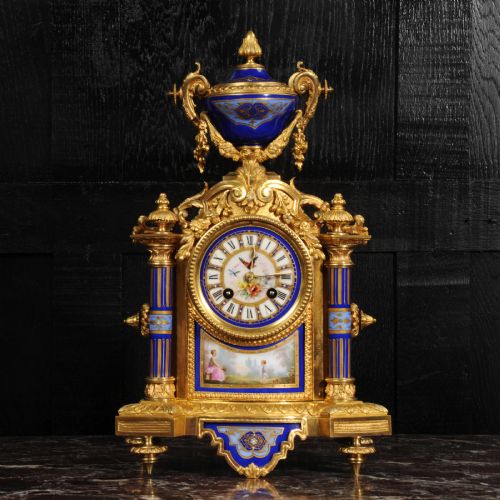
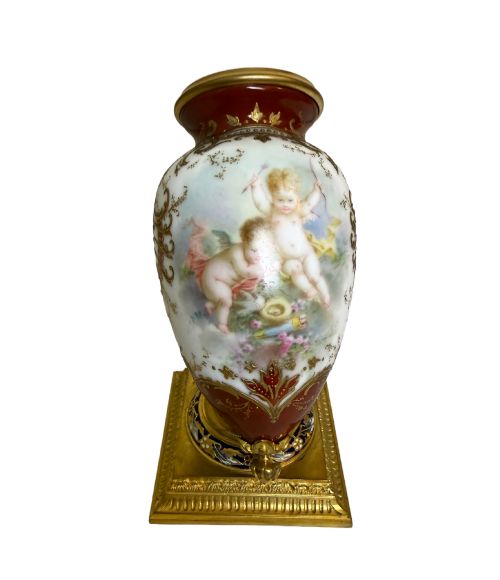
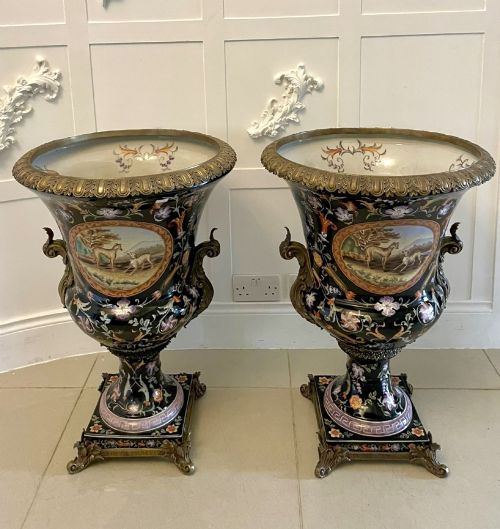
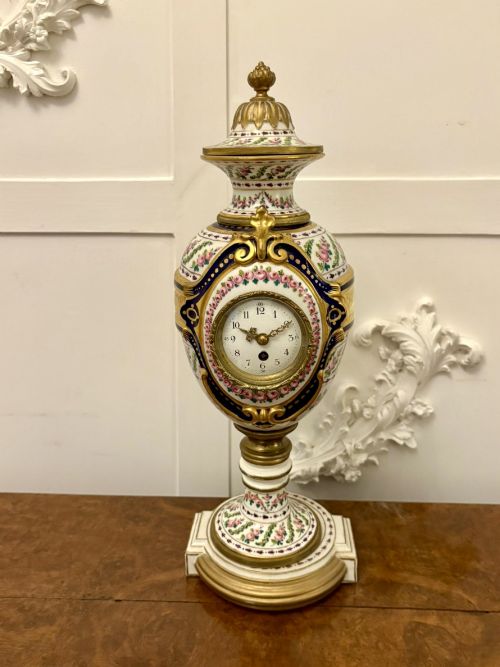
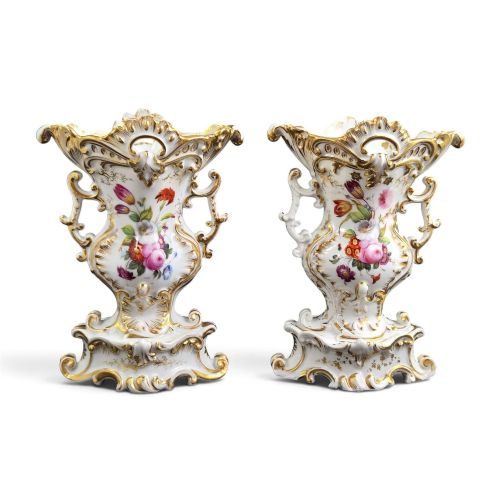
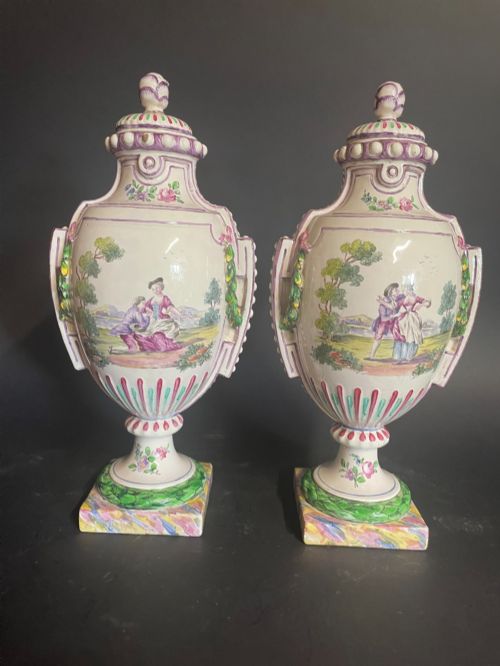
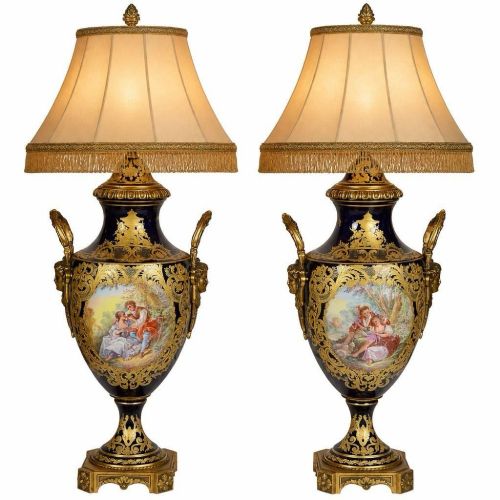
Hand painted french urns encompass porcelain vessels, decorative mantel clocks, and jardinières created during the nineteenth century. These objects frequently emerge in pairs, shaped as lidded vases or urns with painted figural scenes and floral motifs.
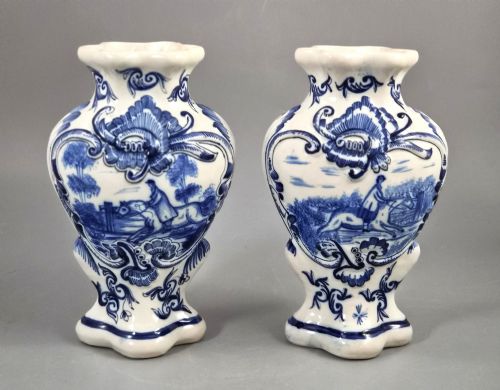
Most examples date from the Victorian era and the latter decades of the nineteenth century. Buyers encounter Parisian porcelain works alongside faience and earthenware vessels.
How They Were Made
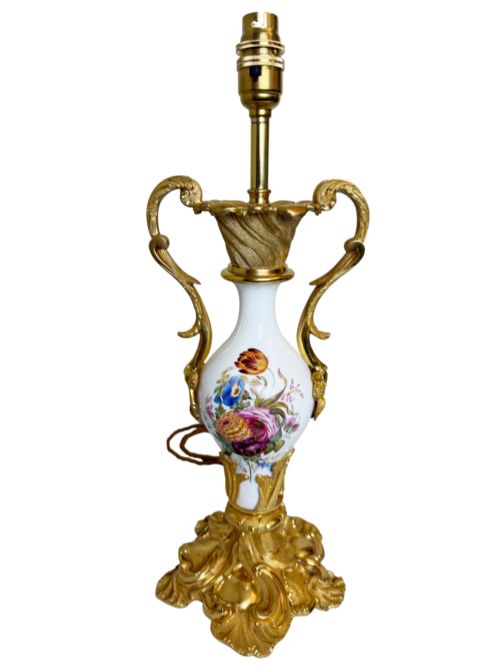
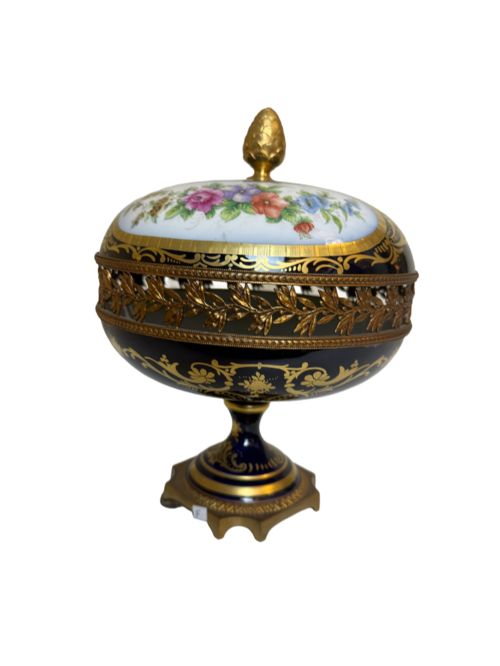
Craftsmen shaped porcelain and faience bodies by hand, applying coloured enamels and detailed painted scenes before firing. Artisans combined these ceramic elements with cast or chased gilt bronze, ormolu, and brass mounts.
Gilding and gold leaf accent borders and handles, while raised white enamel adds texture to painted floral designs on porcelain surfaces.
The listings feature nineteenth-century materials including porcelain, gilt bronze, ormolu, and faience across various decorative vessel forms.
What Varies in Quality
Quality rests in the precision of the hand-painted scenes and the crispness of the bronze or ormolu mounts. Finer pieces demonstrate superior detail in facial expressions on figural panels and careful hand-finishing across the porcelain surface.
The weight and definition of the metal mounts distinguish standard production wares from exhibition pieces. Superior porcelain bodies maintain smooth glazes and register factory marks clearly beneath the base.
Japy Freres·Jacob Petit·Fourmaintraux Courquin·Samson Paris·Vion et Baury
The Hand Painted French Urns Glossary
- Ormolu
- Gilded bronze used for decorative mounts and handles on nineteenth-century French porcelain urns and clocks.
- Faience
- Tin-glazed earthenware produced in French workshops and potteries during the nineteenth century.
- Medici Vase
- A bell-shaped urn form with a flared rim and foot, frequently rendered in porcelain and bronze.
- Bleu Céleste
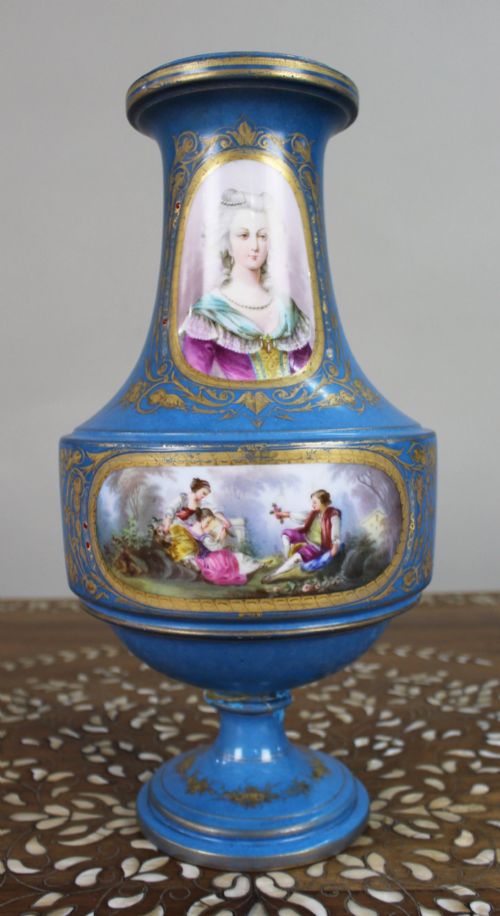
- A bright turquoise blue ground colour used on porcelain vases associated with the Sèvres factory style.
- Garniture
- A set of three or more matching decorative vases or urns designed for display on a mantelpiece.
Hand Painted French Urns: Frequently Asked Questions
How do I identify a Sèvres style urn?
Sèvres style urns typically feature rich ground colours like bleu céleste, paired with hand-painted panels depicting romantic or classical scenes. Gilt bronze mounts often frame the base and rim of these porcelain bodies.
Many pieces produced outside the royal factory adopt these aesthetic traits, alongside simulated marks on the underside of the porcelain.
Were these urns made as pairs?
Many nineteenth-century French decorative urns were produced as symmetrical pairs to adorn mantelpieces and large pieces of furniture. These matching vessels share identical painted motifs and mount configurations.
Single urns also appear, often surviving from larger garniture sets or clock suites.
What is Old Paris porcelain?
Old Paris porcelain describes items made by various independent workshops and studios operating in and around Paris during the early to mid-nineteenth century. These factories produced decorative vases and urns without a single unifying factory mark.
Pieces from this group often showcase bold hand-painted floral designs and heavy gilding.
How should I clean gilded bronze mounts?
Gilded bronze and ormolu mounts require gentle dusting with a soft, dry brush to preserve the gold leaf or gilding. Moisture and abrasive cleaners can strip the metallic finish from the bronze surface.
Careful maintenance protects the original surface patination accumulated over the nineteenth century.