


Hand Painted French Plate
A hand painted french plate brings historic artistry to a room, offering colourful portraits and floral scenes from centuries past.
Hand Painted French Plate
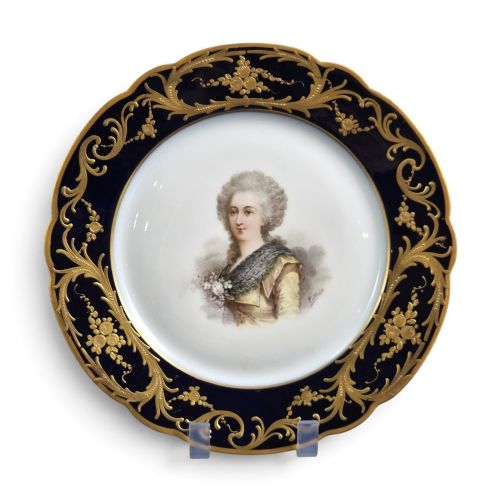
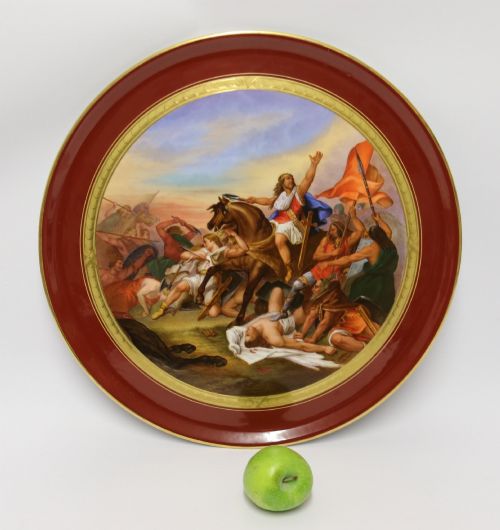
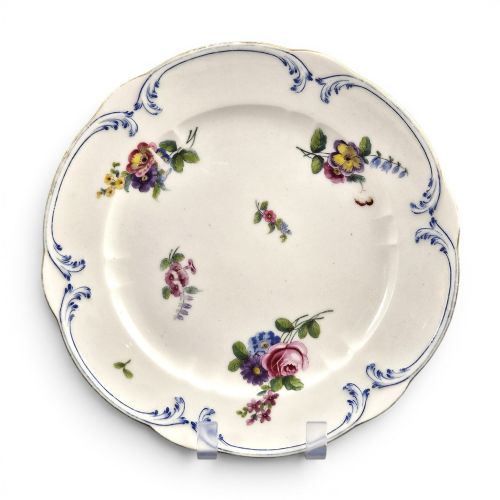
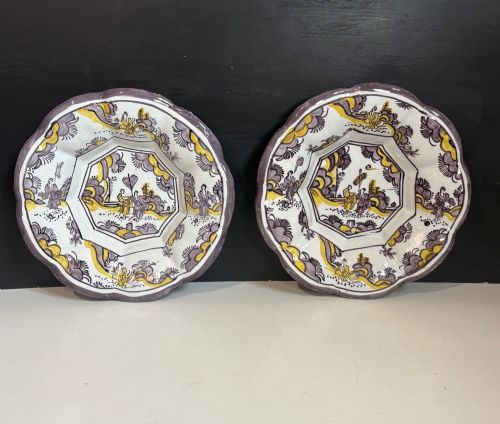
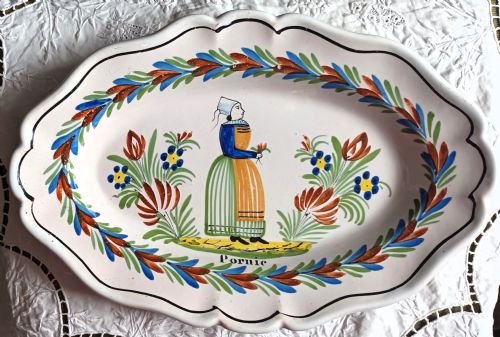
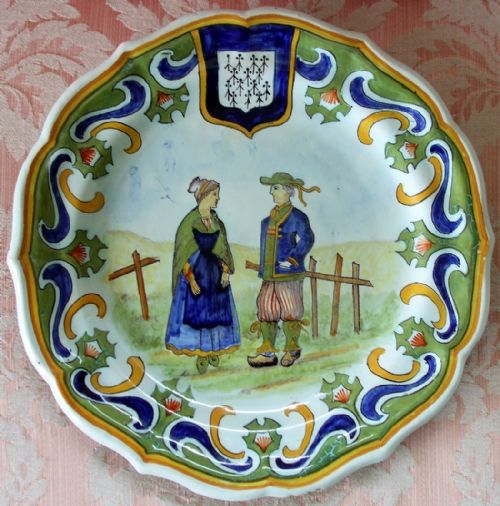
When you search for a hand painted french plate, you encounter items designed for display, including large chargers, cabinet plates, and serving dishes. These pieces originate from periods spanning the eighteenth and nineteenth centuries, reflecting diverse regional aesthetics from Paris and provincial centres alike.
The version you are most likely to meet on this page is a porcelain cabinet plate produced in the nineteenth century, often bearing a decorative style associated with Sevres. Alongside these porcelain examples, tin-glazed earthenware and faience dishes from workshops in Quimper, Desvres, and Marseille appear regularly.
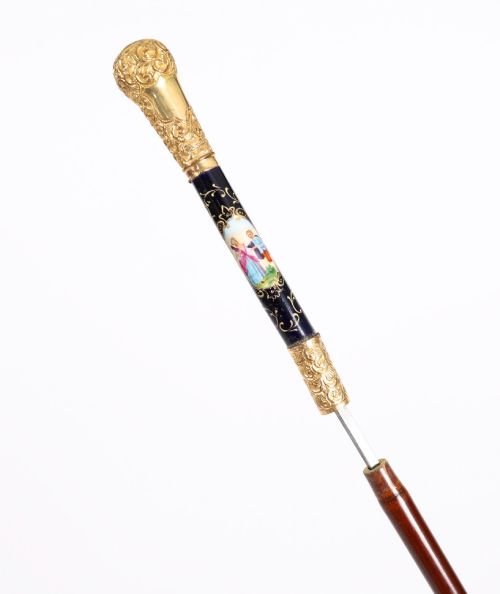
Beyond standard tableware forms, the selection includes related decorative objects such as door hardware, plaques, and walking sticks incorporating painted elements. These diverse items share a reliance on manual brushwork to render figures, battles, and botanical motifs upon ceramic surfaces.
Materials and methods
Potters shaped these objects using hard-paste porcelain, soft-paste porcelain, tin-glazed earthenware, and creamware. Artisans then applied enamel pigments by hand before firing the pieces to fuse the colours with the underlying glaze.
Many nineteenth-century and eighteenth-century examples integrate applied gold leaf and gilt borders to frame the central painted compositions. These metallic embellishments required careful secondary firings to adhere securely to the ceramic or porcelain body.
Listings feature items from the eighteenth and nineteenth centuries, utilising porcelain, earthenware, and tin glaze.
Judging execution and artistry
Quality rests upon the skill of the brushwork within the painted surface, distinguishing careful portraiture and detailed historical scenes from simpler floral repeats. Portrait plates depicting identifiable historical figures or complex battle narratives demand a higher level of draftsmanship.
The refinement of the ceramic body and the precision of the gilding also define the tier of the piece. Soft-paste porcelain and delicate tin glazes combined with hand-applied gold leaf represent a more sophisticated output than standard provincial earthenware.
Ambroise Michel·Darte Brothers·Pucher Deroche·Veuve Perrin
The Hand Painted French Plate Glossary
- Faience
- Tin-glazed earthenware produced in France. This technique allows for colourful painted designs applied directly to an opaque white glaze.
- Charger
- A large decorative plate or dish. These pieces were primarily intended for display on buffets or walls rather than for serving food.
- Cabinet Plate
- A porcelain or ceramic plate made specifically for display. They often feature intricate hand-painted central subjects and gilt borders.
- Soft-Paste Porcelain
- A glassy ceramic material fired at lower temperatures than hard-paste porcelain. Eighteenth-century French factories frequently utilised this composition.
Hand Painted French Plate: Frequently Asked Questions
How do I display a ceramic charger safely?
Large plates and chargers require sturdy wall mountings or specialist display stands designed to support their weight securely.
Position them away from direct sunlight and high-traffic areas to protect the delicate enamel and gilt surfaces from accidental impact.
What is the difference between porcelain and faience?
Porcelain is a vitrified, translucent ceramic fired at high temperatures, whereas faience is an opaque tin-glazed earthenware.
Porcelain typically permits finer painted details and finer-walled vessels, while faience offers a heavier body with softer glaze contours.
Can I use these antique dishes for dining?
Historic decorative plates are intended for display rather than everyday culinary use. Historic glazes and painted enamels can suffer abrasion or chemical damage from modern detergents and cutlery.
Preserve the painted surface by keeping these items strictly for visual appreciation.
How do I distinguish Sevres-style from authentic pieces?
Many nineteenth-century pieces adopt the aesthetic manner of Sevres without being produced in the royal factory itself. Genuine eighteenth-century pieces and later decorative interpretations both display hand-painted artistry, but factory marks and paste composition clarify their exact origin.