
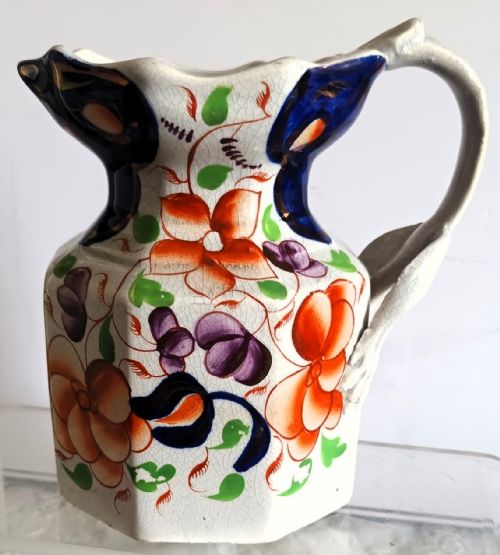
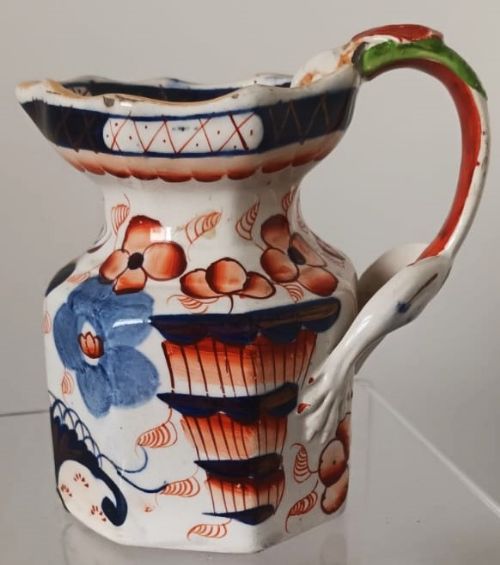
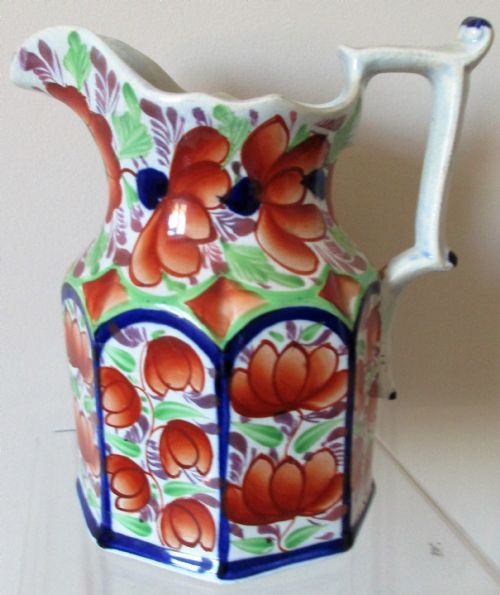
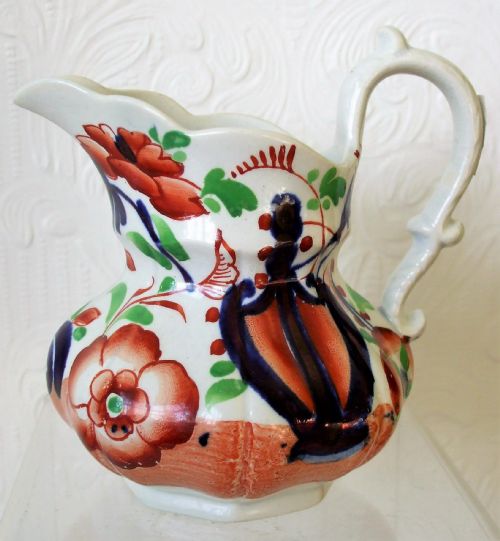


Hand Painted Earthenware Jug
A hand painted earthenware jug brings colour and character to a room, showing ceramic traditions from Georgian and Victorian potteries.

Hand Painted Earthenware Jug
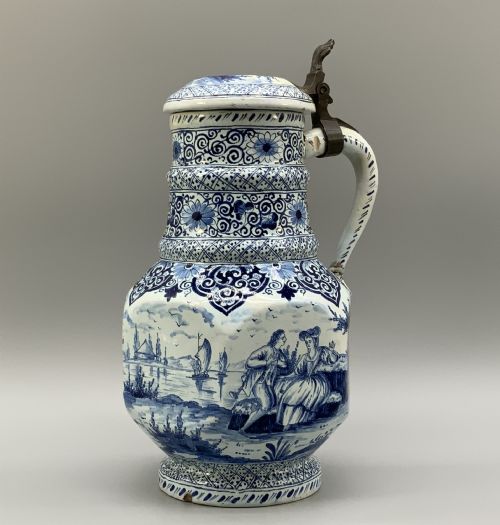
When you search for a hand painted earthenware jug, you encounter vessels produced across the eighteenth and nineteenth centuries by English, Dutch, and Mediterranean makers. These functional and decorative pieces include Staffordshire figures, Gaudy Welsh patterns, and tin-glazed delftware vessels.
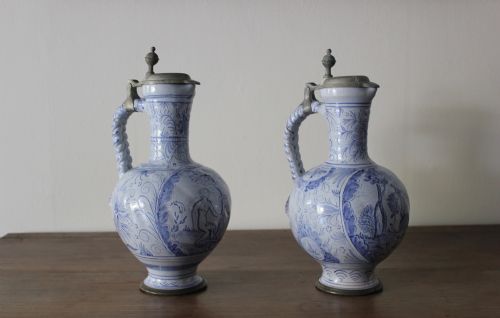
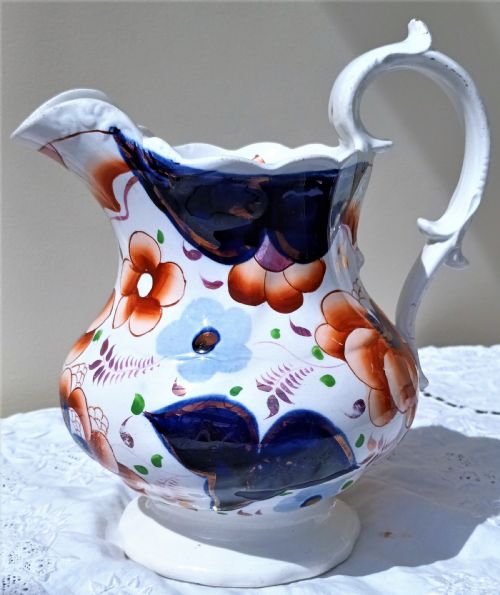
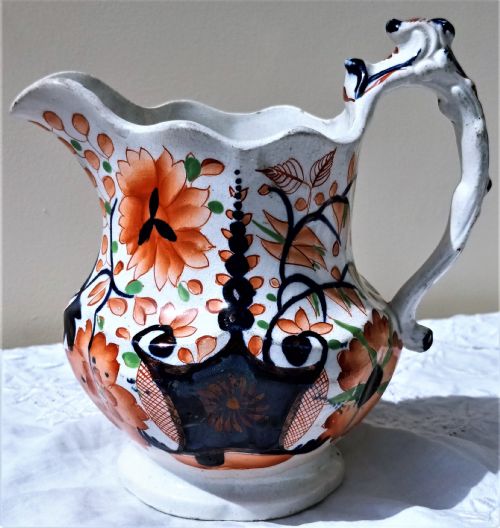
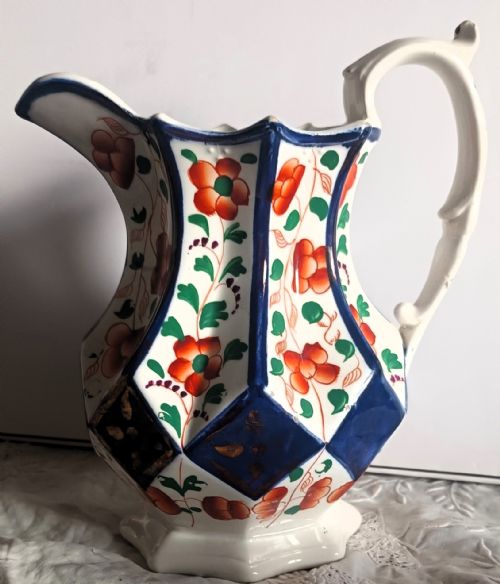
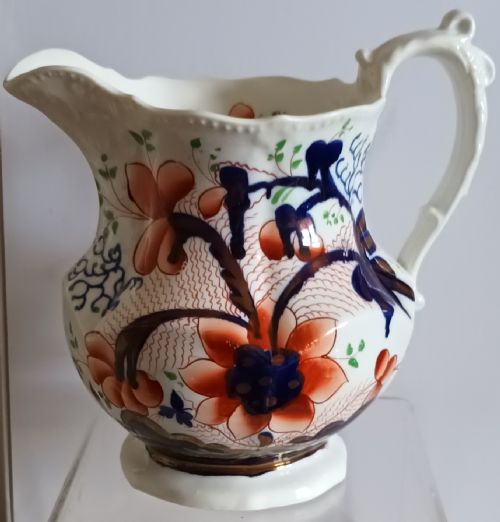
The most common examples on this page date from the Victorian period, featuring named patterns such as Pagoda, Harlech, and Gwent alongside Staffordshire figures and copper lustre cream jugs. Earlier eighteenth-century pieces often display blue and white floral decoration or pewter lids.
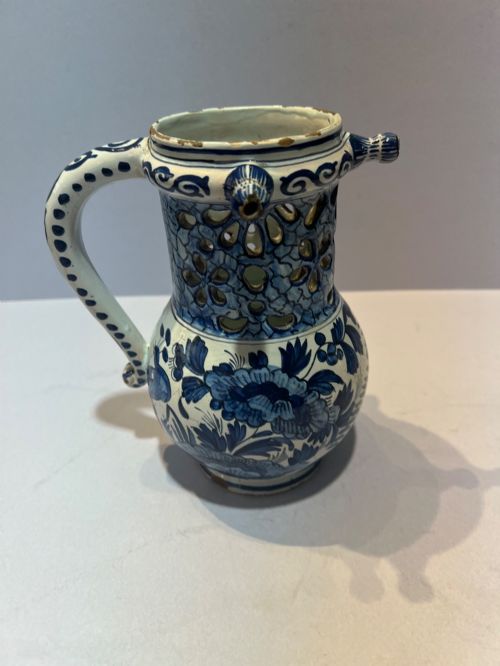
Forms range from standard water pitchers and ewers to puzzle jugs, Toby jugs, and salesman's samples. Each object reflects the domestic habits and ceramic techniques of its respective period, from Georgian pearlware to early twentieth-century majolica.
Materials and Methods
Potters shaped these vessels from earthenware and pearlware, sometimes applying cabbage leaf moulding or faceted surfaces to the clay body before firing. Tin glaze and copper lustre provided reflective surfaces for subsequent hand painting.
Decorators applied pigments and enamels directly onto the ceramic body or over a white tin glaze, creating floral motifs, oriental scenes, and polychrome patterns. Pewter mounts occasionally appeared on lids for seventeenth and eighteenth-century Dutch delftware jugs.
Materials span plain earthenware, tin-glazed ceramic, pearlware, and copper lustre finishes.
Assessing Quality and Execution
Quality rests in the crispness of the moulding and the control of the hand-painted brushwork across the ceramic body. Pieces with sharply defined patterns, such as detailed Staffordshire figures or well-drawn Gaudy Welsh motifs, demonstrate superior workshop execution.
The finish of the glaze significantly affects the overall appearance, with smooth tin-glazed surfaces and lustrous copper applications marking the higher tier of production. Finer examples maintain precision in their painted details without blurring or running into the surrounding glaze.
Charlotte Rhead
The Hand Painted Earthenware Jug Glossary
- Earthenware
- Porous pottery fired at lower temperatures, requiring a glaze to hold liquids. It forms the primary body for the majority of jugs listed here.
- Tin Glaze
- An opaque white glaze containing tin oxide, used on delftware and majolica. It provides a smooth background for painted blue and polychrome decoration.
- Copper Lustre
- A metallic glaze finish producing a reflective, coppery sheen on ceramic surfaces. It appears frequently on nineteenth-century Staffordshire cream and milk jugs.
- Toby Jug
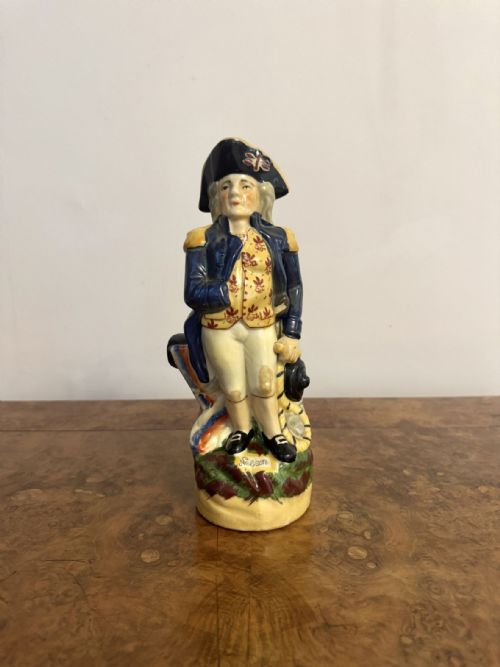
- A ceramic pitcher modelled as a full-seated person, typically a stout man holding a mug and jug. Eighteenth and nineteenth-century examples often depict historical figures like Lord Nelson.
Hand Painted Earthenware Jug: Frequently Asked Questions
Were these jugs used daily?
Many examples served practical functions in the home for holding water, milk, or cream during meals and wash routines. Toby jugs and decorative pitchers also functioned as display items or drinking vessels in taverns.
Salesman's samples and smaller decorative jugs were exceptions, intended primarily to showcase patterns to potential buyers.
How do I date a tin-glazed jug?
Examine the weight of the ceramic body, the tone of the blue pigment, and the characteristics of the glaze application. Eighteenth-century pieces often show thinner potting and softer tin glazes compared to later nineteenth-century revivals.
Pewter lid mounts and specific floral motifs also provide chronological markers for Dutch and English delftware.
What is Gaudy Welsh pottery?
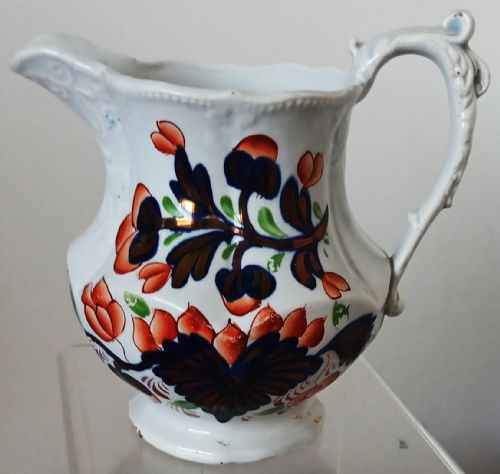
Gaudy Welsh refers to a distinct style of colourful earthenware produced in the nineteenth century, featuring rich cobalt blue, copper lustre, and red enamel. Popular patterns included Pagoda, Harlech, and Grape.
These patterns were affordable wares designed for domestic use, marketed heavily in Wales and the border counties.