


White Pottery Pitcher
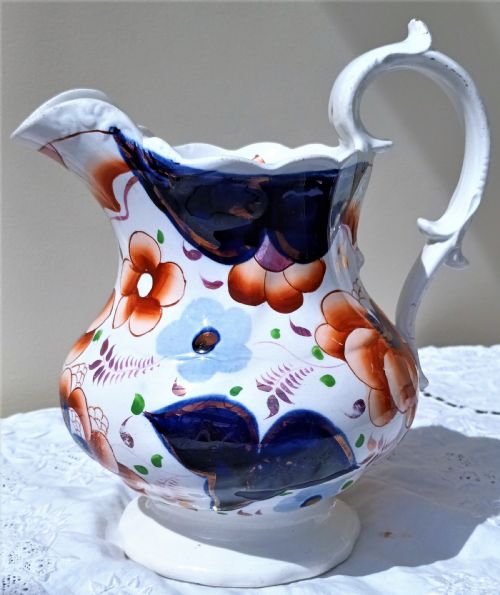
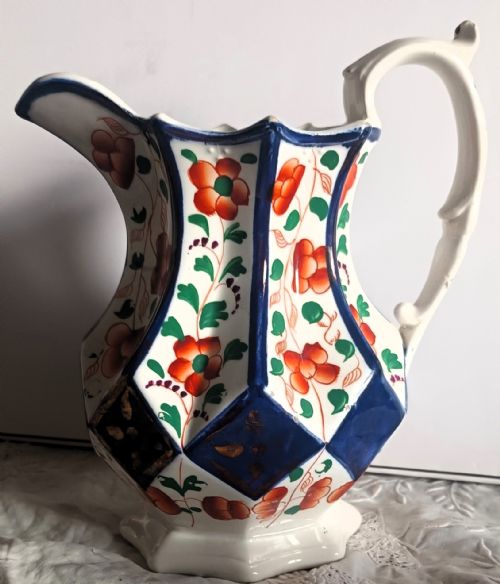
When you search for a white pottery pitcher, you find centuries of utilitarian and decorative vessels fashioned from earthenware, pearlware, and tin-glazed ceramic.

White Pottery Pitcher
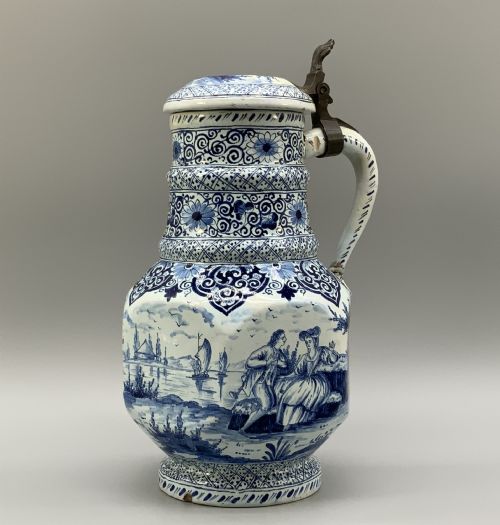
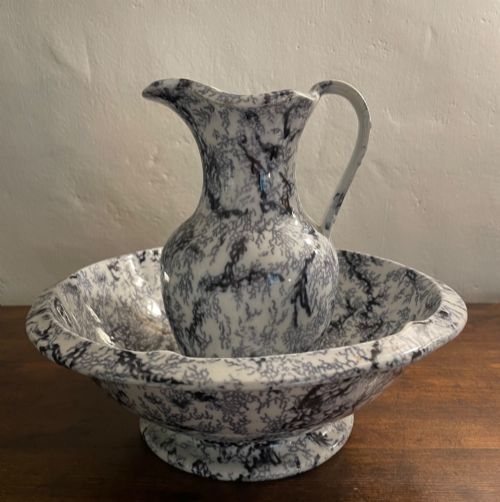
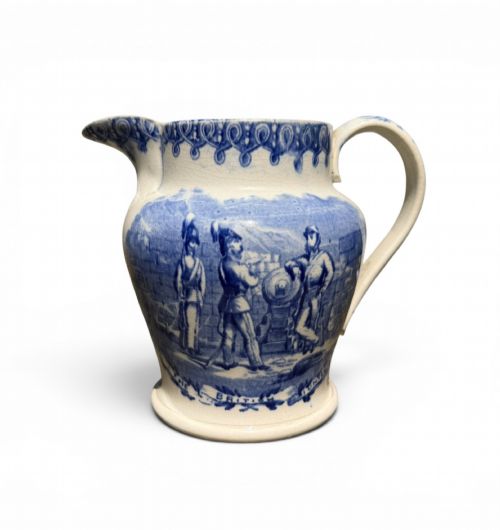
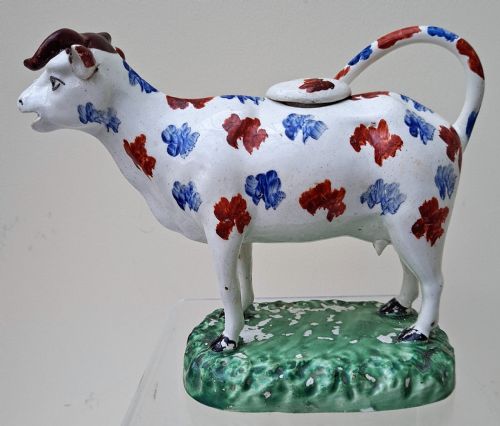
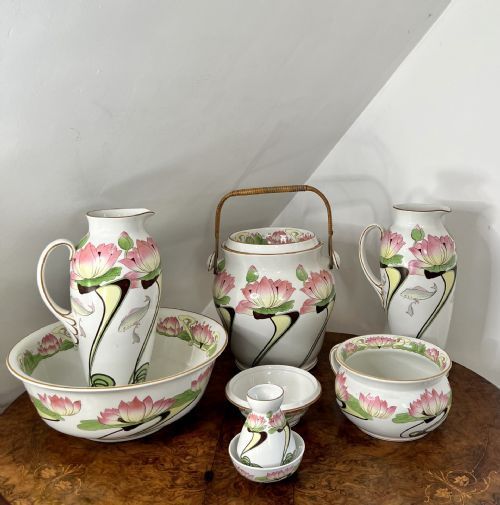
A white pottery pitcher encompasses utility jugs, wash sets, creamers, and puzzle vessels spanning from the seventeenth century through the Edwardian era. You meet numerous examples originating from Staffordshire potteries and Dutch workshops, alongside English ironstone and tin-glazed earthenware forms.
The selection ranges from Georgian transfer-printed vessels and Victorian toilet sets to early Dutch Delftware jugs featuring blue and white floral or Chinoiserie decoration. These items served functional roles in domestic settings, from pouring milk and water to completing bathroom basin sets.
How they were made
Potters shaped these vessels using earthenware, ironstone, and porcelain bodies, frequently applying tin glaze, pearlware coatings, or enamel finishes to achieve a white or pale ground. Decoration often involved underglaze blue painting, transfer printing, or relief moulding such as cabbage leaf patterns.
Many historical specimens received tin glazing for an opaque white surface, while later Victorian pieces utilised ironstone or Parian ware for increased durability and refined texture. Firing techniques varied from traditional kiln methods to specialised majolica and faience processes.
A monkey toby jug stares back from the eighteenth century, proving our ancestors appreciated a cheeky primate with their beverages.
What varies in quality
Quality rests upon the crispness of the relief moulding, the precision of the transfer print or hand-painted cobalt blue details, and the overall glaze preservation. Early Dutch delftware and fine Georgian pearlware demonstrate superior fineness in body and decorative control compared to standard utilitarian wares.
The sophistication of the form, whether a simple cream jug or an elaborate puzzle jug with intricate spouts, dictates the standing of the piece. Maker attribution, such as work associated with Minton or documented Staffordshire potteries, elevates the distinction of individual vessels.
Minton·Doulton Lambeth·Livesley Powell And Co·Doulton Burslem·Jones And Walley·John Rogers And Son
The White Pottery Pitcher Glossary
- Pearlware
- A fine earthenware developed in the late eighteenth century featuring a subtle bluish glaze that pooled in recesses to imitate Chinese porcelain.
- Tin Glaze
- An opaque white ceramic glaze containing tin oxide, providing a smooth surface for painted decoration on delftware and majolica.
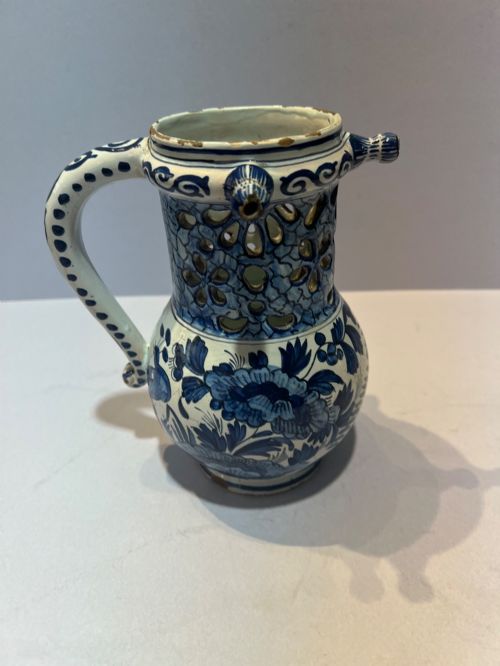
- Puzzle Jug
- A vessel with a perforated neck and multiple spouts that requires the drinker to solve a riddle or cover hidden holes to imbibe the liquid without spilling.
- Ironstone
- A heavy, durable type of earthenware patented in the nineteenth century to rival true porcelain in strength and utility.
- Transfer Printing
- A method of applying intricate engravings to ceramic surfaces using paper pulled from a copper plate.
White Pottery Pitcher: Frequently Asked Questions
How do I date a white pottery pitcher?
Dating relies on identifying the ceramic body, such as pearlware versus ironstone, alongside the glaze type and decorative technique.
Transfer printing styles, maker marks, and moulding motifs like cabbage leaves also help narrow down the manufacturing decade.
Were wash set pitchers used daily?
Wash set pitchers formed part of a matching basin and jug combination used for morning ablutions in bedrooms before indoor plumbing.
They stood on washstands alongside soap dishes and chamber pots to hold fresh washing water.
What is the difference between earthenware and ironstone?
Earthenware is a porous, lower-fired pottery body that requires a glaze to become waterproof, common in early delftware.
Ironstone is a denser, highly durable vitrified earthenware patented in the nineteenth century to withstand heavy daily use.