




Imari Style Pottery Pitcher
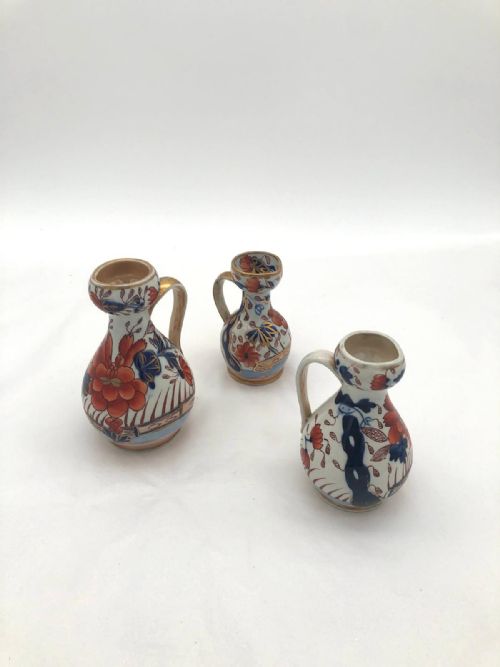
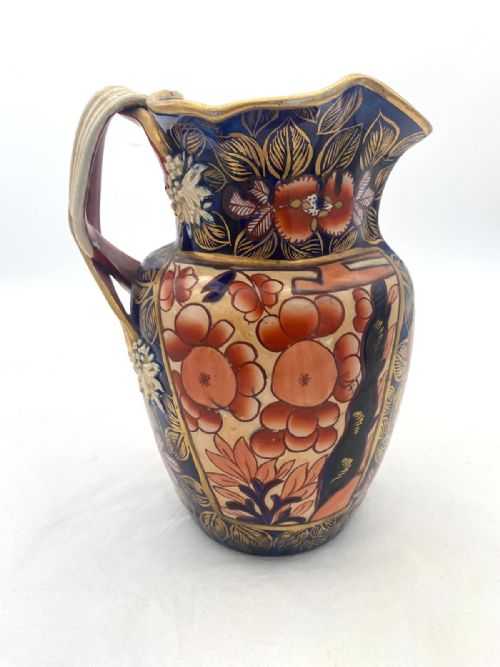
These imari style pottery pitcher examples bring together vibrant colour palettes and sturdy forms from the nineteenth century for daily utility and display.
Imari Style Pottery Pitcher
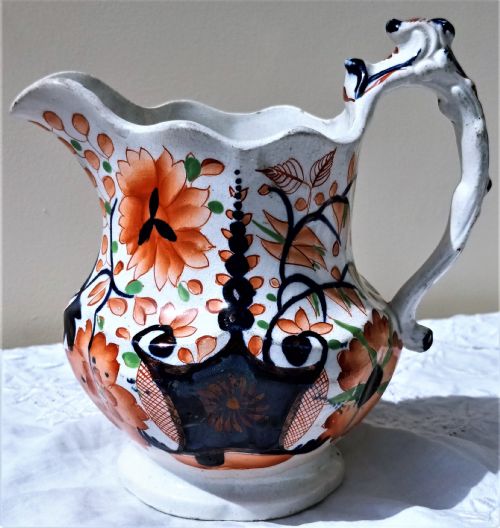
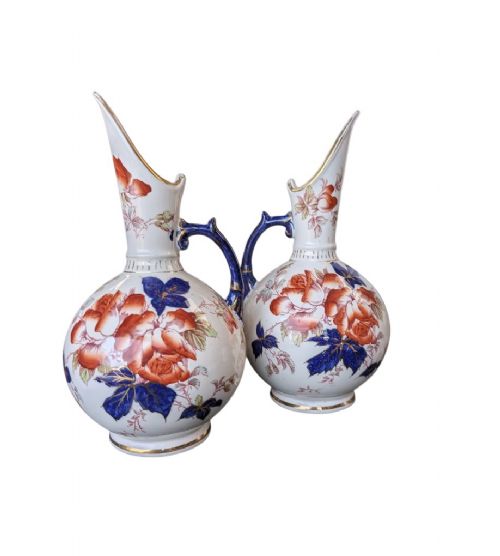
When you search for an imari style pottery pitcher, you encounter nineteenth-century jugs produced across English factories and Japanese kilns. The pieces on this page span Victorian, Georgian, and Regency eras, reflecting diverse decorative traditions.
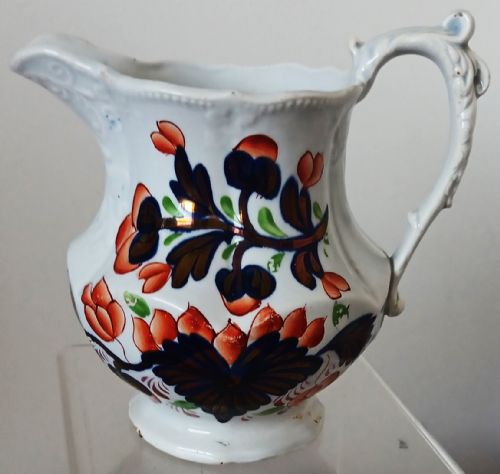
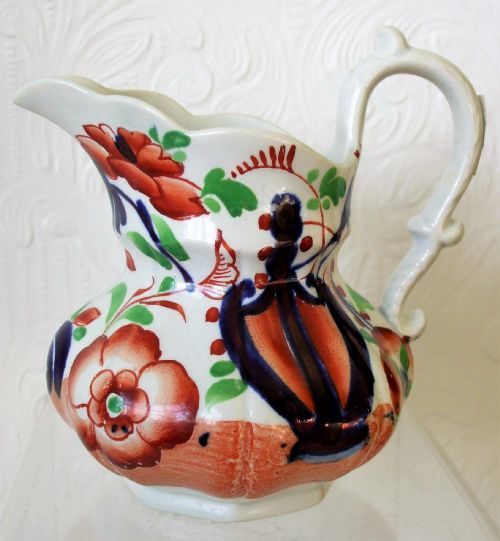
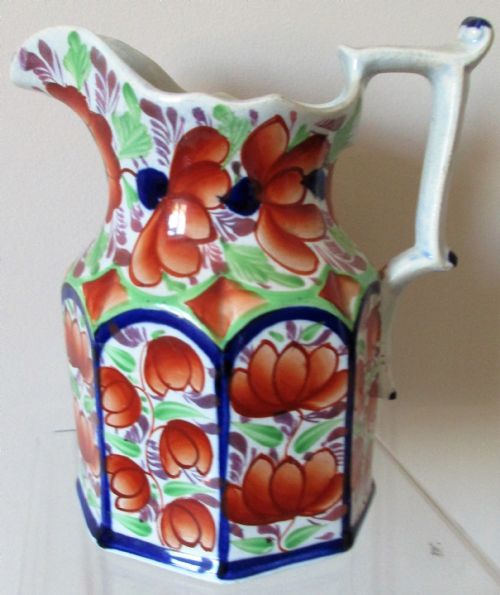
You are most likely to meet earthenware and ironstone jugs featuring traditional patterns like Gaudy Welsh alongside Japanese imari designs. These vessels serve as both functional pitchers and decorative table ornaments.
Materials and Construction
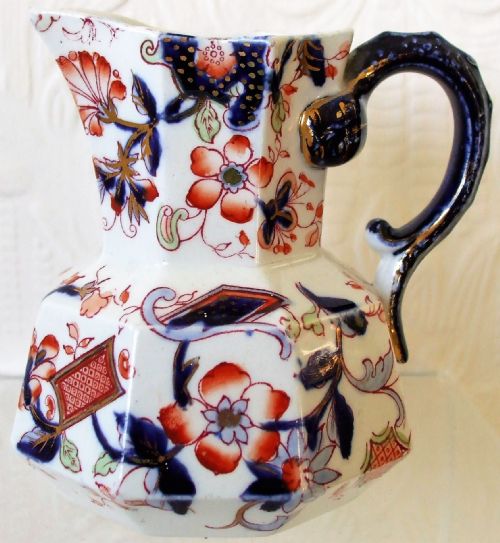
Potters shaped these vessels using durable ironstone and ceramic bodies, often forming robust shapes like the octagonal jug or the pouch jug. The physical weight of the ironstone provides substantial heft and structural resilience.
Glaze and enamel applied over the ceramic body create the characteristic palette, occasionally enhanced with gold leaf and gilding. Artisans executed intricate patterns such as the pagoda and grape motifs directly onto the fired surface.
Imari Style Pottery Pitcher Retail Price Guide 2026
Typical asking prices for imari style pottery pitcher among the pieces listed under this phrase on Sellingantiques today, from the lower quarter to the upper quarter. They describe what is for sale here now, not the wider market.
The listings span the nineteenth century, utilising materials such as ceramic, ironstone, porcelain, glaze, enamel, gold leaf, and gilding across various jug forms.
Assessing Quality and Execution
The precision of the enamel application and the clarity of patterns like Bethesda or Schoolhouse separate standard production from superior examples. Finely executed gilding and well-preserved gold leaf indicate higher grade manufacture.
The complexity of the form, such as octagonal profiles or ornate moulding, dictates the level of craftsmanship involved. Consistency in the ceramic body and the richness of the glaze finish distinguish finer Victorian and Georgian pieces.
Mason's Ironstone·Keeling and Co.·Davenport
The Imari Style Pottery Pitcher Glossary
- Ironstone
- A patented ceramic material developed to imitate porcelain while offering greater durability and strength. It forms the heavy, opaque body of many nineteenth-century jugs.
- Gaudy Welsh
- A style of colourful pottery decorated with cobalt blue, copper lustre, and iron-red enamel, often produced in Welsh and English potteries during the nineteenth century.
- Gilding
- The application of gold leaf or gold powder onto the surface of ceramic objects to create metallic highlights. It adds a decorative border or accent to patterns.
- Pouch Jug
- A pitcher featuring a rounded, bulbous body that swells outwards before tapering toward the neck and pouring lip. This form provides increased liquid capacity.
Imari Style Pottery Pitcher: Frequently Asked Questions
What is an imari style pottery pitcher?
An imari style pottery pitcher is a nineteenth-century ceramic jug decorated in the distinctive palette associated with Japanese Imari porcelain, typically combining cobalt blue, iron red, and gold.
These pieces encompass English ironstone and earthenware productions from the Victorian, Georgian, and Regency periods, utilising patterns such as Pagoda and Gaudy Welsh.
How were these pitchers used?
These vessels originally served practical functions on the dining table or sideboard for pouring water, milk, or beer during meals.
Over time, many transitioned into decorative display items due to their ornate enamel patterns and rich gilding.
How do I care for my pitcher?
Care for your jug by washing it gently by hand in lukewarm water using a mild detergent, avoiding abrasive sponges that might damage the enamel or gold leaf.
Display the pitcher away from direct sunlight and extreme temperature fluctuations to protect the ceramic body and glaze.
How do I tell periods apart?
Distinguishing between periods involves examining the ceramic body, maker's marks, and the specific style of decoration applied to the jug.
Georgian and Regency pieces often display heavier ironstone bodies and distinct pattern names like Schoolhouse, whereas Victorian examples frequently feature Gaudy Welsh motifs or octagonal shapes.