


Orange Floral Ceramic Pitcher
An orange floral ceramic pitcher brings vibrant colour to a room, offering both practical service and striking display.
Orange Floral Ceramic Pitcher
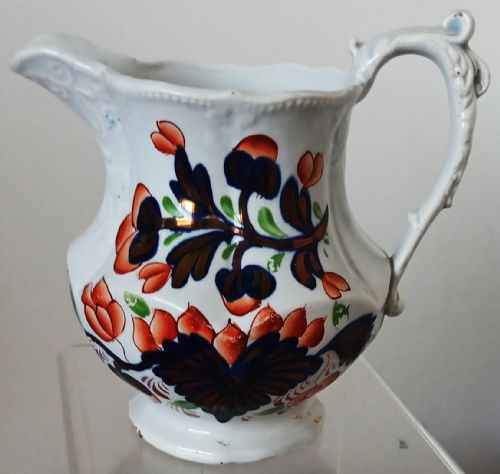
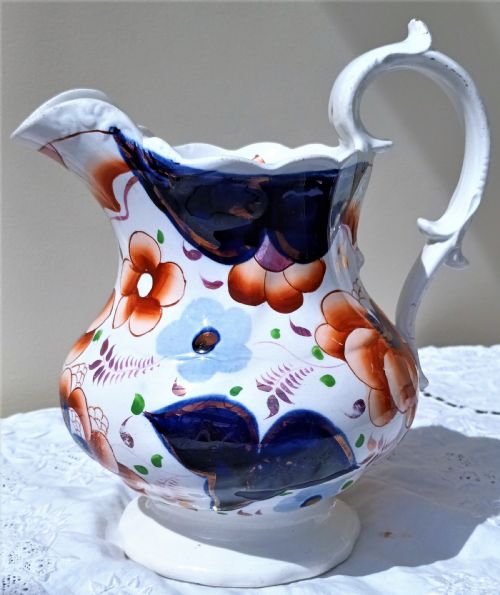
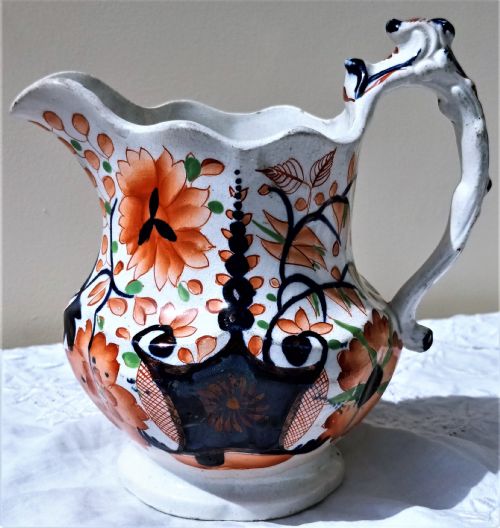
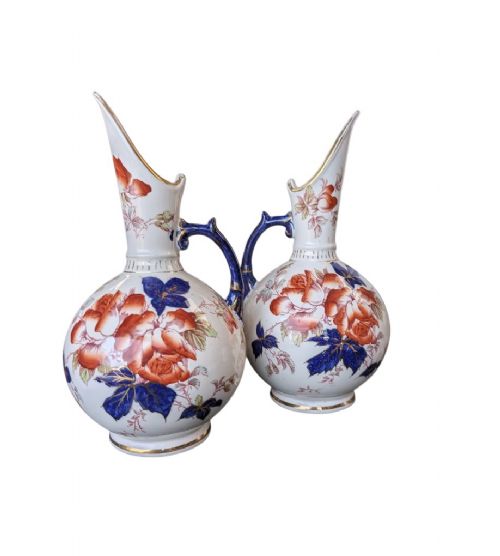
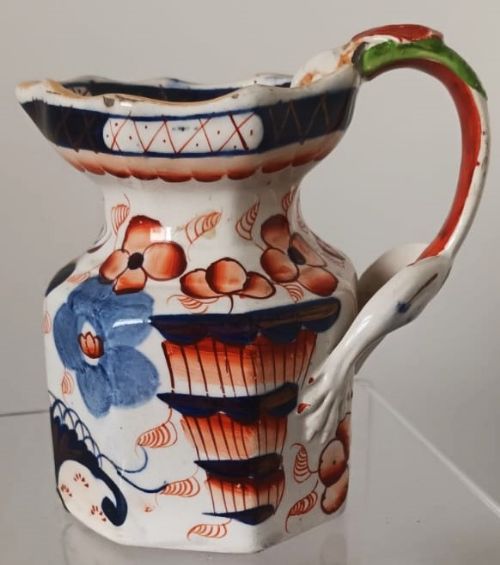
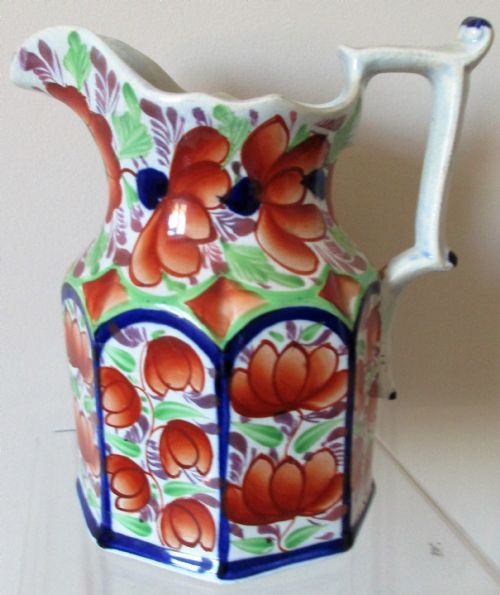
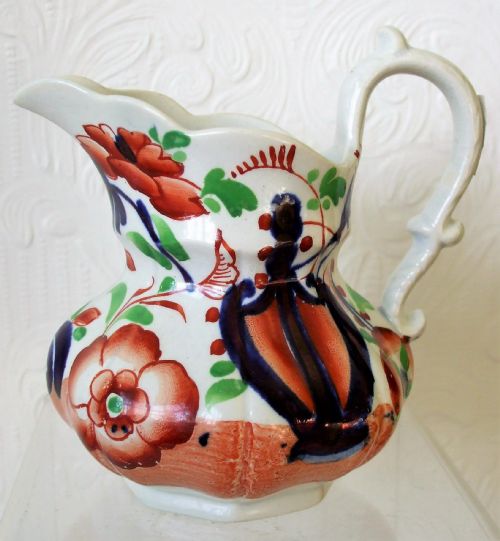
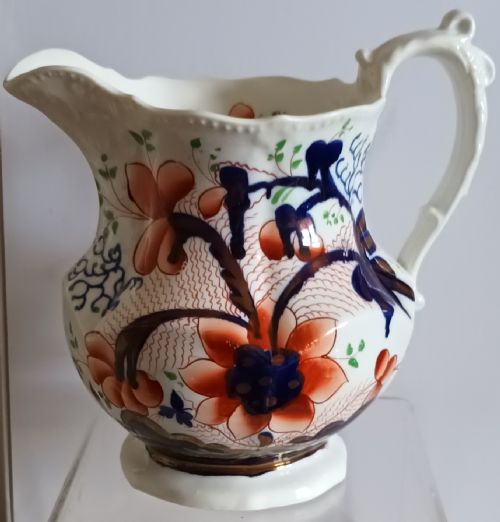
An orange floral ceramic pitcher encompasses vessels shaped for pouring liquids, spanning the eighteenth and nineteenth centuries. These pieces emerge predominantly in Victorian Gaudy Welsh patterns alongside Georgian ironstone and pearlware examples.
The aesthetic relies heavily on hand-painted floral motifs enriched with bright orange and copper lustre accents. Most available examples date firmly to the Victorian era.
How they were made
Potters shaped these vessels using earthenware, ironstone, pearlware, and hard-paste porcelain. The bodies were formed and fired before receiving detailed surface treatments.
Glaze and enamel applications provide the distinctive orange floral decoration. Many pieces incorporate copper lustre highlights to catch the light.
Listings feature periods spanning from the eighteenth century through the Victorian nineteenth century, executed in earthenware, ironstone, pearlware, and hard-paste porcelain.
What varies in quality
The precision of the hand-painted floral enamel work determines the visual strength of each piece. Crisp execution of patterns like Pagoda or Grape separates finer examples from simpler output.
The richness of the copper lustre application and the clarity of the glaze affect the overall depth of the finish. Heavier ironstone and hard-paste porcelain bodies generally offer greater durability than softer earthenware.
Mason s
The Orange Floral Ceramic Pitcher Glossary
- Gaudy Welsh
- A type of colourful pottery decorated with cobalt blue, copper lustre, and iron-red enamel, often featuring floral motifs. It gained popularity during the nineteenth century.
- Copper lustre
- A metallic glaze containing copper that produces a coppery sheen when fired. Potters used it to accent ceramic rims and handles.
- Pearlware
- A refined earthenware developed in the eighteenth century with a slightly bluish glaze that pooled in recesses. It bridged the gap between salt-glazed stoneware and creamware.
- Ironstone
- A heavy, durable ceramic patented in the nineteenth century to imitate porcelain. It provided a sturdy body for pitchers and jugs.
- Hydra jug
- A specific pitcher shape featuring a serpent-form handle and a moulded rim. Mason's frequently produced this classic Georgian form.
Orange Floral Ceramic Pitcher: Frequently Asked Questions
What periods do these pitchers come from?
The pieces span the eighteenth and nineteenth centuries, taking in both the Georgian and Victorian eras.
Most surviving examples date to the Victorian period, reflecting the popularity of Gaudy Welsh patterns during that time.
How were these ceramic pitchers used?
These vessels served practical domestic functions for holding and pouring liquids at the table or washstand.
Over time, many transitioned into decorative display items due to their bright enamel colours and metallic lustre finishes.
How do I care for an antique pitcher?
Wash these ceramic pieces gently by hand using mild soap and warm water rather than placing them in a dishwasher. Avoid harsh abrasives that might damage the delicate enamel and copper lustre highlights over time.
How can I tell the patterns apart?
Patterns are identified by their specific motif names, such as Pagoda, Grape, or Gwent, painted in distinct colour palettes. Examining the placement of the orange floral elements and lustre details helps distinguish one design from another.