

Decorative Ceramic Jug
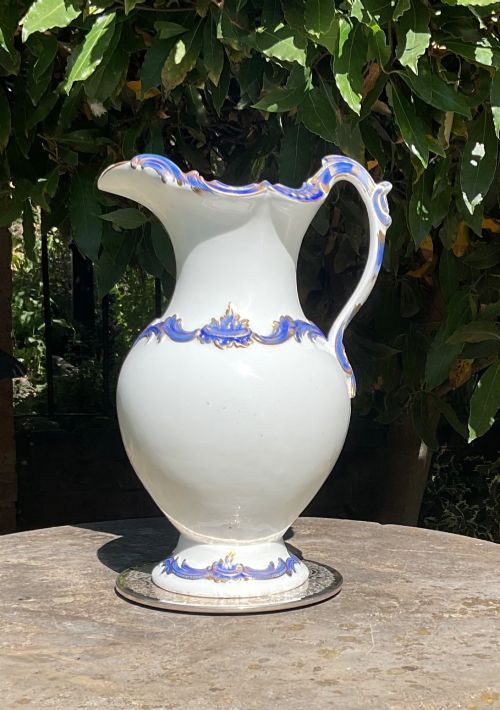
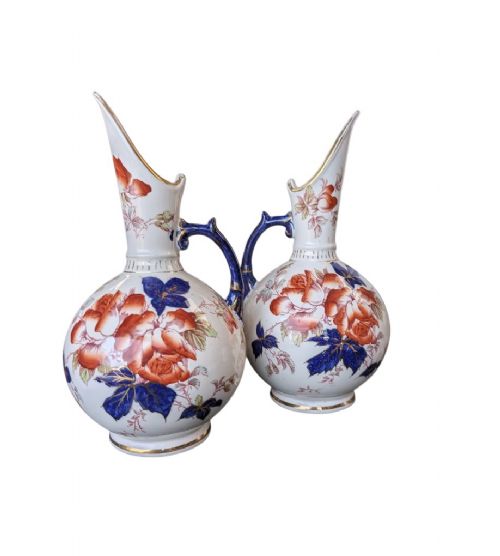
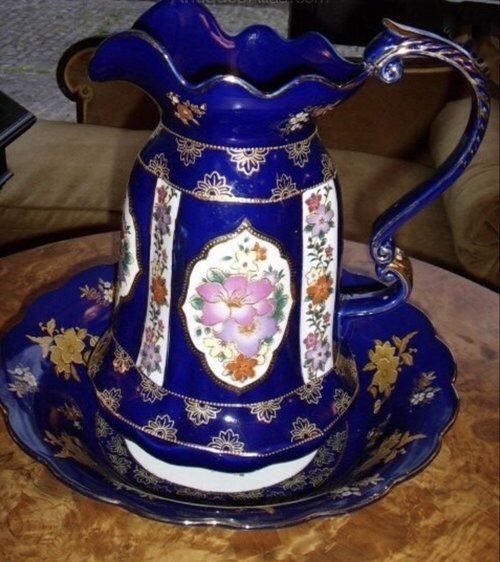
A decorative ceramic jug brings table service and mantel display together through painted pottery and glazed earthenware.
Decorative Ceramic Jug
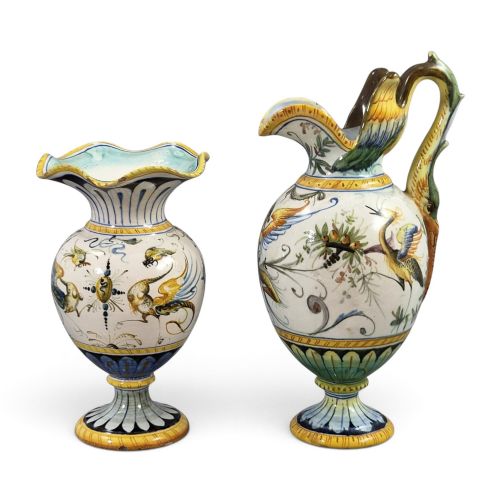
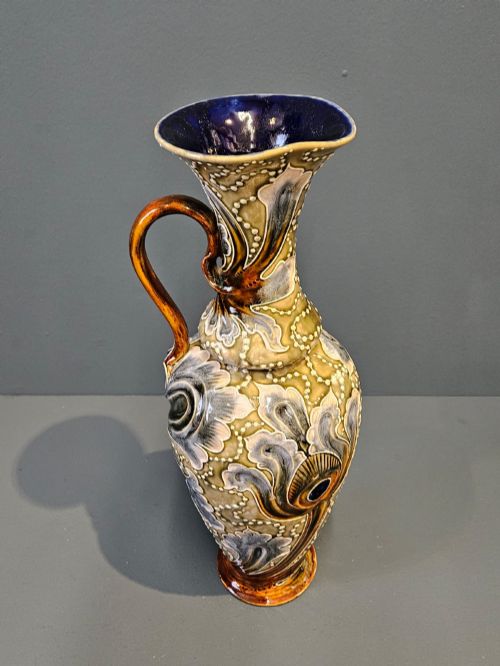
A decorative ceramic jug encompasses pitchers, ewers, and washstand sets spanning the nineteenth century and early decades of the twentieth. These vessels range from utilitarian stoneware to ornate porcelain ewers designed purely for display in domestic interiors.
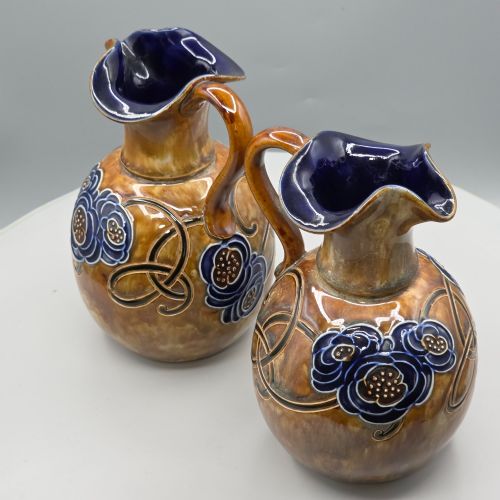
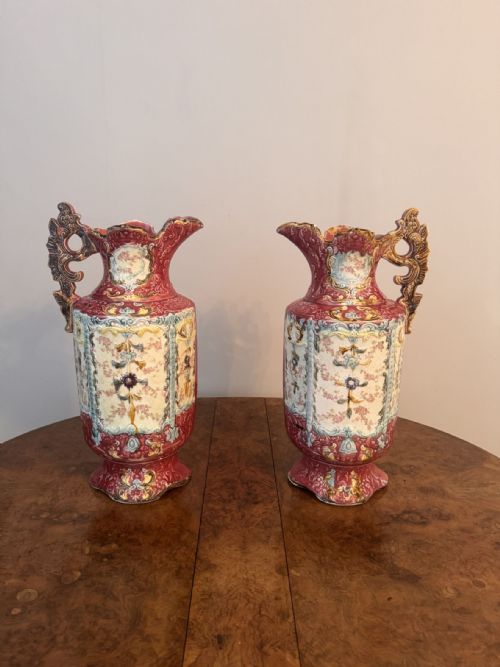
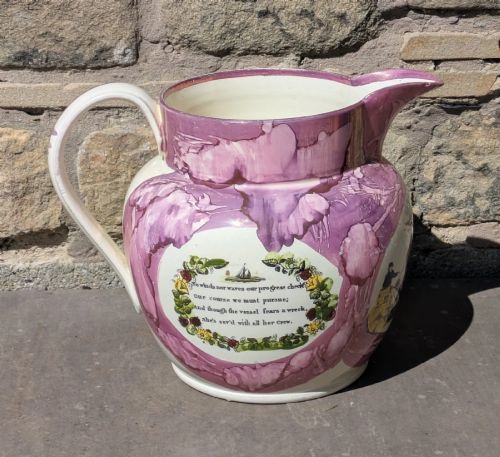
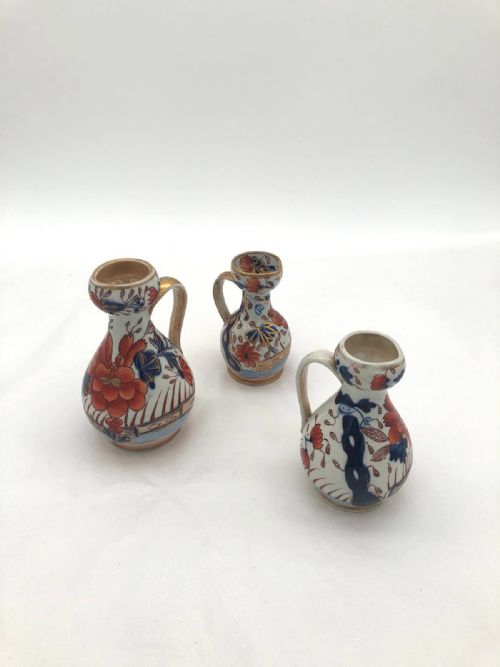
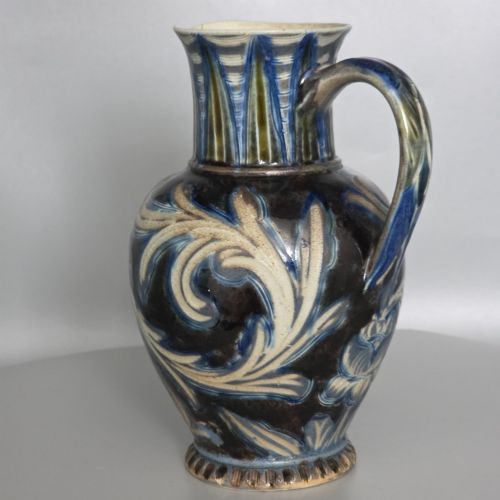
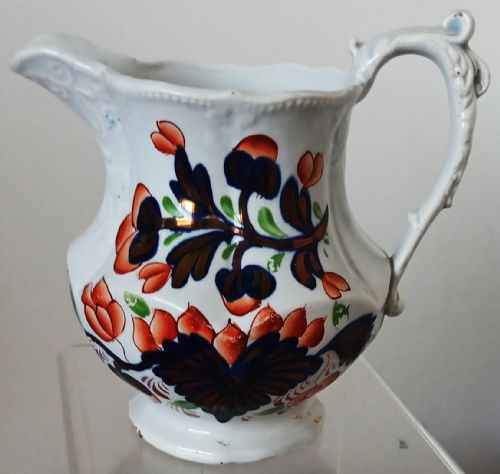
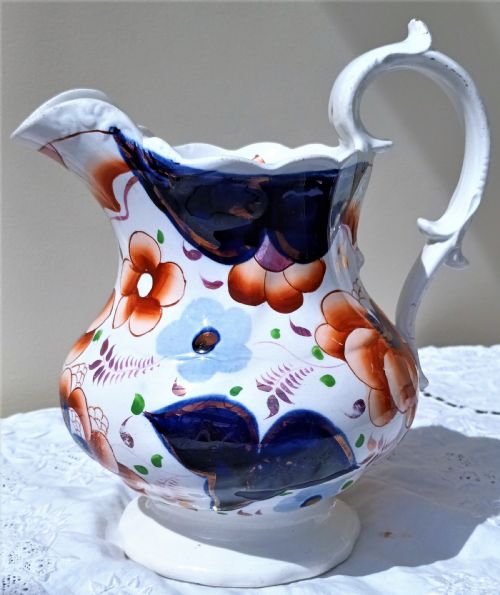
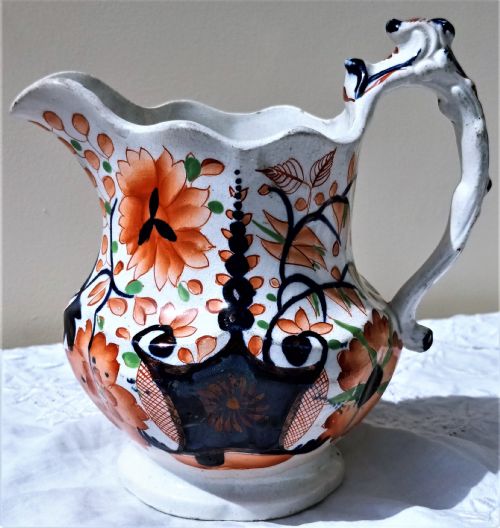
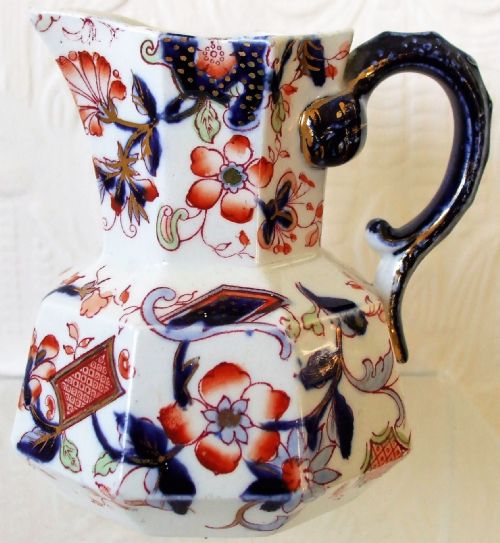
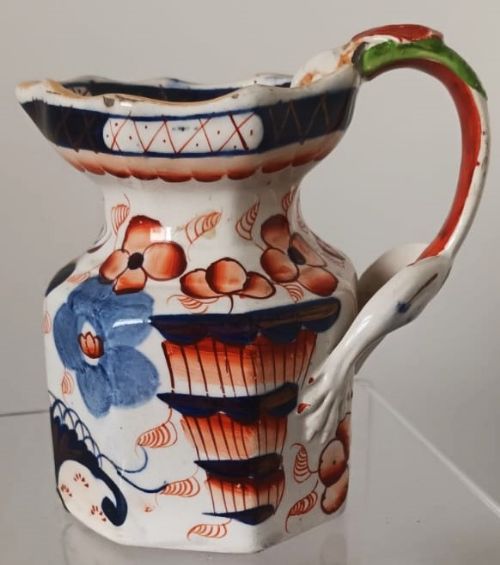
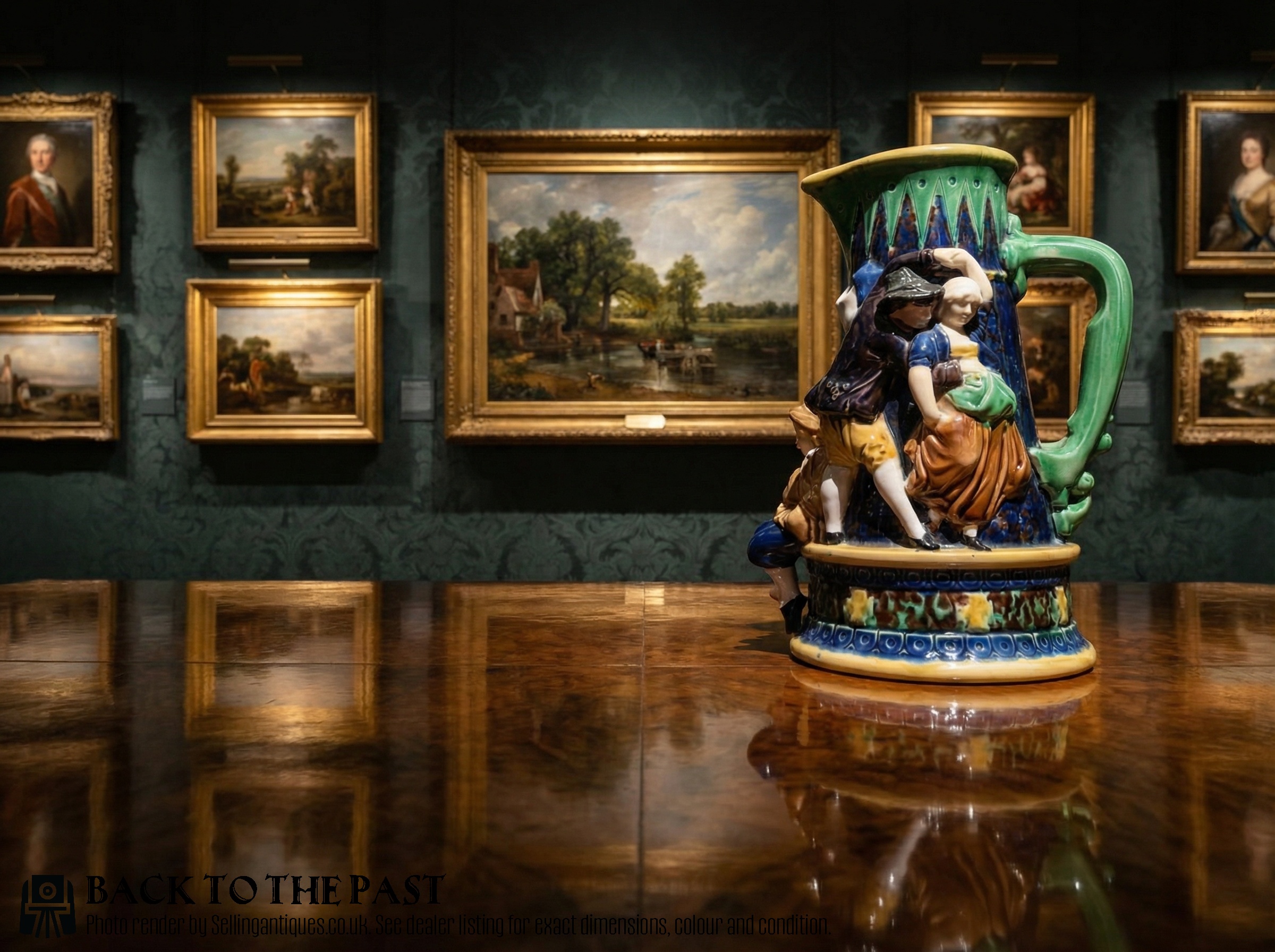
Victorian examples dominate the selection, often taking the form of majolica, ironstone, or lustreware decorated with floral motifs, maritime themes, or classical revival styles. Buyers encounter everything from modest Gaudy Welsh patterns to monumental Austrian pottery ewers and Doulton Lambeth studio pieces.
Forms shift between functional pouring vessels with hound handles and elaborate cabinet pieces featuring reticulated porcelain or raised gold decoration. The common thread is a deliberate aesthetic focus on surface ornament, colour, and form beyond simple utility.
Materials and techniques
Makers utilised earthenware, stoneware, and porcelain bodies, applying liquid glazes and enamels before firing in kilns to achieve durable, glossy surfaces. Earthenware allowed for porous, brightly coloured majolica and transfer-printed decoration, while dense stoneware accommodated utilitarian forms like large salt-glazed storage vessels.
Surface ornamentation involved intricate hand-painting, transfer printing, gold leaf application, and incised pottery techniques. Potteries such as Doulton employed specialised stamps and slip-trailing methods, while factories like Royal Worcester and Grainger integrated reticulated openwork and gilded panels into fine porcelain bodies.
A nineteenth-century hound handle grips the rim of several pitch sets, substituting a startled canine for an ordinary spout.
Judging execution and finish
Quality rests upon the crispness of the moulding and the precision of hand-painted or transferred surface detail. Superior pieces exhibit clean kiln firing without glaze pooling or distortion, whereas lesser items show blurred transfers and uneven colour application.
The sophistication of the form and the reputation of the manufacturing house elevate certain items above standard production ware. Elaborate modelling, such as applied figural handles or complex relief work, distinguishes ambitious cabinet ewers from everyday domestic jugs.
Royal Doulton·Royal Worcester·Mason's Ironstone·Doulton Burslem·Cantagalli Florence·Grainger Worcester·Sir Edmund Elton·Royal Crown Derby
The Decorative Ceramic Jug Glossary
- Earthenware
- Porous pottery fired at lower temperatures, requiring a vitreous glaze to hold liquids. It forms the body for much nineteenth-century majolica and lustreware.
- Ewer
- A large jug with a wide spout and curved handle, traditionally used for holding water or wine. Victorian examples frequently served as decorative display pieces.
- Majolica
- Opaque tin-glazed earthenware decorated with brightly coloured metallic oxide glazes. It gained immense popularity during the Victorian era for ornamental jugs.
- Lustreware
- Pottery featuring a metallic film applied over the glaze to produce an iridescent sheen. Sunderland and pink lustre varieties often incorporate transfer-printed maritime themes.
- Reticulated
- Pierced or openwork ceramic decoration resembling a net or lattice. Grainger Worcester pieces frequently utilised this delicate technique on porcelain ewers.
Decorative Ceramic Jug: Frequently Asked Questions
How can I date an antique ceramic jug?
Dating relies on maker marks stamped or painted on the base, combined with stylistic cues such as Victorian relief moulding or Art Nouveau floral curves. Registry lozenges and specific factory culls provide precise years of production for many English pieces.
Unglazed foot rims, body weight, and the type of glaze crackle further assist in distinguishing early nineteenth-century earthenware from later twentieth-century studio pottery.
Were these vessels used for daily service?
Many sturdy ironstone and stoneware jugs served active roles in domestic kitchens, dairies, and washrooms. Large stoneware vessels held liquids for households, while washstand sets managed morning ablutions.
Conversely, heavily gilded porcelain ewers and reticulated cabinet pieces remained strictly in parlours and drawing rooms as decorative statements of wealth and taste.
How should I display a decorative jug at home?
These pieces suit placement on sideboards, mantelpieces, or open shelving where their varied glazes catch the light. Pairing a single tall ewer with smaller cabinet jugs creates a balanced arrangement of heights and forms.
Because ceramics can be heavy and vulnerable to knocks, sturdy surfaces away from high-traffic edges ensure the safety of handled wares.