

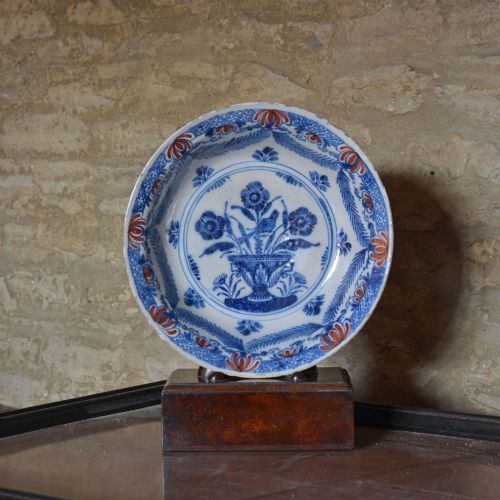
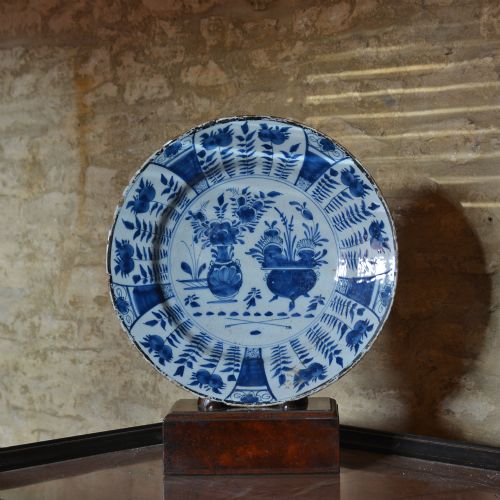
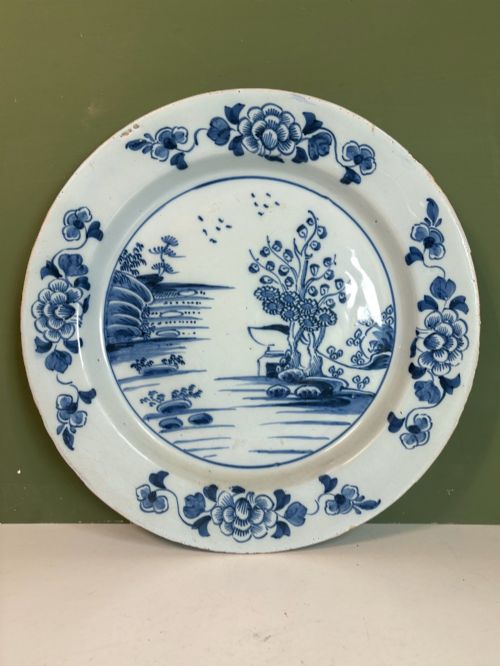
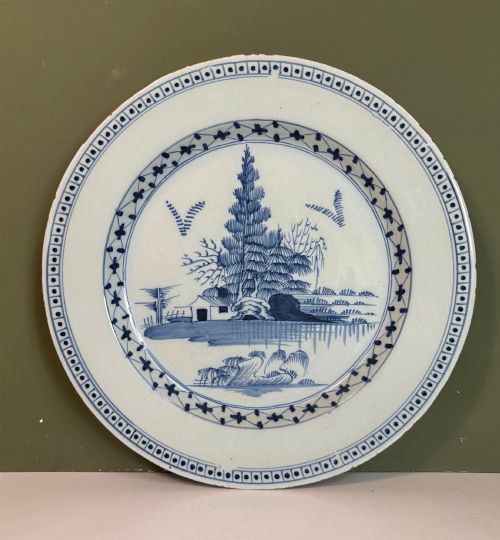


Hand Painted Delft Dish
A hand painted delft dish brings historic tin-glazed earthenware into a room, offering collectors centuries of blue and white artistry.
Hand Painted Delft Dish
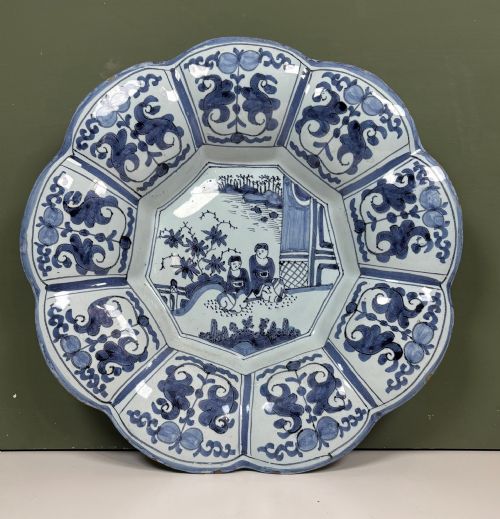
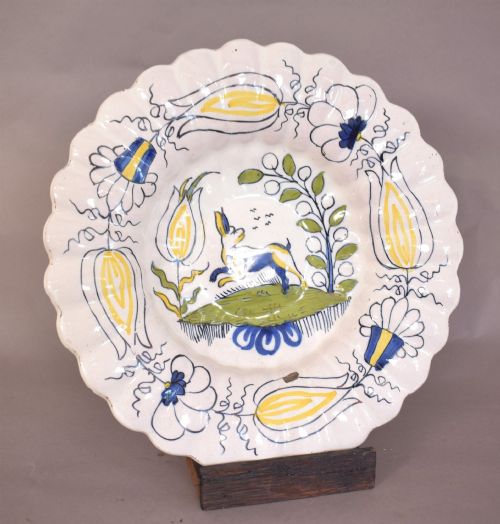
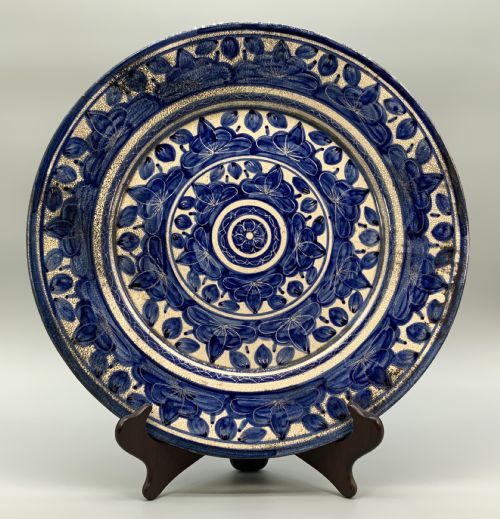
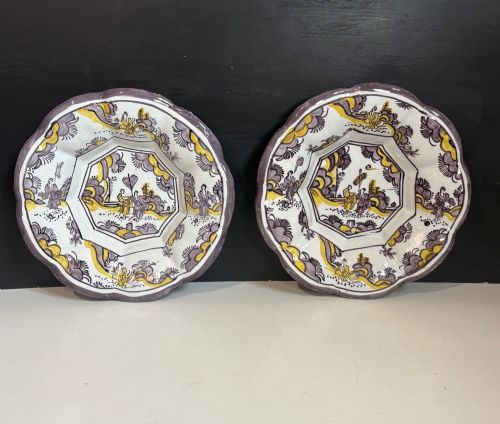
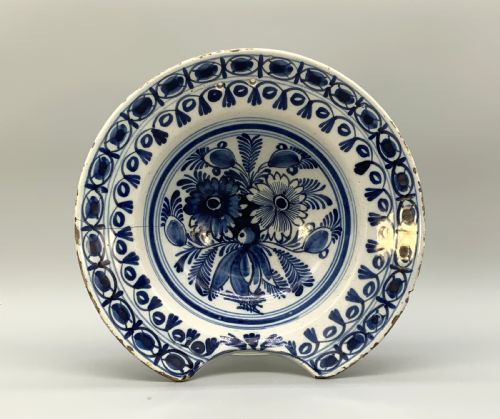
A hand painted delft dish encompasses a range of tin-glazed earthenware forms, including chargers, plates, bowls, and barber's bowls. These items date primarily from the seventeenth and eighteenth centuries, with occasional examples extending into later periods.
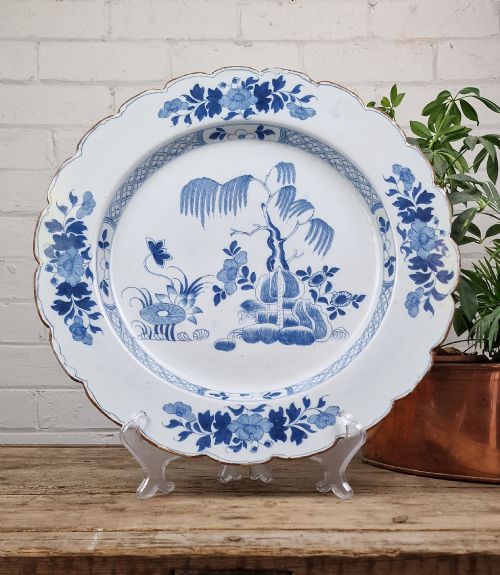
Buyers encounter domestic tableware and large decorative chargers originating from English potteries such as Lambeth and Bristol, alongside Dutch workshops. Forms vary from shallow plates to lobed dishes and deep presentation vessels.
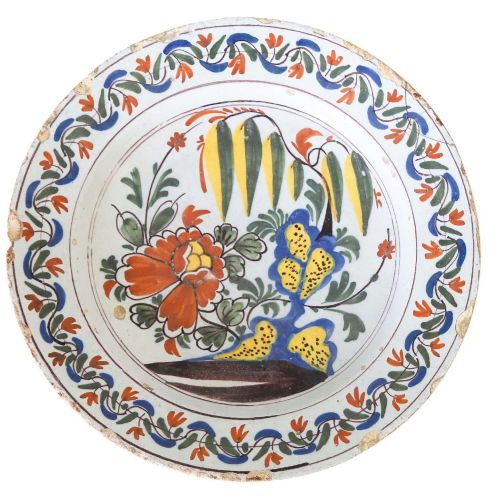
The aesthetic relies heavily on blue and white designs or polychrome palettes, frequently incorporating floral motifs or chinoiserie scenes painted directly onto the porous ceramic body.
How they were made
Potters shaped local clays into earthenware bodies, which were then fired before receiving an opaque white tin glaze that provided a smooth canvas for brushwork. Cobalt pigment or various mineral colours were applied directly onto this absorbent unfired glaze surface.
The chemical interaction between the metallic oxides and the tin glaze during the kiln firing produced the characteristic vibrant blue and soft polychrome tones seen across these historic ceramics.
Hand Painted Delft Dish Retail Price Guide 2026
Typical asking prices for hand painted delft dish among the pieces listed under this phrase on Sellingantiques today, from the lower quarter to the upper quarter. They describe what is for sale here now, not the wider market.
Listings feature tin-glazed earthenware objects spanning the seventeenth century through to the twentieth century.
What varies in quality
The precision and fluidity of the hand painting dictate the visual success of each piece, distinguishing hurried factory output from confident artistic execution. Brushwork that demonstrates deliberate control over floral motifs or geometric borders elevates the status of a dish.
The integrity of the tin glaze itself, including its gloss level, opacity, and evenness across the ceramic surface, marks the distinction between standard utilitarian output and superior decorative production.
Lambeth Delft·Bristol Delft
The Hand Painted Delft Dish Glossary
- Tin-Glazed Earthenware
- Pottery covered with a ceramic glaze containing tin oxide, which fires to an opaque white finish. This technique formed the technical basis for all traditional delftware production.
- Charger
- A large decorative plate intended for display on a wall or dresser rather than for daily dining use. These substantial vessels often showcase the most ambitious painted scenes.
- Polychrome
- A decoration style utilising multiple colours, such as iron red, yellow, green, and blue, instead of a strict blue and white palette. English and Dutch potteries employed these pigments for floral and geometric compositions.
- Chinoiserie
- European artistic interpretations of Chinese decorative motifs and landscapes. This style appeared frequently on eighteenth-century plates and chargers.
- Barber's Bowl
- A specialised basin featuring a semicircular cut-out on the rim to fit against a customer's neck during shaving or bleeding procedures. These ceramic forms survive as notable historic artefacts.
Hand Painted Delft Dish: Frequently Asked Questions
How were delft dishes used?
Historic delft dishes served various domestic functions, ranging from functional tableware for dining to large chargers displayed prominently on walls and dressers.
Specialised forms like barber's bowls fulfilled specific professional duties, while sweetmeat dishes held confectionery during formal gatherings.
Are these dishes safe for food?
These antique tin-glazed ceramics are generally reserved for display rather than modern culinary use due to the porous nature of the earthenware body.
Historic glazes can also contain metallic compounds that make them unsuited for acidic foods and everyday washing.
How do I distinguish English from Dutch delft?
English delftware often exhibits softer glaze tones and specific regional clay characteristics associated with centres like Lambeth and Bristol.
Dutch production frequently displays crisp blue and white execution or distinct lobed shaping influenced by continental ceramic traditions.
What is polychrome delft?
Polychrome delft refers to tin-glazed earthenware decorated with multiple mineral pigments beyond standard cobalt blue.
These pieces typically incorporate vibrant hues of red, green, yellow, and manganese purple to render floral and geometric patterns.