

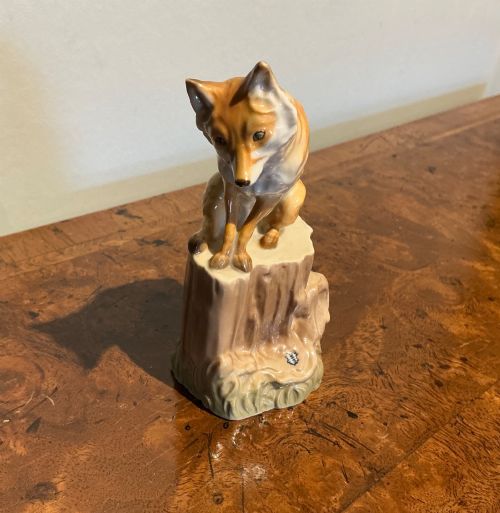
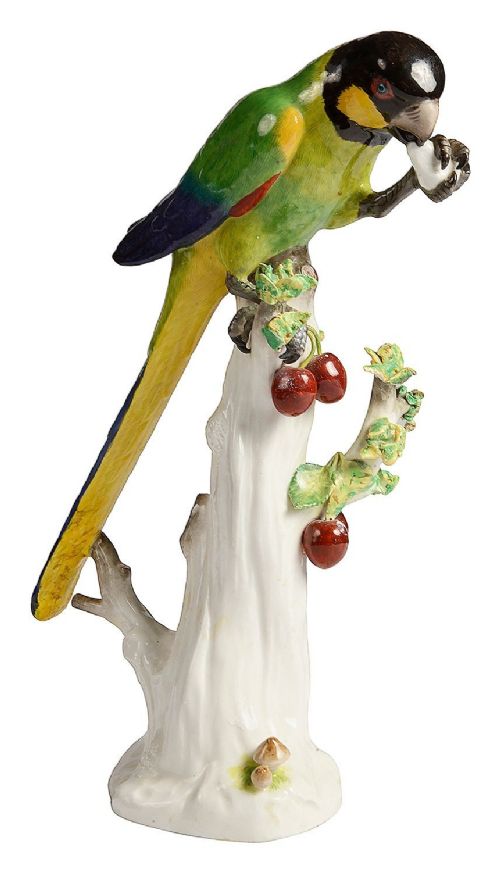
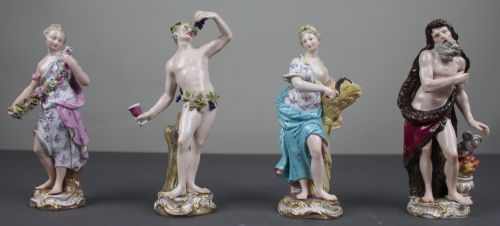
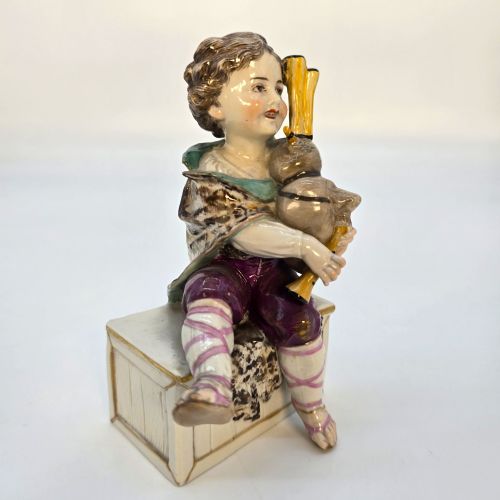
Hand Painted Ceramic Statues
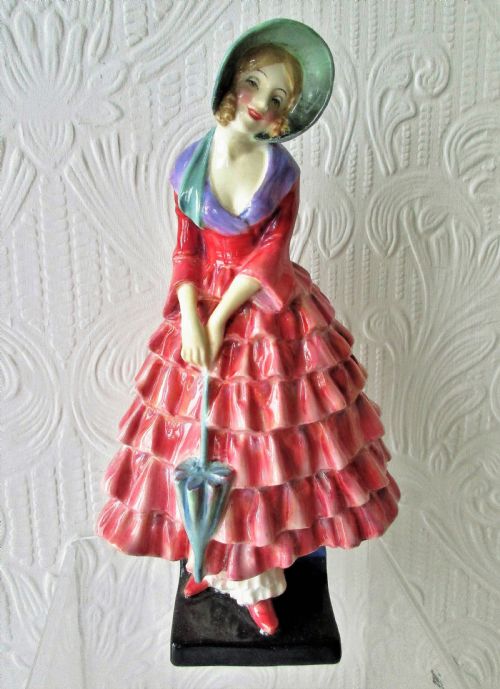
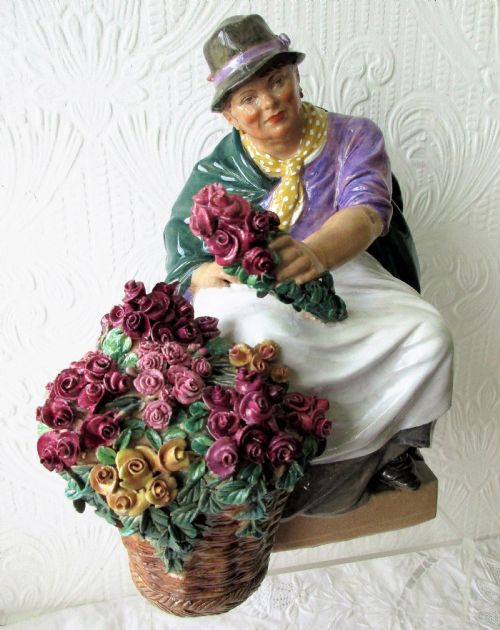
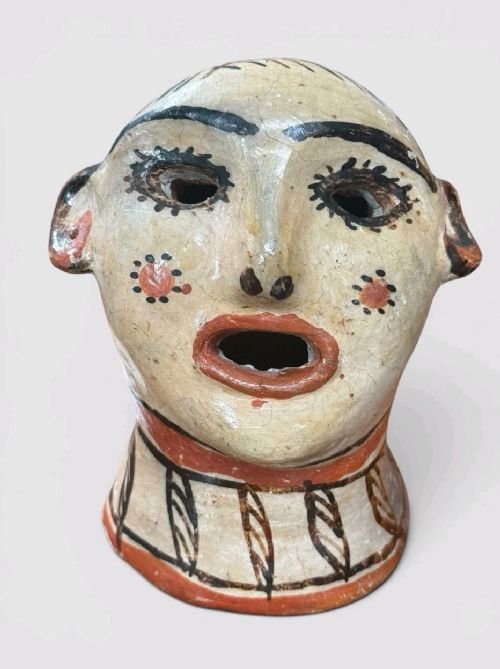
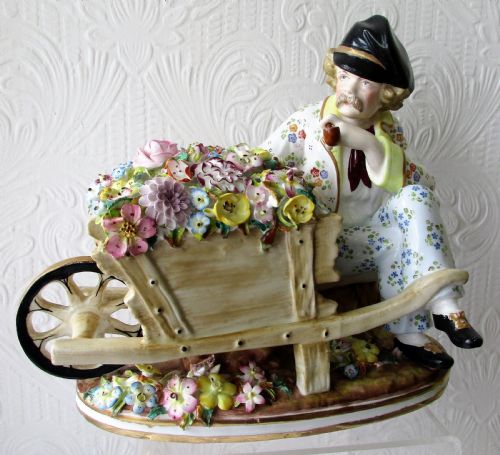
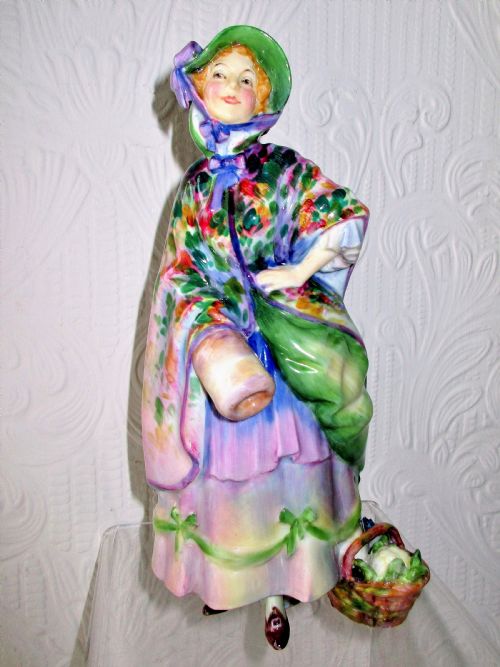
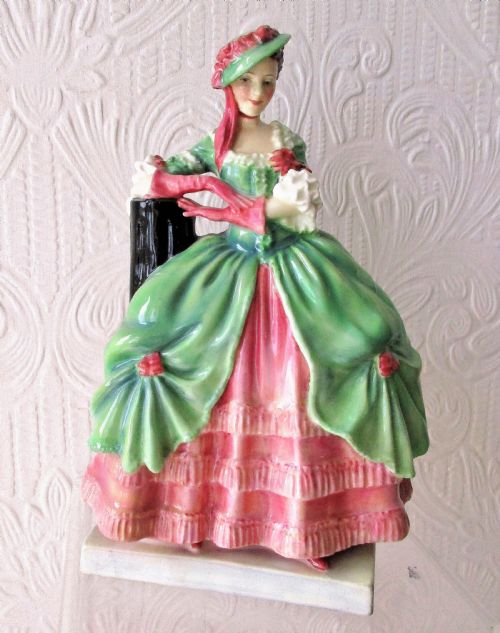
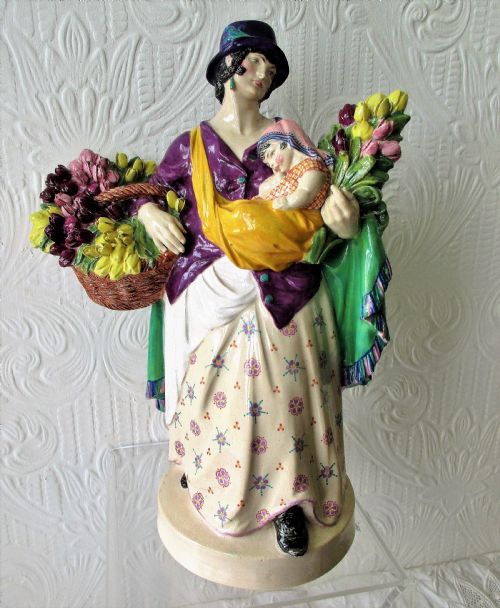
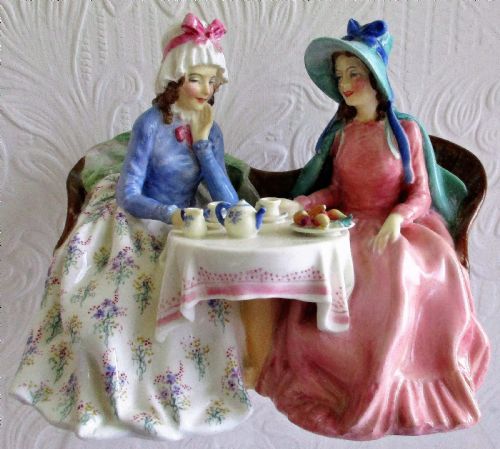
These hand painted ceramic statues combine intricate porcelain, earthenware and bone china forms from the nineteenth and twentieth centuries.
Hand Painted Ceramic Statues
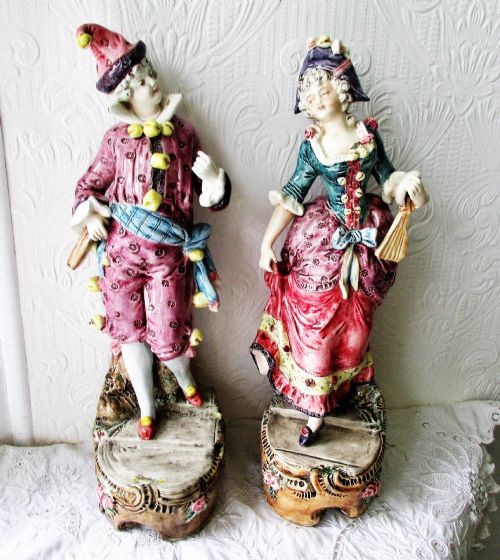
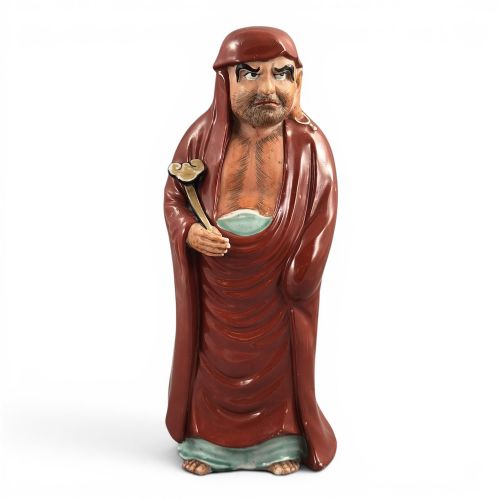
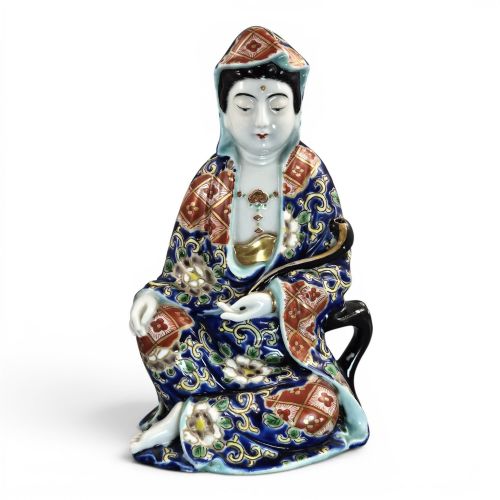
When you search for hand painted ceramic statues, you encounter a diverse array of figural sculptures shaped from porcelain, earthenware, and bone china. The selection spans domestic English figures, continental European works from factories like Meissen and Samson, and Asian ceramic pieces from the Meiji and Qing periods.
You are most likely to meet nineteenth and early twentieth century porcelain figurines and decorative figures on this page. These pieces range from classical pastoral subjects and literary characters to traditional Japanese deities and animals.
The forms encompass everything from small cabinet figures to large pairs of French and German sculptures. Makers utilised styles varying from Rococo Revival and Art Deco to traditional Chinese and Japanese designs.
Materials and technique
The pieces are shaped from hard-paste porcelain, bone china, earthenware, and clay before receiving their primary forms. Artisans then apply detailed enamel paints, mineral glazes, and occasionally gold leaf accents to the fired surfaces.
Many European and Asian workshops employed specialised modelling, slip-casting, and hand-finishing techniques. Painters worked directly onto the ceramic body or over an existing glaze, often firing the pieces multiple times to set the colours and metallic details.
The listings feature nineteenth century European porcelain alongside Japanese Kutani figures and English studio pottery.
Quality variations
The fineness of the hand painting largely separates ordinary production from superior works. Skilled artists achieved delicate facial expressions, precise costume details, and controlled shading that lesser pieces lack.
The crispness of the porcelain moulding and the complexity of the underlying model also dictate standard. Pieces that retain sharp relief in drapery and leaves without distortion from the kiln represent the higher tier of manufacture.
Royal Doulton·Meissen·Volkstedt Rudolstadt Factory·Charles Vyse·John Bevington·Bourdois & Bloch·Samson of Paris·Royal Worcester·Limbach·Royal Crown Derby·Chantilly·Ludwigsburg
The Hand Painted Ceramic Statues Glossary
- Bone china
- A type of soft-paste porcelain containing bone ash for added strength and translucency. It became a staple of English factories.
- Earthenware
- Porous pottery fired at lower temperatures than porcelain. It requires an impermeable glaze to hold liquids and display enamel decoration properly.
- Enamel
- Opaque or translucent glass fused to the ceramic surface during firing. It provides the vibrant polychrome palette seen on these figures.
- Hard-paste porcelain
- A dense, vitrified ceramic material composed of kaolin and petuntse. It was developed in Europe during the eighteenth century.
- Sancai glaze
- A three-colour lead glaze tradition originating in China. It typically employs amber, green, and cream tones.
Hand Painted Ceramic Statues: Frequently Asked Questions
What are hand painted ceramic statues?
These pieces are three-dimensional figural sculptures shaped from clay, earthenware, or porcelain and decorated by hand with mineral glazes and enamel colours.
They encompass a wide variety of subjects, including human figures, animals, and mythological characters produced by European and Asian factories over the past three centuries.
How were these figures used?
Most of these ceramic statues served as decorative ornaments in period interiors, displayed on mantelpieces, side tables, and in glass cabinets.
Some specific forms, such as Japanese okimono or religious figures, held cultural or spiritual significance within domestic spaces.
How do I live with antique ceramics?
Display these figures away from direct sunlight and high traffic areas to protect their delicate enamel paints and fine porcelain extremities from accidental damage.
Dust them gently with a soft, dry brush and avoid using liquid cleaners that might compromise the antique glazes or gold leaf details.
How do I tell periods apart?
Stylistic clues, factory marks, and the character of the paste help determine the age of a piece. Rococo Revival forms and heavy gilding often point toward the nineteenth century.
Earlier eighteenth century figures display distinct modelling techniques and paste compositions, while Art Deco items from the twentieth century feature characteristic geometric simplicity.