


Hand Painted Bone China
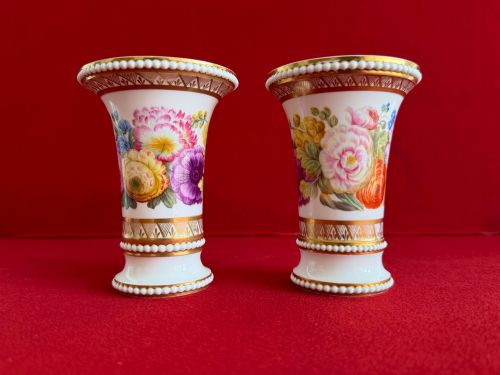
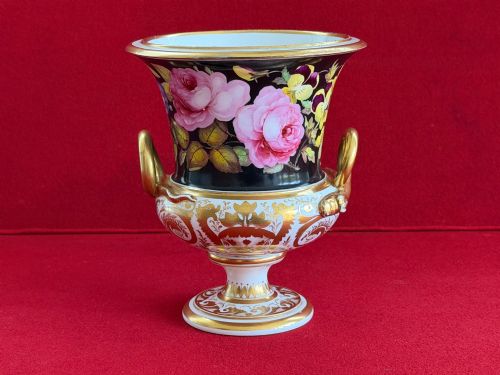
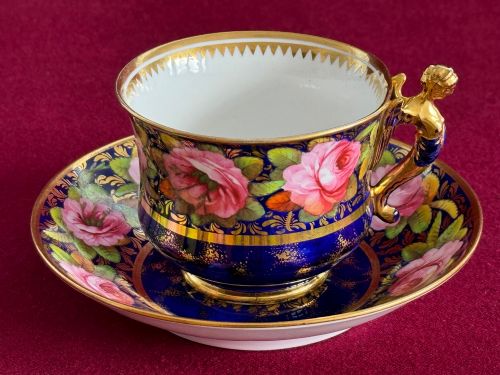
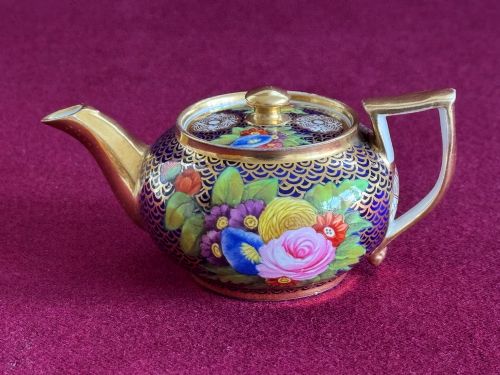
These hand painted bone china pieces bring together fine ceramic bodies and delicate brushwork from the Georgian era through to the twentieth century.
Hand Painted Bone China
When you search for hand painted bone china, you encounter items designed for display and formal service across the nineteenth and twentieth centuries.
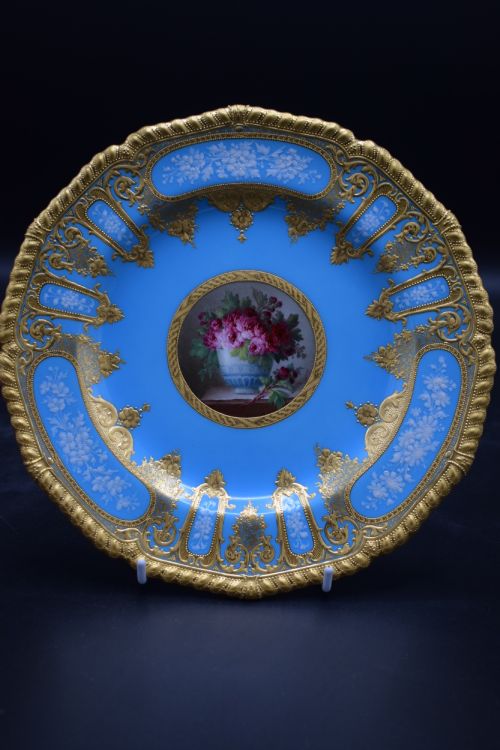
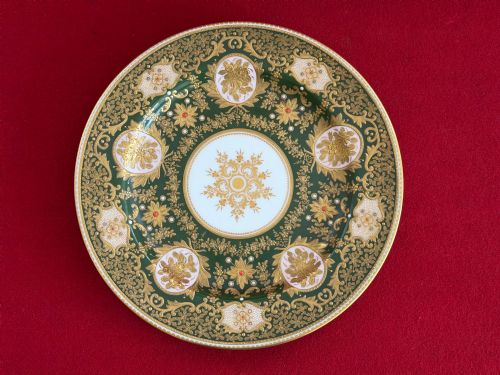
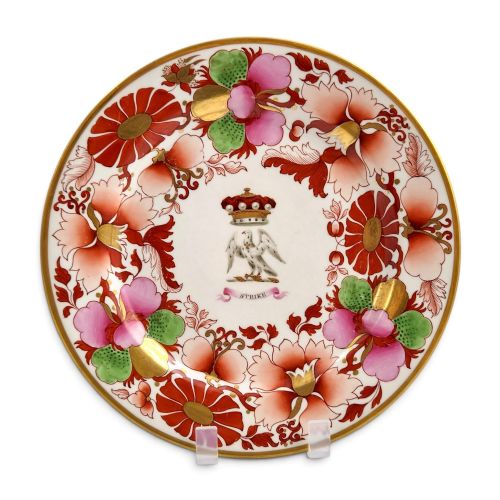
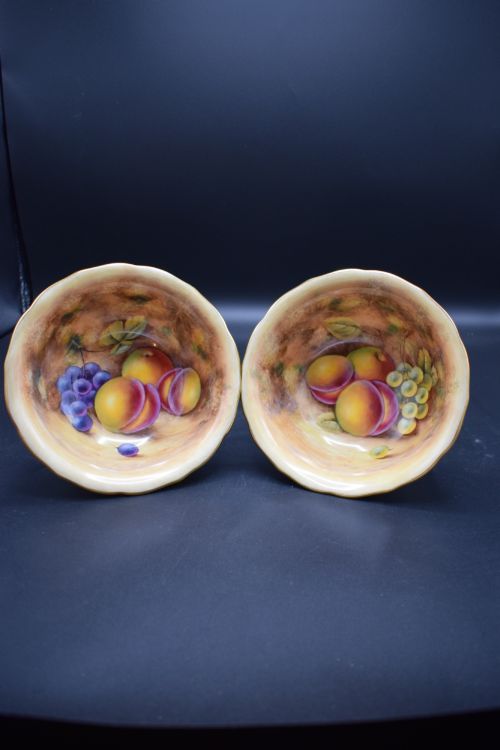
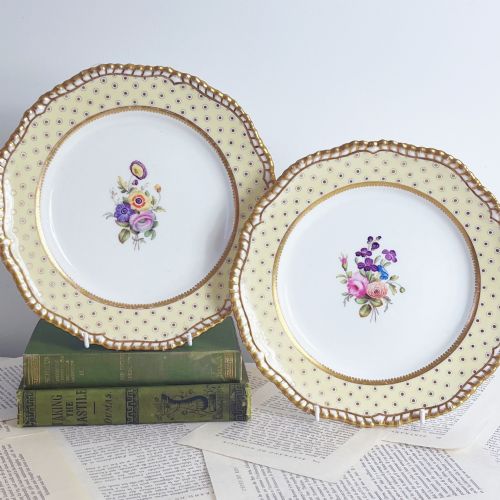
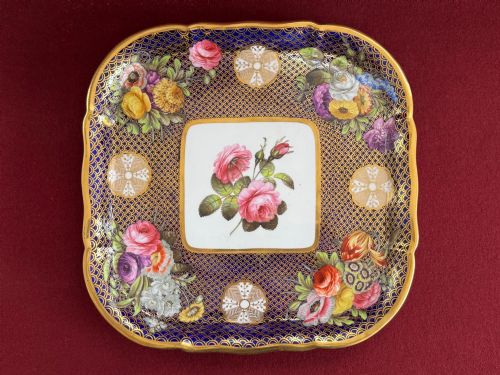
Cabinet plates and decorative plates dominate the selection, often bearing detailed studies of fruit or birds by named artists.
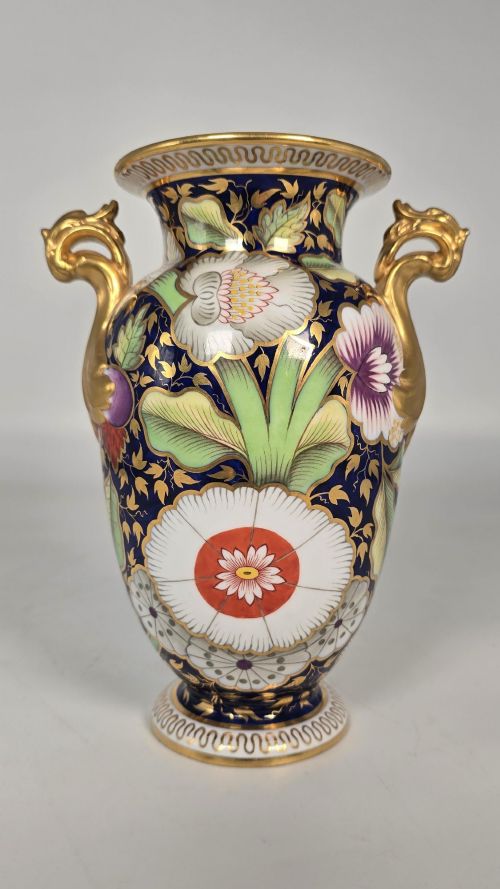
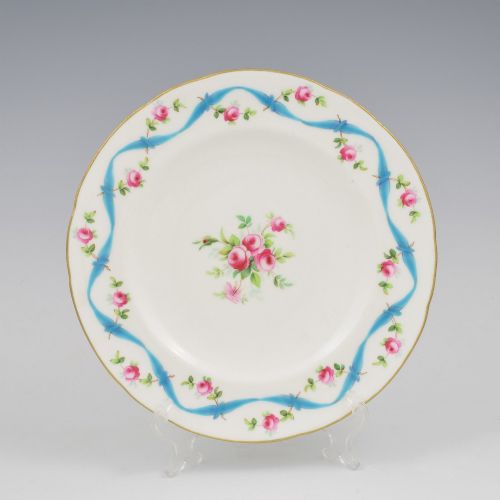
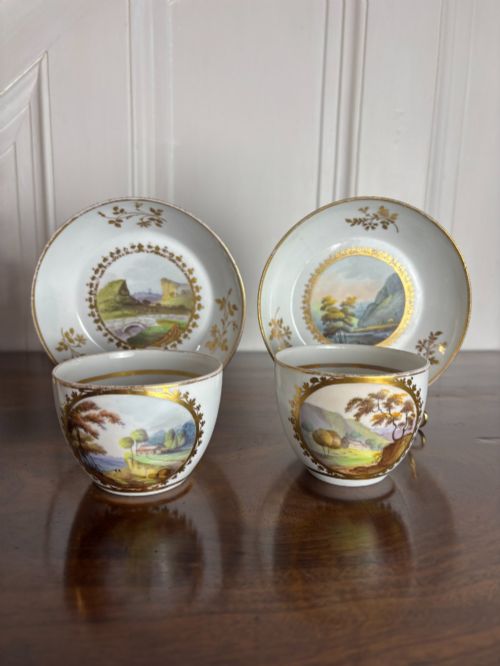
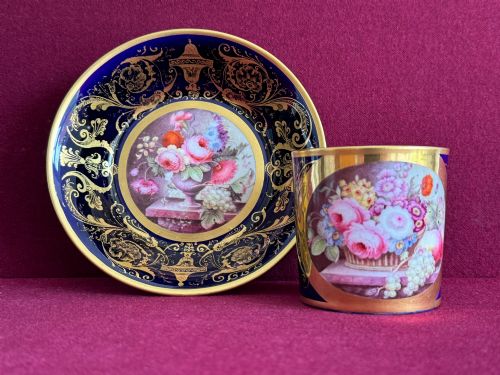
You will also find teacups and saucers, trios, teapots, vases, and porcelain figurines spanning Georgian, Regency, Victorian, and later periods.
How they were made
The makers utilised refined bone china and porcelain bodies, shaping them into cabinet plates, teacups, and vases before applying a smooth glaze.
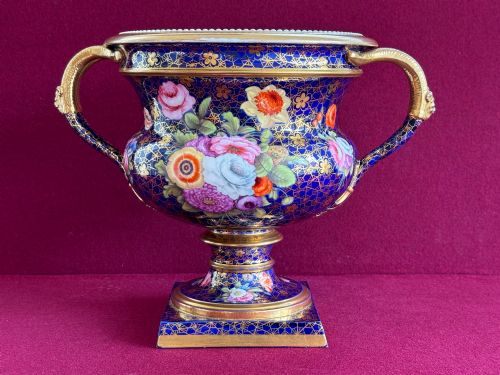
Artists painted decorative scenes using enamel pigments, frequently adding gold leaf, gilt, and gilding to accentuate rims and borders.
Hand Painted Bone China Retail Price Guide 2026
Typical asking prices for hand painted bone china among the pieces listed under this phrase on Sellingantiques today, from the lower quarter to the upper quarter. They describe what is for sale here now, not the wider market.
Listings span the 19th Century, Georgian, Regency, Victorian, Edwardian, and 1930s periods, utilising porcelain, bone china, enamel, and gold leaf.
What varies in quality
Quality rests upon the precision of the brushwork and the complexity of the painted subject, from simple floral motifs to intricate studies of fruit and birds by known hands.
The application of gilding and the crispness of the porcelain moulding further distinguish standard production wares from pieces made for exhibition or specialised commission.
Spode·H & R Daniel·Royal Doulton·Derby Porcelain·Wedgwood·Newhall·Coalport·Royal Worcester·Royal Crown Derby·Minton·Copeland
The Hand Painted Bone China Glossary
- Bone china
- A type of porcelain containing bone ash, which yields a strong, bright white body suitable for delicate forms and painted decoration.
- Cabinet plate
- A decorative plate intended for display in a cabinet or on a wall rather than for everyday dining.
- Gilding
- The application of gold leaf or gold powder to ceramic surfaces, typically framing painted panels and rims.
- Enamel
- Opaque glass-like paint fused to the ceramic body during firing to create enduring coloured decoration.
- Trio
- A matching set comprising a teacup, a saucer, and a matching plate for tea service.
Hand Painted Bone China: Frequently Asked Questions
What is a cabinet plate?
A cabinet plate is a decorative ceramic dish created primarily for display in a cabinet or on a wall rather than for use at the dining table.
These pieces often feature elaborate hand-painted scenes of fruit, birds, or landscapes framed by intricate gilding.
How do I care for hand painted china?
These pieces require gentle hand washing in lukewarm water with mild soap, avoiding abrasive sponges or modern dishwashers.
Because many examples incorporate delicate enamel work and gold leaf, careful handling preserves the painted surfaces.
Are these items meant for daily use?
Most items on this page, particularly cabinet plates and figurines, are intended for decorative display rather than routine domestic service.
Teacups, trios, and teapots were originally made for tea service, but their age and hand-painted details suggest careful handling today.
How are periods identified?
Periods are identified through a combination of factory marks, pattern numbers, ceramic bodies, and stylistic traits recorded in the manufacturing history.
Stylistic shifts, such as Regency shapes or Victorian aesthetic details, help narrow the date of manufacture.