
Hand Painted Asian Porcelain
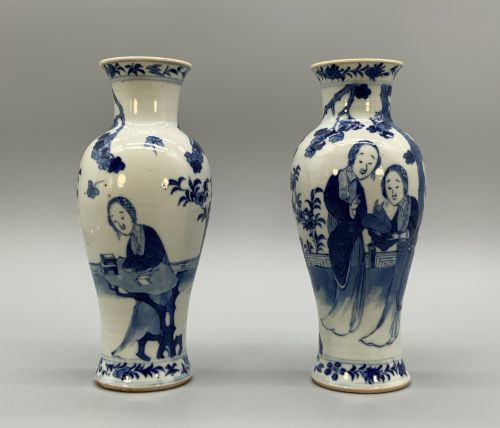
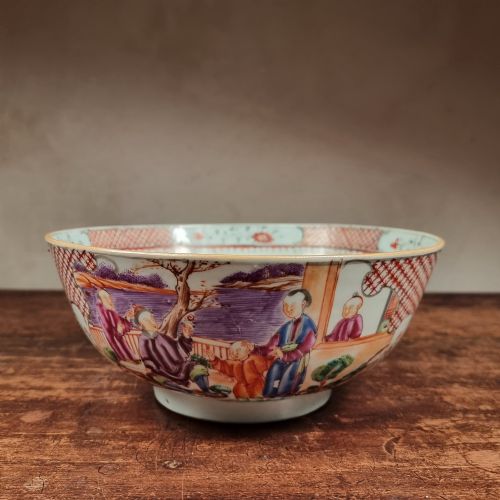
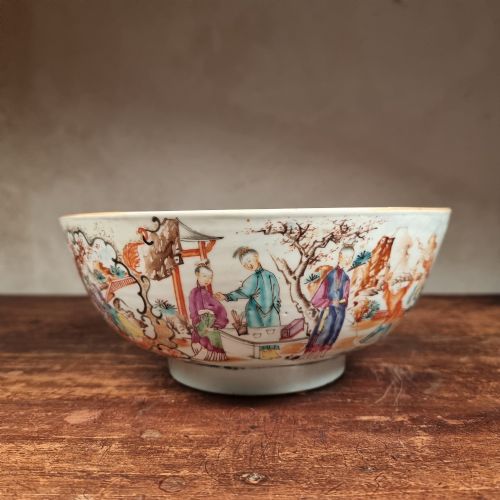
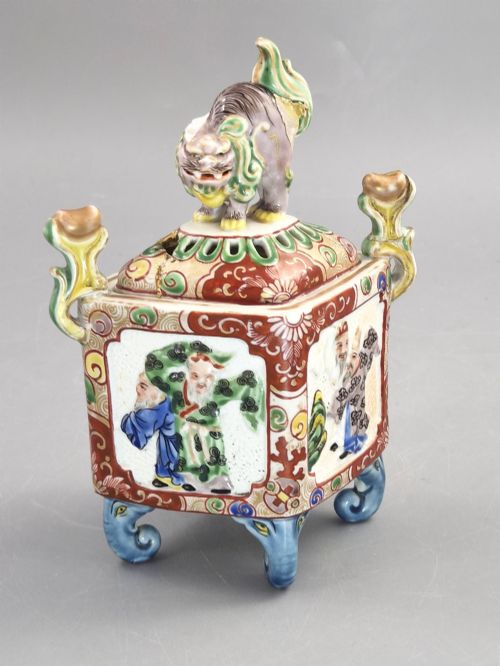
Hand painted asian porcelain brings together centuries of ceramic artistry, offering decorated vessels, plates and figures from Chinese and Japanese traditions.
Hand Painted Asian Porcelain
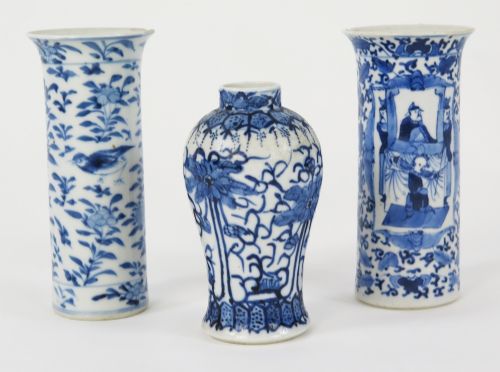
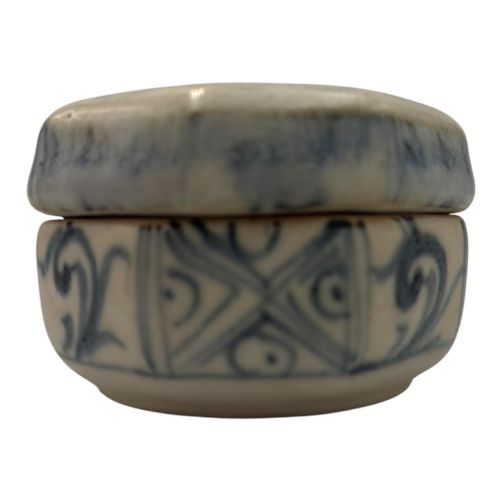
Hand painted asian porcelain encompasses a wide array of decorative objects including vases, bowls, plates, jars and figurines originating from historic workshops in China and Japan. Buyers exploring this category encounter pieces spanning from the late seventeenth century through the early twentieth century, reflecting diverse regional aesthetics and technical skill.
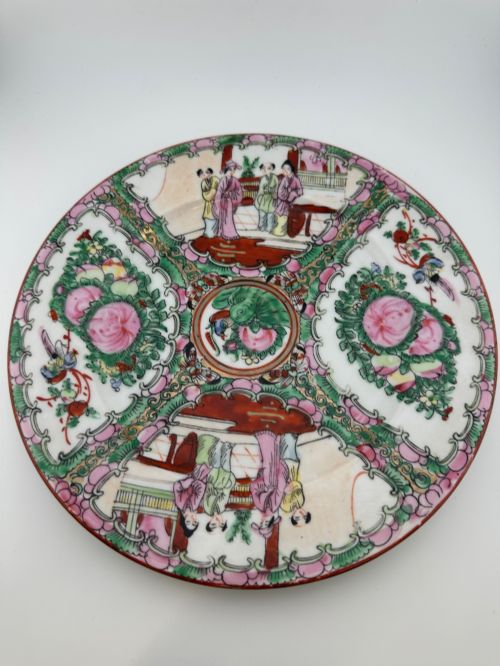
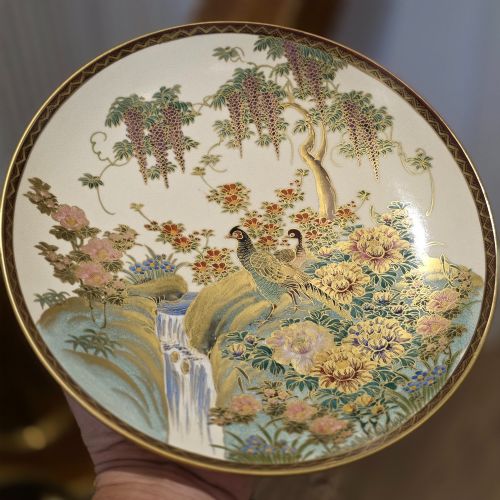
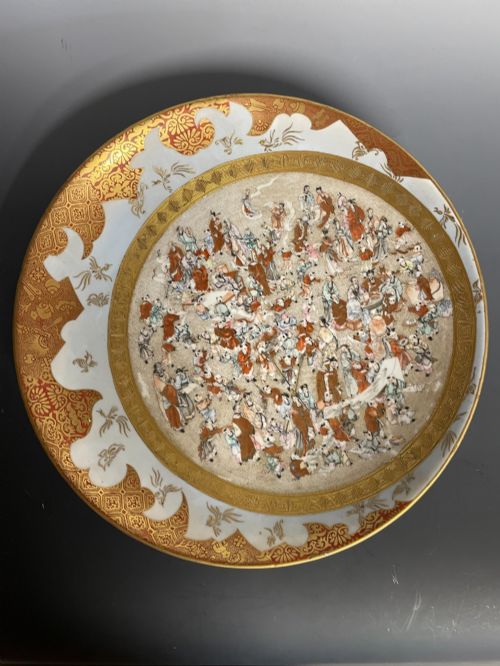
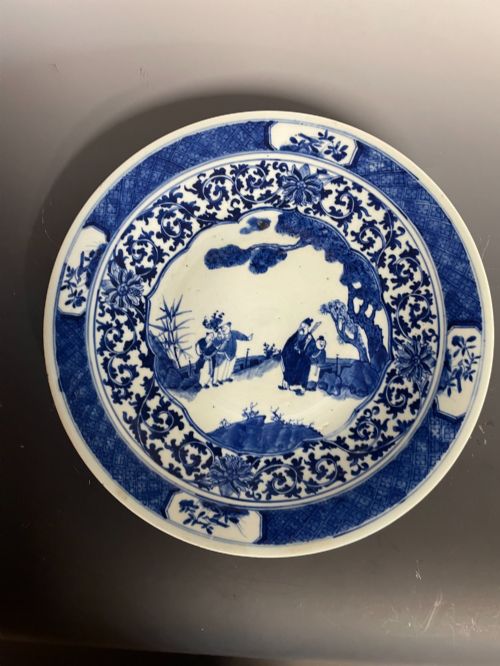
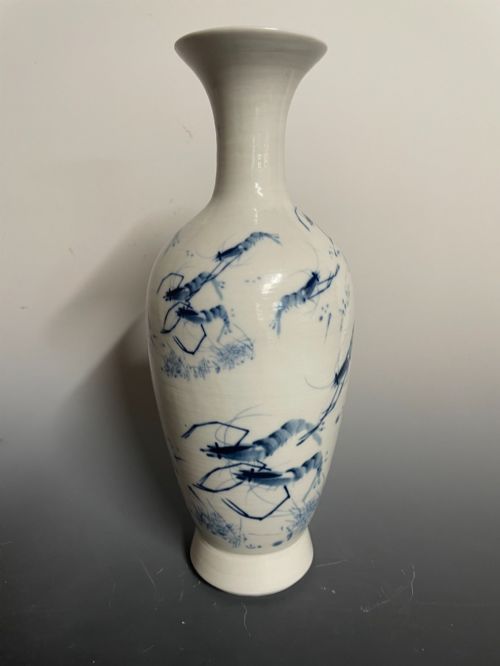
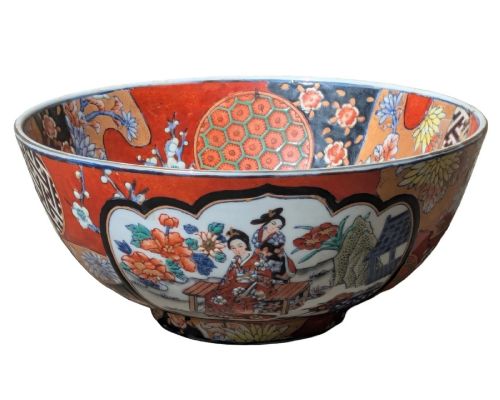
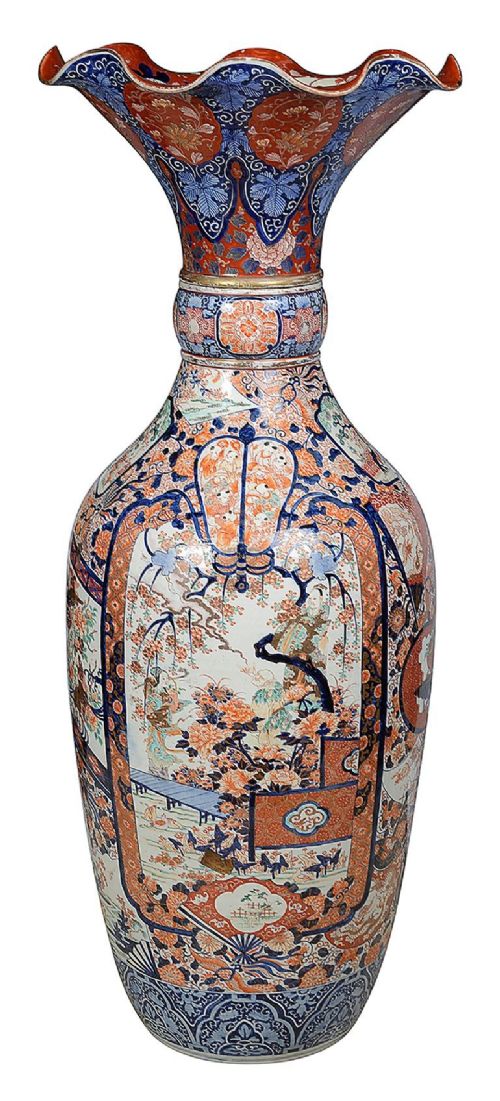
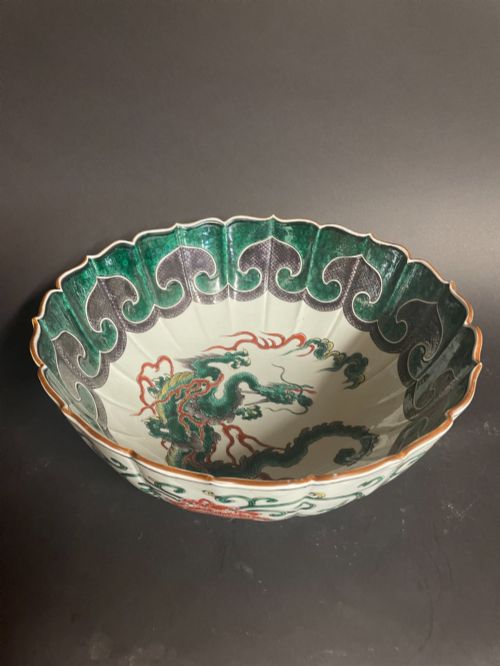
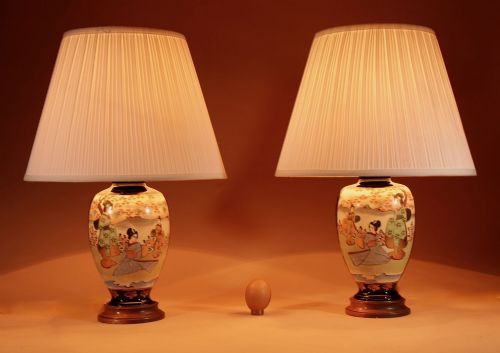
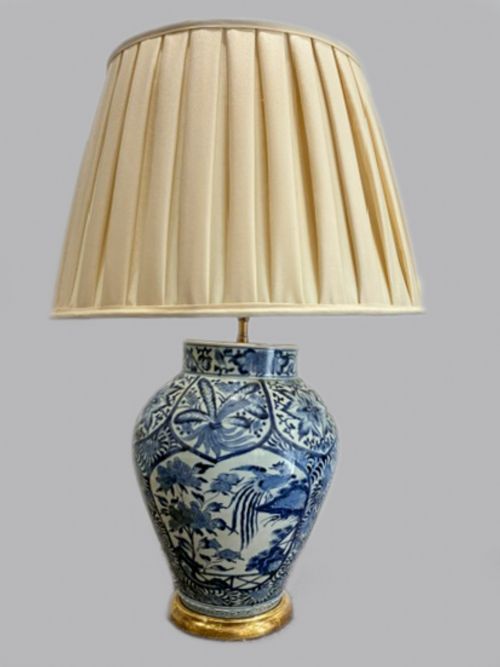
The selection on this page leans heavily toward Japanese Imari, Satsuma and Kutani wares alongside Chinese blue and white, famille rose and export pieces. Forms range from utilitarian vessels and tea services to large chargers, incense burners and table lamps adapted from earlier vases.
How they were made
Potters shaped fine clay bodies, utilising porcelain and earthenware formulas before applying complex mineral glazes and underglaze pigments. Cobalt blue, iron red and copper green often form the foundational palette beneath clear glossy coats.
Artists then applied detailed overglaze enamel work and gold leaf highlights by hand, returning pieces to kilns for secondary firings to fuse the polychrome decoration to the surface.
Listings feature materials such as porcelain, earthenware, enamel, gold leaf, wood, glaze, ceramic and brass across multiple historic eras.
What varies in quality
Quality rests in the precision and density of the brushwork, the clarity of the glaze and the complexity of the compositional layout. Superior examples display controlled linework, harmonious colour saturation and balanced integration of gilt detailing.
Thick, muddy glazes, hesitant painting and heavy firing distortions lower the status of a piece. The refinement of sculpted elements, such as figural finials or animal feet, further distinguishes standard production from exceptional studio output.
Koshida·Gyokkō·Kozan·Hichozan Shinpo
The Hand Painted Asian Porcelain Glossary
- Imari
- A style of Japanese porcelain featuring a distinctive palette of underglaze blue, iron red and gilt ornamentation. It originated in Arita and was widely exported to Europe.
- Satsuma
- Earthenware pottery characterised by a fine crackle glaze decorated with elaborate polychrome enamels and raised gold work. It was produced chiefly in the Satsuma province of Kyushu.
- Kutani
- Japanese porcelain known for its bold pictorial designs, often dominated by greens, blues, yellows and purples. Production centred on Kutani in Ishikawa prefecture.
- Famille Rose
- A major palette of Chinese ceramic enamels introduced in the Qing dynasty, dominated by opaque pink or rose colours mixed from gold chloride. This style replaced the earlier green-dominated famille verte.
- Charger
- A large decorative plate or platter intended for display on a wall or sideboard rather than for practical dining use. These items provide expansive surfaces for intricate painterly narratives.
Hand Painted Asian Porcelain: Frequently Asked Questions
How do I date hand painted asian porcelain?
Dating relies on examining the stylistic conventions, glaze characteristics, kiln marks and material composition of each object. Comparing decorative motifs against documented periods helps establish an accurate timeframe.
Changes in palette preferences and manufacturing techniques across dynasties and imperial eras also provide reliable clues for chronological placement.
Are these pieces suitable for daily use?
Most antique items function best as decorative objects rather than utility ware. Enamel decorations and gold leaf details can wear away with frequent handling or washing.
Displaying them safely on stable surfaces protects fragile glazes and delicate ceramic bodies from accidental damage.
What is the difference between Imari and Kutani?
Imari wares use a porcelain body typically decorated with cobalt blue and iron red alongside gold highlights. The patterns often feature floral and brocade arrangements.
Kutani wares span both porcelain and ceramic bodies, showcasing pictorial scenes rendered in vibrant, painterly mineral colours with a strong emphasis on green and gold.
How should I clean antique porcelain?
Dusting gently with a soft, dry brush removes surface particles without risking the delicate overglaze enamels. Avoid chemical cleaners and abrasive cloths entirely.
If washing is strictly necessary, use lukewarm water and mild soap, then dry the piece immediately with a soft lint-free towel.