


Hand Painted Mirror
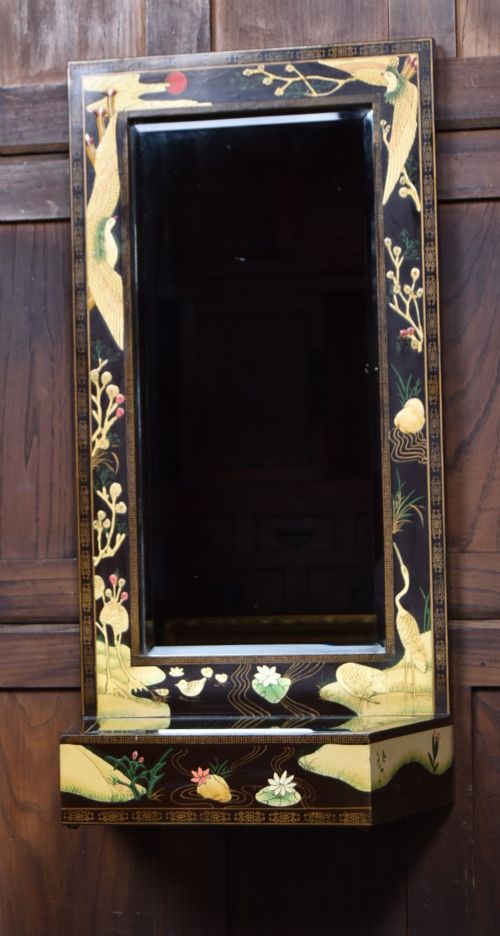
A hand painted antique mirror brings colour and narrative into a room through delicate brushwork applied directly to glass, wood or metal.
Hand Painted Mirror
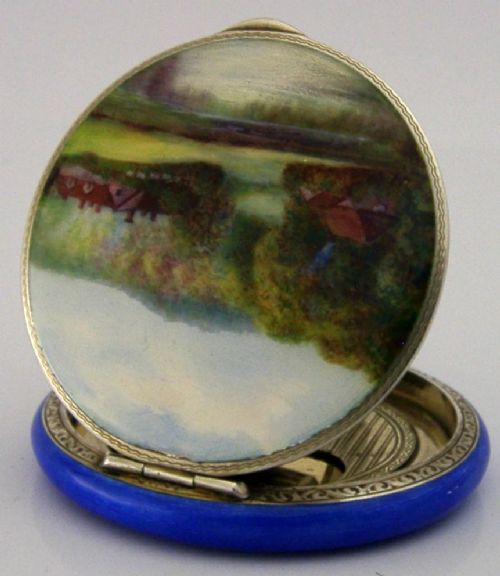
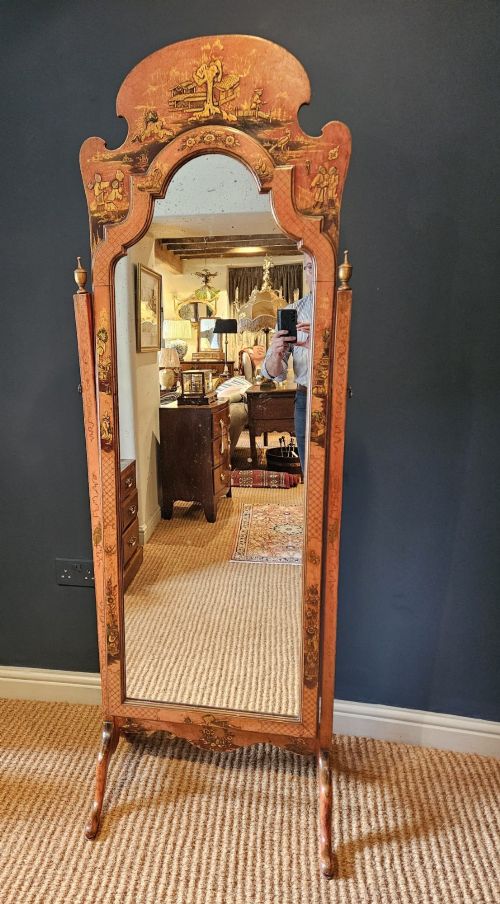
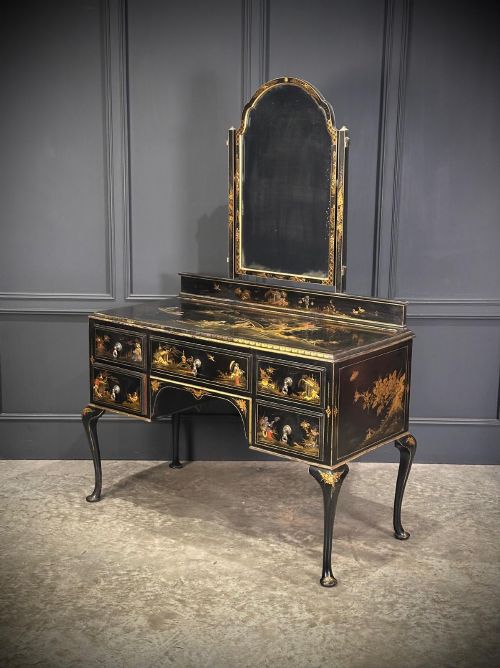
A hand painted antique mirror is a functional looking glass elevated by artisanal decoration, spanning wall-hung pieces, dressing accessories and overmantel formats. When searching for a hand painted antique mirror, buyers encounter diverse forms ranging from large Chinoiserie cheval mirrors to small sterling silver and enamel compacts and hand mirrors. The selection draws on periods from the nineteenth century through the 1950s, encompassing styles such as Italian Rococo, Aesthetic Movement and French Provincial.
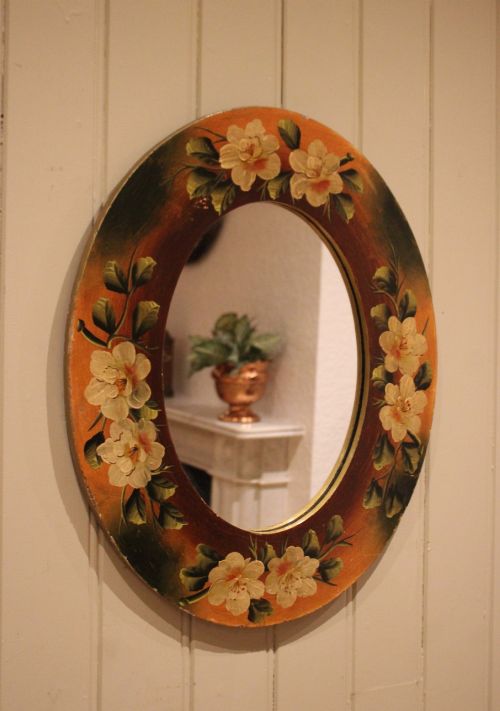
Wall mirrors dominate the available inventory, frequently displaying floral motifs, gilt detailing or lacquered finishes across wood and mirror glass. Pieces like the Georgian period lacquered Chinoiserie mirror and French oval floral painted wall mirrors demonstrate the traditional formats sought by collectors. Smaller personal items, including silver and enamel compacts, extend the category into portable decorative arts.
How they were made
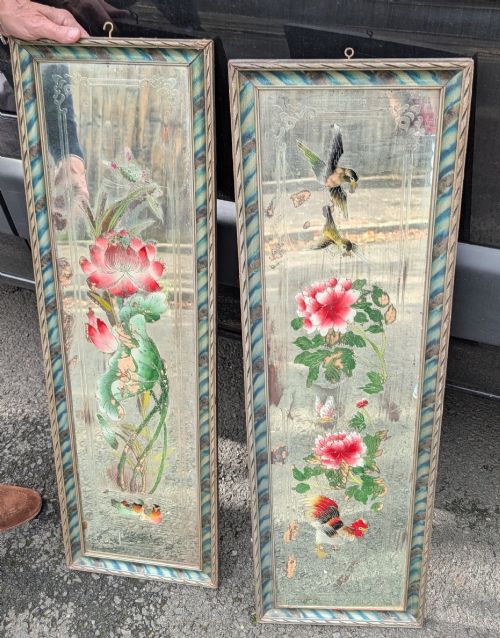
Maker construction relies on traditional cabinetmaking timber carcasses, including satinwood, walnut and ebonised wood, prepared for decorative application. Surface ornamentation involves hand-applied paint, gold leaf, enamel and lacquer, often sealed over wooden frames or metal components like ormolu and sterling silver. Reverse painting techniques and etching directly onto mirror glass appear alongside applied silk panels and painted foliate designs.
The integration of glass and painted detail requires precise alignment between the woodworker, gilder and painter. Frames incorporate carved or moulded elements finished with gilt or paint, while smaller items utilise fired enamel over metal bases. Distressed mirror plates and aged wood surfaces reflect the authentic materials utilised across the nineteenth and twentieth-century workshops.
Listings feature wall mirrors, compacts, cheval mirrors and dressing tables across materials including lacquered wood, gilt, enamel and mirror glass.
What varies in quality
Quality in a hand painted antique mirror rests upon the execution and preservation of the brushwork and the integrity of the original frame materials. Superior examples display refined, confident hand-painted details, such as intricate Chinoiserie scenes or delicate floral arrangements, which remain crisp against the aged background. The harmony between the decorative painted panel and the surrounding wood, gilt or metal mount determines the overall distinction of the piece.
The condition of the reflective plate and the stability of the substrate separate standard items from finer works. Original mirror glass with natural foxing adds character, provided the surrounding lacquer, paint or gold leaf retains its original adhesion and depth. Pieces featuring signed artisan work or specialised materials like sterling silver and enamel represent the upper tier of the range.
Giuliano Spinelli Florence·Joseph Meissonnier
The Hand Painted Mirror Glossary
- Chinoiserie
- European decorative style inspired by Chinese artistic traditions, featuring lacquered surfaces and painted motifs of figures, landscapes and pagodas. This style appears frequently on eighteenth and early twentieth-century mirrors and furniture.
- Cheval mirror
- A full-length looking glass suspended within a frame that allows it to tilt. These freestanding pieces often incorporate heavy painted or lacquered wooden supports.
- Pier glass
- A tall, narrow mirror traditionally hung on the pier, the section of wall between two windows. These pieces frequently feature decorative painted frames and Italian Rococo styling.
- Gilt
- A thin layer of gold leaf or gold paint applied to wood, plaster or metal surfaces. It provides a bright metallic contrast to painted floral panels.
- Reverse painting
- A technique where the artist paints directly onto the back of the glass, viewed from the front to create a glossy, protected finish. Victorian pieces often utilise this method alongside etching.
- Ormolu
- Gilded bronze or brass mounts used to decorate frames and luxury accessories. This material frequently appears on nineteenth-century French vanity items and hand mirrors.
Hand Painted Mirror: Frequently Asked Questions
How do I date a painted mirror?
Dating relies on stylistic markers, construction methods and the materials used in the frame. Victorian and Edwardian pieces often exhibit distinct Aesthetic Movement or Chinoiserie influences, while earlier Georgian examples use specific cabinetmaking timbers.
Examining the backboards, fixings and the ageing of the mirror glass provides further clues. Original hand-brushed pigments and traditional joinery separate nineteenth-century production from later reproductions.
Where were Chinoiserie mirrors placed?
Chinoiserie mirrors served as prominent focal points in principal reception rooms and dressing chambers. Their bold lacquer work and decorative motifs complemented fashionable interior schemes of the eighteenth and early twentieth centuries.
Overmantels and large wall-hung formats anchored room layouts, reflecting light while introducing narrative scenes into the domestic interior.
Are painted compacts fragile?
Compacts featuring enamel and hand-painted surfaces require careful handling due to the delicate nature of the miniature artwork. The combination of metal bases, sterling silver and fired enamel demands gentle maintenance to protect the decorative panels from impact.
Displaying them securely or storing them in soft linings preserves the painted details and keeps the metalwork intact for collectors.
What is a pier glass?
A pier glass is a tall, vertical mirror designed to hang on the narrow wall space between windows. These mirrors maximise natural light in period rooms and often feature elaborate painted or gilded frames.
Italian and French examples from the nineteenth century show decorative crests and hand-painted glass panels tailored for these specific architectural spaces.
How do I care for antique glass?
Preserving antique mirror glass involves dusting with a soft, dry cloth and avoiding harsh chemical cleaners. Many older plates feature silvering degradation or foxing that contributes to the authentic appearance of the piece.
Keeping the frame stable and monitoring humidity prevents the painted surfaces and wooden substrates from lifting or cracking over time.