




Hand Knotted Kazak Carpet
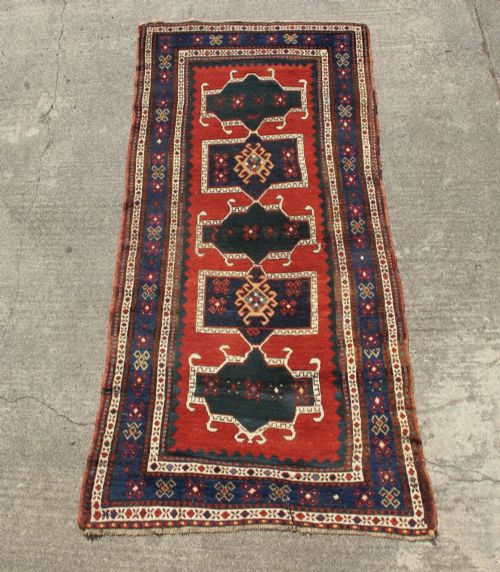
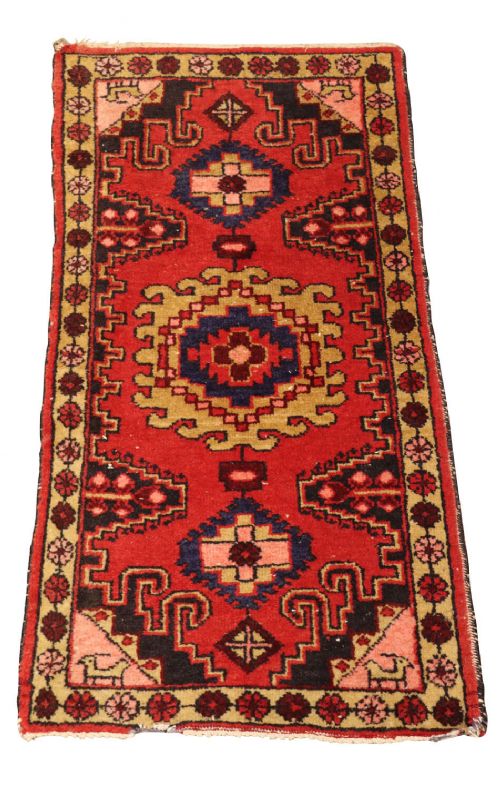
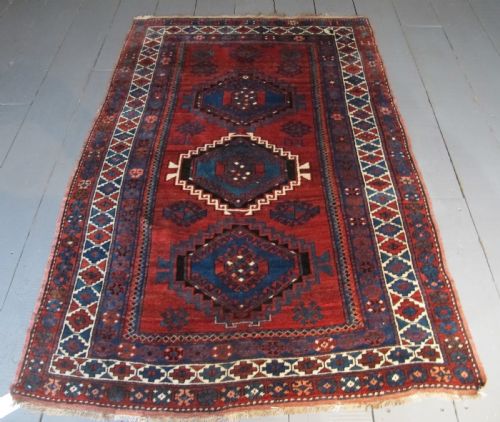
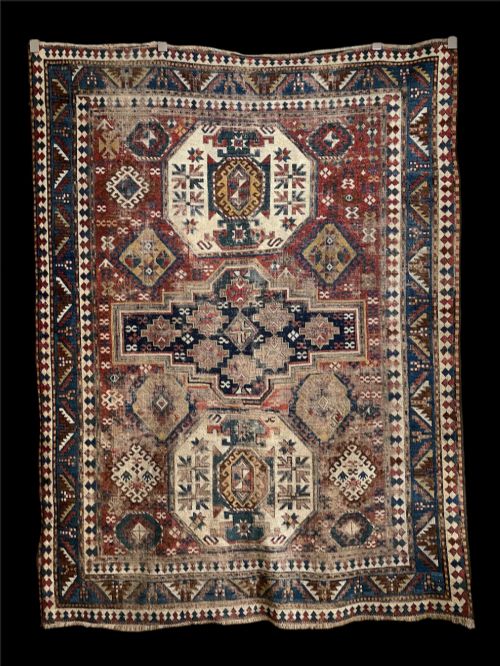
These hand knotted kazak carpet pieces are traditional Caucasian tribal rugs woven with geometric medallions and saturated natural dyes.
Hand Knotted Kazak Carpet
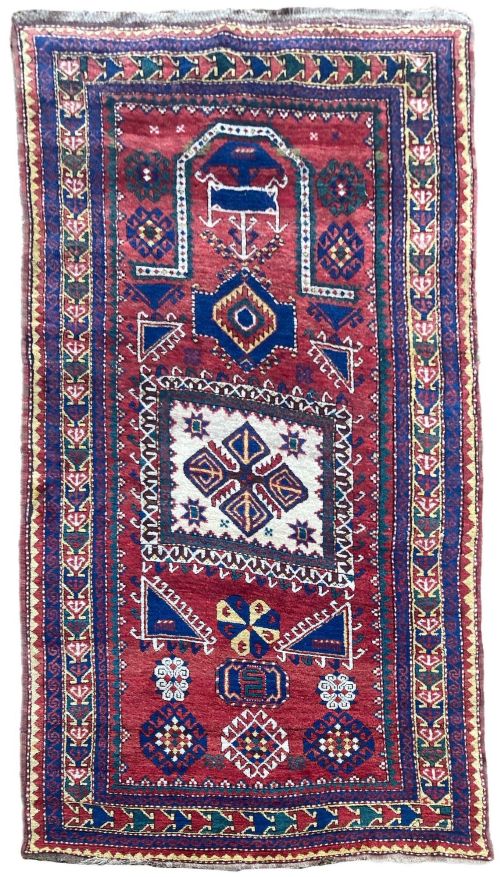
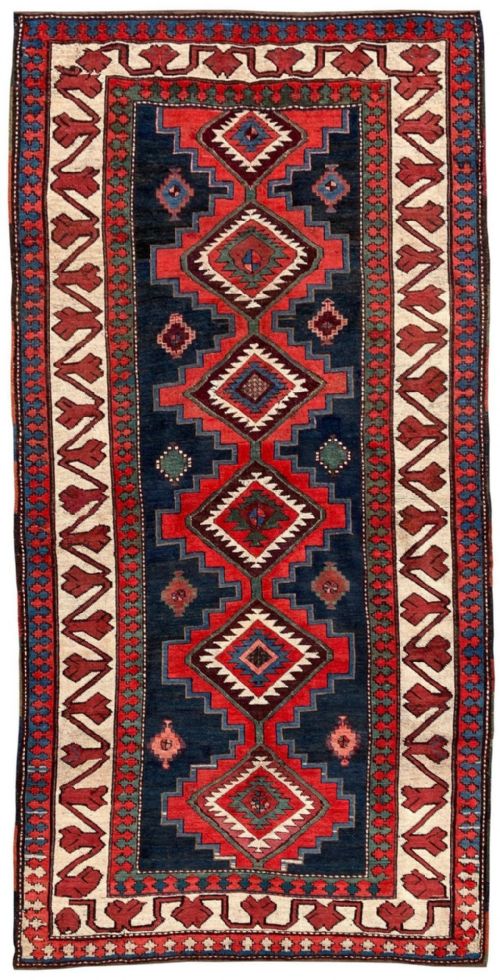
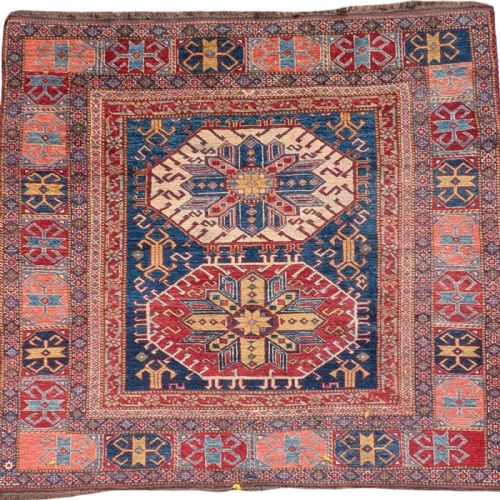
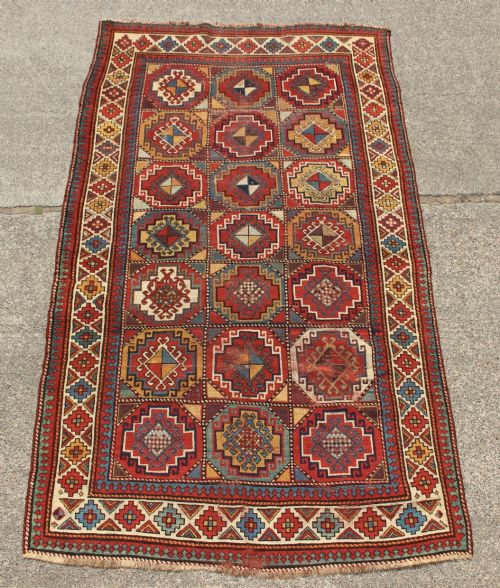
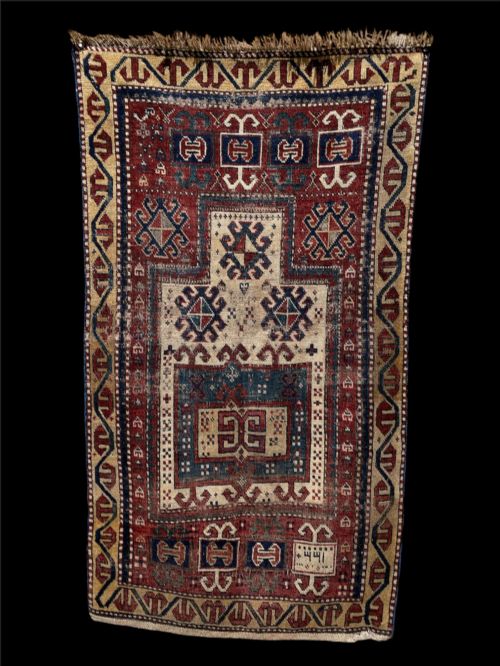
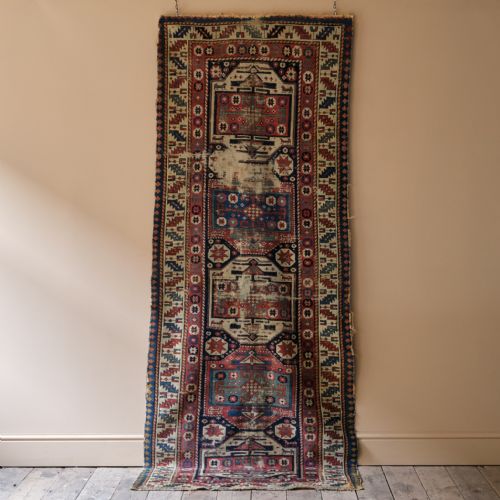
A hand knotted kazak carpet represents the rich weaving heritage of the Caucasus, predominantly produced during the nineteenth and early twentieth centuries by tribal makers. Buyers encounter distinct regional sub-types such as Fachralo, Bordjalou, Moghan, and Karachov pieces, which display bold geometric medallions, animal motifs, and prayer designs. These floor coverings function primarily as striking area rugs, runners, and prayer rugs utilising traditional Caucasian styles.
The pieces available originate from specific regional weaving traditions across the Caucasus, dating from the mid-nineteenth century through to the early decades of the twentieth century. Examples range from square formats and small prayer formats to longer runners with floral lattice or boteh patterns. Each piece carries the distinct geometric character associated with tribal workshops of the region.
How they were made
Weavers constructed these carpets using wool and hand-spun wool for the pile, supported by cotton foundations. The employment of natural dyes yielded deep, lasting tones that characterise the palette of the region.
The hand-knotting technique ensured dense, durable surfaces capable of withstanding heavy daily use. Artisans worked from memory or traditional patterns, incorporating motifs like hooked medallions and animal figures directly into the weave.
Listings feature wool, hand-spun wool, and cotton materials combined with natural dyes across nineteenth and early twentieth-century dates.
What varies in quality
Quality in these carpets rests upon the tightness of the knotting and the crispness of the geometric design work. Finer examples display precise execution of complex medallions and balanced borders.
The vibrancy and depth of the natural dyes significantly influence the visual appeal of each piece. Superior items retain rich, harmonious colour combinations across the wool pile without muddy transitions.
The Hand Knotted Kazak Carpet Glossary
- Kazak
- A traditional designation for rugs woven in the Caucasus region. These pieces are celebrated for their bold geometric designs and saturated colour palettes.
- Prayer rug
- A specialised rug format featuring a mihrab or niche design used historically for daily prayers. They often display compact dimensions suited to individual use.
- Boteh
- A stylised almond or paisley motif frequently repeated in rows across Caucasian runners and long rugs. This ancient decorative element appears widely in regional textile arts.
- Medallion
- A central decorative motif set into the field of a rug, often rendered in hooked or geometric polygon shapes. Multiple medallions frequently align along the vertical axis of the carpet.
- Natural dyes
- Colourants derived from plants, insects, and minerals rather than synthetic compounds. They produce organic hues that age gracefully over decades of light exposure.
Hand Knotted Kazak Carpet: Frequently Asked Questions
Where were these carpets originally made?
These rugs were woven in the Caucasus region by various tribal groups and village workshops during the nineteenth and early twentieth centuries.
The distinct designs reflect the specific heritage of districts such as Fachralo, Borchalu, and Gendje.
How do I care for an antique rug?
Protect the wool pile by vacuuming gently without using a beater bar, and keep the carpet out of direct, continuous sunlight.
Professional cleaning should be undertaken periodically by specialists familiar with antique textiles and natural dyes.
Are these carpets suitable for heavy foot traffic?
The dense hand-spun wool construction and sturdy knotting make these rugs durable enough for normal living areas.
Using a quality underlay will help cushion the foundation and prevent slipping on hard floors.
What defines a prayer rug format?
Prayer formats are typically smaller in size and feature a distinct arch or niche design at one end representing a doorway.
Historically, the weaver pointed this niche toward Mecca during daily devotional practices.