




Authentic Caucasian Wool Rug
An authentic caucasian wool rug brings geometric tribal design and rich hand-spun wool into a room.
Authentic Caucasian Wool Rug
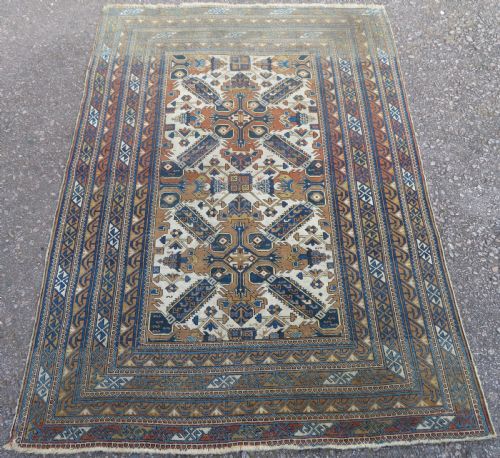
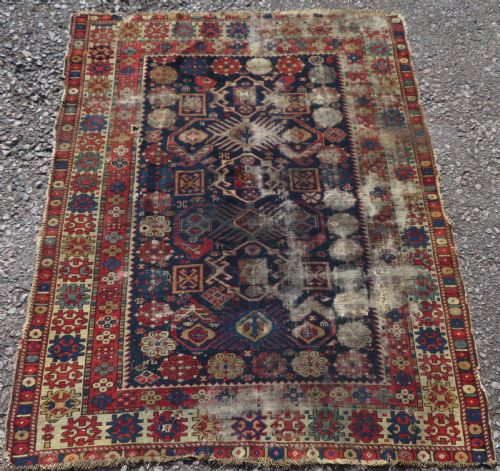
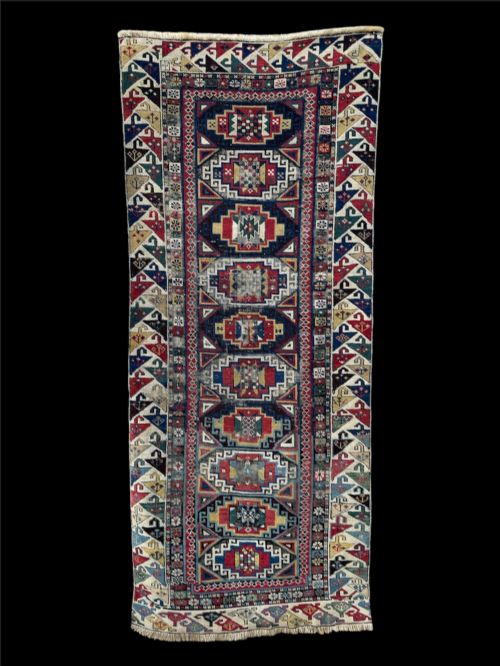
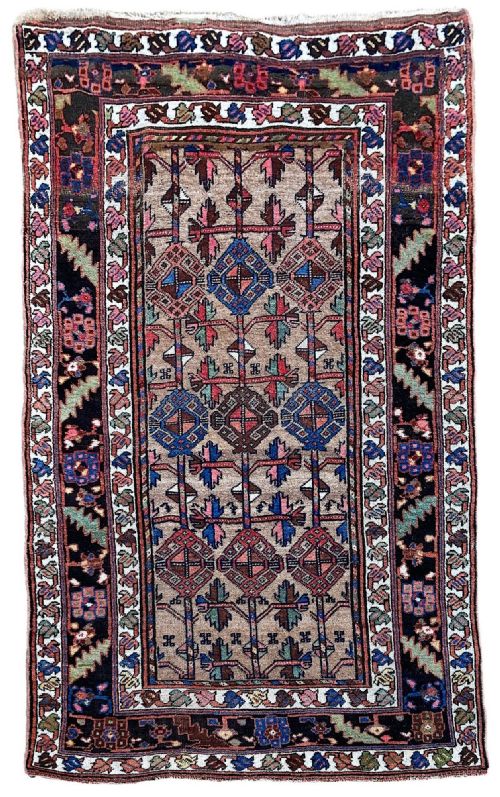
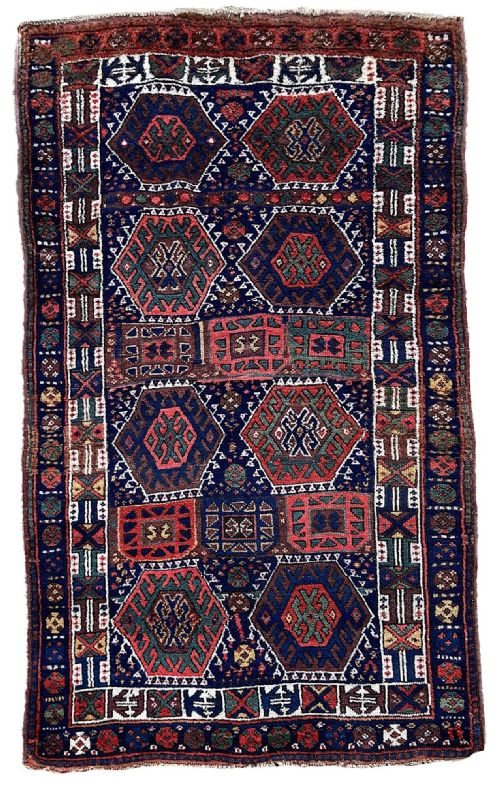
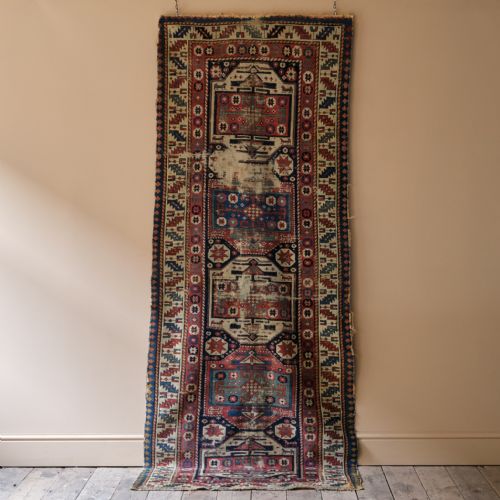
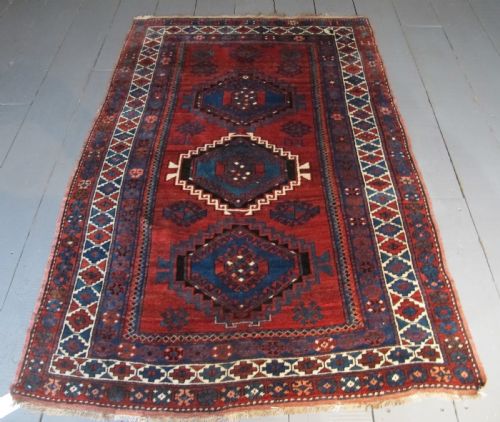
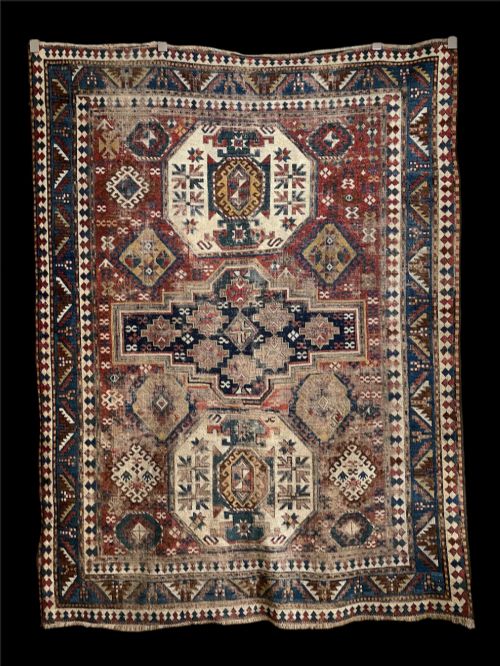
An authentic caucasian wool rug encompasses hand-knotted tribal floor coverings originating from the Caucasus region and surrounding areas. Buyers searching for an authentic caucasian wool rug will find nineteenth-century and early twentieth-century examples including Kazak, Shirvan, Karabagh, and Daghestan types. These pieces typically display bold geometric motifs, medallions, and tribal patterns woven in long runners and area rugs.
The selection ranges from compact prayer rugs to room-sized runners produced across various regional workshops and nomadic camps. Many pieces arrive from the nineteenth century, alongside examples dated into the early decades of the twentieth century. Forms include traditional area rugs, long runners, and large carpets showing Kurdish, Persian tribal, and Caucasian tribal influences.
How they were made
Weavers constructed these rugs using wool for the pile and foundation, often incorporating hand-spun wool and cotton yarns. Natural dyes provided the characteristic rich palette seen across regional types from the Caucasus and North West Persia. Skilled hands knotted each piece individually, resulting in durable floor coverings designed for practical daily use.
The construction methods reflect traditional nomadic and village weaving practices handed down through generations. Artisans utilised sturdy wool foundations to support dense hand-knotted piles that withstand heavy foot traffic over centuries. Natural dye materials yielded deep hues that age gracefully with time.
Several runners embrace charmingly crooked geometry, proving that nomadic weavers did not let a straight line ruin a good story.
What varies in quality
Quality in these woven textiles depends upon the fineness of the knotting, the purity of the wool, and the stability of the natural dyes. Superior examples exhibit tightly packed knots that secure crisp geometric lines and complex medallion layouts. The condition of the wool pile and the structural integrity of the edges dictate the overall preservation state.
Artistic expression and regional design clarity also set exceptional pieces apart from standard village work. Variations in wool preparation, such as the use of hand-spun wool, influence the texture and sheen of the surface. Authentic tribal character shows in the deliberate irregularity of naive motifs and individual weaver choices.
The Authentic Caucasian Wool Rug Glossary
- Kazak
- A type of antique rug originating from the southern Caucasus region, known for bold geometric patterns and vibrant primary colours. These pieces often feature large medallions and stylized animal or plant motifs.
- Shirvan
- A woven textile hailing from the eastern Caucasus, characterised by intricate designs and refined geometric precision. They frequently display star motifs and narrow borders.
- Karabagh
- A rug style produced in the mountainous Karabagh region, notable for combining Caucasian and Persian design influences. They often incorporate floral elements alongside traditional geometric structures.
- Prayer rug
- A small textile featuring a central mihrab or arch design, traditionally used for daily Islamic prayer. These formats display distinct directional layouts.
- Daghestan
- A northern Caucasian rug type recognised for finely executed geometric patterns and muted palettes. Weavers in this area utilised dense knotting techniques.
Authentic Caucasian Wool Rug: Frequently Asked Questions
How do I identify a Kazak rug?
Kazak rugs feature bold geometric medallions, primary colours, and strong rectilinear designs. These pieces often display octagons, hooked polygons, and stylized animal or human figures across the field.
The wool has a heavy, lustrous quality, and the overall composition remains remarkably graphic. Regional weaving traditions in the southern Caucasus dictated these specific structural and visual traits.
Where were these rugs made?
These textiles originated across the Caucasus region, including areas now spanning modern Armenia, Azerbaijan, and Georgia. Nomadic tribes and village workshops produced them using local materials and traditional designs.
Some pieces also emerge from nearby North West Persia and Kurdish regions. Each locality contributed distinct colour palettes and knotting variations to the finished floor coverings.
How should I clean an antique rug?
Professional specialist cleaning is essential for antique wool textiles to protect fragile natural fibres and dyes. Regular gentle vacuuming without a rotating beater bar helps remove embedded dust and grit.
Avoid harsh chemical treatments, steam cleaning, and excessive water immersion. Consulting a conservator ensures the structural integrity remains preserved during maintenance.
What is a runner rug used for?
Runner rugs provide narrow, elongated floor coverings suited for hallways, corridors, and staircases. Their linear format guides movement through interior spaces while adding warmth and colour.
Historically, nomadic weavers produced these long formats for specific architectural spaces within traditional homes. Today, they serve the same functional purpose in narrow domestic areas.