



Hand Coloured Map Print
A hand coloured map print brings centuries of cartography into a room, offering detailed engraved plates brought to life with careful watercolour washes.
Hand Coloured Map Print
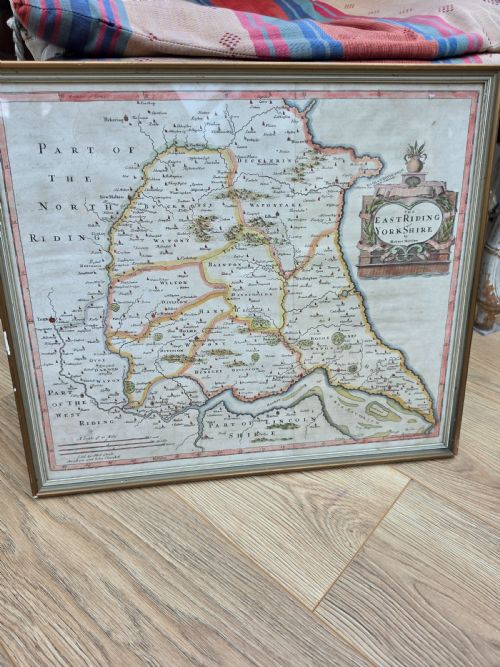
A hand coloured map print represents historical cartography, capturing regions from English counties to continents across the seventeenth, eighteenth, and nineteenth centuries. These works stem from atlas engravings and wall charts produced by prominent cartographers.
Buyers encounter framed pieces depicting local shires, European territories, and overseas regions, often presented behind glass in wood or gilt frames. The selection includes works by notable mapmakers from the 1600s onward, alongside later Georgian and Victorian revisions.
The material form typically involves ink printed from copper or steel plates onto laid or wove paper, subsequently finished with pigment by hand. Such items function as wall art that records geographical knowledge of past eras.
How they were made
Framing materials incorporate wood and glass to protect the delicate paper from atmospheric moisture and handling. Older examples utilise handmade paper stocks often watermarked with the papermaker's symbol.
Listings span multiple centuries from the 17th century through to the Victorian era, utilising paper, ink, watercolour, and gilt wood.
What varies in quality
The clarity of the original engraving and the precision of the ink impression determine the sharpness of geographical lettering and fine line work. Early strikes from copper plates yield crisper details than later impressions pulled after the plate wore down.
The artistry and subtlety of the hand applied watercolour washes dictate the visual depth of the sheet. Contemporary or later additions of pigment differ from period colour applied shortly after publication.
John Speed·Joan Blaeu·Robert Morden·Emanuel Bowen·John Cary
The Hand Coloured Map Print Glossary
- Cartography
- The science or practice of drawing maps. This discipline forms the basis of all historical map prints.
- Cartouche
- A decorative frame enclosing the title, scale, or dedication on a map. These artistic elements often feature heraldry or allegorical figures.
- Platemark
- The indentation left in the paper by the edge of the copper plate during printing. This impression confirms the use of traditional intaglio printing techniques.
- Atlas
- A bound collection of maps. Many individual sheets originate from historical atlases published across Europe.
Hand Coloured Map Print: Frequently Asked Questions
How do I date an old map?
Dating relies on internal evidence such as cartographic changes, spelling variations of place names, and printed publication dates within the margin or text. Reference catalogues compile known states and editions published by historical cartographers.
Printers often updated plates to reflect new roads, settlements, or ownership, allowing close dating when compared against known historical timelines.
Are these maps original period prints?
The listings comprise genuine antique map engravings from the periods stated, printed from historical copper or steel plates rather than modern photographic reproductions. Each sheet carries the paper characteristics and plate impressions consistent with its era of origin.
Examining the paper under magnification reveals the inked lines raised slightly above the surface, confirming traditional intaglio printing methods.
How should I hang and light them?
Framed maps require positioning away from direct sunlight to prevent the watercolour pigments and paper from fading over time. Standard conservation glass helps filter ultraviolet light during display.
Stable indoor humidity levels protect the paper substrate from warping or developing foxing spots within the sealed frame.
What is the difference between original and later colour?
Period colour was applied by studio artists around the time of publication, using mineral and vegetable pigments that soaked into the paper fibres naturally. Later colour represents pigment added to uncoloured historical sheets in more recent centuries.
Expert examination of the palette and the interaction between ink and watercolour helps distinguish contemporary workshop colouring from later enhancements.