





Georgian Hand Coloured Print
A georgian hand coloured print brings centuries of delicate pigment and engraved line directly to the wall.
Georgian Hand Coloured Print
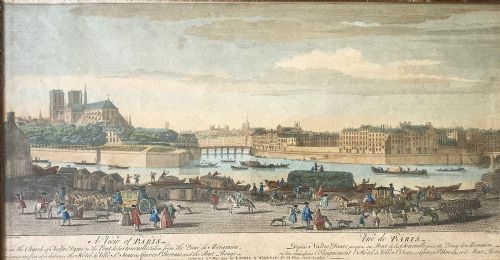
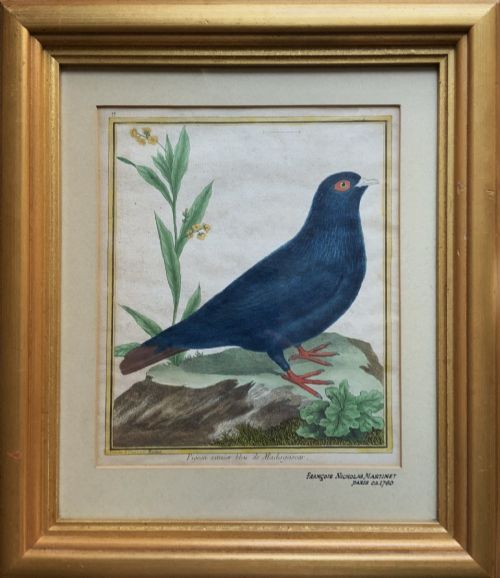
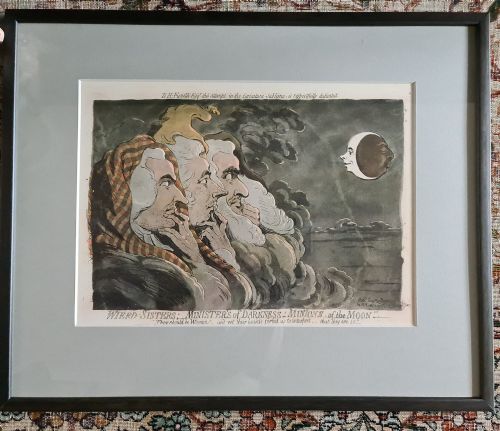
A georgian hand coloured print encompasses framed works on paper originating predominantly from the eighteenth and nineteenth centuries, including natural history studies, cartography, and portraiture. These pieces combine engraved copper plates or woodblocks with direct application of watercolour or ink by hand, creating vibrant surfaces.
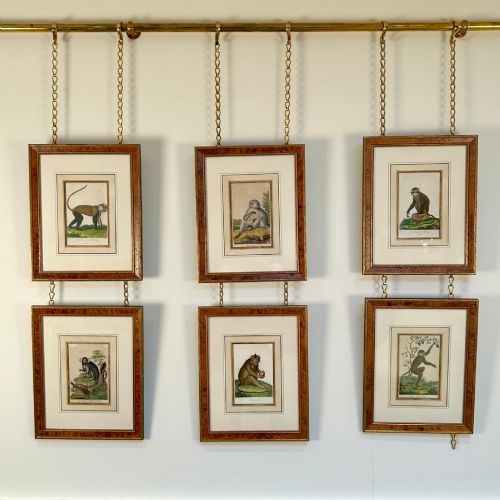
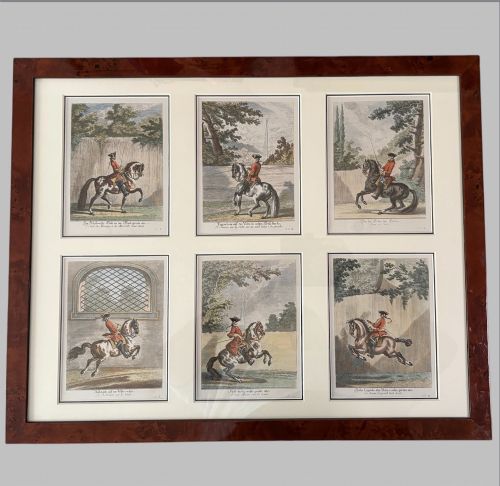
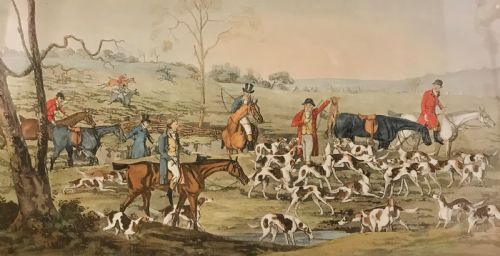
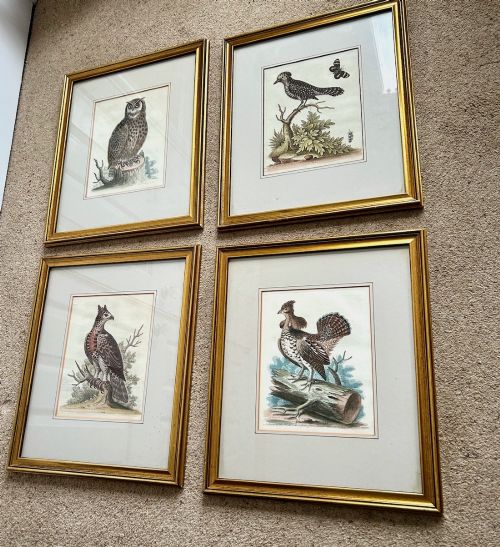
The selections available here range from detailed ornithological plates and county maps to sporting scenes and classical portraits. Many arrive preserved behind glass within wooden frames, frequently incorporating gilt or burr wood mouldings suited to period interiors.
What Varies in Quality
The distinction between tiers rests upon the precision of the initial strike and the delicacy of the subsequent brushwork. Early impressions pulled from fresh metal plates exhibit crisp, deep lines, whereas worn plates yield softer, blurred details.
Pigment application also separates standard examples from superior ones; skilled colourists utilised subtle washes and varied tones that complemented the engraved contours without obscuring them. The preservation of the paper support, minimal fading, and the authenticity of the period frame further define the standing of a given work.
Current listings feature paper supports, wood frames, and gold leaf alongside watercolour and ink media spanning the eighteenth and nineteenth centuries.
François-Nicolas Martinet·George Edwards·Robert Morden·Emanuel Bowen·William Swainson
The Georgian Hand Coloured Print Glossary
- Engraving
- A printmaking technique where an artist cuts lines directly into a metal plate with a sharp tool called a burin. The resulting incisions hold ink for the printing press.
- Aquatint
- A variant of etching that produces tonal areas resembling watercolour washes through the use of acid-resistant resin melted onto the plate. It was frequently employed for landscape prints.
- Hogarth moulding
- A distinctive narrow wooden picture frame profile, often stepped and finished with dark lacquer or gilding, popular during the eighteenth and nineteenth centuries.
- Mezzotint
- A tonal printmaking method where the copper plate is roughened uniformly to produce rich dark areas, and scraped down to create highlights. It yields velvety dark tones well suited to portraiture.
- Hand colouring
- The manual application of watercolour, ink, or other pigments to a finished monochrome print using fine brushes. This technique enhanced visual appeal and was common in botanical and cartographic publishing.
Georgian Hand Coloured Print: Frequently Asked Questions
How should I care for antique prints?
Keep works on paper away from direct sunlight and high humidity to prevent the fading of delicate watercolours and the yellowing of the paper support.
Ensure that framing utilises acid-free backing materials and UV-protective glass where possible to maintain the longevity of the piece.
Were all these prints coloured originally?
Publishers offered many eighteenth and nineteenth-century engravings in both uncoloured monochrome and hand-tinted versions, depending on the buyer's preference and budget.
Colouring was frequently executed in workshops by apprentices using standardised palettes tailored to natural history or cartographic series.
How do I distinguish an engraving from a lithograph?
Engravings display a distinct plate mark where the metal edge pressed into the damp paper during the printing process, creating a recessed border around the image.
Lithographs, which emerged later in the period, rely on chemical transference from a flat stone surface and lack this characteristic physical indentation.