
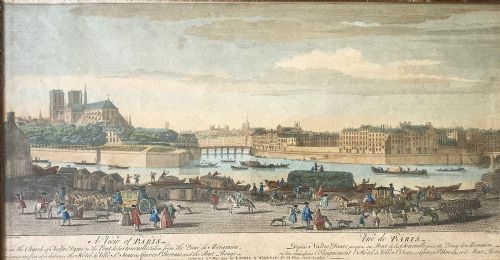
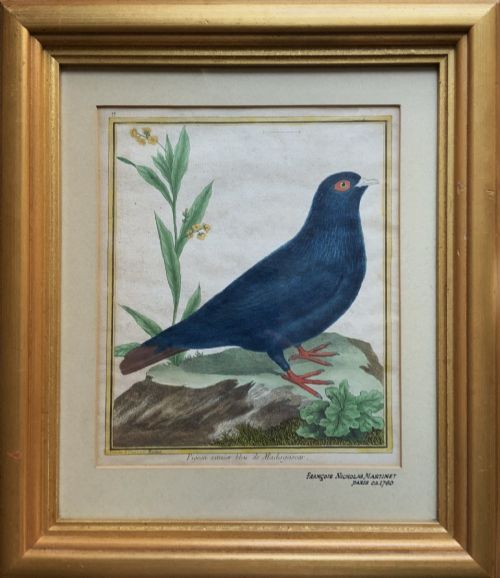
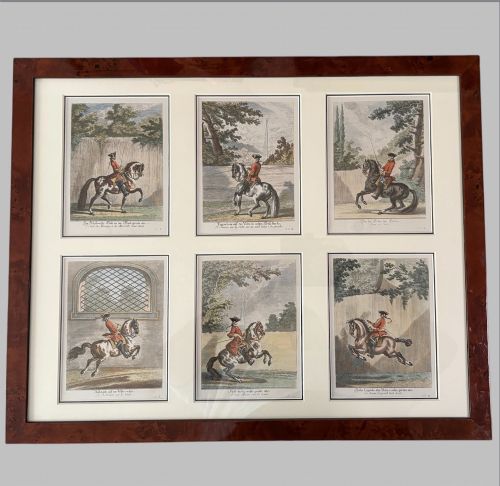
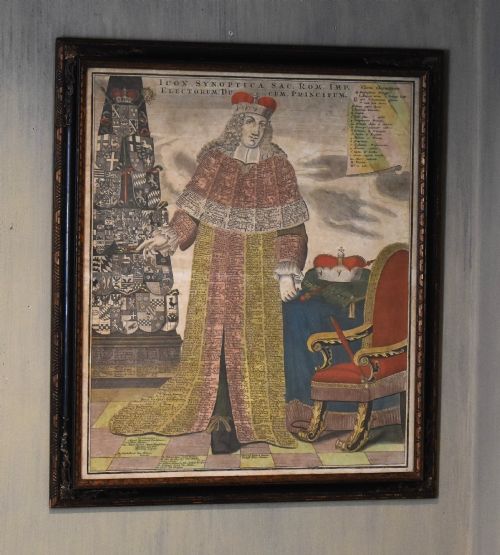


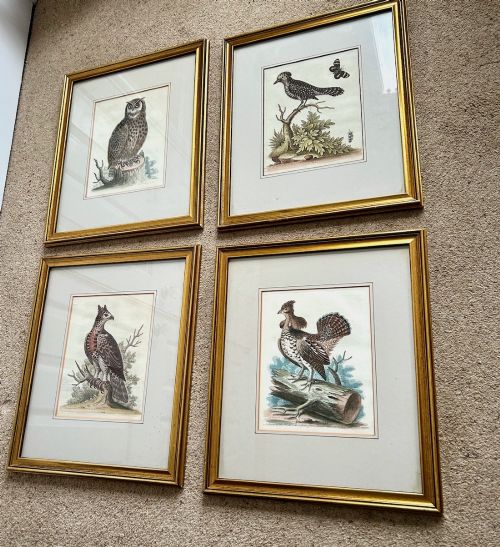


Hand Coloured Copperplate Print
These hand coloured copperplate print pieces bring together intricate engraved lines and delicate washes of pigment across centuries of cartography and natural history.
Hand Coloured Copperplate Print
When you search for a hand coloured copperplate print, you encounter framed works spanning the seventeenth through the nineteenth centuries. These pieces encompass detailed county maps, botanical studies, and ornithological plates.
The most common examples on this page are eighteenth-century atlas maps and natural history subjects, frequently presented behind glass in wooden frames.
Originating from British, Dutch, and French workshops, these works reflect the rigorous illustrative traditions of the Georgian and Renaissance periods.
Materials and execution
The foundation of each piece is an impression pulled from an engraved copper plate onto traditional laid or woven paper, using dark printing ink.
Makers applied watercolour by hand directly onto the paper surfaces, often supplementing the palette with subtle gold leaf highlights.
Finished works are typically housed in period wood frames, sometimes utilising burr wood veneer and gilt wood mouldings for display.
The listings span from pre-sixteenth century works through the nineteenth century, utilising paper, ink, watercolour, and gilt wood.
Assessing the work
Quality rests primarily on the crispness of the original copperplate impression and the precision of the hand-applied pigment washes. Strong, even plate marks indicate a superior strike from the metal.
The vibrancy and retention of the original watercolour hues, free from heavy fading or chemical alteration, distinguish finer examples from more muted or compromised sheets.
François-Nicolas Martinet·Robert Sayer·Braun and Hogenberg·George Edwards·Joan Blaeu·Johannes Janssonius·Robert Morden·Thomas Kitchin·Georg Wolfgang Knorr·Eman Bowen·Christopher Saxton·C. Smith
The Hand Coloured Copperplate Print Glossary
- Copperplate
- An intaglio printing matrix made from a sheet of copper into which an image is incised with burins or etched with acid. This metal plate receives the ink before being pressed into damp paper.
- Mezzotint
- A printmaking process where the copper plate is roughened uniformly to produce rich dark tones and subtle gradations of light. This technique allows for deep shadows and smooth tonal transitions.
- Cartography
- The study and practice of making geographical maps, often illustrated here with elaborate cartouches and decorative borders. These engraved maps document historical boundaries and regional topography.
- Plate mark
- The indentation left in the paper by the outer edges of the copper plate under high press pressure. This impression confirms the authenticity of an original hand-pulled engraving.
Hand Coloured Copperplate Print: Frequently Asked Questions
How should I hang these framed prints?
Keep these framed works out of direct sunlight to prevent the delicate watercolour pigments and paper supports from fading over time.
Ensure they are displayed on interior walls with stable humidity levels to protect the antique wood frames and paper integrity.
Are these maps and prints original antiques?
The pieces gathered here date from the seventeenth, eighteenth, and nineteenth centuries, originating from contemporary atlases and plate books.
Each item reflects the authentic printing and colouring techniques of its specific period of production.
What is the best way to clean the glass?
Clean the glazed surface gently using a soft cloth and a minimal amount of glass cleaner applied to the cloth rather than the frame.
Take care to avoid letting any moisture seep beneath the wooden rebate where it could damage the antique paper.
How can I tell a genuine engraving from a modern reproduction?
Look closely for the physical indentation of the plate mark around the printed image, which is absent in standard modern photographic reproductions.
Examine the surface under magnification to confirm the presence of actual ink in recessed lines and hand-applied watercolour washes.