
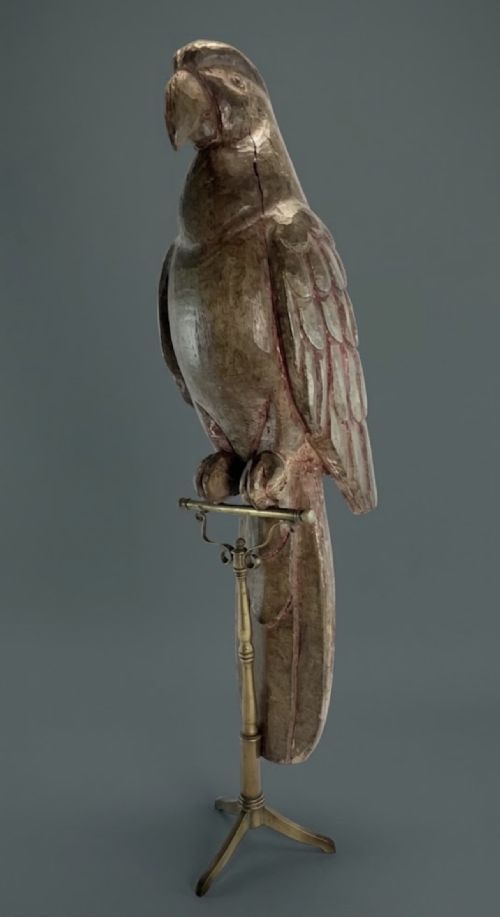
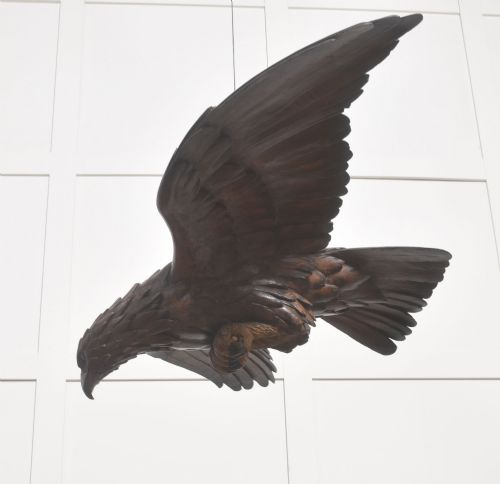
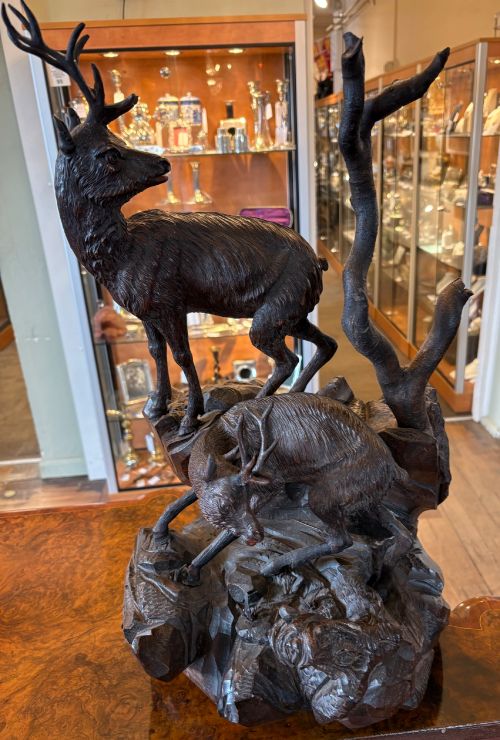
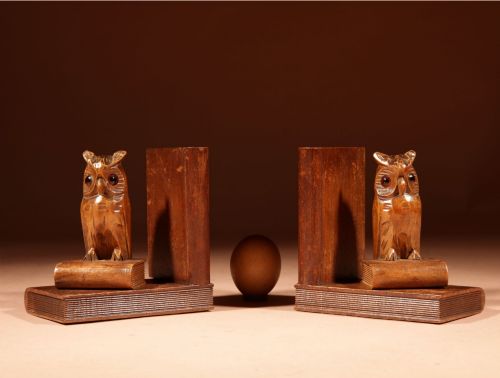
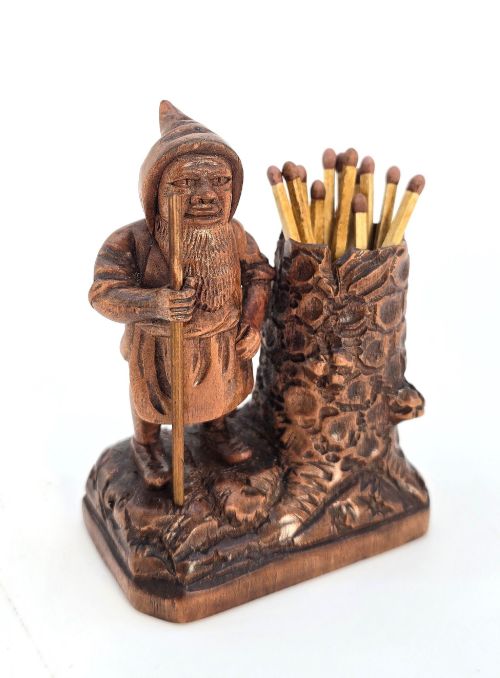


Hand Carved Wooden Statue
A hand carved wooden statue brings the raw grain and the maker's hand directly into a room, offering centuries of human form and animal study.
Hand Carved Wooden Statue
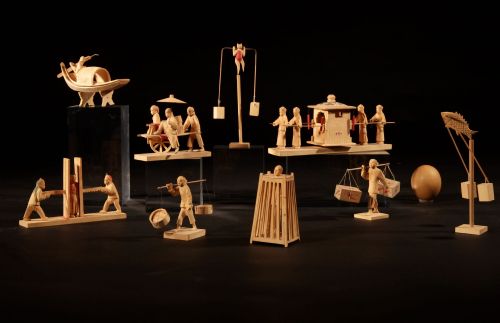
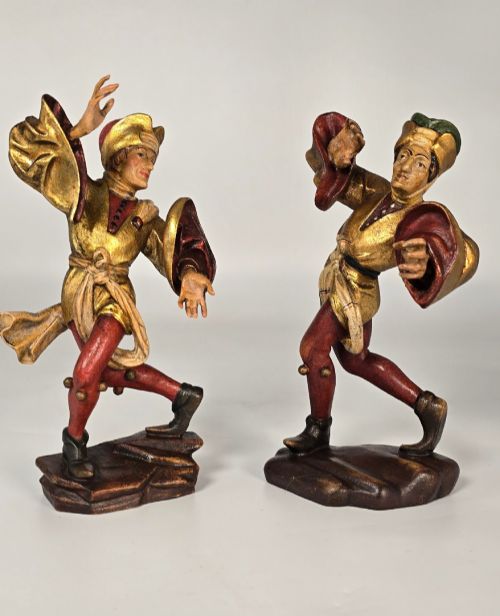
When you search for a hand carved wooden statue, you encounter figures ranging from European religious saints and Black Forest animals to Asian deities and folk art carvings. The majority of pieces belong to the nineteenth and early twentieth centuries, spanning diverse regional traditions from Swiss workshops to Chinese studios.
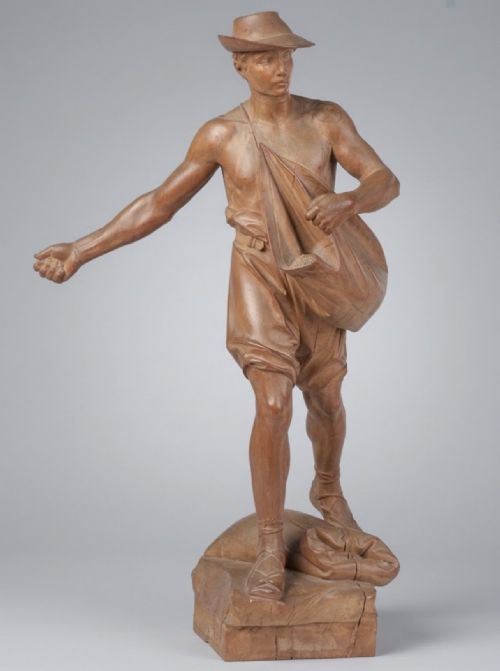
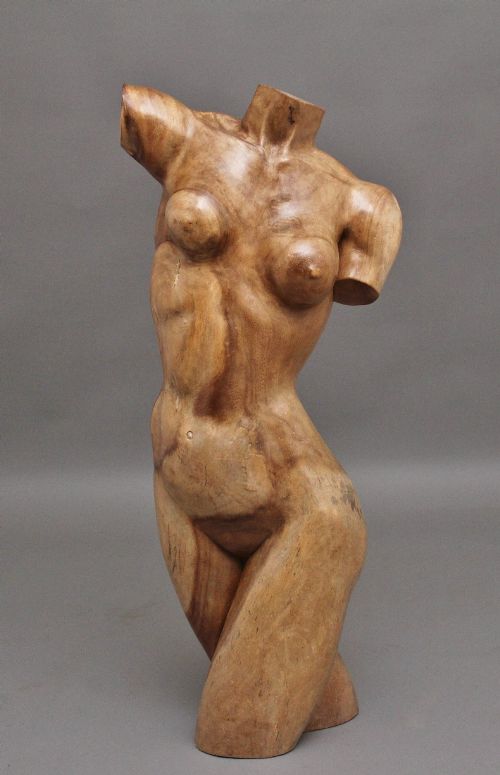
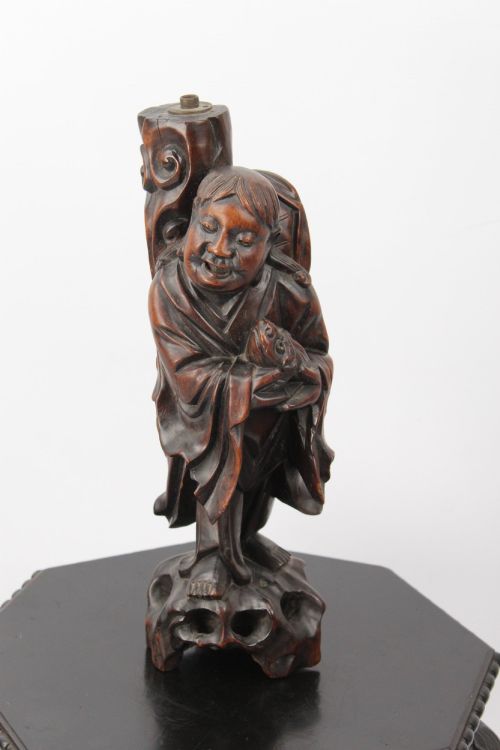
Forms vary from life size torsos and architectural saints to tabletop bookends, match holders, and animal studies. You will find domestic subjects like fishermen and farm workers alongside mythological figures, deities, and tribal fertility objects.
The selection reflects both European decorative movements and international folk traditions. Pieces reach from seventeenth century Limewood devotional works down to Art and Crafts productions and twentieth century Balinese hardwood sculptures.
How they were made
Carvers utilised specific regional timbers suited to fine detail, notably dense walnut, pale limewood, durable oak, and fruitwood. Linden wood and general hardwoods also appear frequently across the periods.
Many figures retain traces of original surface treatments including hand paint, lacquer, or silver inlay. Tool marks often remain visible beneath the finish, revealing the gouges and chisels of the workshop.
The listings span from the seventeenth century to the mid twentieth century, featuring limewood, walnut, oak, and painted surfaces.
What varies in quality
The distinction between ordinary and exceptional works rests on anatomical conviction and the crispness of the tool work. Master carvers capture tension in muscle and textile without overworking the timber.
Surface preservation dictates much of the character, as untouched original paint, polished grain, and natural patination elevate a piece above stripped or heavily restored examples.
The Hand Carved Wooden Statue Glossary
- Black Forest
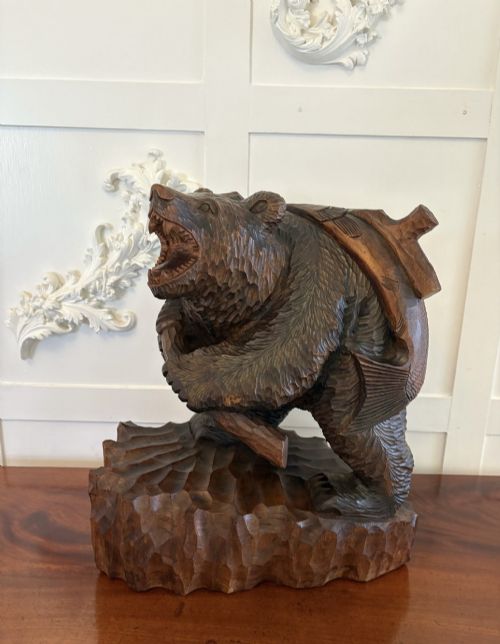
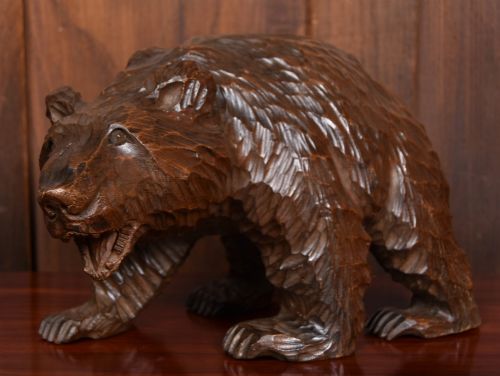
- A style of wood carving originating in the Brienz region of Switzerland, famous for realistic animal studies and particularly bears. These works date predominantly from the nineteenth and early twentieth centuries.
- Limewood
- A pale, close grained wood favored by European carvers for intricate detail and resistance to splitting. It allows delicate undercutting in figurative subjects.
- Folk Art
- Objects created by self taught or traditional artisans outside academic traditions, often displaying naive charm and direct regional character. The category encompasses painted horses and primitive figures.
- Polychrome
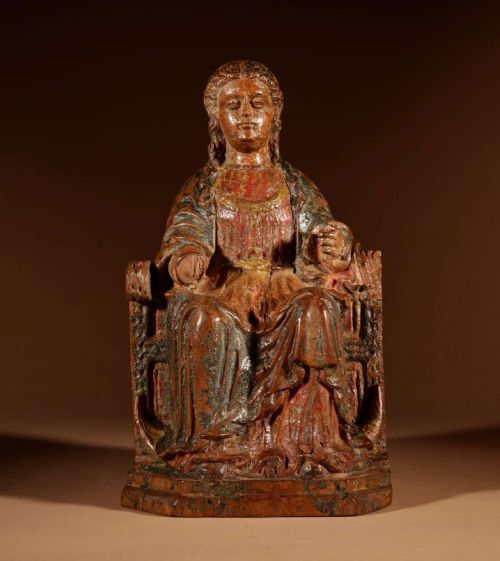
- A surface finish utilising multiple colours of paint or pigment applied to the carved wood. This technique appears on devotional figures and decorative soldiers.
- Hardwood
- Timber derived from broadleaved deciduous trees, offering weight and durability for detailed tropical and Asian sculptures. Walnut, oak, and fruitwood fall into this broad category.
Hand Carved Wooden Statue: Frequently Asked Questions
How do I clean an antique wood carving?
Dust gently with a dry, soft brush to protect the delicate edges and original surface finishes. Avoid water, damp cloths, and modern commercial polishes that can damage old paint or dry out the timber.
Keep pieces away from direct sunlight and radiators to prevent the wood from cracking or warping over time.
Where were Black Forest carvings made?
These pieces originated primarily in Switzerland and the surrounding alpine regions during the nineteenth century. Local wood carvers produced bears, deer, and functional items for tourists and export markets.
The tradition combined traditional Swiss woodworking skills with realistic animal anatomy and whimsical poses.
What is folk art wood carving?
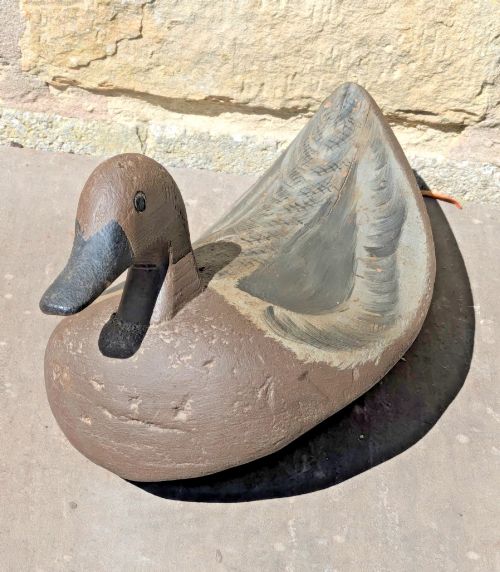
Folk art carving represents traditional or self taught craftsmanship rooted in local culture rather than academic training. These pieces include painted horses, decoy ducks, and primitive human figures.
They are valued for their direct expression, naive proportions, and honest use of regional materials.
How can I tell the age of a wooden statue?
Examine the tool marks left by the maker, as hand chisels and gouges differ significantly from modern machine milling. The type of wood, style of dress, and natural ageing of the grain also provide clues to the period.
Patina built up from handling and exposure over generations helps confirm genuine age.