


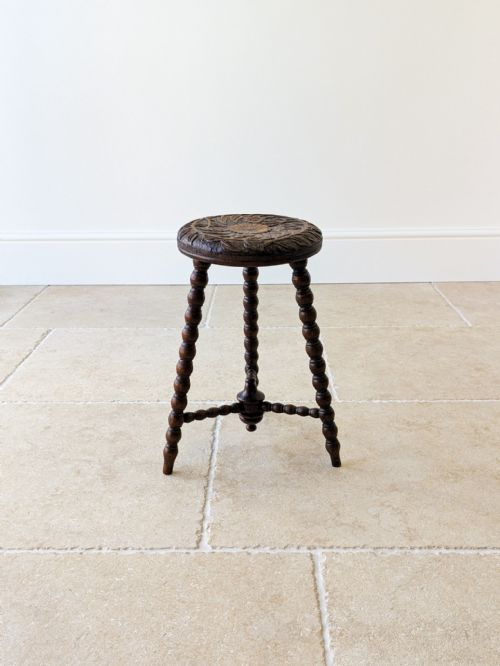

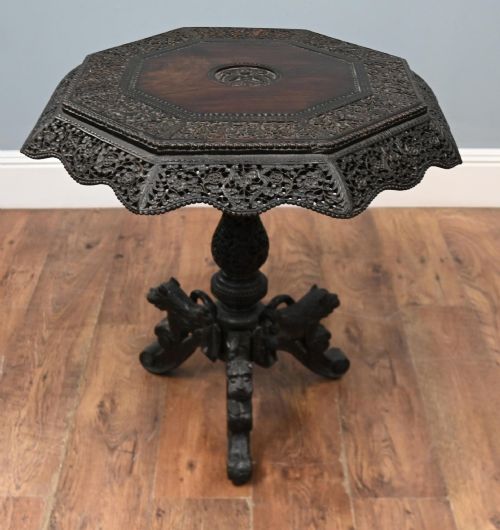
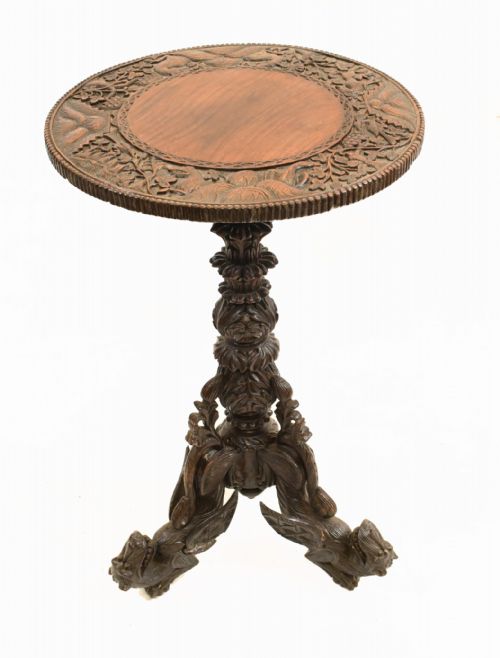
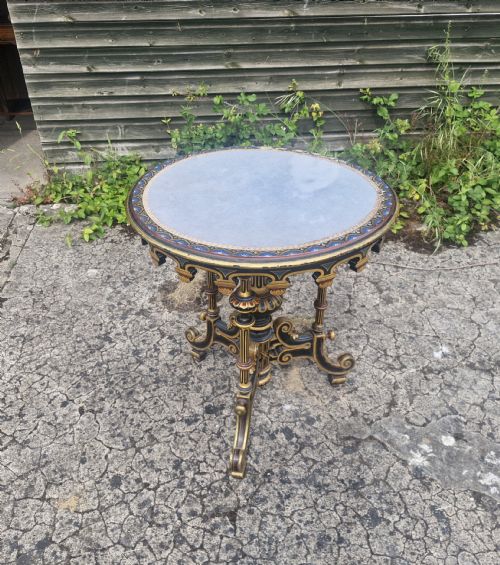


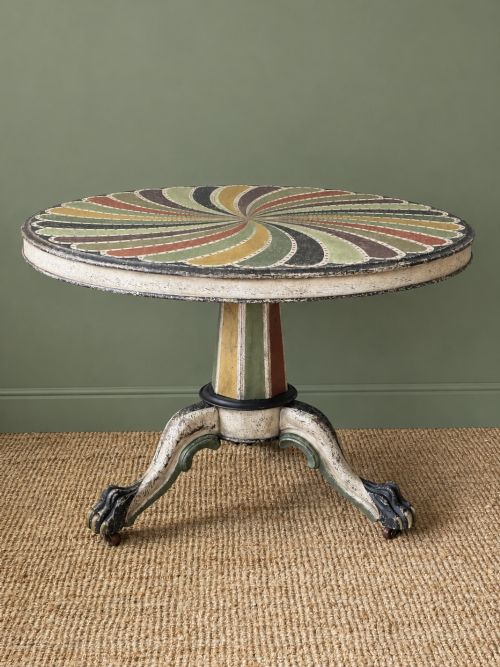


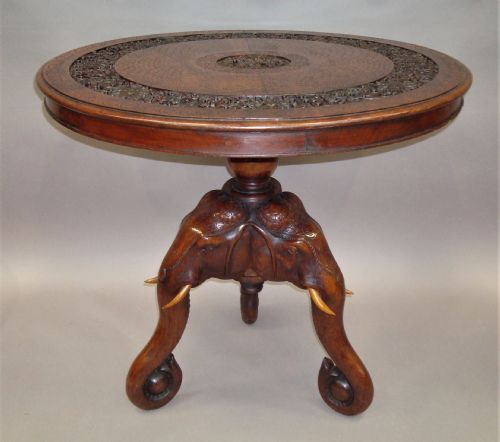

Hand Carved Tripod Table
A hand carved tripod table brings intricate regional craftsmanship and solid timbers like teak and oak into domestic spaces.
Hand Carved Tripod Table
When you search for a hand carved tripod table, you encounter a diverse group of occasional furniture spanning the nineteenth century and early twentieth century. These pieces encompass side tables, tilt-top variants, and pedestal designs originating from British colonial contexts, European workshops, and Asian trade routes.
The selections on this page highlight distinct regional styles, notably Anglo-Indian, Anglo-Burmese, and French Provincial forms. You will find items fashioned from dense hardwoods, teak, elm, and oak, often featuring elaborate surface carving or simpler turned structures.
Forms range from compact elephant tables with bone inlay to tilt-top tables and kitchen chopping blocks. The unifying feature remains the three-legged support system paired with carved or turned wooden construction.
Materials and Construction Methods
Cabinetmakers and regional artisans utilised durable timbers such as teak, padauk, hardwood, elm, and oak to build these tables. These woods provided the structural stability necessary for intricate relief carving and stable three-legged bases.
Surface ornamentation involved deep hand chiselling, bone inlay, and occasional painted decoration applied directly to the timber. Joinery methods relied on traditional pegging, turning on lathes, and fitted pedestal columns to secure the top to the tripod base.
Hand Carved Tripod Table Retail Price Guide 2026
Typical asking prices for hand carved tripod table among the pieces listed under this phrase on Sellingantiques today, from the lower quarter to the upper quarter. They describe what is for sale here now, not the wider market.
Current listings feature pieces spanning the nineteenth century, including dated examples from 1840 through to 1920.
Evaluating Quality and Execution
The depth and clarity of the hand carving dictate the visual distinction of each piece. Superior examples display crisp undercut foliage, figures, or geometric motifs executed without splintering the underlying timber.
Stability in the tripod base and the seamless movement of tilt-top mechanisms reflect superior workshop construction. The selection of dense, richly figured hardwoods also separates standard utility pieces from finer decorative furniture.
The Hand Carved Tripod Table Glossary
- Tripod base
- A support structure comprising three legs radiating from a central pillar. This design ensures stability on uneven floors.
- Tilt-top table
- A table with a hinged top that pivots to a vertical position when not in use. This mechanism saved space in nineteenth-century rooms.
- Padauk
- A heavy tropical hardwood valued for its strength and deep reddish hue. Artisans utilised it extensively in colonial furniture production.
- Bone inlay
- Small pieces of carved bone inserted into recesses within the wooden surface to form contrasting patterns. It appears frequently on Anglo-Indian pieces.
- Bobbin turned
- A style of furniture leg or stretcher shaped on a lathe to resemble a series of wooden bobbins or spools end to end.
Hand Carved Tripod Table: Frequently Asked Questions
How do I use a tripod table in a modern room?
These small tables function effectively as lamp stands, bedside tables, or accent pieces beside seating. Their compact footprints allow them to fit into tight corners without crowding a room.
Because many feature detailed carving or tilt tops, they also serve as display surfaces for objects or stand alone as sculptural furniture items.
What is an Anglo-Indian table?
An Anglo-Indian table is a piece of furniture made in India during the British colonial period, often combining traditional local carving techniques with European furniture forms.
These items frequently utilise dense timbers like teak and incorporate motifs such as elephants, foliage, or geometric patterns.
How do I care for antique wood tables?
Maintain the timber by keeping the table away from direct heat sources and strong sunlight, which can dry out or fade the finish. Dust regularly with a soft, dry cloth.
Avoid applying modern silicone polishes, as they build up residue on historic polished surfaces over time.