

Hand Carved Figurine
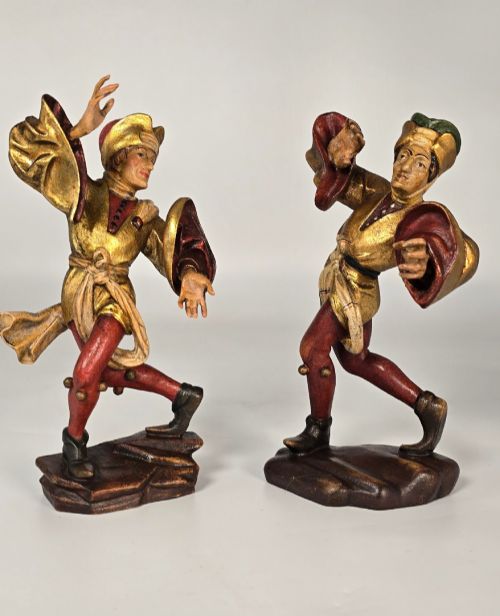
A hand carved figurine brings texture and human character to a room, drawing the eye through carved grain and painted detail.

How they were made
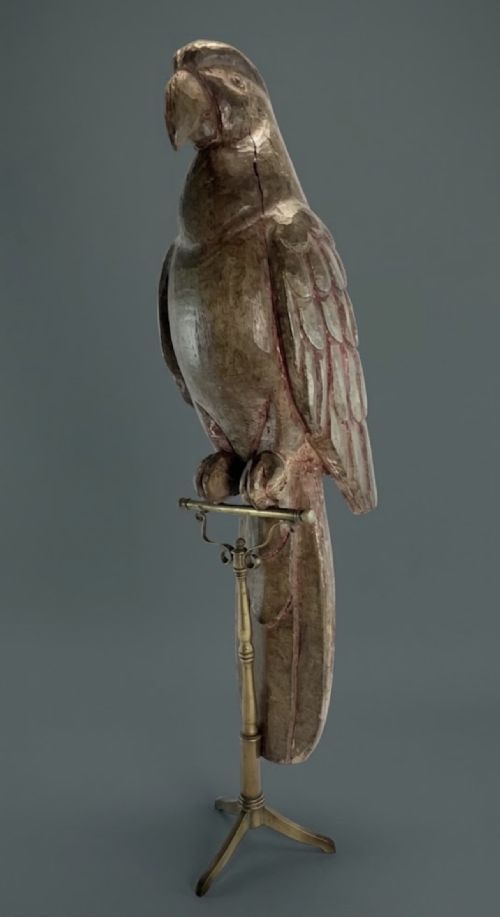
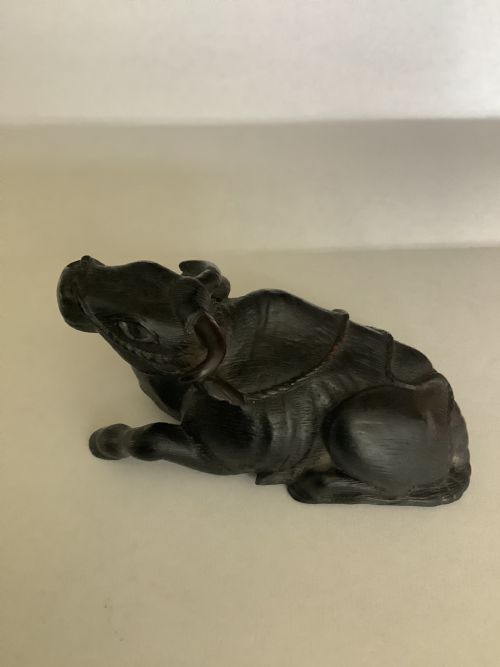
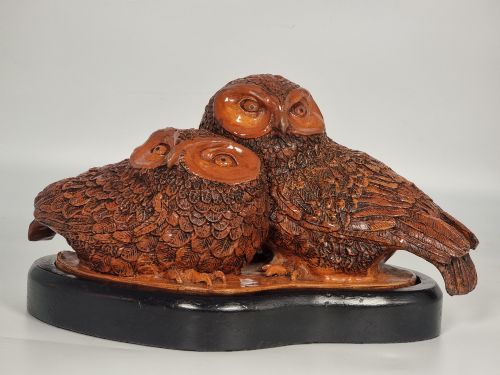
Carvers predominantly utilised various woods including limewood, boxwood, fruitwood, and oak, working grain by grain with gouges and chisels. Softer timbers allowed for deep undercutting and fine detail in animal fur and facial expressions.
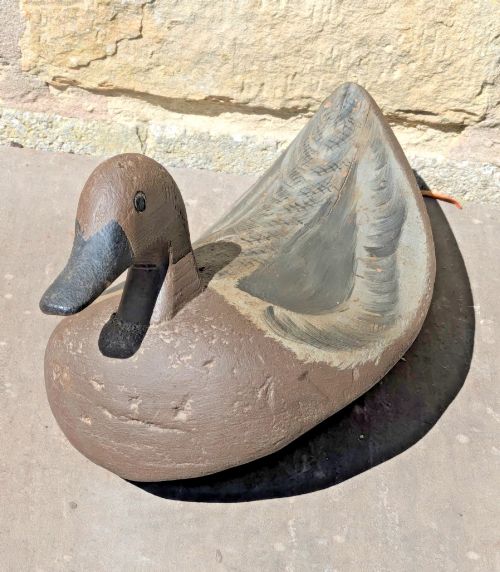
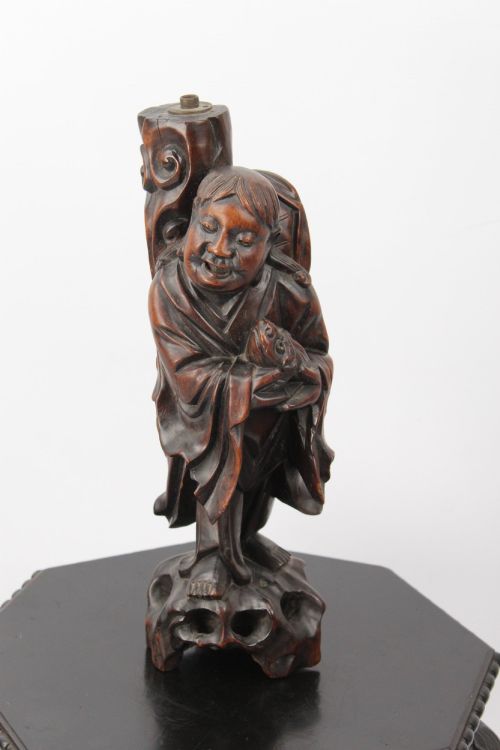
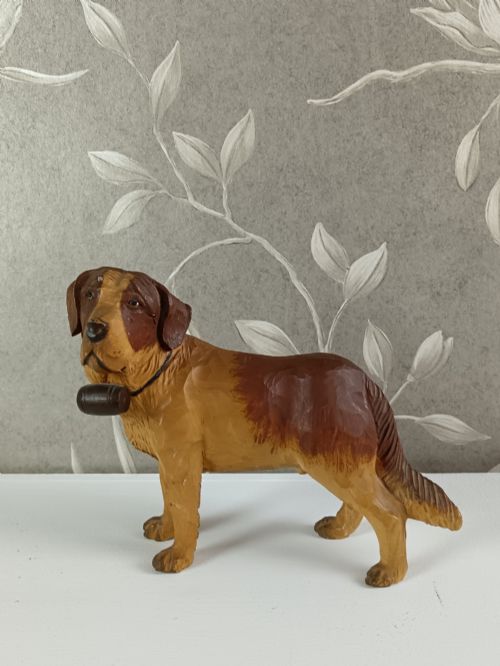
Many items incorporate surface treatment such as hand painting, dark polishing, or ebonisation to heighten contrast and protect the material. Certain pieces integrate mixed media, combining carved wooden bodies with brass stands, glass eyes, or stone bases.
What varies in quality
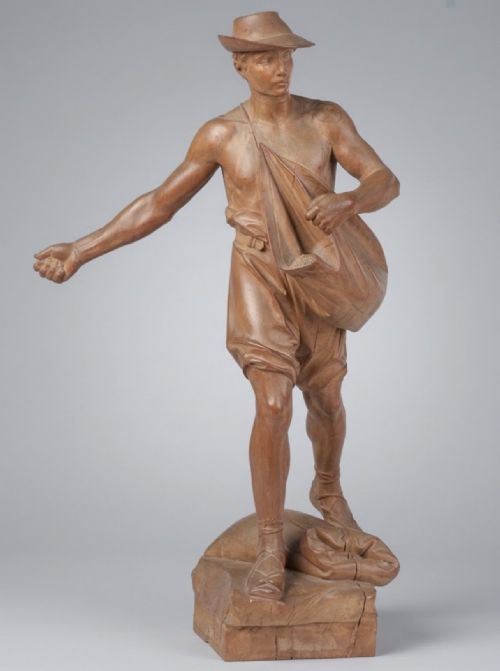
The distinction between ordinary and exceptional work lies in the confidence of the cutter's hand and the liveliness of the pose. Superior examples capture musculature, movement, and expression with anatomical conviction rather than stiff symmetry.
Depth of carving and subtlety of surface finish separate mass-produced workshop output from master pieces. The integration of the natural grain into the composition indicates a maker who understood the medium.
Listings feature woods such as walnut, oak, boxwood, and limewood alongside rarer materials like Derbyshire alabaster and pottery.
Bright And Sons·H.S Andy Anderson
The Hand Carved Figurine Glossary
- Limewood
- A pale timber with a fine, even grain favored by traditional European carvers for intricate detail. It resists splitting and takes crisp edges.
- Black Forest
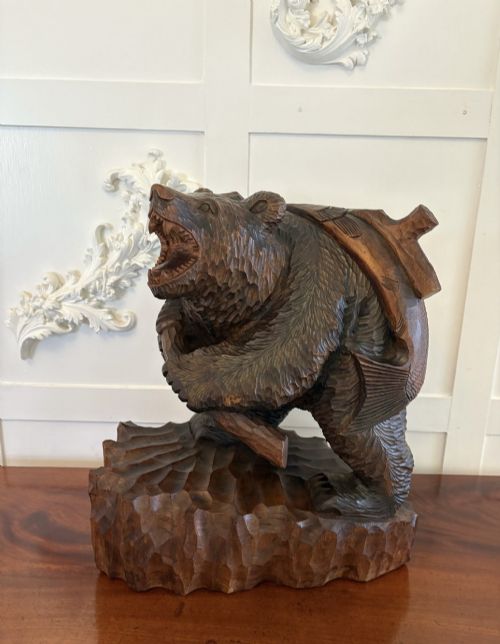
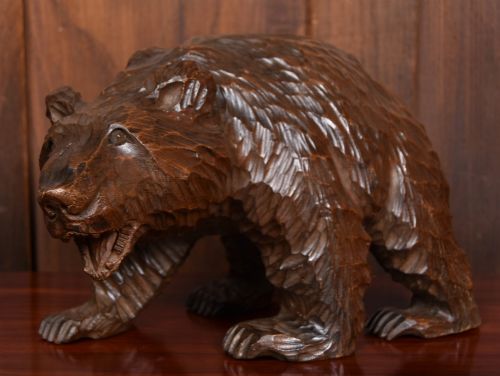
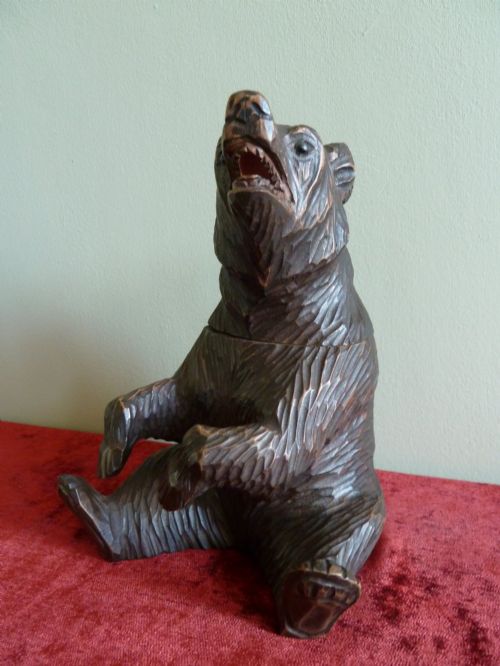
- A regional style of wood carving originating from central Europe, famous for naturalistic animal studies, particularly bears. These works date primarily from the nineteenth and early twentieth centuries.
- Netsuke
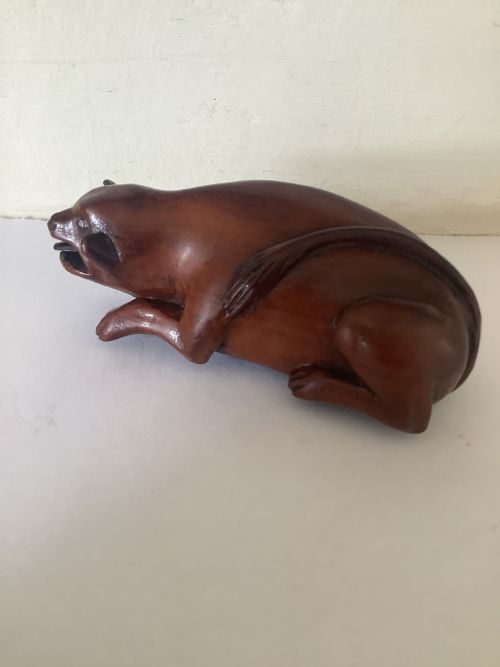
- A small Japanese toggle carved from wood or ivory, pierced to allow cord attachment for a traditional pouch. They display miniature sculptural mastery.
- Folk art
- Objects created by self-taught or traditional makers outside academic fine art academies. They often display naive charm and direct utility.
Hand Carved Figurine: Frequently Asked Questions
How do I date a carved wooden figure?
Dating relies on tool marks, timber choice, and stylistic conventions associated with specific periods like the Edwardian era or the nineteenth century. Wear patterns on high-touch surfaces also indicate age.
Examine the base and hidden joints for evidence of hand tools rather than modern machinery. Contemporary patination differs noticeably from centuries of handling.
How should I clean my wooden figurine?
Dust gently with a soft, dry brush to protect the carved surface and any historical patina. Avoid liquid cleaners or polishes that soften ancient finishes.
Keep pieces away from direct sunlight and rapid humidity shifts to prevent the wood from splitting. Wax can be applied sparingly if the timber appears dry.
What is Black Forest carving?
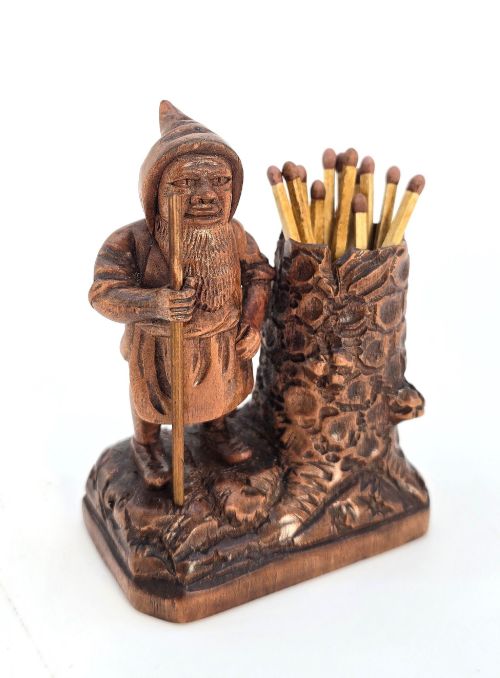
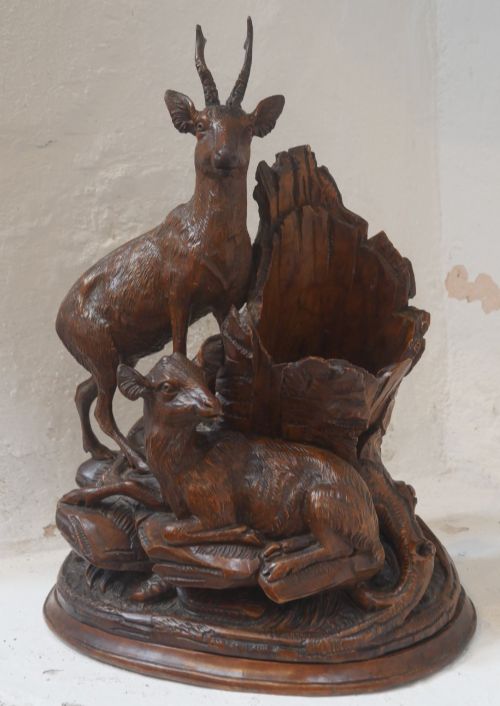
Black Forest carving refers to nineteenth-century wooden sculptures of animals and forest scenes produced in Switzerland and Germany. These range from heavy hall stands to small desk items like bookends and match holders.
Bears and deer are the most common subjects, frequently depicted performing human activities. The wood used is typically limewood or walnut.
Are these figures solid wood?
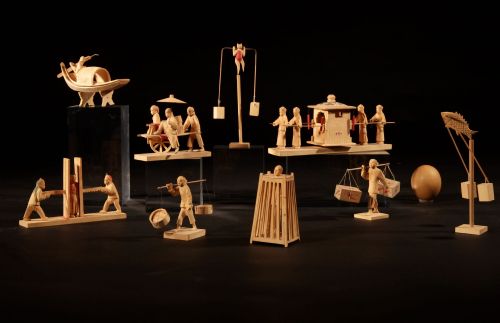
The majority of traditional figurines are carved from a single block of hardwood or fruitwood. Larger architectural or sculptural groups may employ joined sections.
Inspect the underside to check the grain continuity and construction method. Joined elements are typical in complex compositions involving multiple figures.