




Carved Timber Statuette
These carved timber statuette examples bring tangible character to a room, ranging from folk art animals to classical figures.
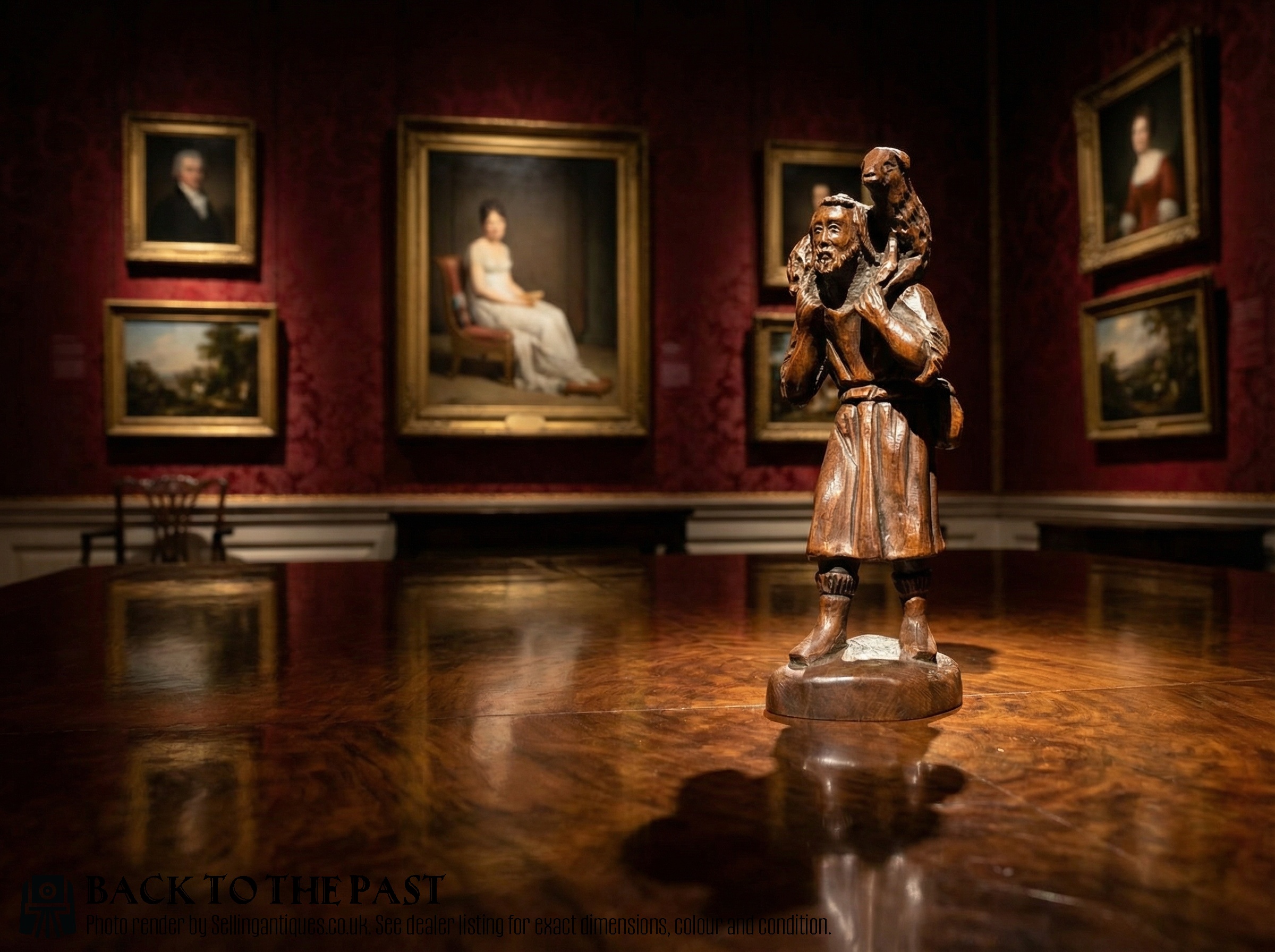
Carved Timber Statuette
A carved timber statuette represents three-dimensional sculptural work shaped entirely from wood across multiple centuries. Buyers searching for a carved timber statuette encounter diverse forms, including animal studies, human figures, and religious subjects.
The selections available here span periods such as the eighteenth century, Georgian and Regency eras, alongside nineteenth century pieces and later works from the nineteen-twenties and nineteen-thirties. Animal subjects from the Black Forest tradition and Japanese folk art frequently appear.
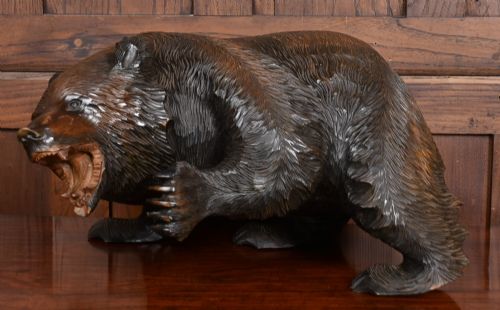
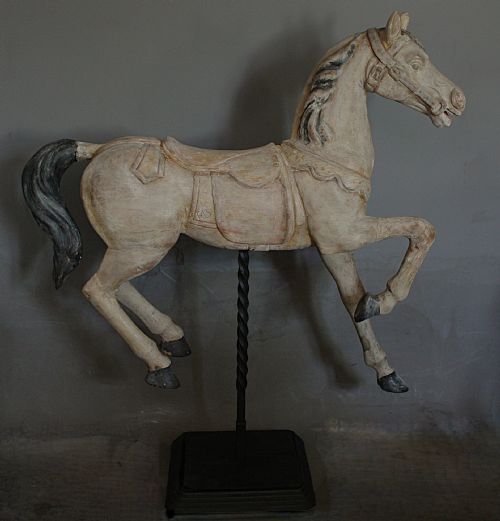
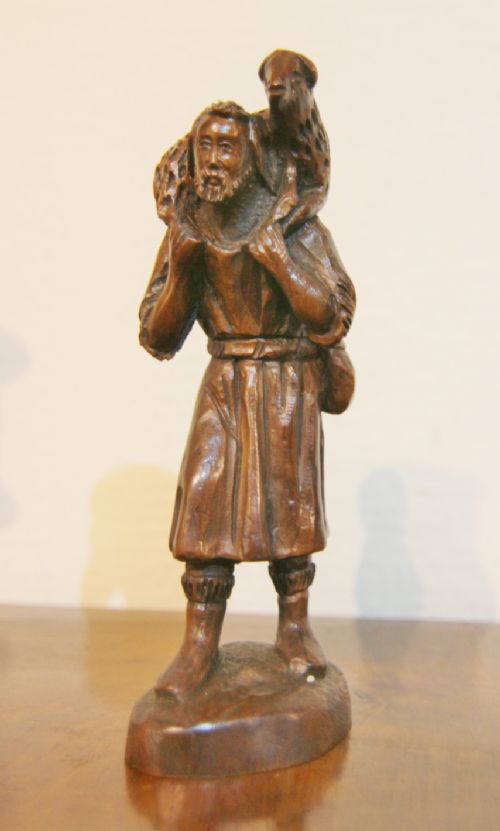
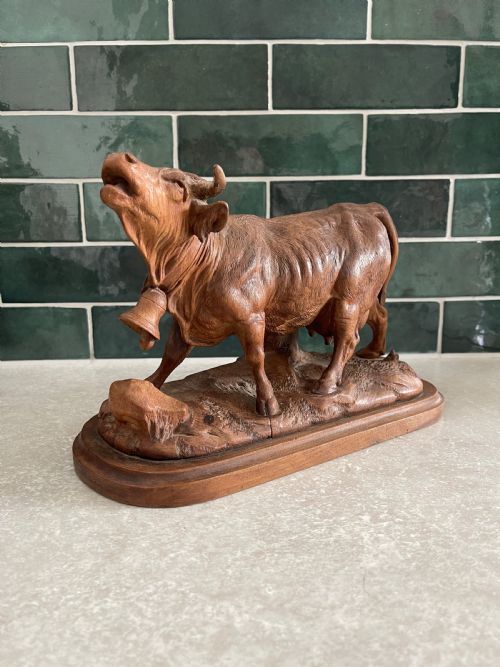
Common forms include bears, horses, panthers, cows, and human representations ranging from shepherds to literary and historical figures. These objects function primarily as decorative sculptures and figurines within domestic interiors.
How they were made
Maker execution relies upon various woods including walnut, hardwood, linden wood, and oak, shaped through manual carving techniques. Selected pieces incorporate applied surface finishes such as stain, paint, or polychrome decoration to define details.
Structural reinforcement or specific functional elements occasionally utilise iron alongside the primary wooden medium. The physical approach combines subtractive carving of the timber block with surface detailing characteristic of specific regional workshops and folk traditions.
A stoic Belgian draught horse stands ready alongside a musical Pied Piper of Hamelin.
What varies in quality
The choice of timber and the preservation of original surface treatments, including stain or polychrome paint, influence the overall character of the piece. Regional styles also dictate execution standards, distinguishing mass-produced decorative items from masterworks.
Valentino Besarel
The Carved Timber Statuette Glossary
- Black Forest
- A nineteenth-century Swiss and German carving tradition famous for realistic animal sculptures, particularly bears.
- Polychrome
- Painted or decorated in multiple colours, adding vibrant surface detail to carved wooden figures.
- Animalier
- Nineteenth-century artistic style focusing on the realistic portrayal of animals in sculpture.
- Folk art
- Utilitarian or decorative objects created within a community tradition, often displaying charming stylistic independence.
- Hardwood
- Timber derived from broad-leaved trees, providing a dense and durable medium for detailed sculptural carving.
Carved Timber Statuette: Frequently Asked Questions
What periods do these statuettes cover?
The selection includes pieces from the eighteenth century, Georgian and Regency periods, and the nineteenth century. Later twentieth-century examples from the nineteen-twenties and thirties are also represented.
Each era brings distinct stylistic priorities, from classical human figures to regional animalier traditions.
Which woods were used for carving?
Carvers utilised materials such as walnut, oak, linden wood, and general hardwood. Some pieces incorporate iron or painted and stained finishes.
The choice of timber often reflects the geographic origin and the specific folk art tradition of the workshop.
Where do Black Forest carvings originate?
Black Forest carvings originate primarily from nineteenth-century Switzerland and Germany. They are renowned for depictions of bears, cows, and local wildlife.
These pieces often feature highly textured fur rendering and naturalistic poses suited to domestic display.
How should I display a wooden statuette?
Place statuettes on stable surfaces away from direct sunlight and sudden temperature fluctuations to protect the timber. Ensure the surrounding space allows the sculptural form to be viewed from multiple angles.
Proper placement highlights the individual grain and surface finish of the wood.