


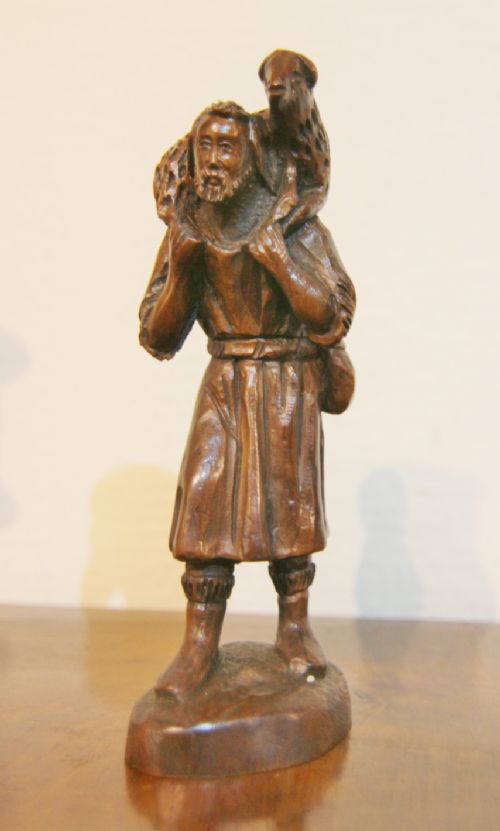


Antique Pastoral Sculpture
These antique pastoral sculpture pieces capture idyllic rural life in porcelain, bronze, silver and wood, offering timeless charm for any interior.
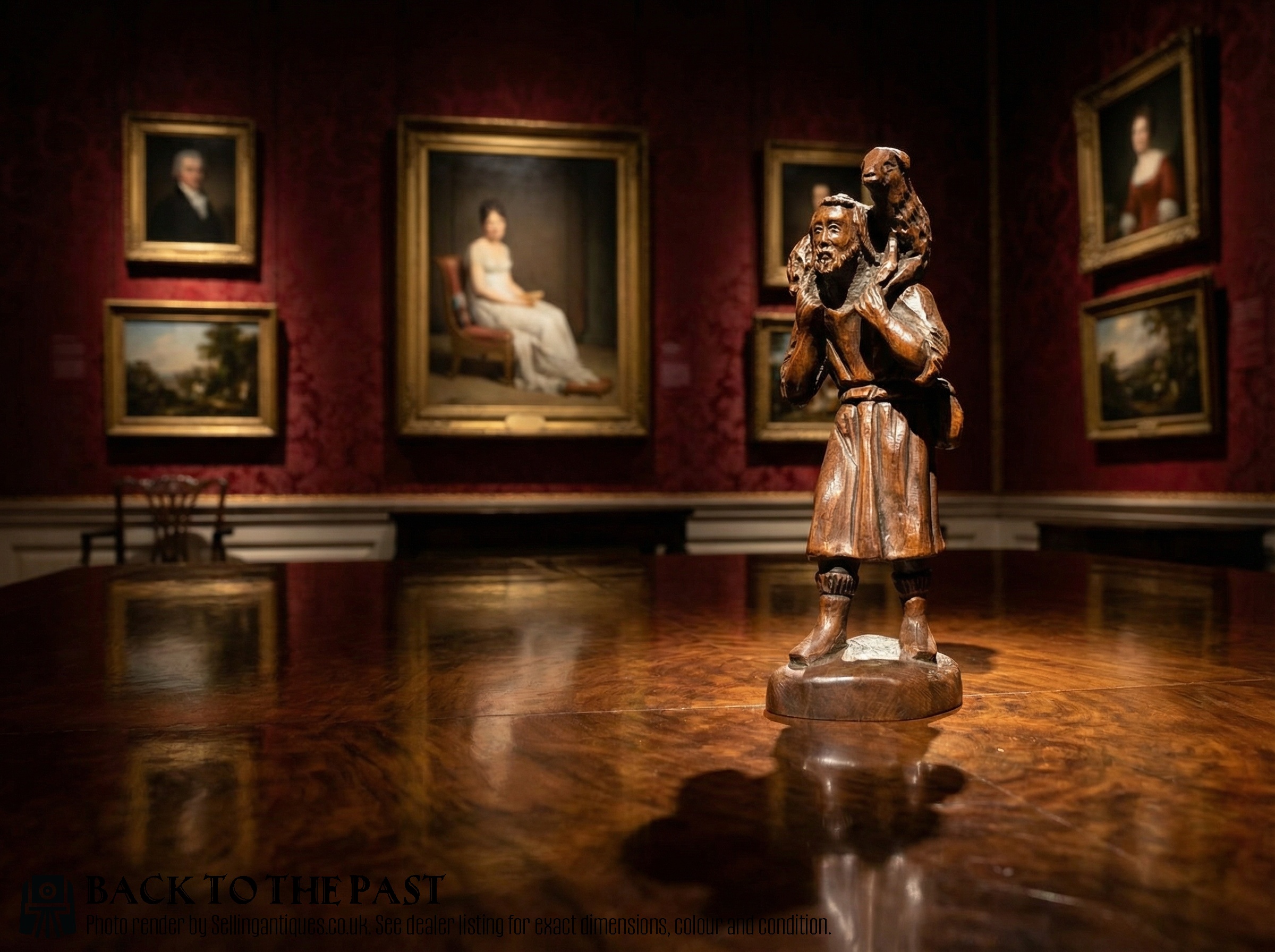
Antique Pastoral Sculpture
When you search for antique pastoral sculpture, you encounter figures of shepherds, shepherdesses, and rural labourers created across the eighteenth and nineteenth centuries. These depictions draw upon romanticised notions of country existence, ranging from diminutive porcelain figures to substantial bronze groups.
The selection on this page leans heavily towards porcelain figurines and cast metal statuettes from European workshops. You will frequently find figures accompanied by lambs, sheep, or agricultural animals, reflecting the enduring popularity of pastoral themes in domestic decoration.
Originating largely from British, French, German, and Italian sources, these works span periods from the Georgian era through to the late Victorian years. They serve primarily as decorative objects for mantlepieces, side tables, and cabinet displays.
How they were made
The fabrication of these works relies upon skilled moulding, casting, and carving in materials such as hard-paste porcelain, soft-paste porcelain, bronze, and wood. Porcelain pieces often receive hand-painted enamel decoration and highlights in gold leaf or gilt.
Metal sculptures utilise traditional casting methods, including the lost-wax technique for bronze figures, followed by chased surface detailing and occasional silvering. Wooden carvings demonstrate precise hand-tooling to render clothing textures and natural elements.
Listings feature eighteenth and nineteenth-century works, spanning the Georgian and Victorian periods in porcelain, bronze, and wood.
What varies in quality
Quality in these works resides in the crispness of the modelling and the finesse of the surface finish. Superior porcelain examples display delicate facial expressions and precise enamel work, whereas lesser pieces exhibit softened details and heavy, uniform glazing.
In metal castings, the distinction lies in the sharpness of the chisel work after casting and the naturalism of the pose. Finer sculptures retain subtle anatomical details in both human figures and animals, while standard production pieces appear rigid and formulaic.
Edward & John Barnard·Vion & Baury·Xavier Raphanel
The Antique Pastoral Sculpture Glossary
- Bisque porcelain
- Unglazed porcelain with a matte, marble-like texture. It gained popularity in the nineteenth century for figures, as it mimics carved stone.
- Gilt
- A thin layer of gold applied to the surface of bronze, silver, or wood. It adds warmth and reflects candlelight effectively.
- Hard-paste porcelain
- A durable ceramic composition fired at very high temperatures. It was developed in Europe during the eighteenth century.
- Rococo Revival
- A nineteenth-century design movement inspired by the ornate, asymmetrical curves of the eighteenth-century Rococo style. It is frequently seen in Victorian decorative arts.
- Shepherdess
- A female guardian of sheep, which is a central archetype in pastoral art. This figure often appears with a crook, a hat, and a lamb.
Antique Pastoral Sculpture: Frequently Asked Questions
What is an antique pastoral sculpture?
An antique pastoral sculpture is a decorative figure or group depicting rural life, typically featuring shepherds, shepherdesses, or farm animals. These pieces were produced in materials like porcelain, bronze, and wood during the eighteenth and nineteenth centuries.
They reflect a cultural fascination with rustic simplicity, often styled after European artistic movements such as Rococo Revival or French Provincial design.
How do I date an antique porcelain shepherdess?
Dating a porcelain figure involves examining the paste type, glaze, painting style, and any factory marks on the underside. Eighteenth-century pieces often use soft-paste porcelain with hand-mixed enamels, while later Victorian reproductions adopt harder pastes and different kiln techniques.
Comparing the modelling style to known period examples helps narrow down the decade of production.
Were these sculptures used outdoors?
No, these sculptures were intended strictly for indoor domestic display on tables, mantels, and within cabinets. Materials like painted porcelain, silver, and bisque earthenware are too delicate to withstand exterior weather conditions.
Their primary purpose was to bring elements of romanticised country life into formal drawing rooms and parlours.
How should I clean antique bronze figures?
Cleaning antique bronze requires a gentle approach to preserve the original patina and any applied silvering or gilding. Dusting with a soft, dry brush is usually sufficient for regular maintenance.
Avoid using abrasive metal polishes or harsh chemical cleaners, as these strip away historical surfaces and reduce the piece's character.