


Hand Carved Container
A hand carved container is a vessel shaped by the chisel from wood, metal or bamboo, offering tangible craft that appeals to collectors of small domestic antiquities.
Hand Carved Container
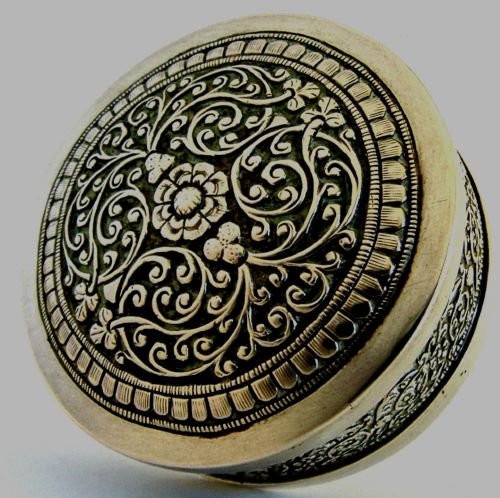
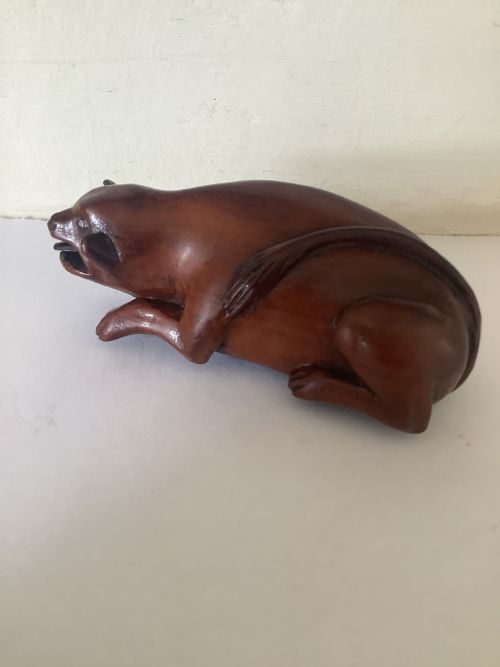
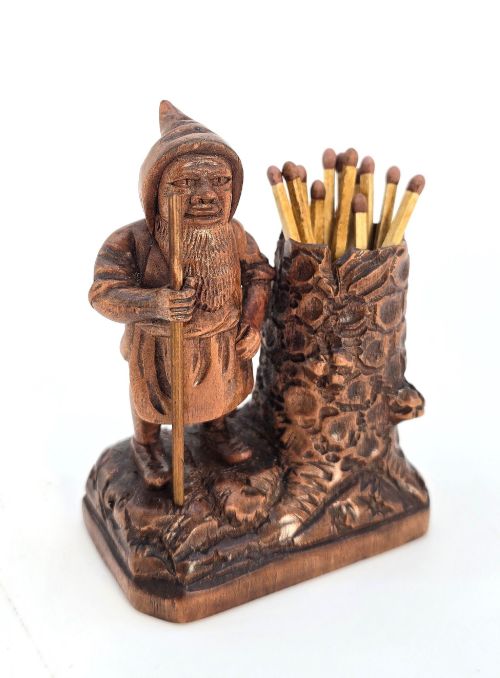
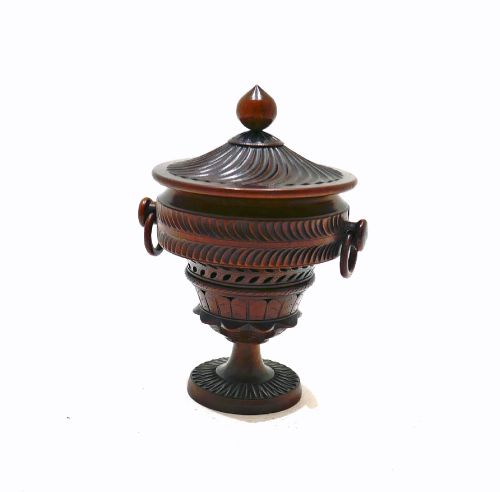
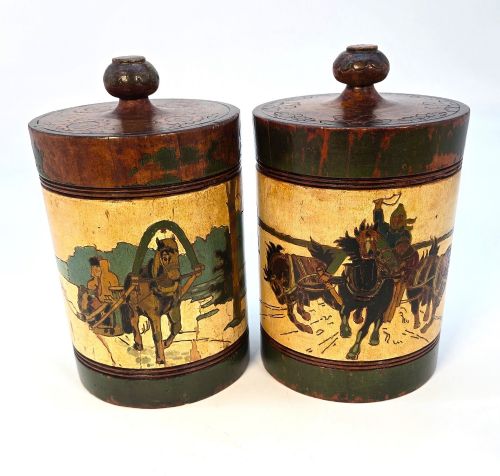
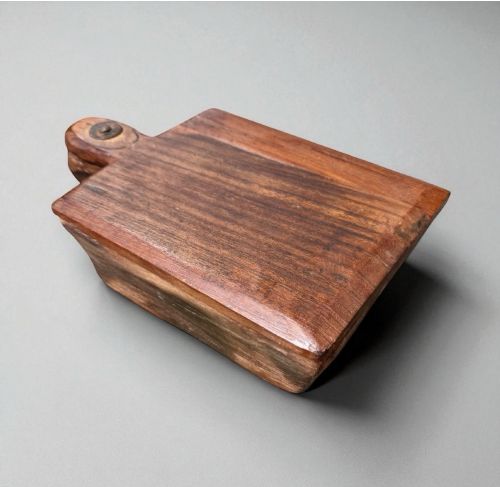
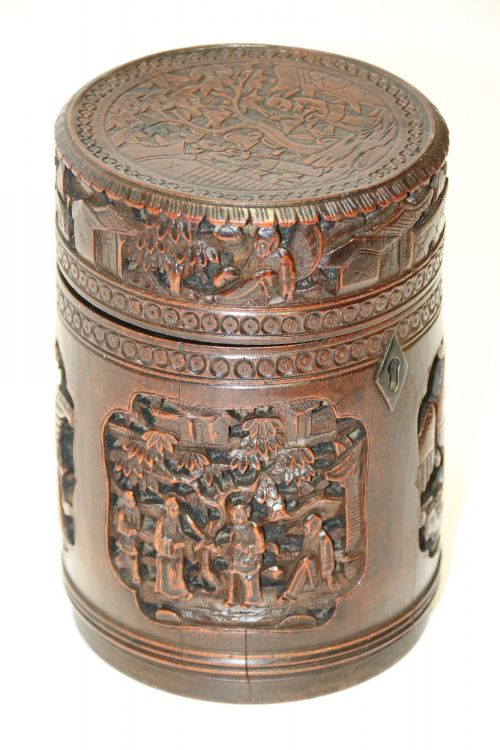
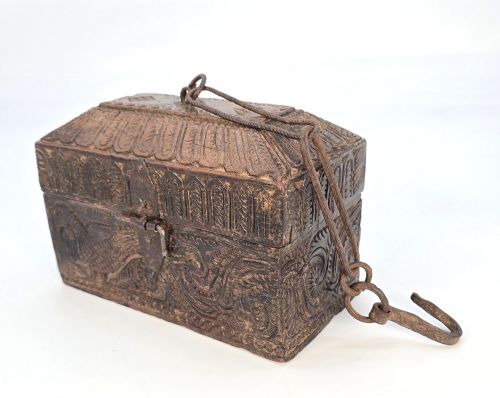
Every hand carved container on this page is a functional object shaped by individual makers from materials like hardwood, bamboo, fruitwood and solid silver. You will encounter small personal items like snuff boxes, match holders, and spice boxes alongside larger lidded vessels, tea caddies and tobacco containers. These pieces cross numerous regions and traditions, spanning from English and Swedish oak to Chinese bamboo and Indian teak.
The domestic forms recorded here reflect daily habits of past centuries, from tobacco storage and spice preservation to holding matches or snuff. The assortment relies heavily on nineteenth-century examples, though eighteenth-century items and Edwardian pieces also appear regularly. Collectors seek them for their varied regional ornament and the direct evidence of the carver's tool.
Folk art and vernacular traditions dominate the selection, bringing naive charm alongside precise craftsmanship from specific cultural contexts. Whether an Anglo-Indian spice box or a Russian tobacco container, each item serves as a physical record of historic woodworking and metalworking skills. Buyers evaluate these vessels for their utility, historical context, and the distinct character imparted by human hands.
Materials and construction
Makers utilised dense timbers such as oak, teak, fruitwood, elm and limewood, which accepted intricate chisel work without splitting. Bamboo provided cylindrical natural forms for Chinese tea caddies and brush pots, while hard woods allowed artisans to fashion detailed figurative shapes like hands holding snuff or gnome match holders.
Metal elements appear through brass pique work, silver plating, and solid silver construction, often complementing wooden bodies or forming independent boxes. Carving techniques ranged from deep relief work on oriental bamboo to naive surface incisions on European treen, occasionally enhanced with painted decoration or inlaid diamonds.
Evaluating quality and execution
Surface finish and handling wear also define the upper tier, where centuries of touch have produced a deep, warm patina across the timber. Pieces that retain their original lids, fitted interiors, or functional moving parts command greater appreciation than those altered or stripped of their historical skin.
The Hand Carved Container Glossary
- Treen
- Small handmade wooden objects for domestic use. This category encompasses items like lidded cups, small boxes, and pomanders.
- Snuff box
- A small container for holding powdered tobacco. These pieces often feature hinged lids and pocket-sized dimensions.
- Tea caddy
- A vessel designed to store dry tea leaves securely. Examples here utilise carved bamboo or timber construction.
- Patina
- The glossy sheen developed on wood or metal through age and handling. A rich patina indicates long use and proper care.
- Pique work
- Inlay technique utilising tiny pins or wire of brass or silver. It creates decorative foliage and floral patterns on box surfaces.
Hand Carved Container: Frequently Asked Questions
What were small carved boxes used for?
These vessels served practical domestic roles in storing high-value consumables like spices, tobacco, tea, and snuff. Their portable nature allowed individuals to carry personal items or keep them close at hand in domestic rooms.
Over generations, their utility shifted from daily functional items to decorative collectibles valued for their sculptural qualities and regional folk art designs.
How do I date a wooden box?
Dating relies on observing tool marks, timber selection, construction methods, and the style of ornamentation applied to the surface. Eighteenth-century pieces often display hand-sawn boards and simpler joinery, while nineteenth-century items embrace diverse regional revival styles.
Examining the wear patterns around opening mechanisms and hinges also provides clues regarding the age and frequency of past use.
Are bamboo containers durable?
Bamboo possesses natural strength and a fibrous structure that resists splitting when properly seasoned and maintained. Chinese brush pots and tea caddies utilise this hollow plant stem for its inherent cylindrical stability.
Keeping these vessels away from extreme humidity and direct heat sources ensures the organic material remains stable over decades of display.