



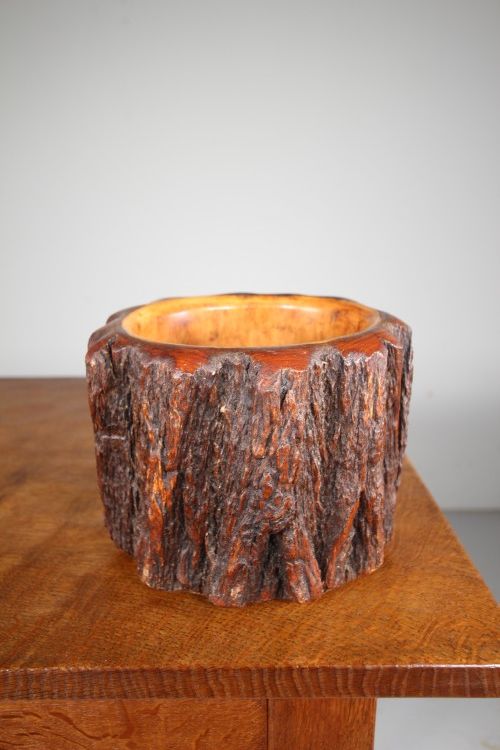
Brown Wooden Vessel
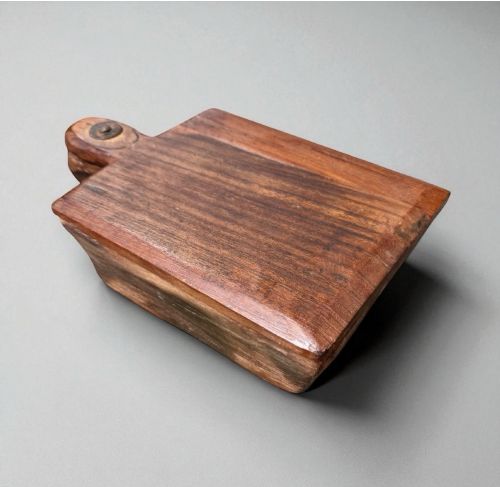
A brown wooden vessel brings organic texture to a room, formed through centuries of turning, carving, and coopered construction.
Brown Wooden Vessel
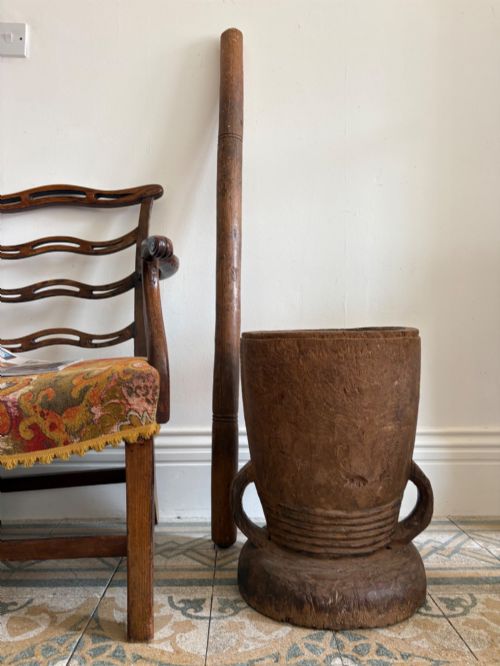
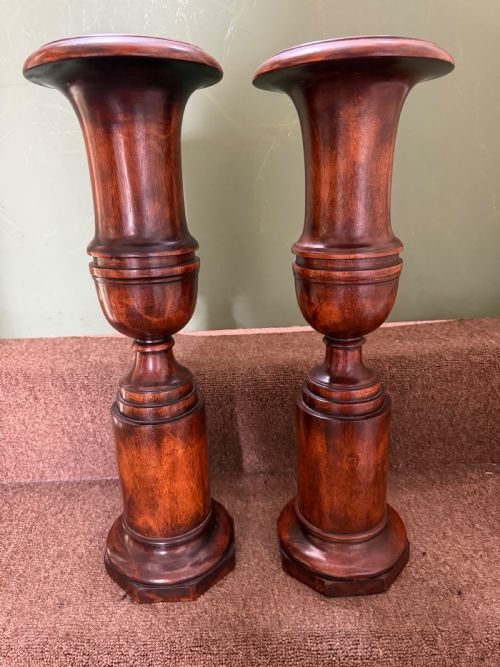
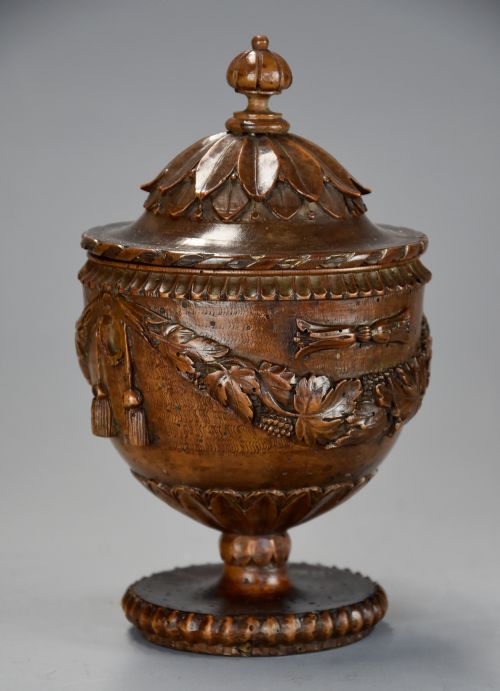
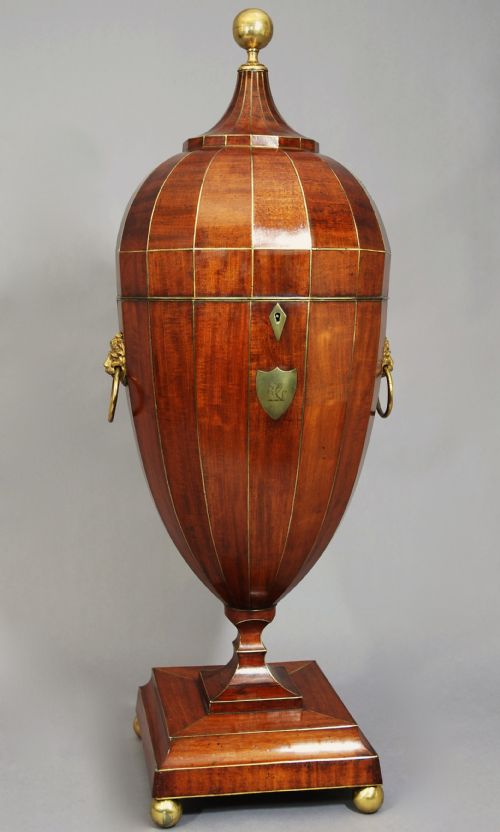
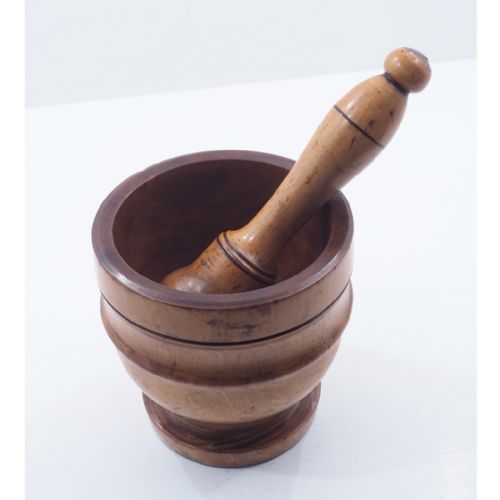
The versions most commonly met on this page span nineteenth-century treen and turned hardwood items, alongside primitive dug-out tree trunks and carved mortar vessels. Walnut, oak, sycamore, and fruitwood dominate the forms, reflecting both rustic country craftsmanship and refined neoclassical design.
How They Were Made
Makers utilised seasoned hardwoods such as walnut, oak, mahogany, and fruitwood, often selecting timber for dense grain and natural warmth. Turning on a lathe shaped symmetrical urns, chalices, and vases, while hand-carving produced primitive mortars, bowls, and hollowed tree trunks.
Coopered pieces relied on curved wooden staves bound together with brass bands or iron hoops to form watertight buckets and barrels. Surface finishes depended on friction polishing and centuries of handling, developing a deep patina across sycamore, olive wood, and elm.
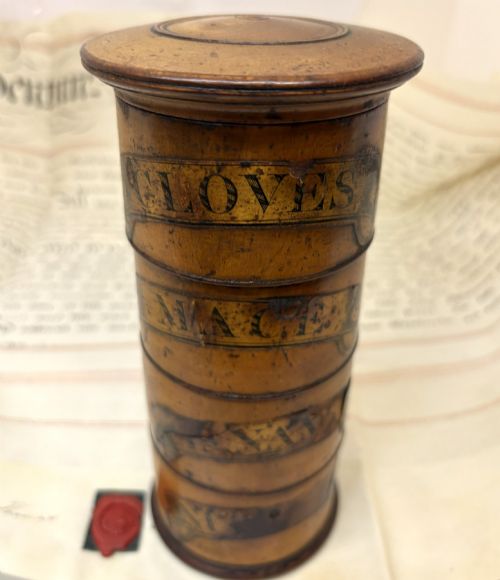
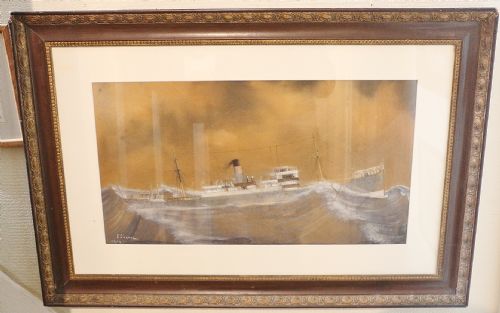
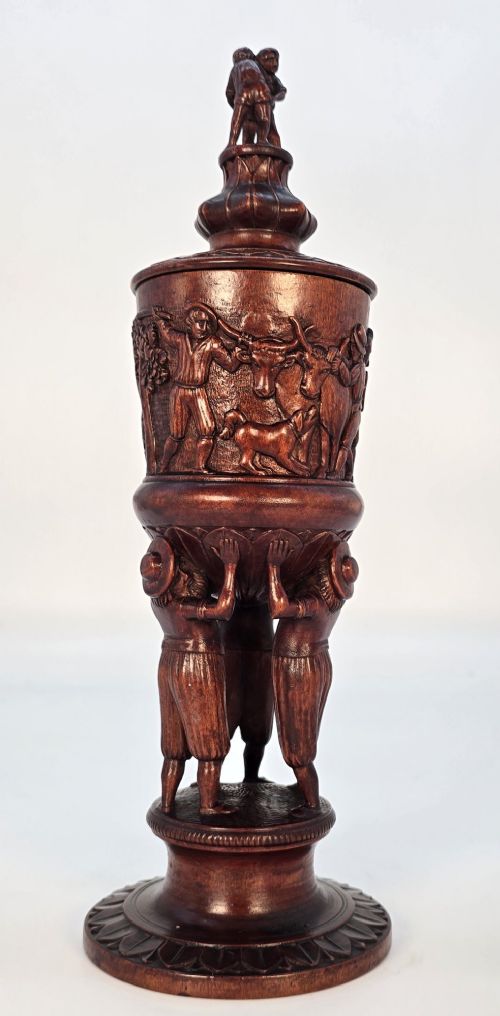
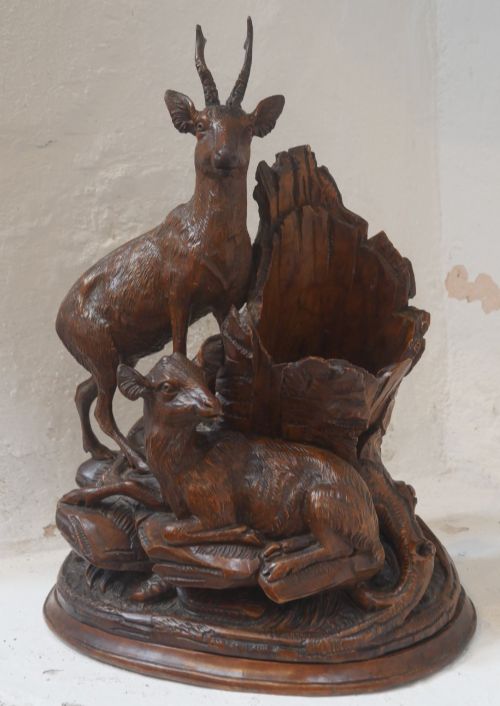
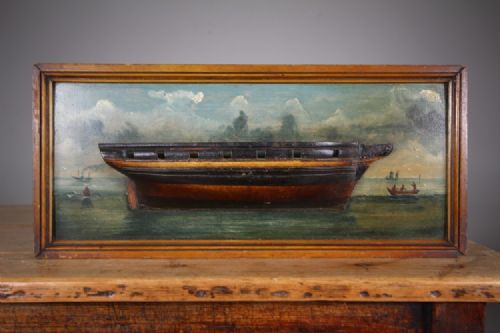
Swiss mountain goats and miniature sea-going barques share shelf space with eighteenth-century spice towers.
What Varies In Quality
The distinction between ordinary utility items and exceptional pieces rests upon the precision of the turning and the crispness of any carved neoclassical detail. Master carvers achieved balanced proportions and fine wall thicknesses, whereas basic kitchen vessels prioritised simple utility over aesthetic refinement.
Timber selection and grain figure dictate visual presence, with richly marked yew wood, figured walnut, and unblemished mahogany standing apart from plain utilitarian softwoods. The preservation of original surface patination, free from modern sanding or aggressive stripping, determines the enduring character of each piece.
The Brown Wooden Vessel Glossary
- Treen
- Small handmade wooden domestic objects fashioned by turners and carvers. This term encompasses everything from spice towers to butter tubs.
- Coopered
- Constructed from wooden staves fitted tightly together and secured by metal or wooden bands. This method was essential for holding liquids in buckets and barrels.
- Campana
- Shaped in the form of an inverted bell with an everted rim. Neoclassical vases often adopted this classical silhouette.
- Patina
- The surface sheen and colour acquired by wood through age, handling, and wax polishing. A warm patina indicates decades of gentle use.
- Mortar
- A heavy bowl used with a pestle for grinding spices, herbs, or powders. Examples range from primitive tree trunks to finely turned hardwood specimens.
Brown Wooden Vessel: Frequently Asked Questions
How do I clean an old wooden vessel?
Dust the surface regularly with a soft, dry cloth to prevent dirt accumulation. Avoid using water, detergents, or chemical polishes that can strip the historic finish.
Apply a microcrystalline wax sparingly if the timber appears dry, buffing it gently with a soft brush. Keep wooden pieces away from direct sunlight and radiators to prevent splitting.
Were these vessels used in the kitchen?
Many items served practical domestic purposes, such as mortars for grinding spices, dairy bowls for setting cream, and buckets for carrying water or butter. Coopered tubs and barrels managed provisions in daily household management.
Other examples, such as neoclassical urns and turned vases, were strictly decorative objects intended for display in formal rooms. Their fine turned walnut construction precluded heavy manual labour.
How can I tell the age of a wooden piece?
Examine the tool marks left by the maker, noting whether surfaces show lathe turning grooves, adze cuts, or modern saw blade patterns. Hand-wrought joinery and iron fastenings often point to earlier manufacturing methods.
Check the timber species and the nature of the surface wear, as centuries of handling produce a distinct softness on edges. Comparing the form to dated pieces helps place the object within the eighteenth or nineteenth century.
Can I use these planters for real plants?
Placing wet soil directly inside antique dug-out troughs or coopered buckets risks rotting the historic wood and lifting the surface finish. Moisture absorption causes timber to swell and split over time.
Protect the interior by placing a modern plastic pot or liner inside the vessel with a tray underneath. This allows you to display greenery safely without damaging the wood.